

Advantages of Cork Bags: Style, Sustainability, Ethics
Finding accessories that are truly vegan, stylish, and sustainable can feel like searching for a needle in a haystack, especially when british and European fashion often spotlight leather as the gold standard. As eco-conscious habits become a driving force for millennials and Gen Z, cork bags stand out for their planet-friendly impact. Cork production enables the forests to absorb up to 14 million tons of carbon dioxide every year, offering a beautiful alternative for those committed to ethical design and contemporary flair.
Table of Contents
- Defining Cork Bags And Their Unique Appeal
- How Cork Bags Compare To Leather Alternatives
- Eco-Friendly And Vegan Benefits Of Cork
- Durability And Everyday Usability Of Cork Bags
- Caring For Your Cork Accessories Responsibly
Key Takeaways
| Point | Details |
|---|---|
| Sustainable Material | Cork bags utilise a renewable resource that supports environmental sustainability and animal welfare. |
| Durability and Performance | Cork’s unique properties provide lightweight, water-resistant, and impact-resistant bags that maintain aesthetic integrity. |
| Ethical Appeal | Choosing cork bags signifies a commitment to eco-friendly and vegan-friendly fashion without compromising style. |
| Low Maintenance | Cork accessories require minimal care, making them a practical choice for environmentally conscious consumers. |
Defining Cork Bags And Their Unique Appeal
Cork bags represent a revolutionary approach to sustainable fashion, transforming an ancient material into contemporary accessory design. Crafted from the bark of cork oak trees, these bags offer a compelling alternative to traditional leather accessories that resonates with environmentally conscious consumers.
The unique manufacturing process behind cork bags distinguishes them from conventional materials. Unlike leather production, cork harvesting occurs without harming the tree, allowing the bark to regenerate and continue absorbing carbon dioxide. The resulting material is remarkably lightweight, water-resistant, and possesses a distinctive texture that appeals to fashion enthusiasts seeking both style and ethical credentials. Cork’s natural properties include:
- Remarkable durability
- Hypoallergenic characteristics
- Flexible yet structured design
- Minimal environmental impact
Modern cork bags blend sophisticated aesthetics with practical functionality, challenging traditional perceptions of sustainable fashion. The material’s natural variations create unique patterns, ensuring that each bag tells its own story while maintaining a sleek, contemporary appearance. By choosing a cork bag, consumers make a statement about their commitment to innovative, responsible design that doesn’t compromise on visual appeal.
Pro Tip: When selecting a cork bag, examine the texture and flexibility closely - a high-quality cork accessory should feel smooth, lightweight, and exhibit natural variations in its surface pattern.
How Cork Bags Compare To Leather Alternatives
When examining sustainable fashion accessories, cork bags emerge as a superior alternative to traditional leather, offering unprecedented environmental and practical advantages. Cork fabric represents a revolutionary sustainable material that challenges conventional leather production methods by providing exceptional performance with minimal ecological impact.
The comparison between cork and leather reveals multiple compelling distinctions. While leather production requires significant animal processing and environmental resources, cork harvesting occurs without harming trees, actually supporting forest ecosystems. Key comparative advantages include:
- Environmental Impact: Cork supports biodiversity; leather production contributes to deforestation
- Resource Efficiency: Cork requires minimal water and energy during production
- Durability: Cork demonstrates comparable, often superior abrasion resistance
- Aesthetic Qualities: Unique natural texture with modern design potential
Performance specifications further distinguish cork bags from leather alternatives. Cork backpacks showcase remarkable practical characteristics, including superior water resistance, lightweight construction, and thermal stability. These attributes make cork bags not just an ethical choice, but a pragmatic one for consumers seeking high-performance accessories.
By selecting cork bags, environmentally conscious individuals make a statement that transcends fashion, supporting sustainable manufacturing practices that prioritise ecological preservation and innovative design.
To better understand how cork bags differ from leather alternatives, consider this detailed comparison of their key attributes:
| Attribute | Cork Bags | Leather Bags |
|---|---|---|
| Environmental Footprint | Minimal, supports forest regeneration | High, involves animal farming and chemicals |
| Maintenance | Easy; requires gentle cleaning | Often complex; may need specialised care |
| Thickness & Weight | Thin and ultra-lightweight | Typically thick and heavier |
| Moisture Performance | Naturally water-resistant surface | Generally absorbs moisture, prone to stains |
| Animal Product Content | 100% plant-based; vegan-friendly | Derived from animal hides |
Pro Tip: When comparing cork and leather bags, examine the material’s texture, flexibility, and weight - a superior cork bag should feel smooth, lightweight, and exhibit natural, organic variations in its surface pattern.
Eco-Friendly And Vegan Benefits Of Cork
Cork represents a revolutionary material that delivers profound ecological and ethical advantages for environmentally conscious consumers. Unlike traditional manufacturing processes that harm animal populations or deplete natural resources, cork production offers a uniquely sustainable alternative that supports both environmental preservation and animal welfare.
The ecological credentials of cork are remarkably impressive. Cork oak trees can live for over 200 years, with their bark repeatedly harvested without causing damage to the tree itself. This regenerative process ensures minimal environmental disruption while simultaneously supporting complex forest ecosystems. Key ecological benefits include:
- Carbon Sequestration: Cork forests absorb significant atmospheric carbon
- Biodiversity Support: Provides critical habitat for multiple species
- Renewable Resource: Bark naturally regenerates every 9-12 years
- Zero Waste Production: Almost entire cork harvesting process is sustainable
From a vegan perspective, cork bags represent an ethical breakthrough in fashion accessories. They completely eliminate animal product usage, providing a cruelty-free alternative that doesn’t compromise on style or quality. The material’s versatility allows designers to create sophisticated accessories that appeal to consumers seeking both aesthetic excellence and moral integrity.
Moreover, cork’s technical properties make it an exceptional material beyond its ethical credentials. Its natural water resistance, lightweight composition, and durability ensure that vegan accessories can match - and often exceed - the performance of traditional leather products.
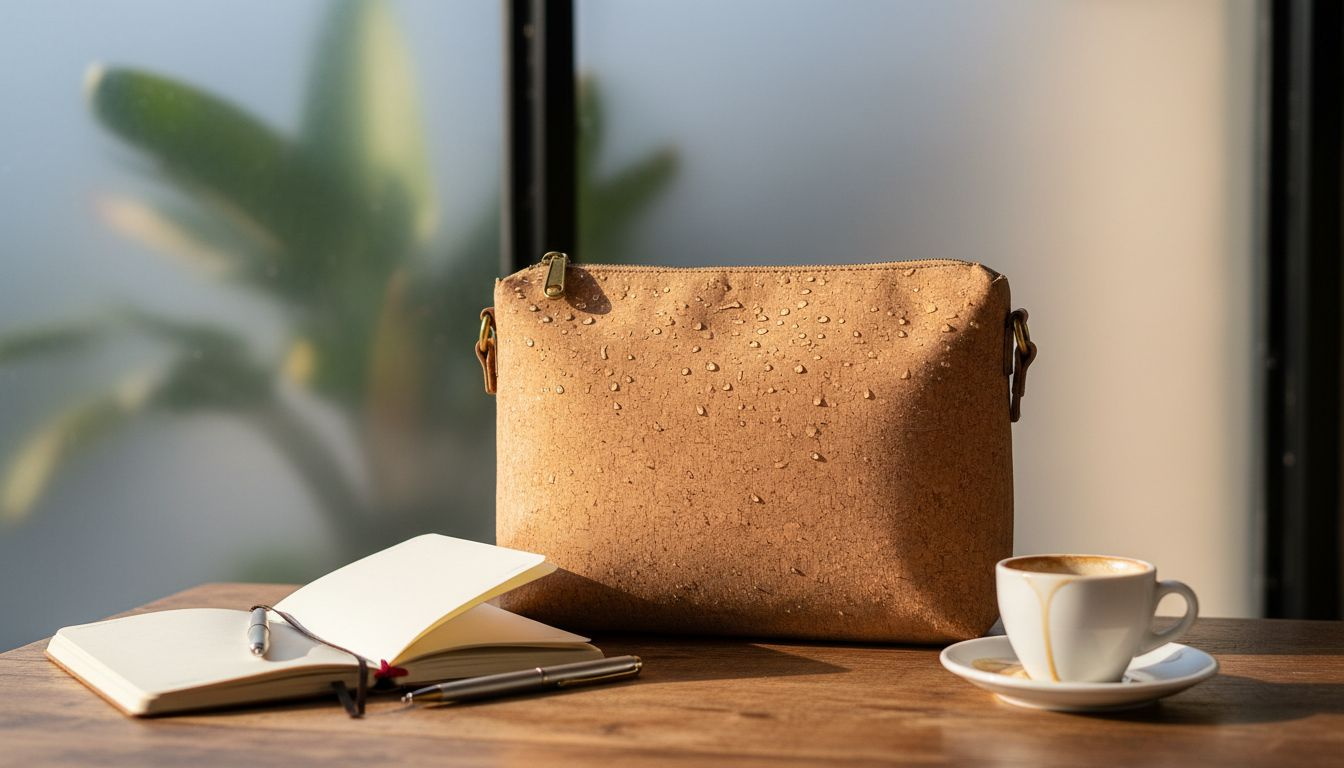
Below is a summary of the most significant eco-friendly and vegan benefits that set cork accessories apart:
| Benefit | Description |
|---|---|
| Carbon Capture | Cork forests absorb and store atmospheric carbon effectively |
| Animal Welfare | No animals are harmed; ideal for ethical lifestyles |
| Renewable Harvesting | Bark regrows, enabling regular, sustainable extraction |
| Low Waste Production | Nearly all harvested cork is utilised in production |
Pro Tip: When evaluating cork bags, look for certifications that verify sustainable harvesting practices and confirm the product’s genuine vegan status.
Durability And Everyday Usability Of Cork Bags
Cork bags represent an exceptional fusion of durability and practicality, engineered to withstand the demanding challenges of contemporary urban lifestyles. Unlike traditional materials that deteriorate quickly, cork’s inherent structural properties ensure remarkable resilience across diverse environmental conditions.
The material’s extraordinary performance stems from its unique cellular structure. Cork bags demonstrate remarkable resistance to wear and tear, maintaining their aesthetic integrity even after extensive daily use. Key durability characteristics include:
- Impact Resistance: Naturally absorbs external pressures
- Water Repellence: Protects contents in unpredictable weather
- Structural Stability: Retains original shape under repeated stress
- Lightweight Composition: Reduces physical strain during carrying
Beyond physical durability, cork bags offer practical versatility that distinguishes them from conventional accessories. Their natural water-resistant properties make them ideal for commuters, travellers, and professionals navigating varied environmental conditions. The material’s breathable nature prevents moisture accumulation, ensuring internal contents remain protected while maintaining the bag’s structural elegance.
Furthermore, cork’s remarkable adaptability means these bags age gracefully, developing a subtle patina that enhances rather than diminishes their aesthetic appeal. Each bag becomes a personalised narrative of journeys travelled, experiences accumulated, reflecting the owner’s commitment to sustainable, intelligent design.
Pro Tip: Rotate your cork bag’s carrying position regularly to ensure even wear distribution and maintain its structural integrity over extended periods of use.
Caring For Your Cork Accessories Responsibly
Maintaining cork accessories requires minimal effort while preserving their exceptional quality, making them an ideal choice for environmentally conscious consumers seeking low-maintenance, high-performance products. Unlike traditional materials demanding complex care routines, cork’s natural resilience allows for straightforward, sustainable maintenance.
Proper cork accessory care involves several fundamental principles designed to protect and extend the material’s inherent qualities. Essential maintenance techniques include:
- Gentle Cleaning: Use soft, damp cloths to remove surface dirt
- Avoid Harsh Chemicals: Utilise mild, natural cleaning solutions
- Store Thoughtfully: Keep away from direct sunlight and extreme temperatures
- Regular Light Conditioning: Apply natural, plant-based conditioning oils sparingly
Understanding cork’s unique molecular structure helps inform responsible care practices. The material’s cellular composition allows it to naturally resist moisture, dust, and minor abrasions, which means aggressive cleaning or treatment is unnecessary and potentially damaging. Eco-conscious consumers can appreciate that cork’s maintenance aligns with sustainable lifestyle principles, requiring minimal resources and generating virtually no waste.
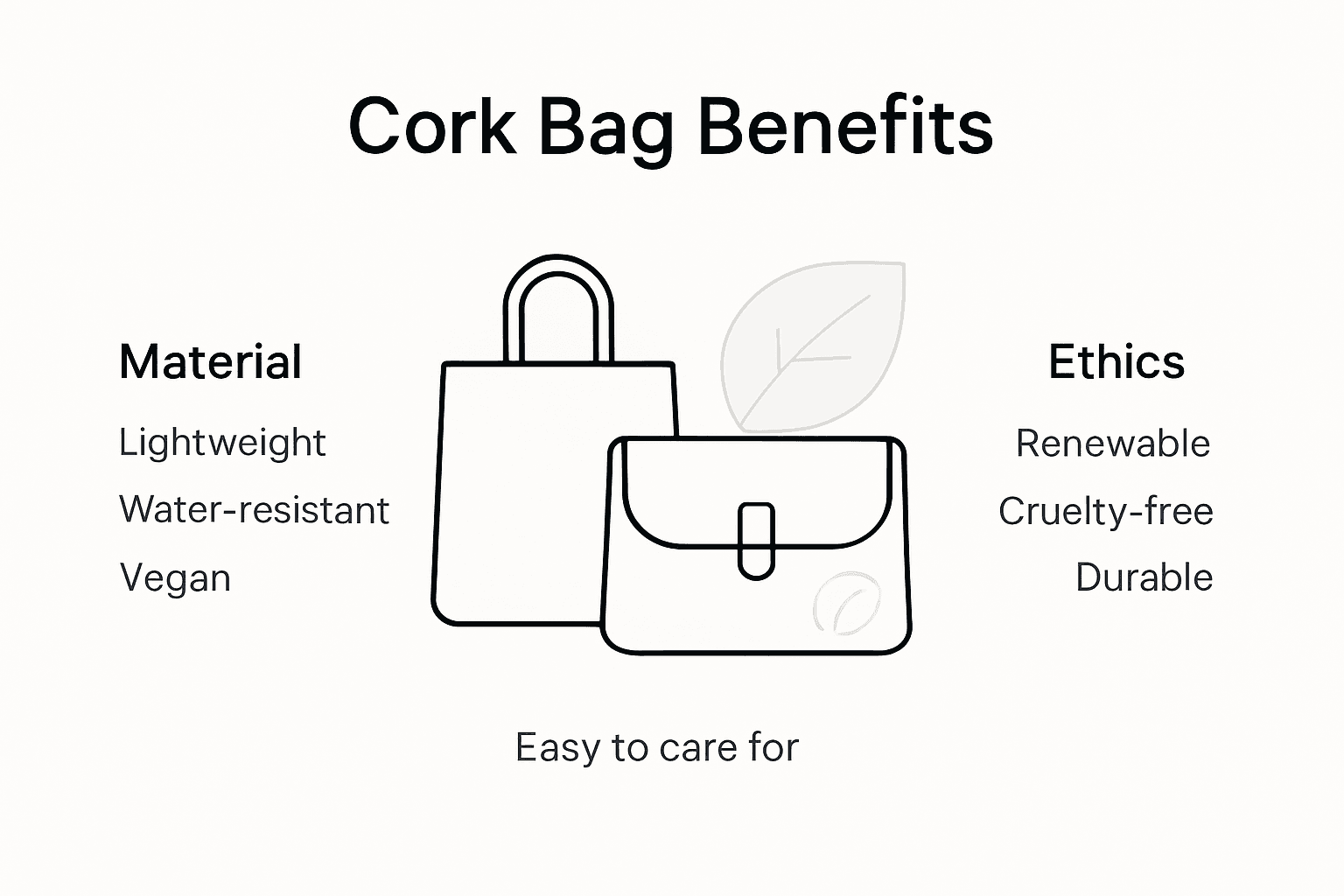
Additionally, proper care ensures your cork accessories maintain their aesthetic appeal and structural integrity over extended periods. By adopting a mindful, gentle approach to maintenance, you’re not just preserving a product but investing in a sustainable fashion statement that reflects your commitment to responsible consumption.
Pro Tip: Always test any cleaning method on a small, inconspicuous area first to ensure compatibility with your specific cork accessory.
Discover Stylish, Sustainable Cork Bags That Align With Your Values
If you are seeking an eco-friendly and cruelty-free alternative to traditional leather accessories, cork bags offer unmatched sustainability, durability, and style. As highlighted in the article, cork harvesting supports forest regeneration while providing lightweight, water-resistant, and uniquely textured bags that suit your everyday needs and ethical lifestyle.
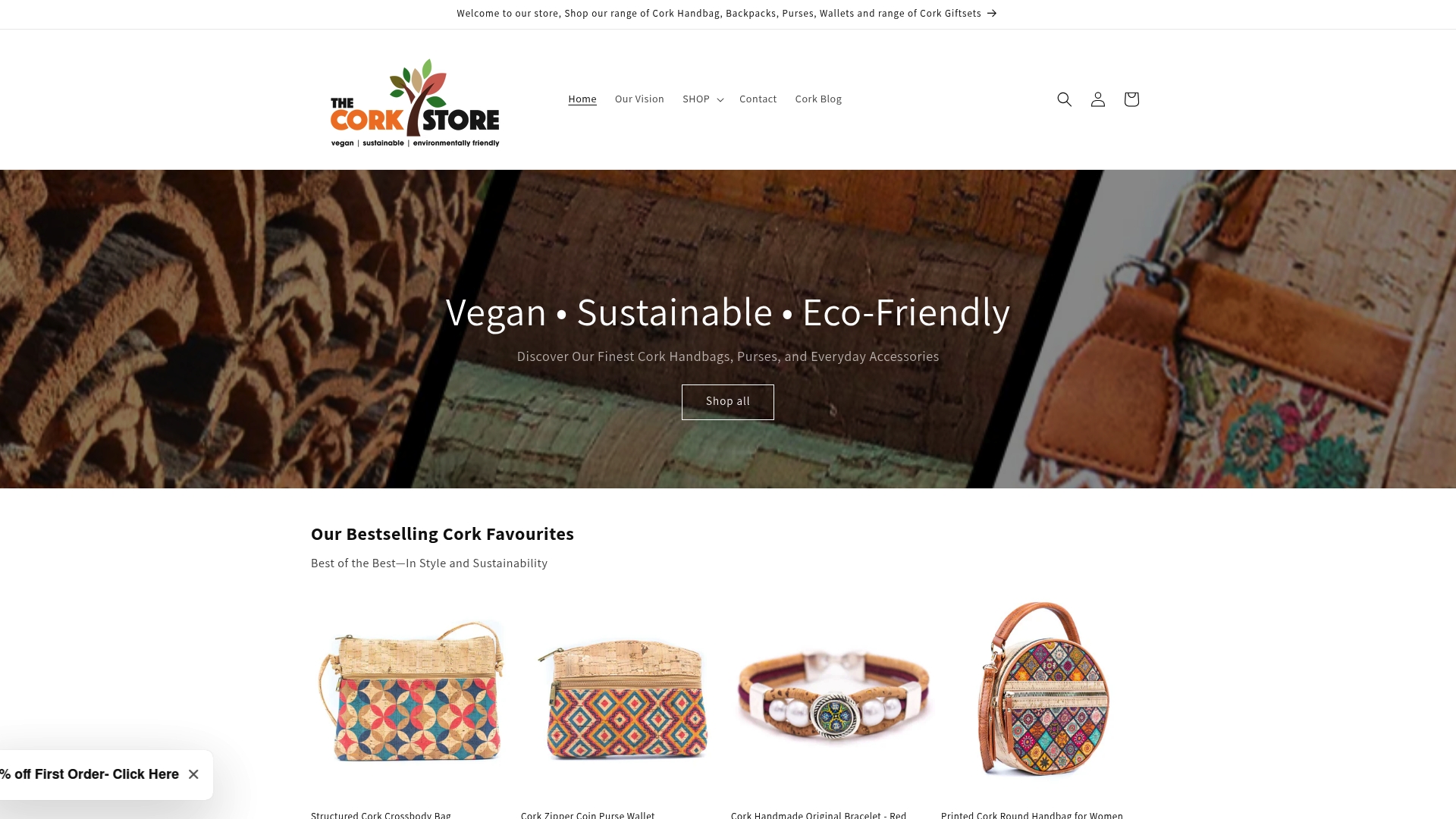
Explore our carefully curated collection at The Cork Store, where you will find a range of vegan cork handbags, backpacks, wallets, and gift sets designed to combine practical performance with responsible fashion choices. Make a powerful statement today by choosing bags that support carbon capture, animal welfare, and innovative sustainable design. Start your journey now by browsing the ethical accessories selection and experience the future of fashion – stylish, durable, and environmentally conscious.
Frequently Asked Questions
What are cork bags made from?
Cork bags are crafted from the bark of cork oak trees, offering a sustainable alternative to traditional leather accessories. The harvesting process allows the tree to regenerate without causing harm, making cork a renewable resource.
How do cork bags compare to leather bags in terms of sustainability?
Cork bags have a minimal environmental footprint as their production supports forest regeneration and biodiversity, while leather production often contributes to deforestation and requires significant animal processing and resources.
What maintenance do cork bags require?
Cork bags require minimal maintenance; they should be gently cleaned with a soft, damp cloth and can be conditioned with natural, plant-based oils. Avoid harsh chemicals to preserve the material’s integrity.
Are cork bags a viable option for everyday use?
Yes, cork bags are incredibly durable, water-resistant, and lightweight, making them suitable for everyday use. Their structural stability ensures they maintain their shape and aesthetic appeal even with frequent use.