

Vegan Leather Advantages: Style, Sustainability, Ethics
Over half of British consumers now consider ethical concerns when buying fashion, yet confusion still surrounds vegan leather. As plant-based and synthetic fabrics replace traditional animal skins, many wonder if these alternatives deliver on promises of sustainability and style. Cutting through the common myths, this discussion highlights what truly defines vegan leather, its shifting reputation, and how British shoppers can make informed choices aligned with their values.
Table of Contents
- What Defines Vegan Leather And Common Myths
- Types Of Vegan Leather And Material Differences
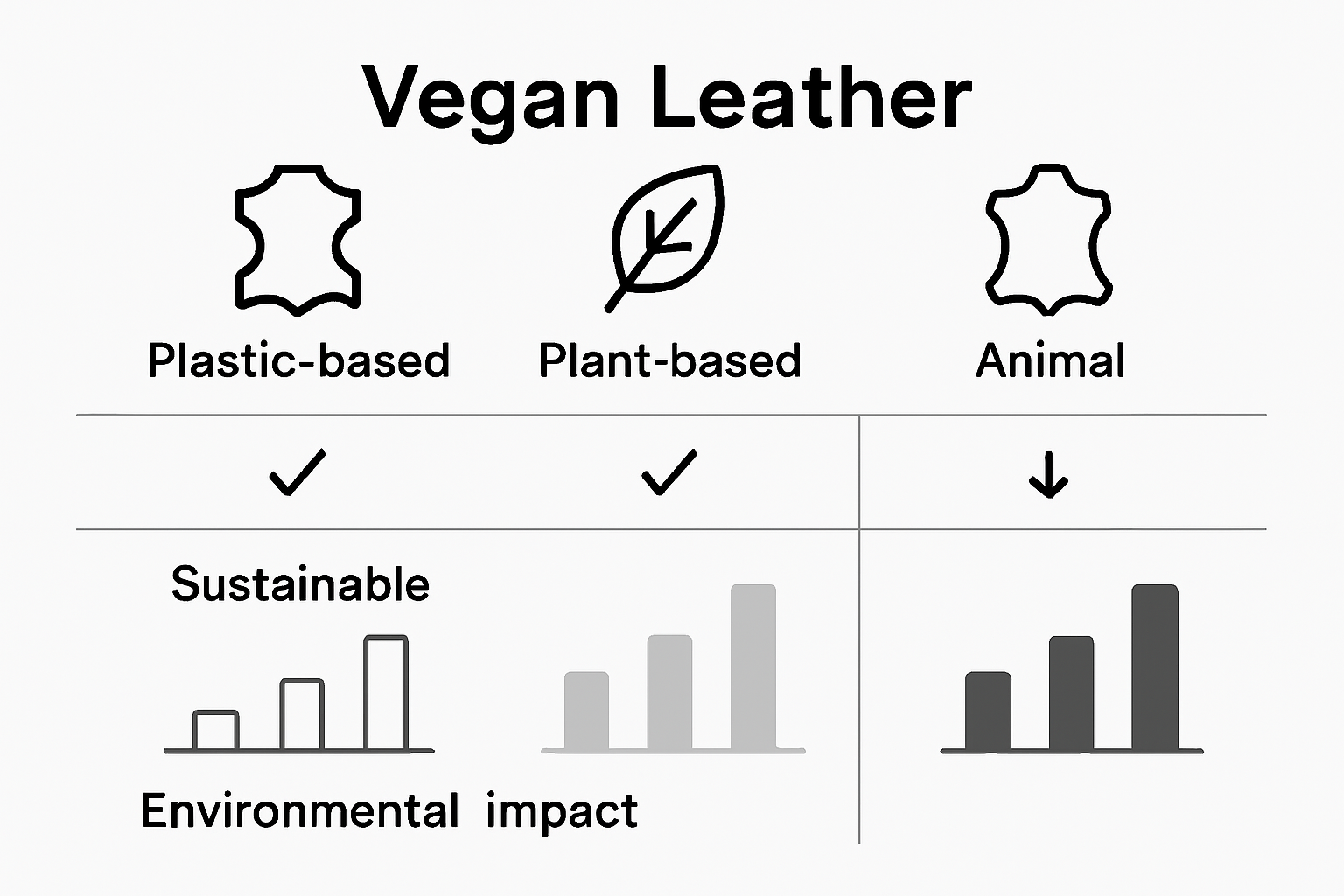
- Sustainability: Environmental Impact Of Vegan Leather
- Ethical And Animal Welfare Benefits Explained
- Durability, Style, And Performance Compared To Leather
Key Takeaways
| Point | Details |
|---|---|
| Understanding Material Composition | Vegan leather varies widely in composition, encompassing both plant-based and synthetic materials, with differing environmental impacts. |
| Debunking Myths | Not all vegan leather is sustainable, and synthetic versions can produce significant carbon emissions. |
| Ethical Considerations | Choosing vegan leather reflects a commitment to animal welfare, challenging cruel practices associated with traditional leather production. |
| Performance Variability | The durability and quality of vegan leather can differ significantly, with some plant-based options performing exceptionally well compared to traditional leather. |
What Defines Vegan Leather and Common Myths
Vegan leather represents a complex and evolving material category that challenges traditional perceptions of fashion and sustainability. At its core, vegan leather is an alternative material designed to replicate leather’s aesthetic and functional properties without using animal products. While many consumers assume vegan leather is automatically environmentally friendly, the reality is far more nuanced.
The composition of vegan leather varies dramatically, with materials ranging from plant-based alternatives like cork and pineapple leaf fibres to synthetic polymers derived from fossil fuels. Emerging research from Green America highlights that not all vegan leather options are created equal in terms of ecological impact. Some synthetic variants actually generate significant carbon emissions during production, challenging the common perception of environmental superiority.
Understanding the material’s origin is crucial for making informed choices. While traditional leather production involves animal welfare concerns, many vegan leather alternatives are manufactured using petroleum-based materials like polyurethane (PU) and polyvinyl chloride (PVC). These synthetic options, though animal-friendly, can potentially create long-term environmental challenges due to their non-biodegradable nature.
Key myths surrounding vegan leather include:
- All vegan leather is automatically sustainable
- Synthetic materials are always less environmentally damaging than animal leather
- Vegan leather performs identically to traditional leather
As conscious consumers, the critical approach is to investigate material sources, manufacturing processes, and long-term environmental implications before making purchasing decisions. The most responsible choices prioritise materials with transparent production methods and minimal ecological footprint.
Types of Vegan Leather and Material Differences
Vegan leather encompasses a diverse range of materials that offer innovative alternatives to traditional animal-based leather. Emerging research from earth.org reveals an exciting landscape of sustainable materials that challenge conventional manufacturing practices, showcasing plant-based innovations that transform agricultural waste and natural resources into sophisticated textile options.
The most compelling vegan leather alternatives include plant-derived materials with remarkable properties. Cork leather stands out as an exceptional option, offering water-resistant and lightweight characteristics. Innovative materials like Desserto demonstrate how cactus fibres can be transformed into durable leather substitutes, providing a testament to human creativity in sustainable material design. Other fascinating alternatives include:
- Pineapple leather (Piñatex): Crafted from pineapple leaf fibres
- Apple leather: Produced from apple waste and agricultural remnants
- Mushroom leather: Developed using mycelium technology
- Coconut leather: Created from coconut waste products
Each material presents unique advantages, with plant-based options typically demonstrating lower environmental impact compared to petroleum-based synthetic leathers. The key considerations include durability, water resistance, manufacturing process, and overall ecological footprint. Conscious consumers increasingly seek materials that balance aesthetic appeal with genuine sustainability, driving innovation in this rapidly evolving textile landscape.
Sustainability: Environmental Impact of Vegan Leather
Vegan leather represents a complex sustainability challenge that extends far beyond simple animal product avoidance. Comprehensive research from PETA reveals the profound environmental consequences of traditional leather production, which contributes significantly to global warming, water pollution, and widespread deforestation.
The environmental landscape of vegan leather is nuanced and multifaceted. While plant-based alternatives offer promising solutions, synthetic versions derived from petroleum-based materials present their own ecological challenges. Research from Phys.org highlights the critical importance of transparency in material sourcing, emphasising that not all vegan leather options are inherently sustainable.
Key environmental considerations for vegan leather include:
- Carbon emissions during manufacturing
- Biodegradability of materials
- Water consumption in production
- Long-term waste management
- Chemical processing requirements
Progressively minded consumers must look beyond simple marketing claims, carefully evaluating the entire lifecycle of materials. The most responsible approach involves selecting vegan leather options that prioritise renewable resources, minimise chemical interventions, and demonstrate genuine commitment to ecological preservation. Plant-based alternatives like cork, pineapple leather, and apple leather represent promising pathways towards more sustainable textile innovations.
Ethical and Animal Welfare Benefits Explained
Vegan leather represents a profound ethical statement that transcends fashion, offering a compassionate alternative to traditional leather production. Comprehensive research from PETA reveals the deeply troubling realities of animal suffering inherent in conventional leather manufacturing, where animals endure extreme conditions to produce materials for human consumption.
The ethical dimensions of vegan leather extend far beyond simple material substitution. PETA’s investigations highlight the brutal processes involved in obtaining animal skins, demonstrating that choosing vegan leather is a direct act of compassion and moral responsibility. Animals raised for leather production frequently experience:
- Extreme confinement
- Painful handling procedures
- Premature death
- Separation from natural habitats
- Systemic exploitation
By selecting vegan leather, consumers make a powerful statement against animal cruelty. These alternatives not only prevent direct animal suffering but also challenge industrial practices that treat sentient beings as mere commodities. Ultimately, vegan leather represents more than a fashion choice – it’s a conscious decision to prioritise empathy, respect, and ethical consumption in a world that desperately needs more compassionate approaches.
Durability, Style, and Performance Compared to Leather
Vegan leather represents a dynamic alternative to traditional leather, offering unique performance characteristics that challenge conventional expectations. Research from Leather Naturally highlights the nuanced differences between synthetic and animal-derived materials, revealing that while vegan leather can effectively mimic aesthetic qualities, its durability often varies significantly.

The performance landscape of vegan leather is remarkably diverse. Different materials demonstrate distinct strengths and limitations, with plant-based alternatives like cork and pineapple leather showing impressive resilience. Comprehensive analysis from Earth.org suggests that modern vegan leathers have substantially improved in quality, narrowing the performance gap with traditional leather.
Key performance comparisons include:
- Water resistance
- Flexibility and texture
- Longevity under regular use
- Weight and breathability
- Maintenance requirements
Discerning consumers increasingly recognise that vegan leather is not a compromise but an innovative alternative. While traditional leather remains renowned for its durability, emerging vegan materials are rapidly evolving, offering stylish, functional, and ethically responsible options that meet increasingly sophisticated aesthetic and practical demands.
Discover Stylish and Sustainable Vegan Leather Alternatives with Cork
The journey to embracing truly ethical and environmentally friendly vegan leather can feel overwhelming given the many options and hidden challenges in production and sustainability. If you value durability, animal welfare, and want to avoid synthetic, petroleum-based materials, cork stands out as a remarkable choice. Its natural water resistance, lightweight feel and impressive longevity make it a perfect alternative to traditional leather and synthetic vegan leathers that may not always live up to their eco-friendly claims.
Explore the exclusive collection at The Cork Store to find exquisitely crafted handbags, wallets, backpacks and gift sets that exemplify style with conscience. Each product supports a cruelty-free lifestyle while reducing your environmental footprint. Take the next step in sustainable fashion and shop now to experience genuine, stylish vegan leather alternatives and support innovation that honours both planet and animal welfare.
Frequently Asked Questions
What are the main advantages of vegan leather?
Vegan leather offers multiple advantages, including ethical considerations by avoiding animal cruelty, sustainability due to its potential for using renewable resources, and a diverse range of stylish options that can mimic traditional leather aesthetics.
How does vegan leather perform compared to traditional leather?
Vegan leather can effectively mimic the aesthetics of traditional leather, but its performance varies depending on the material. Some plant-based alternatives may offer impressive durability and water resistance, while synthetic variants may have limitations in longevity and breathability.
Is all vegan leather environmentally friendly?
Not all vegan leather is environmentally friendly. While some options like cork and pineapple leather have lower ecological footprints, many synthetic versions are derived from petroleum-based materials and can contribute to significant carbon emissions and waste issues.
What ethical benefits does vegan leather provide?
Choosing vegan leather supports ethical consumption by preventing animal suffering, addressing the exploitation often associated with animal-based leather production, and promoting a compassionate approach to fashion and textile sourcing.
Recommended
- Understanding Vegan Leather Alternatives for Eco-Friendly Fashion – The Cork Store
- What is Vegan Leather? Understanding Its Impact – The Cork Store
- What Are Vegan Accessories? Complete Sustainable Guide – The Cork Store
- Understanding Why Buy Vegan Bags for Sustainable Fashion – The Cork Store
- The Ethical Edit: 5 Vegan & Cruelty-Free Dupe Brands in the UK