
Benefits of Cork Products: Sustainable, Stylish Choice
Most british millennials and Gen Z care about both style and sustainability, yet true eco-friendly fashion can be harder to find than expected. Over 80 percent of consumers in the UK want products that reflect their environmental and ethical values. Cork stands out for those seeking vegan accessories that avoid animal products and support responsible sourcing. This guide reveals the facts behind cork material, debunks myths, and shows how it powers ethical style choices while protecting the planet.
Table of Contents
- Cork Material Explained and Common Myths
- Types of Cork Products and Key Properties
- Sustainability and Environmental Advantages
- Durability, Functionality and Everyday Use
- Comparing Cork with Leather and Synthetics
- Vegan Fashion, Ethics and Consumer Appeal
Key Takeaways
| Point | Details |
|---|---|
| Sustainable Resource | Cork is harvested without harming trees, supporting biodiversity and forest ecosystems. |
| Versatile Applications | Cork’s unique properties make it suitable for a variety of products, from fashion to construction materials. |
| Environmental Benefits | It serves as a renewable resource, contributing to carbon sequestration and waste minimisation. |
| Vegan Fashion Appeal | Cork offers a stylish, cruelty-free alternative in the growing vegan fashion sector, aligning with consumer ethics. |
Cork Material Explained and Common Myths
Cork is a remarkable natural material harvested from the bark of cork oak trees, primarily found in southwest Europe and northwest Africa. Unlike traditional materials, cork possesses extraordinary properties that make it unique in the world of sustainable textiles and accessories. Sustainable cork harvesting practices) allow trees to regenerate their bark every 9 to 12 years without causing permanent damage, making it an environmentally responsible resource.
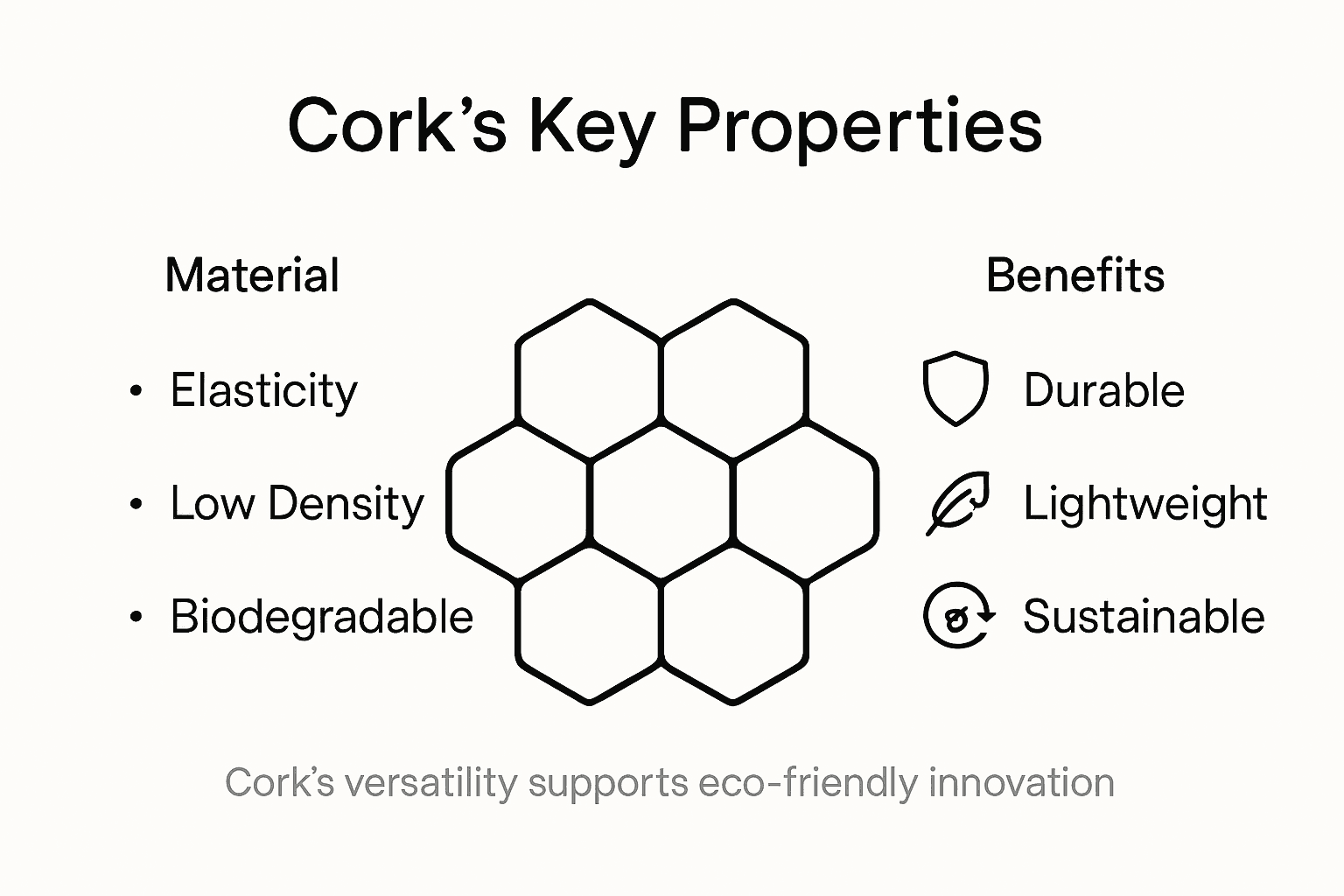
The cellular structure of cork is what gives it its exceptional characteristics. Composed largely of suberin and lignin, cork cells feature a distinctive honeycomb-like arrangement filled with air pockets, which contribute to its remarkable properties. These microscopic chambers create a material that is simultaneously lightweight, elastic, impermeable to liquids and gases, and naturally fire retardant. This unique composition explains why cork has been used historically for everything from wine bottle stoppers to innovative fashion accessories.
Many people harbour misconceptions about cork production and sustainability. Contrary to popular belief, cork harvesting does not harm trees, but actually supports forest ecosystems. Each time bark is carefully removed, the tree continues to grow and regenerate, creating a sustainable cycle that supports biodiversity and provides economic opportunities for local communities. The cork oak forests play a crucial role in environmental conservation, helping to prevent soil erosion and supporting complex ecological systems.
Pro tip: When selecting cork products, look for certifications that guarantee sustainable harvesting practices and support responsible forestry management.
Types of Cork Products and Key Properties
Cork’s remarkable versatility has led to an impressive range of products that showcase its unique material properties. Cork’s technological capabilities span multiple industries, with products ranging from natural cork stoppers to advanced composite materials. The primary categories include natural cork, agglomerated cork, and expanded cork materials, each offering distinct advantages for different applications.
Natural cork remains prized for its exceptional compressibility and elasticity, making it ideal for traditional uses like wine bottle stoppers and high-end accessories. Agglomerated cork products, created by binding cork granules together, have become increasingly popular in home and industrial applications. These materials excel in flooring, insulation, and acoustic treatments, leveraging cork’s inherent thermal and sound-dampening properties. Composite cork materials have emerged as a cutting-edge solution in engineering, utilising cork’s lightweight and resilient characteristics to create innovative products across fashion, construction, and design industries.
To better understand the unique applications of cork, here is a summary of the main types of cork products and their core uses:
| Product Type | Main Applications | Distinct Advantages |
|---|---|---|
| Natural cork | Wine stoppers, accessories | Superior elasticity and imbues luxury |
| Agglomerated cork | Flooring, insulation | Enhanced stability and cost-effectiveness |
| Composite cork | Fashion, engineering | Lightweight and customisable features |
The key properties that make cork so extraordinary include its incredibly low density, remarkable elasticity, and natural impermeability to liquids and gases. Unlike synthetic materials, cork offers a unique combination of thermal and acoustic insulation, making it an environmentally friendly alternative in multiple sectors. Its cellular structure, composed of suberin, lignin, cellulose, and tannins, provides exceptional performance characteristics that synthetic materials struggle to replicate. From sustainable fashion accessories to high-performance building materials, cork continues to prove its versatility and environmental credentials.
Pro tip: When exploring cork products, examine the manufacturing process and certifications to ensure you’re selecting the most sustainably produced option.
Sustainability and Environmental Advantages
Cork represents a pinnacle of sustainable material innovation, offering extraordinary environmental benefits that extend far beyond traditional textile and manufacturing practices. Renewable harvesting techniques ensure that cork oak forests remain healthy and productive, actively contributing to ecosystem preservation and carbon sequestration. Unlike synthetic materials that deplete natural resources, cork provides a regenerative solution that supports biodiversity and prevents environmental degradation.
The ecological impact of cork is profound and multifaceted. Cork oak forests play a critical role in environmental conservation, acting as natural carbon sinks and soil stabilisation systems. Sustainable architecture practices increasingly recognise cork’s potential for reducing energy consumption through its exceptional thermal and acoustic insulation properties. The material’s unique cellular structure enables it to provide natural temperature regulation and sound dampening, which can significantly lower building energy requirements and reduce overall carbon emissions.
Moreover, cork’s environmental credentials extend to its complete lifecycle. The material is fully biodegradable and recyclable, creating a circular economy model that minimises waste and environmental impact. Cork products can be repurposed, recycled, or naturally decomposed without releasing harmful toxins, making them an ideal choice for environmentally conscious consumers seeking to reduce their ecological footprint. From fashion accessories to construction materials, cork demonstrates how sustainable design can be both aesthetically pleasing and environmentally responsible.
Pro tip: When purchasing cork products, prioritise items from suppliers who can demonstrate transparent, sustainable harvesting and production practices.
Durability, Functionality and Everyday Use
Cork’s exceptional durability makes it a standout material for everyday accessories and practical applications. Longitudinal studies on user experiences reveal that cork products maintain their performance and aesthetic quality remarkably well over time. Unlike synthetic materials that quickly degrade, cork develops a unique patina that many users find appealing, similar to the way leather ages gracefully. This natural aging process actually enhances the material’s character, making each cork item increasingly distinctive with extended use.
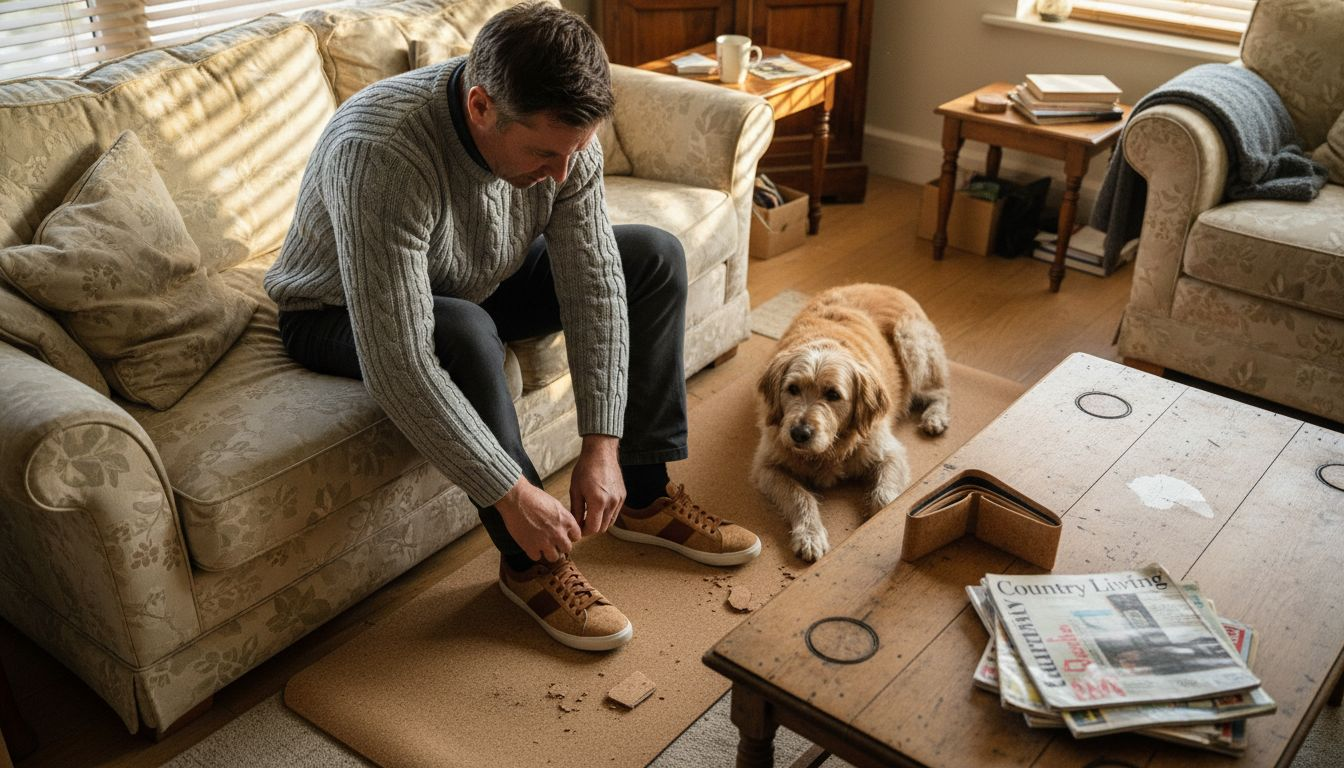
The material’s remarkable viscoelastic properties enable it to withstand significant daily wear and environmental challenges. Cork’s structural integrity allows it to resist deformation while providing exceptional insulation and sound-dampening qualities. Its natural resistance to decay, pests, and environmental exposure makes cork particularly suitable for accessories and household items that require long-term durability. From wallets and bags to home decor elements, cork demonstrates an extraordinary ability to maintain functionality across diverse contexts, proving itself as a reliable alternative to traditional materials.
Furthermore, cork’s versatility extends beyond mere durability. Its unique cellular structure enables it to adapt to various environmental conditions while retaining its core performance characteristics. Users consistently report satisfaction with cork products, appreciating how the material combines practical functionality with aesthetic appeal. Whether used in fashion accessories, technological applications, or architectural elements, cork offers a compelling blend of resilience, sustainability, and style that sets it apart from conventional materials.
Pro tip: Rotate and alternate the use of your cork accessories to ensure even wear and maximise their longevity.
Comparing Cork with Leather and Synthetics
Comparative material studies reveal fascinating insights into the evolving landscape of sustainable textile alternatives. Traditional leather remains technically superior in mechanical performance, with its multilayered structure providing exceptional durability. However, cork-based materials are rapidly emerging as a compelling alternative, offering unique advantages that challenge conventional material assumptions, particularly for environmentally conscious consumers.
The key differences between cork, leather, and synthetic materials become strikingly apparent when examining their fundamental characteristics. While leather boasts unparalleled strength and longevity, cork presents remarkable benefits in weight, environmental impact, and complete biodegradability. Synthetic materials, by contrast, often fall short in sustainability credentials, lacking the natural resilience and ecological advantages of cork. Innovative fabric alternatives are particularly attractive to niche markets prioritising ethical and environmental considerations.
Interestingly, the ongoing research into cork-based materials suggests a promising future. Manufacturers and designers are continuously improving cork’s mechanical properties, addressing current limitations in strength and durability. This means consumers can increasingly expect cork products that not only match traditional materials in performance but also significantly surpass them in sustainability and ethical production. The material represents a perfect convergence of technological innovation and environmental responsibility, offering a genuine alternative to both leather and synthetic fabrics.
For a quick insight into how cork compares with leather and synthetics, see the table below:
| Feature | Cork | Leather | Synthetics |
|---|---|---|---|
| Environmental Impact | Renewable, low carbon | High resource use | Non-renewable, polluting |
| Durability | Ages gracefully, resists decay | Extremely long-lasting | Prone to cracking, degrades fast |
| Biodegradability | Fully biodegradable | Partially biodegradable | Rarely biodegradable |
| Weight | Very lightweight | Typically heavy | Depends on polymer type |
Pro tip: When comparing cork products, examine the specific manufacturing process and look for certifications that validate both performance and sustainability standards.
Vegan Fashion, Ethics and Consumer Appeal
Vegan fashion represents a profound transformation in consumer consciousness, challenging traditional fashion paradigms by prioritising animal welfare, environmental sustainability, and ethical production. This movement goes far beyond mere clothing choices, emerging as a powerful statement of personal values and lifestyle commitment. Cork has become a quintessential material in this ethical fashion revolution, offering consumers a cruelty-free alternative that does not compromise on style or quality.
Consumer appeal in vegan fashion stems from a complex interplay of motivations, ranging from deep ecological concerns to personal identity expression. Ethical consumers are increasingly sophisticated, demanding transparency in production processes and genuine sustainability credentials. Cork products perfectly embody these values, providing a material that is not only animal-friendly but also environmentally responsible. The material’s unique properties allow fashion brands to create accessories that are simultaneously stylish, functional, and aligned with progressive ethical standards.
Moreover, the vegan fashion movement represents more than a trend—it’s a fundamental reimagining of consumption practices. By choosing materials like cork, consumers actively participate in a broader narrative of compassion and environmental stewardship. Each purchase becomes an opportunity to support innovative, sustainable practices that challenge traditional industrial approaches. The growing market for vegan accessories demonstrates a collective shift towards more mindful, conscientious consumption, where style and ethics are no longer mutually exclusive but intrinsically connected.
Pro tip: Research the specific sustainability practices of brands to ensure your vegan fashion choices truly align with comprehensive ethical standards.
Discover Sustainable Style with Cork Accessories
If you are seeking a cruelty-free, eco-conscious alternative to leather that does not sacrifice style or durability cork products offer a compelling solution. As highlighted in the article, cork’s remarkable elasticity, biodegradability, and renewable harvesting make it an ideal choice for environmentally aware consumers who want accessories that age gracefully and support biodiversity. At The Cork Store, you can explore a curated range of vegan cork handbags, wallets, backpacks, and gift sets designed to meet these exact needs with elegance and functionality.
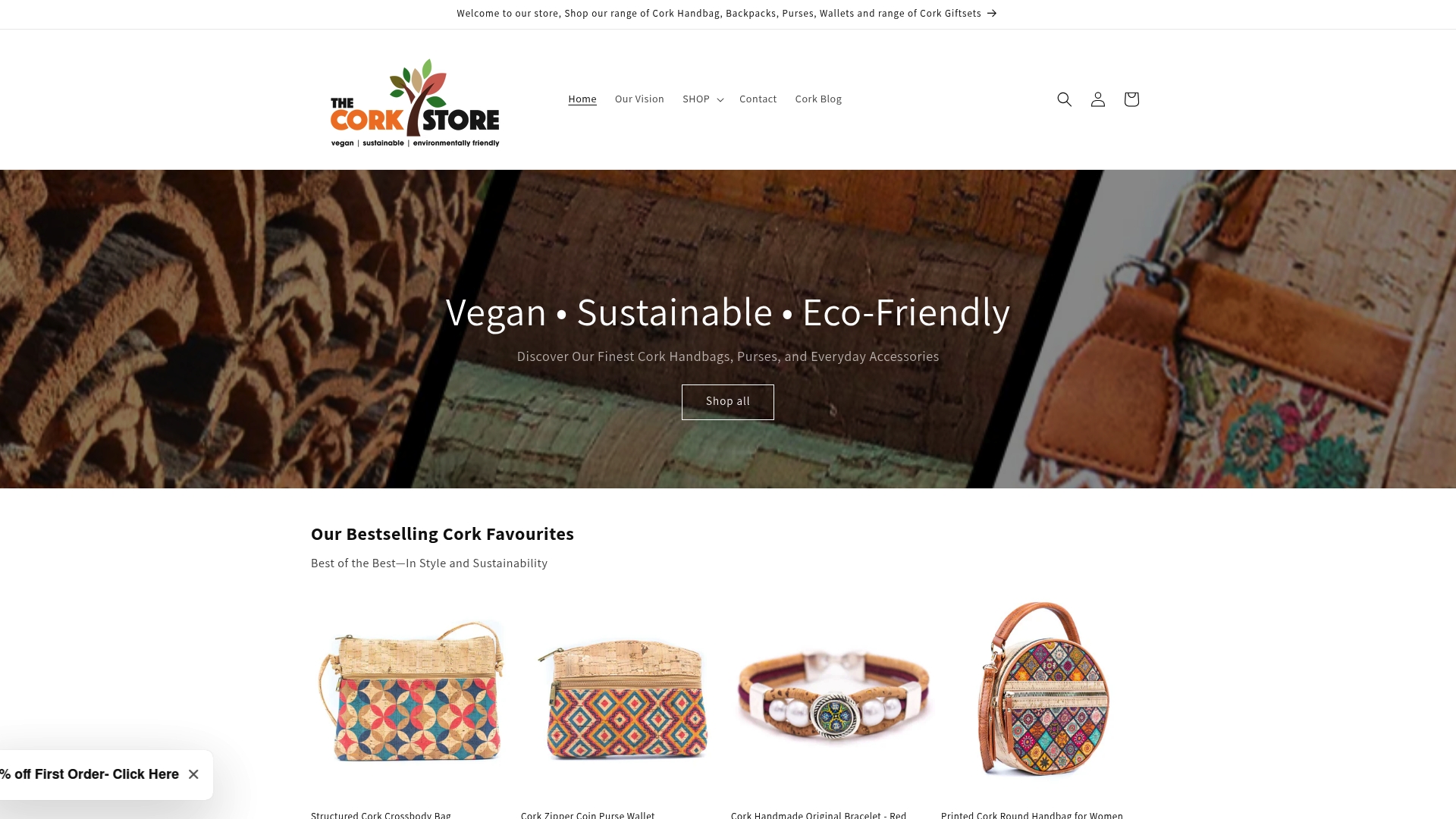
Step into a world where sustainability meets style by browsing our collection today. Each product reflects responsible production practices and the unique charm of cork as a material. Make a conscious choice for the planet and your wardrobe now by visiting The Cork Store and embrace the benefits of cork products as detailed in the article. Explore how our eco-friendly accessories support your ethical values while enhancing your everyday look.
Frequently Asked Questions
What are the key benefits of using cork products?
Cork products offer numerous advantages, including sustainability due to renewable harvesting practices, excellent durability, natural insulation properties, and complete biodegradability, making them an environmentally friendly choice.
How does cork compare with leather and synthetic materials?
Cork is a renewable material with low environmental impact, while leather typically has a high resource use and synthetic materials are often non-renewable and polluting. Cork also offers benefits in weight and biodegradability, making it a compelling alternative.
Are cork products suitable for everyday use?
Yes, cork products are highly suitable for everyday use. Their durable and viscoelastic properties allow them to withstand daily wear while retaining their aesthetic appeal, making them ideal for a variety of accessories and household items.
What types of cork products are available and what are their uses?
Cork products come in several types, including natural cork (used for wine stoppers and luxury accessories), agglomerated cork (commonly used in flooring and insulation), and composite cork (used in fashion and engineering), each with specialized advantages.
Recommended
- Why Choose Cork Gifts: The Complete Guide – The Cork Store
- Understanding Why is Cork Sustainable for Our Planet – The Cork Store
- 7 Unique Ideas for Cork Gifts Everyone Will Love – The Cork Store
- Why Choose Cork Accessories: Sustainable Style Explained – The Cork Store
- 7 Examples of Sustainable Textiles for Creative Projects - fabric fabric