

Best eco wallets 2025: your complete buying guide
TL;DR:
- Choosing a sustainable wallet requires careful scrutiny of materials and certifications to avoid greenwashing. Cork, recycled nylon, and rPET are among the most credible eco-friendly options, with cork standing out for its renewability and biodegradability, while certifications like GRS and OEKO-TEX provide validation. Durability and transparency are key factors to ensure your wallet’s environmental impact aligns with your values.
Choosing a sustainable wallet sounds straightforward until you actually start looking. The best eco wallets 2025 has to offer span cork, recycled PET, biosourced leathers, and plant-based synthetics — and each comes with its own marketing claims, certification logos, and caveats. Greenwashing is rife in this category. A wallet can carry a bold “eco” label on its packaging while containing layers of virgin plastic inside. This guide cuts through the noise by covering what certifications actually mean, which materials genuinely hold up, and which wallet types deserve a place in your pocket this year.
Table of Contents
- Key takeaways
- How to evaluate the best eco wallets 2025
- 1. Natural cork wallets
- 2. Recycled PET (rPET) wallets
- 3. Cactus leather wallets
- 4. Apple leather wallets
- 5. Recycled nylon wallets
- 6. Vegan leather wallets (PU and biosourced blends)
- 7. Upcycled and reclaimed material wallets
- Comparison of top eco wallet types
- How to choose the right eco wallet for your needs
- My honest take on eco wallets in 2025
- Find your ideal eco wallet at Thecorkstore
- FAQ
Key takeaways
| Point | Details |
|---|---|
| Certifications have limits | GRS and OEKO-TEX are useful signals, but neither alone confirms a wallet is fully sustainable. |
| Material composition matters | Check inner layers, adhesives, and linings — not just the outer surface — before buying. |
| Cork is a standout material | Renewable, biodegradable, and naturally vegan, cork offers one of the most complete eco profiles available. |
| Greenwashing is common | “Bio-based” does not mean plastic-free; scrutinise full material stacks before trusting claims. |
| Price reflects transparency | Wallets from brands with clear supply chains and third-party certifications tend to cost a little more, but for good reason. |
How to evaluate the best eco wallets 2025
Before you compare specific styles, you need a reliable framework. The term “eco wallet” is a marketing description, not an industry standard. The recognised categories that professionals and certifiers use are sustainable accessories, recycled-content goods, and biodegradable products. Knowing where a wallet sits within those categories tells you far more than a green label ever will.
Start with these criteria:
- Recycled content: Does the wallet contain verified recycled materials? GRS certification requires a minimum of 20% recycled content for certification, but a product can only display the GRS logo on consumer-facing packaging when it reaches 50% recycled content. That gap matters enormously.
- Chain of custody: Scope certificates only confirm a factory is capable of using recycled materials. Transaction certificates are the only documents that verify recycled content in a specific batch. Ask brands if they can provide these.
- Chemical safety: OEKO-TEX Standard 100 tests finished products for harmful substances. It does not confirm a product is organic or ecologically produced. It is a safety certificate, not a full sustainability certificate.
- Biodegradability: Can the wallet break down at end of life without leaving harmful residues?
- Vegan status: Does it avoid animal-derived materials entirely?
Pro Tip: You can verify any OEKO-TEX claim directly on the OEKO-TEX website using the certificate number provided by the brand. If a brand cannot supply one, treat that claim with scepticism.
Checking the full material composition of a wallet — including adhesives, linings, and internal layers — is the single most important step you can take before purchasing.
1. Natural cork wallets
Cork is arguably the strongest all-round performer among eco-friendly wallet options today. It is harvested by stripping bark from cork oak trees, which regrow their bark and continue absorbing carbon throughout their lives. No tree is felled. The material is renewable and biodegradable, naturally water-resistant, and completely vegan.
Cork wallets tend to be slim, lightweight, and surprisingly durable. The texture improves with use and the material does not crack the way synthetic leathers often do after a year or two. From a sustainability standpoint, cork sits in a category of its own because it scores well on renewability, biodegradability, and animal welfare simultaneously.
Thecorkstore specialises in cork accessories and offers a well-considered range of cork wallets with clear material sourcing. If you want one material that ticks the most boxes with the least compromise, start here. You can explore why eco wallets matter and why cork features so prominently in sustainable fashion.
2. Recycled PET (rPET) wallets
Recycled PET wallets are made from post-consumer plastic bottles processed into textile fibres. They are a practical example of circular economy thinking. A wallet certified under GRS (Global Recycled Standard) using rPET keeps plastic out of landfill and reduces the demand for virgin polyester production.
The catch is that rPET is still plastic. It will not biodegrade, and it can shed microfibres during washing if the wallet has textile elements. Look for wallets where the GRS certification covers the full product, not just one component. The environmental gains from GRS materials depend on the entire production chain, including chemical restrictions and traceability. A wallet with a single GRS-certified panel and uncertified linings is not the same as a fully GRS-verified product.
rPET wallets are often among the more affordable eco wallets in 2025, making them a reasonable entry point for buyers on a tighter budget.
3. Cactus leather wallets
Cactus leather has attracted considerable attention as a “natural” alternative to conventional leather. It uses the fibrous pulp of nopal cacti combined with other materials to create a surface that resembles animal leather.
The problem is that most cactus leather products are not made from cactus alone. As WIRED has documented, wallets made with cactus leather frequently incorporate plastic layers within the material stack, which significantly reduces their eco credentials despite the bio-based marketing. Consumers often assume “bio-based” means plastic-free. It rarely does with cactus leather at its current stage of development.
If you are drawn to cactus leather for its aesthetics, ask the brand for the full material breakdown before buying. A wallet that is 30% cactus fibre and 70% polyurethane is a very different product from how it is typically presented.
4. Apple leather wallets
Apple leather is produced using waste apple pulp from the juice and food processing industries. It follows a similar logic to cactus leather: diverting agricultural waste into a usable textile. The material has good surface qualities and a pleasant, natural look.

Again, the full material stack is your primary concern. Most apple leather products include a fabric backing made from polyester or cotton, plus a polyurethane coating. The apple content is typically 50% or less of the total material. That is not a dealbreaker, but it does mean the wallet is better described as partly bio-based than fully natural. Brands that are transparent about this breakdown earn considerably more trust than those who simply badge it “apple leather” and leave you to assume the rest.
5. Recycled nylon wallets
Recycled nylon, often sourced from fishing nets and industrial waste under trade names like Econyl, is another credible recycled-content option. Like rPET, it does not biodegrade, but it gives problematic waste materials a useful second life.
Recycled nylon wallets are exceptionally durable. They tend to be water-resistant, slim, and long-lasting. For buyers who prioritise longevity as part of their sustainability approach — since a wallet that lasts ten years has a far lower environmental footprint than one replaced every two — recycled nylon is a strong contender among top green wallets.
Check whether the recycled nylon carries a valid GRS transaction certificate rather than a scope certificate alone, particularly for higher-priced items.
6. Vegan leather wallets (PU and biosourced blends)
Vegan leather is a broad term covering everything from petrochemical-based polyurethane to biosourced blends incorporating plant fibres. Not all vegan leathers are created equal from an environmental perspective, even if they all avoid animal products.
Conventional PU vegan leather avoids the animal welfare concerns of traditional leather but is still a plastic product with a non-trivial carbon footprint. Biosourced blends improve on this by incorporating plant materials, though as noted with cactus and apple leather, the actual bio-based content varies widely. The best vegan wallet options pair vegan credentials with transparent material sourcing and third-party certification.
Look for OEKO-TEX Standard 100 certification on vegan leather wallets. It will not confirm full sustainability but it does confirm the finished product is free from harmful substances above established thresholds — an important baseline for anything sitting in your pocket every day.
7. Upcycled and reclaimed material wallets
Some of the most genuinely circular wallets on the market are made from upcycled materials: reclaimed leather offcuts, deadstock fabrics, repurposed seatbelts, or salvaged canvas. These products avoid new raw material extraction almost entirely.
The downside is scale and consistency. Upcycled wallets are typically produced in small batches, which can mean limited availability and higher price points. They are also harder to certify under standard frameworks because the material inputs change from batch to batch. If you find a brand working with upcycled materials that is transparent about sourcing, that transparency itself is a strong indicator of genuine commitment to sustainability.
Comparison of top eco wallet types
| Wallet type | Primary material | Key certification | Biodegradable | Vegan | Price range |
|---|---|---|---|---|---|
| Cork | Renewable cork bark | Often independently verified | Yes | Yes | £20 to £60 |
| Recycled PET | Post-consumer plastic bottles | GRS | No | Yes | £15 to £45 |
| Cactus leather | Cactus fibre + plastic layers | Varies | Partial | Yes | £30 to £80 |
| Apple leather | Apple waste + PU/polyester | Varies | Partial | Yes | £30 to £75 |
| Recycled nylon | Fishing nets/industrial waste | GRS (Econyl) | No | Yes | £25 to £70 |
| Vegan PU leather | Biosourced or synthetic PU | OEKO-TEX | No | Yes | £20 to £60 |
| Upcycled materials | Reclaimed mixed materials | Brand-specific | Varies | Varies | £25 to £90 |
When reading this table, pay close attention to the biodegradability and certification columns together. A wallet that is vegan but neither biodegradable nor certified tells you very little about its true environmental impact.
How to choose the right eco wallet for your needs
Knowing the options is only half the job. Applying that knowledge to your specific situation is what actually leads to a purchase you will not regret.
Consider how you use a wallet. If it lives in your back pocket and gets heavy daily use, durability is an environmental factor in itself. A cork or recycled nylon wallet that lasts five or more years will have a smaller footprint than a trendier material that degrades in eighteen months. You can find practical guidance on choosing eco-friendly wallets to help match your usage habits to the right material.
Prioritise the sustainability criteria that matter most to you. Biodegradability, recycled content, and vegan status are not the same thing. A wallet can score well on two and poorly on one. Decide which matters most before you shop.
- For biodegradability: cork and fully natural upcycled materials are your best options.
- For recycled content: rPET and recycled nylon with GRS transaction certificates lead the field.
- For vegan and ethical production: cork, rPET, and certified vegan leather all qualify.
Spot greenwashing before it spots you. Watch for brands that use terms like “eco-conscious” or “responsible” without backing them up with specific certifications or material disclosures. Legitimate sustainable brands publish full material composition, name their certifications with certificate numbers, and are willing to answer direct questions.
Pro Tip: Before purchasing, search the brand name alongside the certification they claim (e.g. “GRS” or “OEKO-TEX”) on the certifier’s official website. If the certificate does not appear or has expired, that is a red flag worth taking seriously.
My honest take on eco wallets in 2025
I have spent a fair amount of time looking at what brands actually deliver versus what they claim, and the gap is still wider than it should be in 2025.
The thing that frustrates me most is the single-material headline. A brand puts “made with cactus” or “crafted from apple” on the front and buries the polyurethane content in the small print. That is not transparency. It is theatre. And multi-material products like these require far more scrutiny than their marketing suggests.
What I have come to trust is materials that have a long, documented track record. Cork has been used in sustainable accessories for decades. Its credentials are not a trend. They are measurable and consistent in a way that newer bio-based materials simply are not yet.
I also think consumers underestimate durability as a sustainability metric. Buying a wallet that lasts a decade is more impactful than replacing a “fully eco” one every couple of years. Style matters too, of course — you will not carry a wallet you do not like. But the most sustainable choice is the one you actually keep using.
The sustainable fashion industry is making real progress, but it still rewards confident-sounding claims over rigorous transparency. The more you know about GRS thresholds, OEKO-TEX scope, and material stacks, the harder it is to be misled. That knowledge is genuinely worth having.
— Aaron
Find your ideal eco wallet at Thecorkstore
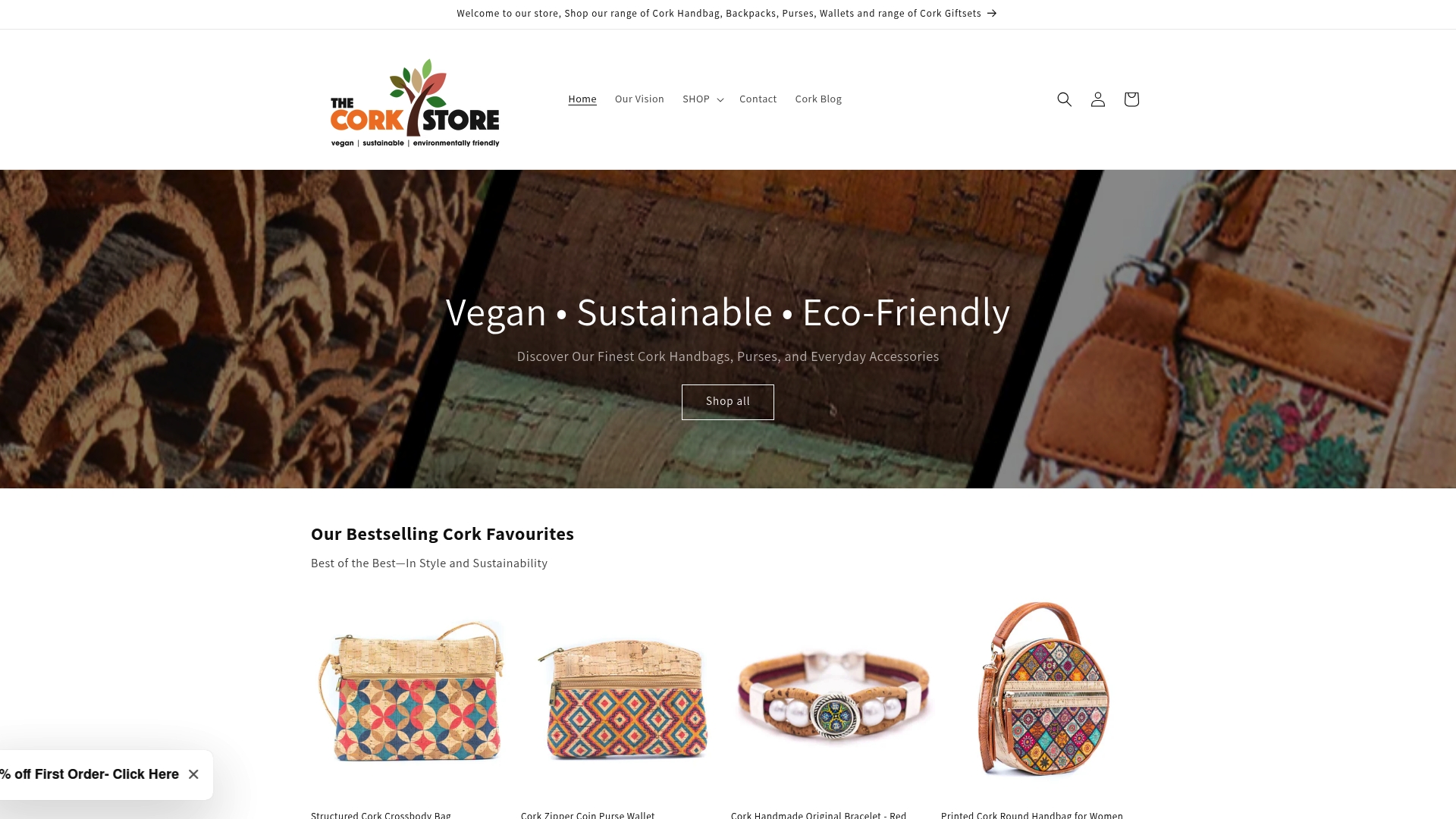
If you have read this far, you know exactly what to look for. Thecorkstore makes that search considerably easier. Their range of cork wallets and sustainable accessories is built around one of the most genuinely eco-friendly materials available, with clear provenance and no hidden plastic layers to worry about. Every product is cruelty-free, vegan, and crafted from renewable cork bark harvested without felling trees. Whether you are shopping for yourself or looking for a considered gift, their cork gift collection brings together stylish vegan wallets and accessories that hold up under scrutiny — not just under good lighting. Explore the full range and see what transparent, certified eco-conscious shopping actually looks like.
FAQ
What makes a wallet genuinely eco-friendly?
A genuinely eco-friendly wallet uses materials with verified renewable, recycled, or biodegradable properties, and is backed by third-party certifications such as GRS or OEKO-TEX Standard 100. Checking the full material composition, including linings and adhesives, is equally important.
Is cork better than vegan leather for wallets?
Cork is widely considered one of the strongest eco materials for wallets because it is renewable, biodegradable, naturally vegan, and durable. Many vegan leathers contain plastic components that limit their environmental credentials, making cork a more complete option for most buyers.
What does GRS certification actually mean?
GRS (Global Recycled Standard) certification confirms that a product contains verified recycled content, with a minimum threshold of 20% for certification and 50% to display the logo. Transaction certificates, not scope certificates alone, are needed to confirm recycled content in a specific product batch.
How do I spot greenwashing in eco wallets?
Look for brands that name specific certifications with verifiable certificate numbers rather than using vague terms like “eco-conscious” or “responsible”. Cactus leather and apple leather wallets, in particular, sometimes contain significant plastic content despite bio-based marketing claims.
Are affordable eco wallets worth buying?
Yes, particularly rPET and recycled nylon options, which can offer genuine recycled-content credentials at accessible price points. Prioritise those with GRS transaction certificates and, where possible, OEKO-TEX Standard 100 certification for the finished product.