

Complete Guide to the Cork Production Process
Did you know that the cork oak tree can be harvested for more than 200 years without harm? This rare quality makes cork an outstanding choice for those interested in eco-friendly materials. Found in everything from wine stoppers to cutting-edge fashion, cork stands out for its unique blend of sustainability and versatility. By understanding its natural origins, you gain insight into why cork is becoming a favorite among designers and environmentalists alike.
Table of Contents
- What Is Cork? Natural Material Origins
- Core Steps In Cork Production Process
- Sustainable Harvesting And Environmental Impact
- Key Uses Of Cork In Fashion And Beyond
- Quality Standards And Potential Challenges
Key Takeaways
| Point | Details |
|---|---|
| Sustainable Material | Cork, derived from the bark of the cork oak tree, is a renewable and biodegradable material that contributes significantly to carbon sequestration and biodiversity. |
| Cork Production Process | The meticulous harvesting process ensures that trees remain alive and continue to regenerate, allowing for sustainable resource extraction without harming ecosystems. |
| Versatile Applications | Cork’s unique properties make it invaluable in various industries, including fashion, where it is increasingly used for clothing and accessories due to its sustainability. |
| Quality Management | Challenges such as cork taint are being addressed through advanced testing protocols, ensuring high-quality standards and maintaining consumer confidence. |
What Is Cork? Natural Material Origins
Cork is a fascinating natural material with a remarkable story that begins in the sprawling forests of southwest Europe and northwest Africa. Derived from the bark of the cork oak tree (Quercus suber), this versatile substance has been quietly revolutionising sustainable manufacturing and design for centuries. According to research from Wikipedia, cork is a complex material composed of suberin, lignin, polysaccharides, and other organic compounds that create its unique impermeable and buoyant properties.
The cork oak tree is an extraordinary organism that produces this incredible material through a sustainable harvesting process that doesn’t harm the tree itself. Skilled workers carefully remove the outer bark layer every nine years, allowing the tree to regenerate and continue producing cork throughout its lifetime. This unique characteristic makes cork one of the most environmentally friendly materials available, with cork oak forests playing a crucial role in carbon sequestration and maintaining regional biodiversity.
Beyond its ecological significance, cork has an impressive history of human utilisation. From ancient maritime civilisations using it for flotation devices to modern sustainable fashion and accessories, cork has proven its versatility time and again. Its natural properties make it lightweight, water-resistant, and incredibly durable - characteristics that have made it indispensable across various industries. For more insights into cork’s sustainable potential, check out our guide on sustainable cork applications.
Key characteristics of cork include:
Here’s a summary comparison of cork’s key properties and environmental advantages:
| Characteristic | Description |
|---|---|
| Material Origin | Bark of cork oak tree |
| Key Properties | Impermeable Lightweight Elastic Insulating |
| Harvesting Impact | Tree remains alive Bark regenerates |
| Environmental Benefits | Carbon sequestration Biodiversity support |
| Sustainability | Renewable Biodegradable |
- Impermeable to liquids and gases
- Lightweight and buoyant
- Naturally elastic and compressible
- Excellent thermal and acoustic insulation
- Renewable and biodegradable
By understanding cork’s origins and unique properties, we can appreciate not just a material, but a testament to nature’s incredible design and humanity’s potential for sustainable innovation.
Core Steps in Cork Production Process
The cork production process is a meticulously planned and sustainable journey that transforms cork oak bark into versatile materials. According to research from Wikipedia, the process begins with cork oak trees that must reach a specific maturity level before harvesting can commence. Skilled extractors wait until trees are 25-30 years old, focusing on harvesting periods between May and August when the bark is most suitable for removal.
The extraction process requires exceptional expertise and precision. Workers carefully make specific cuts to remove the bark without damaging the living tree, ensuring the oak can continue growing and regenerating. After extraction, the cork planks undergo an essential curing process through careful drying. This initial harvest produces virgin cork, which is typically of lower quality compared to subsequent harvests that occur every nine years. These subsequent harvests yield premium cork materials used in various industries.
Sustainability is at the heart of cork production. Research from academic sources indicates that this process is remarkably eco-friendly, with nearly all cork material being utilized and minimal waste generated. The harvesting method allows trees to continue sequestering carbon and maintaining their crucial role in regional ecosystems. Interestingly, learn more about cork’s role in sustainable fashion to understand how this remarkable material contributes to environmental conservation.
Key steps in cork production include:
- Tree maturation (25-30 years)
- Careful bark extraction (May-August)
- Plank drying and curing
- Quality assessment
- Processing for various applications
By embracing this thoughtful and renewable approach, cork production demonstrates how human manufacturing can work harmoniously with natural systems, creating valuable materials without compromising ecological balance.
Sustainable Harvesting and Environmental Impact
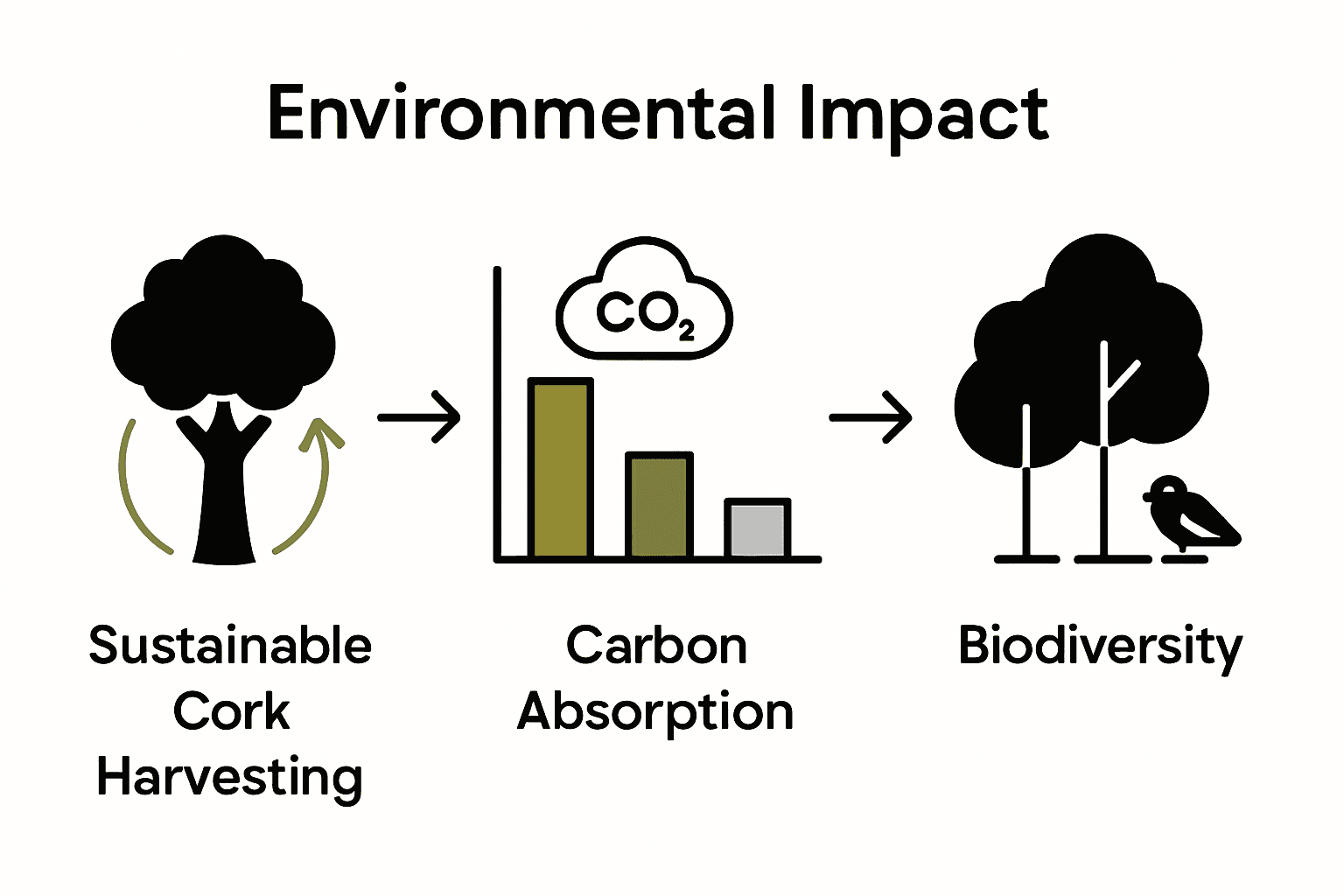
Cork harvesting represents a remarkable model of environmental sustainability that goes far beyond traditional resource extraction. According to research from Wikipedia, this unique process involves removing only the bark of cork oak trees, allowing the tree to continue living and regenerating. Sustainable forestry is at the heart of cork production, with each harvest actively contributing to ecosystem preservation and carbon sequestration.
The environmental benefits of cork harvesting are profound. Scientific studies reveal that harvested cork oak forests play a critical role in preventing desertification and supporting endangered species. Remarkably, harvested trees can absorb up to five times more carbon dioxide compared to unharvested trees, transforming these forests into powerful carbon sinks. When we compare cork’s environmental footprint to alternative materials, the advantages become even more striking. For instance, cork stoppers produce significantly lower greenhouse gas emissions — plastic releases ten times more CO₂, while aluminum screw caps generate 26 times more carbon emissions.
Beyond carbon capture, cork harvesting supports intricate ecological systems. The practice maintains healthy forest ecosystems, providing habitats for numerous species and preventing land degradation. Learn more about sustainable materials and their global impact to understand how choices like cork can make a significant environmental difference.
Key environmental advantages of cork harvesting include:
- Preserves living trees during resource extraction
- Stimulates increased carbon absorption
- Prevents forest degradation
- Supports biodiversity
- Provides sustainable alternative to synthetic materials
By choosing cork, consumers and industries can actively participate in an environmentally responsible production cycle that respects and enhances natural ecosystems.
Key Uses of Cork in Fashion and Beyond
Cork has emerged as a versatile material with applications that extend far beyond traditional uses, revolutionizing industries from fashion to engineering. According to research from Wikipedia, cork’s unique properties make it an extraordinary substance with diverse applications. Wine stoppers represent the largest commercial use, consuming approximately 60% of cork production, but the material’s potential reaches into numerous innovative sectors.
In the fashion world, cork has experienced a remarkable transformation. Recent industry trends indicate growing adoption across clothing, accessories, and footwear categories. Cork leather has become particularly prominent, with fashion brands increasingly exploring its potential through advanced customization techniques like embossing and laser engraving. Discover the latest innovations in cork accessories to appreciate how designers are reimagining this sustainable material.
Beyond fashion, cork’s remarkable characteristics make it invaluable in multiple industries. Its natural properties of buoyancy, elasticity, and low density enable use in diverse applications including:
- Acoustic and thermal insulation
- Fishing equipment
- Badminton shuttlecocks
- Flooring materials
- Gaskets and technical components
- Granulated composites in concrete
The material’s impermeability, lightweight nature, and environmental credentials position cork as a game-changing substance that bridges sustainability with practical innovation across multiple domains.
Quality Standards and Potential Challenges
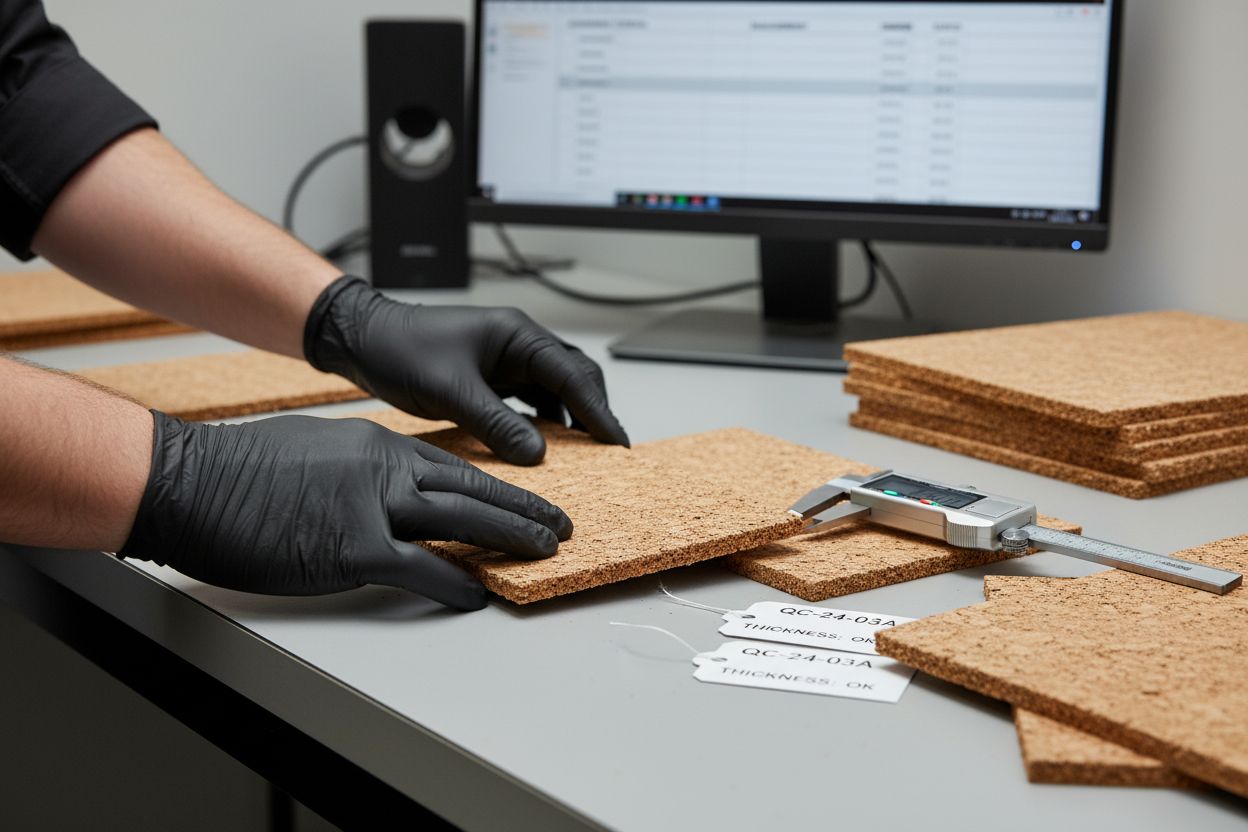
The cork industry faces nuanced quality challenges that require sophisticated testing and continuous innovation. According to Wikipedia, one of the most significant issues is cork taint, an off-odor compound that can compromise wine quality and consumer experience. Recent industry data suggests that cork taint affects approximately 0.7–1.2% of cork stoppers, a percentage that has dramatically decreased due to advanced testing protocols.
Quality consistency remains a critical focus for cork producers across various sectors. The rise of alternative closure materials like synthetic stoppers and screw caps presents competitive pressure, compelling the cork industry to maintain rigorous quality control standards. The Cork Quality Council has made substantial progress, with 90% of tested samples now measuring under 1 part per trillion of problematic compounds, demonstrating a commitment to technological improvement and consumer confidence. Learn more about cork quality innovations in accessories to understand how manufacturers are addressing these challenges.
Key quality challenges in cork production include:
- Minimizing cork taint risk
- Ensuring consistent material performance
- Competing with alternative materials
- Maintaining sustainable production methods
- Implementing advanced testing technologies
- Preserving natural material integrity
By embracing technological advances and maintaining strict quality standards, the cork industry continues to evolve, proving that traditional materials can successfully adapt to modern market demands.
Discover Sustainable Style Inspired by the Journey of Cork
The intricate cork production process highlights how nature and human care come together to create a truly sustainable and renewable material. If you value eco-conscious fashion that respects the environment and celebrates the unique qualities of cork, The Cork Store offers a curated collection of stylish, vegan cork accessories designed to align perfectly with your values. Crafted with care and inspired by cork’s natural durability and beauty, our handbags, wallets, and backpacks are a testament to ethical innovation and lasting quality.
Explore our range today and embrace accessories that support sustainability at every step. Don’t miss the chance to own products that not only look great but also contribute to forest preservation and carbon sequestration. Visit The Cork Store now and join a growing community committed to thoughtful, cruelty-free fashion. Your journey to sustainable style begins here.
Frequently Asked Questions
What is cork and how is it harvested?
Cork is a natural material derived from the bark of the cork oak tree. The harvesting process involves skilled workers carefully removing the outer bark without harming the tree, allowing it to continue growing and regenerating.
What are the environmental benefits of cork harvesting?
Cork harvesting preserves living trees, enhances carbon absorption, prevents forest degradation, supports biodiversity, and provides a sustainable alternative to synthetic materials.
What are the key properties of cork?
Cork is impermeable, lightweight, elastic, and an excellent insulator both thermally and acoustically. These properties make cork a versatile material for various applications.
What challenges does the cork industry face?
The cork industry faces challenges including minimizing cork taint, ensuring consistent material quality, competing with alternative materials, and maintaining sustainable production methods.