

Cork Production Process: Complete Sustainable Guide
Every year, the world produces around 300,000 tons of cork, with most coming from Portugal and Spain. Cork extraction stands out because it leaves trees unharmed, allowing them to thrive for centuries. This rare balance between resource use and conservation gives cork its reputation as one of the most sustainable materials available. Discover how the journey from bark to product blends expert skill, care for nature, and a commitment to ethical practices.
Table of Contents
- What Is The Cork Production Process?
- Key Stages In Cork Harvesting And Extraction
- Processing And Manufacturing Cork Products
- Environmental Sustainability And Ethical Standards
- Cork Applications In Fashion And Accessories
Key Takeaways
| Point | Details |
|---|---|
| Sustainable Harvesting | Cork trees can be harvested every 9-12 years without harm, promoting a circular economy that supports environmental preservation. |
| Craftsmanship & Precision | The cork extraction process involves skilled workers who make careful, strategic cuts to protect the health of the tree while ensuring quality material. |
| Versatile Product Transformation | Raw cork is processed into various sustainable products, including fashion items, showcasing its adaptability and innovative manufacturing practices. |
| Community & Environmental Impact | The cork industry supports local economies and promotes biodiversity, providing jobs while contributing to ecological health as carbon sinks. |
What Is the Cork Production Process?
Cork harvesting represents one of the most sustainable and fascinating material production methods in the world. According to Wikipedia, cork is a remarkable natural material extracted from the phellem layer of cork oak bark, which can be harvested every 9-12 years without damaging the tree itself - a practice that allows these remarkable trees to potentially live up to 300 years.
The cork production process begins with the careful selection of cork oak forests, primarily located in Portugal and Spain. Skilled workers, known as extractors, use specialized axes to carefully remove the bark in a way that does not harm the living tree. This delicate extraction process requires significant expertise and precision. Harvesters must cut horizontally and vertically around the trunk, then carefully peel away the bark without causing permanent damage to the tree’s core structure.
Once harvested, the cork bark undergoes several crucial processing stages. The raw bark is first left to dry and stabilise for several months, allowing it to naturally develop the right moisture content and flexibility. After initial drying, the bark is boiled to increase its pliability and remove impurities, making it easier to transform into various products. The final stages involve cutting, pressing, and treating the cork material to create everything from wine stoppers to sustainable fashion accessories.
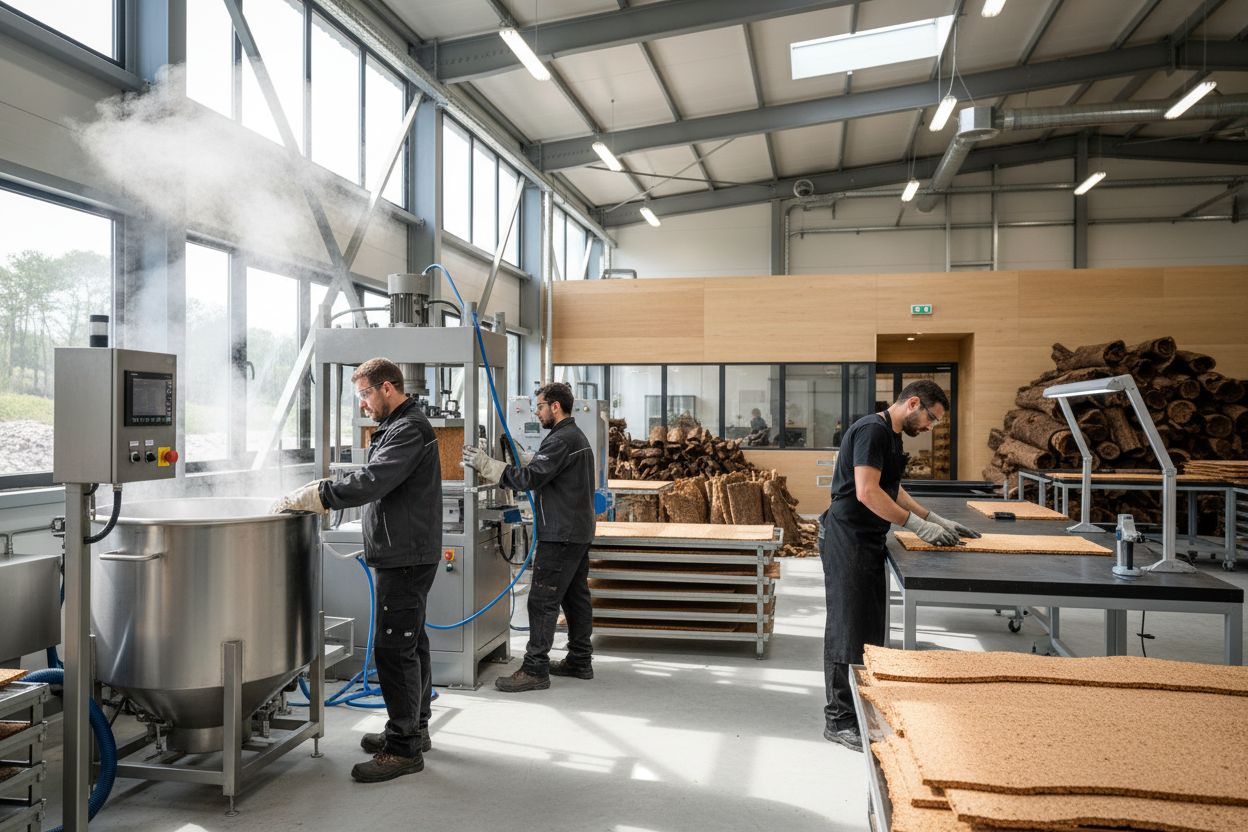
Interestingly, the understanding of cork’s sustainability reveals why this material is so environmentally friendly. Annual global cork production reaches approximately 300,000 tons, with Portugal and Spain leading the way in this renewable resource industry. By harvesting cork without destroying trees, this process creates a remarkable circular economy that supports both environmental preservation and economic development.
Key Stages in Cork Harvesting and Extraction
Cork harvesting is a meticulous process that requires exceptional skill and precision, following a carefully orchestrated timeline that protects both the tree and the quality of the material. According to research, the extraction window is strictly limited to early May through late August, a period carefully chosen to ensure optimal bark removal without damaging the tree’s long-term health.
The extraction process involves several intricate stages performed by highly trained extractors. These skilled workers use specialized axes to make two critical types of cuts: horizontal ‘crown’ cuts and vertical ‘ruler’ cuts. These strategic incisions allow them to carefully separate the bark from the tree while preserving the essential cambium layer. This technique ensures the tree remains healthy and can continue producing cork for potentially hundreds of years.
Here’s a summary of the key stages in cork harvesting and extraction:
| Stage | Description | Key Consideration |
|---|---|---|
| Selection | Choosing mature cork oak trees | Forests in Portugal, Spain |
| Extraction Window | May–August | Optimal bark removal period |
| Cutting Technique | Horizontal ‘crown’ Vertical ‘ruler’ |
Preserves cambium layer |
| First Harvest | Produces virgin cork | Lower quality, around age 25 |
| Subsequent Harvests | Improved cork quality | Every 9–12 years after first |
| Third Harvest Onward | Yields highest-grade cork | Used for premium applications |
Interestingly, cork extraction is not a one-time event but a progressive process. The first harvest, known as virgin cork, typically produces lower-quality material. Subsequent harvests yield increasingly superior cork, with the third harvest (around 43 years after the tree’s first cutting) producing the highest-grade cork used in premium products. Each harvesting cycle requires approximately 9-12 years of regrowth, allowing the tree to regenerate its protective bark naturally.
For those curious about how this sustainable material transforms into everyday products, our guide on cork innovation in accessories provides deeper insights into the remarkable journey from forest to fashion. The entire process represents a stunning example of environmental stewardship, where human intervention actually supports and maintains the natural ecosystem.
Processing and Manufacturing Cork Products
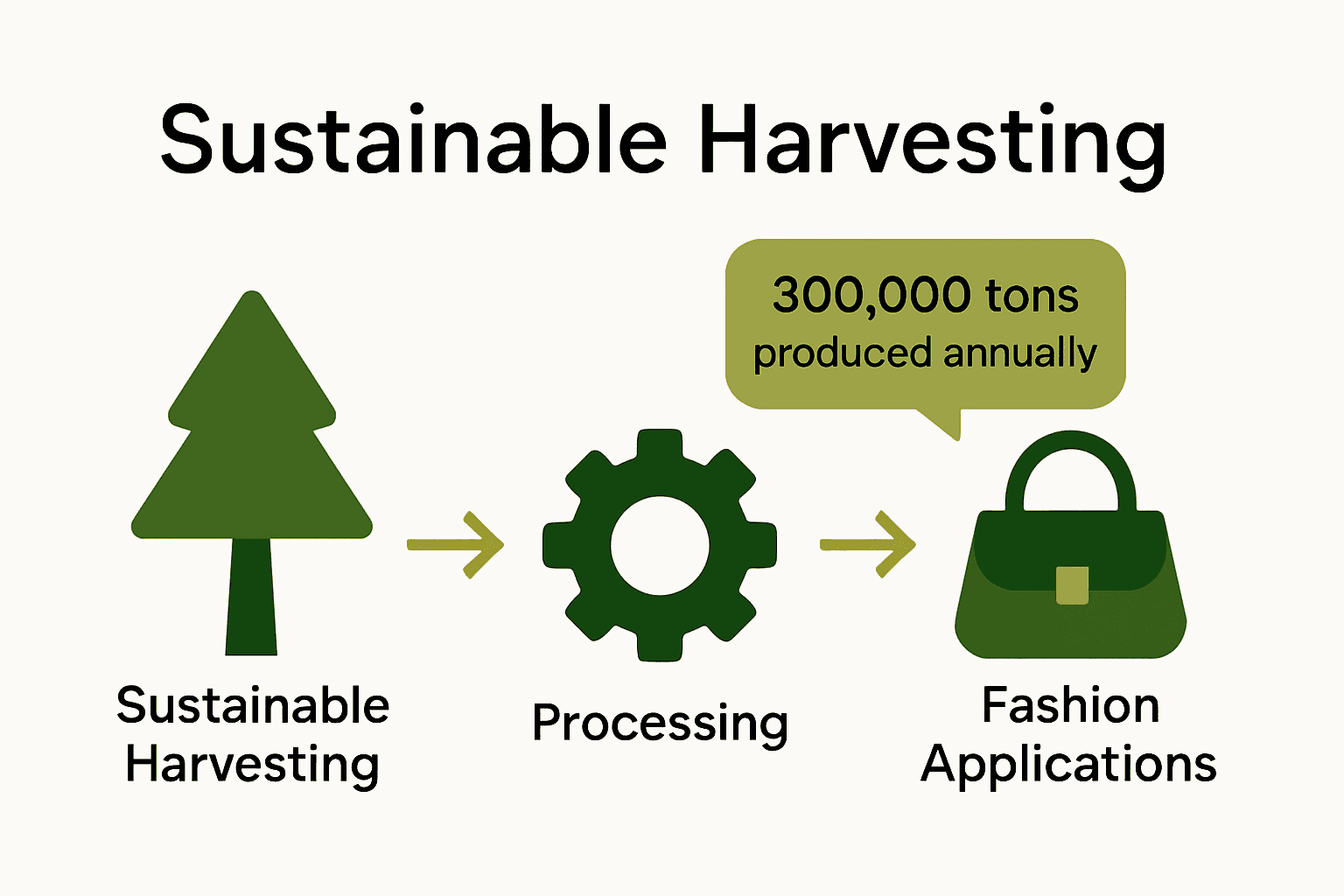
The transformation of raw cork bark into versatile products is a fascinating journey of sustainable manufacturing that combines traditional craftsmanship with modern technological innovations. According to research, the initial stage involves carefully air-drying cork planks for several months, which allows the material to stabilise and develop its unique characteristics.
Once dried, the cork undergoes a critical boiling process that serves multiple purposes. The boiling softens the material, removes impurities, and increases its flexibility, making it easier to manipulate into various forms. Skilled artisans then press the cork into thin, uniform sheets, creating a lightweight yet incredibly durable material. A key innovation in cork processing involves laminating these sheets onto fabric backings like cotton or polyester, essentially creating what’s known as cork leather - a sustainable alternative to traditional animal-based leather.
The manufacturing process varies depending on the final product’s intended use. Some cork products require additional treatments like cutting, molding, or applying protective coatings to enhance durability and aesthetic appeal. From fashion accessories to architectural materials, cork’s versatility allows manufacturers to create everything from sleek wallets to innovative building materials. The entire process prioritizes minimal waste and maximum sustainability, reflecting the material’s environmentally friendly nature.
For those interested in exploring how cork transforms from natural bark to stylish accessories, our guide on cork’s role in sustainable fashion offers deeper insights into this remarkable material’s journey from forest to fashion item. Each step of cork processing represents a testament to how innovative manufacturing can create beautiful, functional products while respecting our planet’s ecological balance.
Environmental Sustainability and Ethical Standards
The cork industry represents a pinnacle of environmental sustainability, demonstrating how natural resource extraction can actually support ecological health rather than deplete it. According to research from the Natural Cork Council, cork oak forests function as remarkable carbon sinks, absorbing millions of tons of CO₂ while supporting complex ecosystems and local economies.
The sustainability of cork production goes far beyond carbon absorption. These extraordinary trees are harvested every 9-12 years without being cut down, with individual cork oaks capable of living over 200 years and continuously producing bark. What makes this process truly exceptional is its circular economy approach: virtually every byproduct is utilized. Cork dust, for instance, is transformed into energy, ensuring minimal waste and maximum resource efficiency. This approach stands in stark contrast to many conventional manufacturing processes that generate significant environmental waste.
Ethical standards in cork production extend beyond environmental considerations to include social responsibility. The industry supports local communities in regions like Portugal and Spain, providing stable employment and maintaining traditional skills passed down through generations. Each harvest supports biodiversity, protects landscapes, and creates economic opportunities that are deeply interconnected with ecological preservation.
For those passionate about understanding sustainable material choices, our guide on eco-friendly materials in fashion offers deeper insights into how conscious material selection can transform industries and protect our planet. Cork stands as a shining example of how thoughtful, regenerative production can create beautiful products while nurturing our global ecosystem.
Cork Applications in Fashion and Accessories
Cork has revolutionized the world of sustainable fashion, emerging as a versatile alternative to traditional materials. According to research from the Natural Cork Council, this remarkable fabric offers an extraordinary range of characteristics that make it ideal for fashion accessories. Notably lightweight, durable, water-resistant, and hypoallergenic, cork fabric provides designers with an eco-friendly material that doesn’t compromise on performance or style.
The cork leather manufacturing process transforms raw bark into a sophisticated textile suitable for numerous fashion applications. By laminating boiled cork onto fabric backings, manufacturers create a plant-based, vegan alternative to animal leather that avoids toxic chemical treatments. This innovative material finds its way into an impressive array of products, including handbags, wallets, footwear, belts, and even automotive interiors. Its aesthetic versatility allows designers to craft pieces that are simultaneously elegant, functional, and environmentally responsible.
Beyond its technical properties, cork represents a profound statement in ethical fashion. Each accessory tells a story of sustainable production, supporting local communities and preserving delicate ecosystems. The material’s inherent characteristics—biodegradability, cruelty-free sourcing, and minimal environmental impact—make it a powerful choice for conscious consumers seeking to align their style with their values.
To dive deeper into the world of sustainable fashion materials, check out our guide on understanding cork leather and its benefits. Cork isn’t just a material; it’s a testament to how innovative design can create beautiful, responsible fashion that respects both people and the planet.
Discover the Beauty of Sustainable Cork Accessories Today
Understanding the intricate cork production process reveals not only a truly sustainable material but also a story of environmental care and craftsmanship. If you are inspired by the idea of supporting eco-friendly practices that protect ancient cork oak forests while embracing style and durability, then making the switch to cork accessories is the perfect step. Cork offers a lightweight, durable, and vegan-friendly alternative to traditional leather, crafted with respect for nature and local communities.
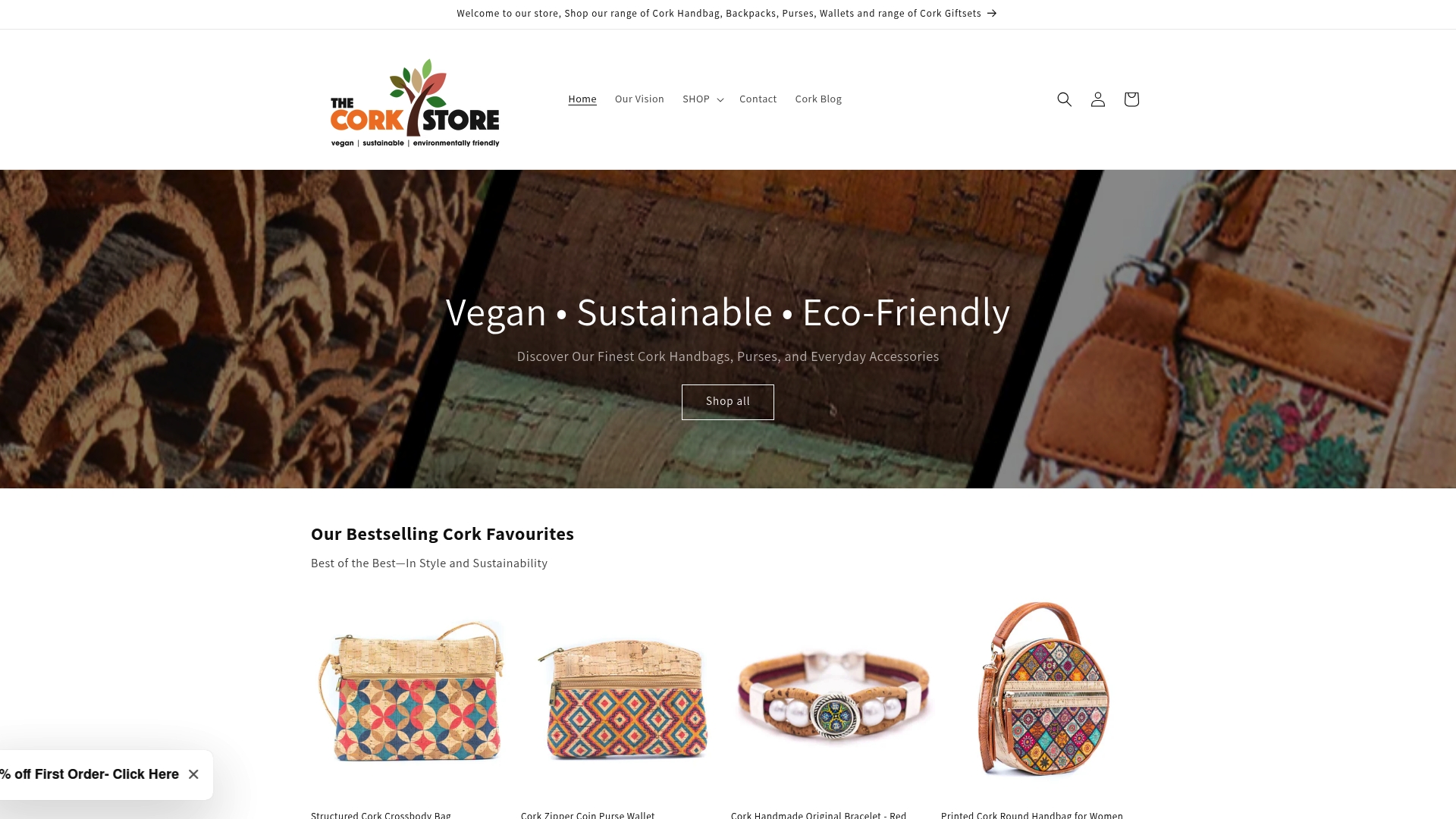
Explore the exceptional range of sustainable products at The Cork Store where you can find stylish handbags, wallets, backpacks and more—all made from ethically harvested cork. Experience firsthand the benefits of choosing a material that regenerates, reduces waste and supports a circular economy. Don’t wait to champion eco-conscious fashion—visit our site now and embrace accessories that are not only beautiful but also meaningful. Learn more about the innovation behind cork and its role in sustainable fashion in our insightful blog sections like understanding cork innovation in accessories and understanding what is cork leather. Your next eco-friendly accessory is just a click away.
Frequently Asked Questions
What is the cork production process?
The cork production process involves carefully harvesting the bark of cork oak trees every 9-12 years without harming the tree. This includes careful selection of mature trees, skilled extraction techniques by workers, and several processing stages such as drying, boiling, and cutting to create various cork products.
How often can cork be harvested from a tree?
Cork can be harvested from cork oak trees every 9-12 years. The first harvest produces virgin cork, while subsequent harvests improve the quality, yielding the highest-grade cork after around 43 years.
What are the environmental benefits of cork production?
Cork production supports environmental sustainability by enabling trees to absorb significant amounts of CO₂, maintaining biodiversity, and minimizing waste through a circular economy, where byproducts are utilized effectively.
How is cork used in sustainable fashion?
Cork is used in sustainable fashion as a vegan, plant-based alternative to leather. The manufacturing process transforms cork into a versatile textile that is lightweight, durable, and water-resistant, making it ideal for various fashion accessories like handbags, wallets, and footwear.