

Eco-Friendly Fashion Tips: Upgrade Your Wardrobe Sustainably
Did you know the fashion industry is the second largest consumer of water in the world, right after agriculture? Every clothing choice you make leaves a mark on the planet. If you want to dress with purpose and reduce your environmental impact, it all starts with understanding your current habits and making thoughtful swaps. Discover practical steps for building a wardrobe that feels good and does good for the earth.
Table of Contents
- Step 1: Assess Your Current Fashion Habits
- Step 2: Identify Eco-Friendly Fashion Alternatives
- Step 3: Select Sustainable Accessories And Materials
- Step 4: Integrate Eco-Friendly Choices Into Your Outfits
- Step 5: Verify The Sustainability Of Your Wardrobe
Quick Summary
| Key Point | Explanation |
|---|---|
| 1. Conduct a wardrobe audit | Sort your clothes into categories to understand your wearing habits and assess their environmental impact. |
| 2. Explore eco-friendly fabrics | Choose sustainable options like organic cotton or recycled polyester to reduce your wardrobe’s ecological footprint. |
| 3. Verify brand sustainability | Research brand certifications and practices to ensure your fashion purchases genuinely support environmental conservation. |
| 4. Integrate sustainable pieces gradually | Mix eco-friendly items with your current wardrobe instead of a complete overhaul, ensuring practical and stylish combinations. |
| 5. Track your clothing metrics | Maintain a record of your clothing items and their usage to inform future sustainable purchasing decisions. |
Step 1: Assess Your Current Fashion Habits
Before transforming your wardrobe into an eco friendly sanctuary, you need a clear understanding of your current fashion consumption patterns. This step involves honest self reflection about your clothing purchasing and wearing habits.
Start by conducting a comprehensive wardrobe audit. Empty your entire closet and sort items into distinct categories: frequently worn pieces, rarely used clothing, and items untouched for over a year. According to Marie Claire, the fashion industry is the second largest global consumer of water after agriculture, making your personal consumption assessment critically important.
While sorting, ask yourself revealing questions about each garment. How often do you wear it? What was its environmental cost? Does it align with sustainable fashion principles? Understanding the distinction between ethical and sustainable fashion matters here Marie Claire. Ethical fashion considers fair labor practices, while sustainability examines broader environmental impacts.
Track your clothing metrics. Create a simple spreadsheet or journal documenting:
- Number of clothing items
- Percentage of rarely worn pieces
- Average cost per item
- Estimated lifecycle of each garment
Pro Tip: Be brutally honest during this assessment. Your goal is understanding patterns, not judging yourself.
This initial audit provides a baseline for your sustainable fashion transformation. By recognizing current consumption habits, you are taking the first crucial step towards a more environmentally conscious wardrobe.
Read our practical guide on reducing fashion waste to help you develop a more strategic approach to your fashion choices.
Step 2: Identify Eco-Friendly Fashion Alternatives
With your current wardrobe assessed, it is time to explore sustainable fashion alternatives that minimise environmental impact. This step focuses on discovering innovative textiles and materials that support both style and ecological responsibility.
According to AAOFD, eco-friendly textiles such as organic cotton, linen, soy, and Tencel offer significantly reduced environmental footprints compared to conventional fabrics. These materials represent a conscious choice for environmentally aware consumers.
When searching for sustainable alternatives, prioritise fabrics with minimal processing requirements and lower water consumption. Sustainable Living highlights innovative materials like Tencel and Lyocell, which are derived from sustainably sourced wood pulp and provide biodegradable, resource-efficient fashion options.
Consider these eco-friendly fabric alternatives:
Here’s a summary of popular eco-friendly fabric alternatives:
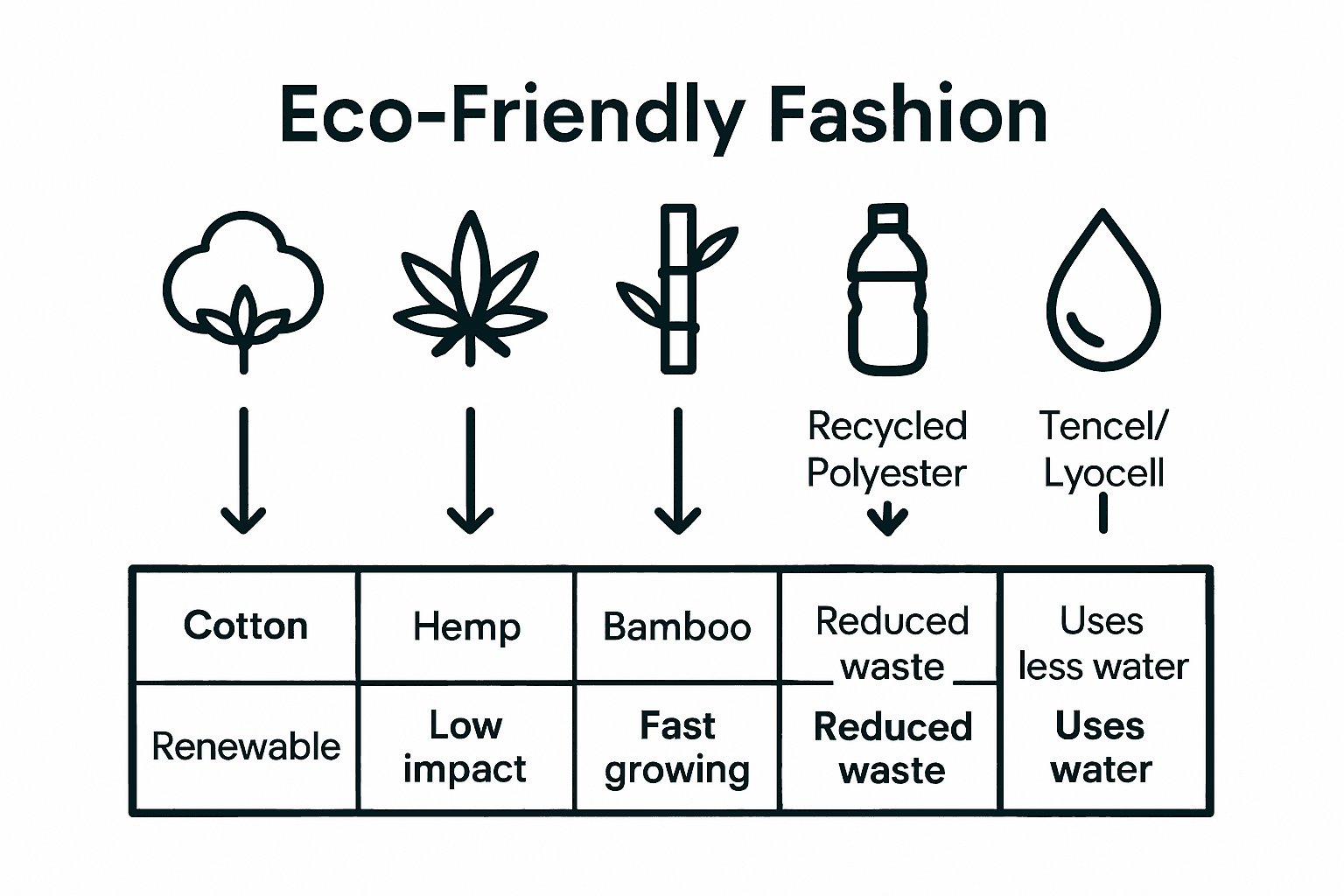
| Fabric Type | Primary Environmental Benefit | Key Characteristics |
|---|---|---|
| Organic cotton | Reduced pesticide use | Soft, breathable |
| Hemp | Minimal water, grows rapidly | Durable, antibacterial |
| Bamboo textiles | Fast-growing, renewable crop | Soft, moisture-wicking |
| Recycled polyester | Diverts plastic waste | Strong, versatile |
| Tencel & Lyocell | Low water/process needs | Silky, biodegradable |
- Organic cotton
- Hemp
- Bamboo textiles
- Recycled polyester
- Tencel and Lyocell
Pro Tip: Research fabric production processes. Not all seemingly sustainable materials are created equal.
Learn more about understanding eco-friendly materials to make informed purchasing decisions that align with your sustainability goals.
Step 3: Select Sustainable Accessories and Materials
Now that you understand eco-friendly fabrics, it is time to explore innovative sustainable accessories that minimise environmental impact. This step will guide you towards materials that combine style, functionality, and ecological responsibility.
Wikipedia highlights fascinating innovations like Bananatex, a biodegradable fabric crafted from Abacá banana plant fibers. These groundbreaking materials represent the future of sustainable fashion accessories, offering unique alternatives to traditional manufacturing processes.
Plant-based leather alternatives are revolutionising accessory design. According to Wikipedia, innovative materials made from pineapple leaves and mushrooms now serve as eco-friendly substitutes for traditional animal leather. These materials provide consumers with ethical choices that do not compromise on quality or aesthetic appeal.
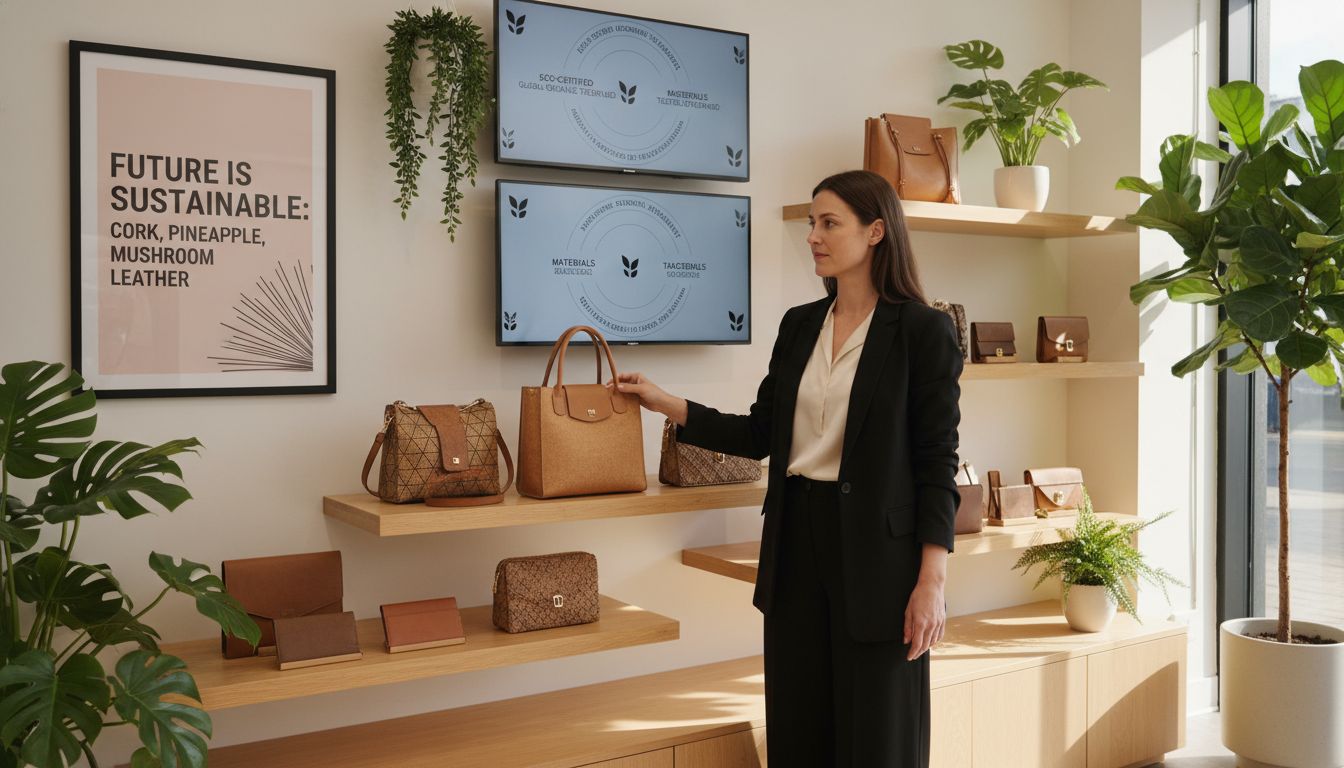
When selecting sustainable accessories, consider these innovative materials:
- Cork leather
- Pineapple leaf leather
- Mushroom leather
- Bananatex
- Recycled ocean plastic materials
Pro Tip: Always verify the complete production process, not just the final material.
Explore our guide to understanding sustainable handbag qualities to make informed accessory selections that align with your environmental values.
Step 4: Integrate Eco-Friendly Choices into Your Outfits
Transforming your wardrobe into a sustainable fashion statement requires strategic choices and thoughtful combinations. This step focuses on seamlessly blending eco-friendly pieces into your existing style while making conscious fashion decisions.
Marie Claire highlights brands like Sézane and Aspiga as excellent starting points for incorporating sustainable clothing options. These brands offer stylish pieces that demonstrate how eco-friendly fashion can be both attractive and responsible.
According to Marie Claire, consumers should prioritise brand transparency and seek out sustainable certifications when building their wardrobe. This approach helps ensure that your fashion choices genuinely contribute to environmental preservation.
Strategies for integrating sustainable fashion:
- Start with versatile neutral pieces
- Mix sustainable items with existing wardrobe
- Layer eco-friendly accessories
- Choose multifunction garments
- Invest in quality over quantity
Pro Tip: Balance is key. You do not need to replace your entire wardrobe overnight.
Learn how to style vegan handbags naturally and complete your sustainable fashion transformation with conscious accessory choices.
Step 5: Verify the Sustainability of Your Wardrobe
As you transition towards a more eco-conscious wardrobe, understanding how to validate the sustainability of your clothing becomes crucial. This step will equip you with practical strategies to assess the environmental credentials of your fashion choices.
According to Marie Claire, consumers should prioritise researching brand transparency and seeking sustainable certifications. These actions help ensure that your fashion investments genuinely contribute to environmental preservation.
ArXiv highlights emerging technologies like the FITS tool, which utilizes artificial intelligence to extract and classify sustainability information from credible sources. Such innovative approaches can help consumers make more informed decisions about their fashion purchases.
Key verification strategies for sustainable fashion:
- Check for third-party sustainability certifications
- Research brand environmental policies
- Investigate material sourcing practices
- Examine production transparency reports
- Consider second-hand or recycled options
Pro Tip: Remember that sustainability is a journey. Small, consistent choices matter more than perfection.
Learn how to spot sustainable fashion with our comprehensive guide and continue refining your eco-friendly wardrobe strategy.
Upgrade Your Wardrobe with Stylish Eco-Friendly Accessories Today
If you are inspired by the challenge of transforming your wardrobe into a sustainable and eco-conscious collection, you know how important it is to choose accessories that reflect your values. The article highlights key problems such as understanding fabric sustainability, selecting ethical materials, and verifying brand transparency. At the same time, it speaks to your goal of embracing fashion that is both kind to the planet and stylish.
Now is the perfect time to explore exceptional alternatives that combine style, durability, and environmental responsibility. Discover the unique benefits of cork accessories crafted from a renewable plant-based material that offers a cruelty-free leather alternative. By choosing from The Cork Store selection of vegan cork handbags, wallets, and backpacks, you take a confident step towards reducing your fashion footprint while elevating your look.
VIDEO:video_content] Visit [The Cork Store to browse carefully curated pieces designed with sustainability in mind and start your eco-friendly fashion journey today.
Frequently Asked Questions
How can I assess my current fashion habits for eco-friendly upgrades?
Start by conducting a wardrobe audit. Sort your clothing into categories of frequently worn, rarely used, and untouched items, and document your clothing metrics like the number of pieces and average cost.
What are some eco-friendly fabric alternatives I should consider?
Consider fabrics like organic cotton, hemp, bamboo textiles, recycled polyester, and Tencel. Research their environmental benefits, such as reduced water consumption or biodegradability, to make informed choices when updating your wardrobe.
How can I integrate sustainable fashion into my existing outfits?
Begin by incorporating versatile neutral pieces and layering eco-friendly accessories with your current wardrobe. Aim to mix at least 2–3 sustainable items with what you already own to create new, stylish combinations.
What should I look for to verify the sustainability of my clothing?
Check for third-party sustainability certifications, research a brand’s environmental policies, and examine material sourcing practices. Make a habit of reviewing the sustainability credentials of at least one new clothing item before you purchase it.
What are practical steps to reduce clothing waste during my upgrade?
Opt for second-hand options where possible and consider recycling or upcycling your rarely worn clothing. Aim to reduce your overall clothing purchases by at least 20% by being more selective about what you add to your wardrobe.
How can I choose sustainable accessories for my outfits?
Select accessories made from innovative materials like cork leather or plant-based leather alternatives. Start by replacing one existing accessory with a sustainable option to progressively enhance your overall eco-friendly wardrobe.
Recommended
- 7 Practical Ways to Reduce Fashion Waste for a Greener Closet – The Cork Store
- 7 Key Sustainable Fashion Trends 2025 for Eco Shoppers – The Cork Store
- Understanding Sustainable Fashion Essentials for Eco-Conscious Living – The Cork Store
- How to Spot Sustainable Fashion: A Step-by-Step Guide – The Cork Store