

Which luxury vegan handbags are worth the money?
For a genuine luxury vegan handbag, choose either an established vegan-designer house building on decades of leathercraft expertise, or a vetted sustainable brand working in plant leathers, cork, or mycelium. Both routes deliver real quality; the difference is heritage polish versus material innovation. Expect to pay £250 to £600 for accessible luxury and £600 upwards for designer pieces with full provenance and repair schemes. Anything under £100 claiming “luxury” is almost never it.
Before you buy, check three things:
- Material origin — does the listing name the actual plant, recycled content, or cork source, or just say “vegan leather”?
- Craftsmanship and provenance — where was it made, and is that disclosed openly?
- Verifiable credentials — PETA approval, B Corp status, or third-party factory audits, not just a marketing claim.
Key Takeaways
Luxury in a vegan handbag comes down to verifiable material origin, visible craftsmanship, and third-party credentials, not the word “vegan” on its own.
| Point | Details |
|---|---|
| Check provenance first | Ask exactly where the bag is made and what the material source is before buying. |
| Inspect construction closely | Look for tight stitching, burnished edges, and solid hardware, not just a smooth surface. |
| Use certifications as a filter | PETA approval and B Corp status tend to correlate with better sourcing and repair policies. |
| Match material to use case | Cork suits everyday wear, structured plant leather suits work, coated recycled PU suits travel. |
| Consider cork for durability | Thecorkstore’s cork handbags offer a biodegradable, low-input alternative with genuine ageing character. |
Table of Contents
- What makes a vegan handbag “luxury”?
- Materials explained: plant leathers, recycled synthetics, and cork
- What questions should you ask before buying?
- Which silhouette and material suit your lifestyle?
- Why is cork a credible luxury vegan material?
- What matters more than the vegan label?
- Shop curated cork luxury handbags at Thecorkstore
- Sources
What makes a vegan handbag “luxury”?
Luxury has never been about the absence of animal leather. It’s about construction quality you can actually see and feel.
- Stitching — luxury bags use tight, even stitch density with no visible glue lines. Run a finger along the seam; if it’s lumpy or the thread is already fraying in a display model, walk away.
- Edge finishing — high-end bags have burnished or painted edges that don’t peel after a season. Cheap PU splits at the edges within months.
- Hardware — solid brass or zinc alloy with proper plating feels heavier than it looks. Hollow-feeling zips and clasps are a tell.
- Provenance — brands like Stella McCartney lean heavily on “handcrafted in Italy” and named ateliers as a quality signal, and that disclosure matters because it means the brand has nothing to hide about who’s making the bag and under what conditions.
Price should track workmanship, not just brand name. A £150 bag with hand-finished edges and disclosed factory sourcing often beats a £400 bag riding on logo recognition alone.
Materials explained: plant leathers, recycled synthetics, and cork
“Vegan leather” is a marketing umbrella covering wildly different materials with different lifespans, as explained in detail in our partner article on vegan footwear: impact on foot health and ethics.
- PU and recycled PU — affordable, water-resistant, but prone to cracking after two to three years of regular use. Recycled PU (using post-consumer plastic) trims the environmental cost slightly but ages the same way.
- Recycled PET — spun from plastic bottles, durable for structured totes, but still fundamentally a synthetic with an end-of-life problem.
- Cactus, apple, and pineapple leathers — genuinely convincing finishes at scale, made from agricultural byproducts, several brands now use plant waste to produce leather alternatives with reasonable durability, though most still blend in some polyurethane for flexibility.
- Mycelium (mushroom) leather — the newest entrant, biodegradable and low-input, but still limited in colour range and scale.
- Cork — harvested from cork oak bark without felling the tree, naturally water-resistant, and it ages by developing character rather than cracking.
The category has genuine momentum behind it: a 2019 report recorded a 258% year-on-year increase in luxury brands’ vegan stock, and that growth has pulled material innovation with it. Be sceptical of any listing that just says “eco-friendly” without naming the actual plant or process. Read more on what makes vegan handbags eco-friendly before assuming a green label means much on its own.
What questions should you ask before buying?
A good listing answers most of these without you having to ask. A vague one is the first warning sign.
- Where exactly is this made, and by whom?
- What is the precise material source (which plant, which recycled input, what percentage)?
- What’s inside the lining, and is it also vegan?
- Is the hardware plated metal or plastic, and what’s the plating?
- What’s the warranty period, and do you offer repairs rather than just replacement?
- What’s the returns window, and who covers postage?
In person or online, ask customer service directly: “Where is this made, and can you tell me the specific material source?” A brand confident in its supply chain answers instantly. One that stalls or deflects is worth walking away from.
Red flags worth remembering: no country of manufacture listed anywhere, “faux leather” with zero further detail, and hardware that’s already discolouring in product photos.
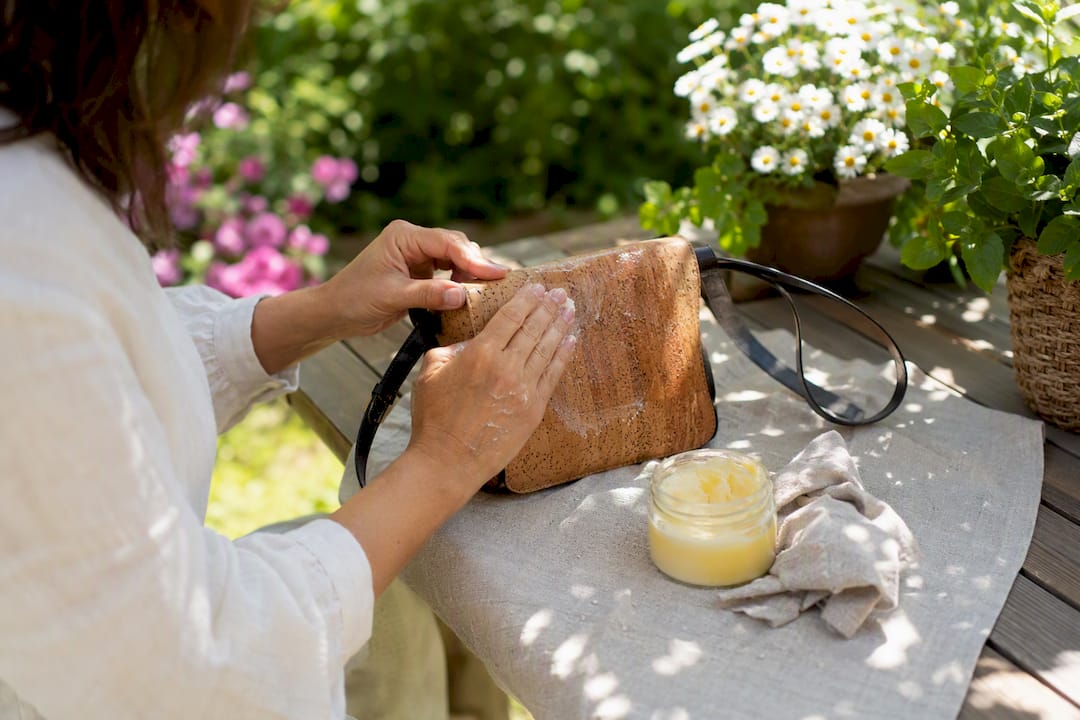
Pro Tip: Keep vegan leather bags away from direct heat and store them stuffed with tissue paper, not flat, to stop the material creasing permanently at the folds.
For the full checklist with more detail, Thecorkstore’s guide to choosing vegan handbags walks through provenance questions in more depth, and the maintenance guide covers longevity care by material.
Which silhouette and material suit your lifestyle?
Match the bag to the job it needs to do, not just the outfit.
- Work — a structured tote in a rigid plant leather or cork holds its shape through a commute and looks sharp against tailoring. Soft slouchy bags don’t survive a laptop and a lunch box.
- Travel — a crossbody in coated recycled PU shrugs off airport floors, spilled coffee, and rough handling far better than delicate plant leathers.
- Evening — a mini or box bag in cork or a fine plant leather makes the material itself the statement, since you’re not stuffing it with daily clutter.
Cork suits everyday casual wear particularly well because light scuffs barely show. For style pairings by occasion, see Thecorkstore’s list of vegan handbag options.
Why is cork a credible luxury vegan material?
Cork isn’t a compromise material. It’s harvested from the bark of cork oak trees, which regrow their bark and keep sequestering carbon for decades, and it’s been used in flooring and wine stoppers for centuries because it doesn’t degrade the way people assume a “plant material” would.
- Naturally water and stain resistant without heavy chemical treatment
- Biodegradable at end of life, unlike PU or PET-based alternatives
- Develops a unique grain and texture that ages rather than deteriorates
- Requires low chemical input to process compared with synthetic leathers
Cork’s biodegradability and durability make it one of the more credible sustainability stories among vegan materials, precisely because the raw material regenerates on the tree rather than needing to be manufactured from scratch.
Cork oak bark regrows after harvest, the tree is never felled, and the material carries a genuinely low-input production story that’s rare among vegan leather alternatives.
Thecorkstore builds its entire collection around this material, curating handbags, purses, and accessories that lean into cork’s natural texture rather than trying to disguise it as something else.
What matters more than the vegan label?
The word “vegan” on a hangtag tells you almost nothing about quality. It’s a floor, not a ceiling, and the industry’s own growth numbers prove it: when a market expands by hundreds of percent in a single year, plenty of low-effort products flood in alongside the good ones.
What the conventional advice gets wrong is treating “vegan” as the finish line. It’s the starting filter. The real questions are about provenance, stitch quality, and whether a brand will actually repair the bag in three years or just tell you to buy a new one. Buyers who chase PETA approval or B Corp certification as their filter tend to end up with better bags, not because the certification itself guarantees craftsmanship, but because brands that bother with third-party audits usually care about the rest of the process too.
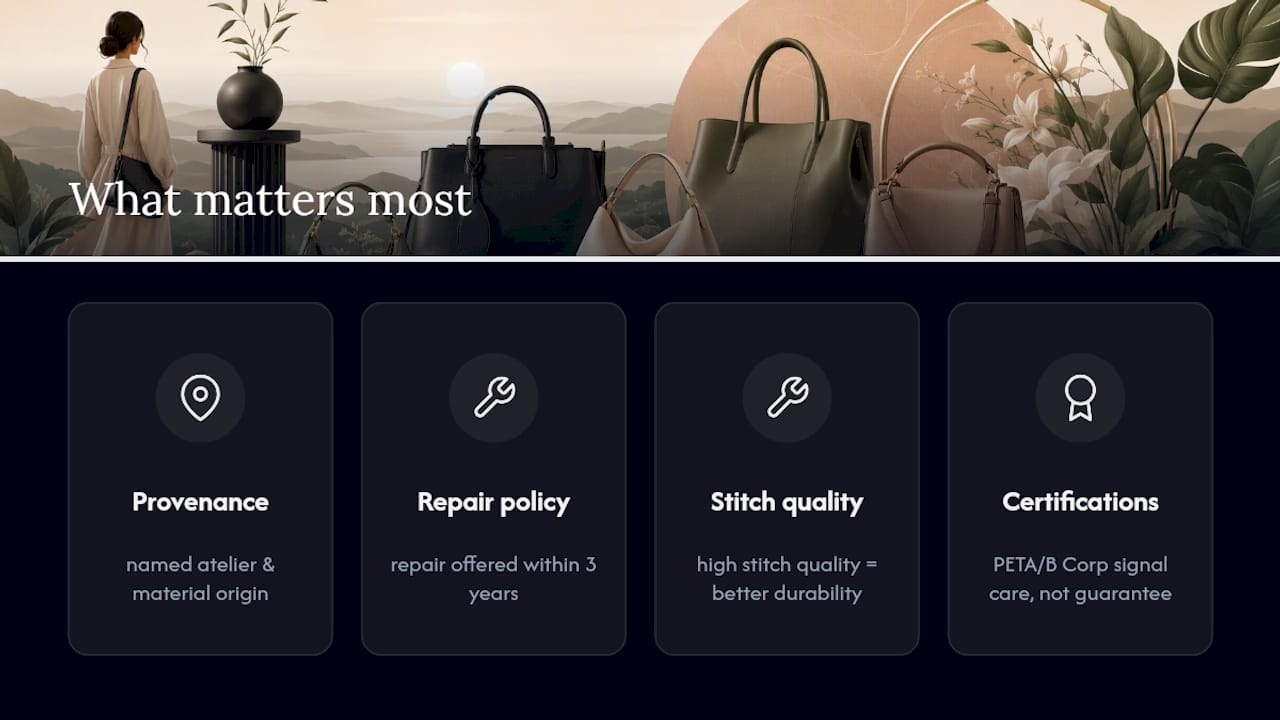
Prioritise the material’s actual origin story first. A cork bag with a named atelier and a repair policy beats a “vegan leather” tote with neither, every time.
Shop curated cork luxury handbags at Thecorkstore
If you’ve read this far, you already know what to look for: disclosed material origin, visible craftsmanship, and a brand that stands behind repairs rather than pushing replacements. Thecorkstore was built around exactly that brief, using cork as the core material rather than treating it as a novelty add-on.
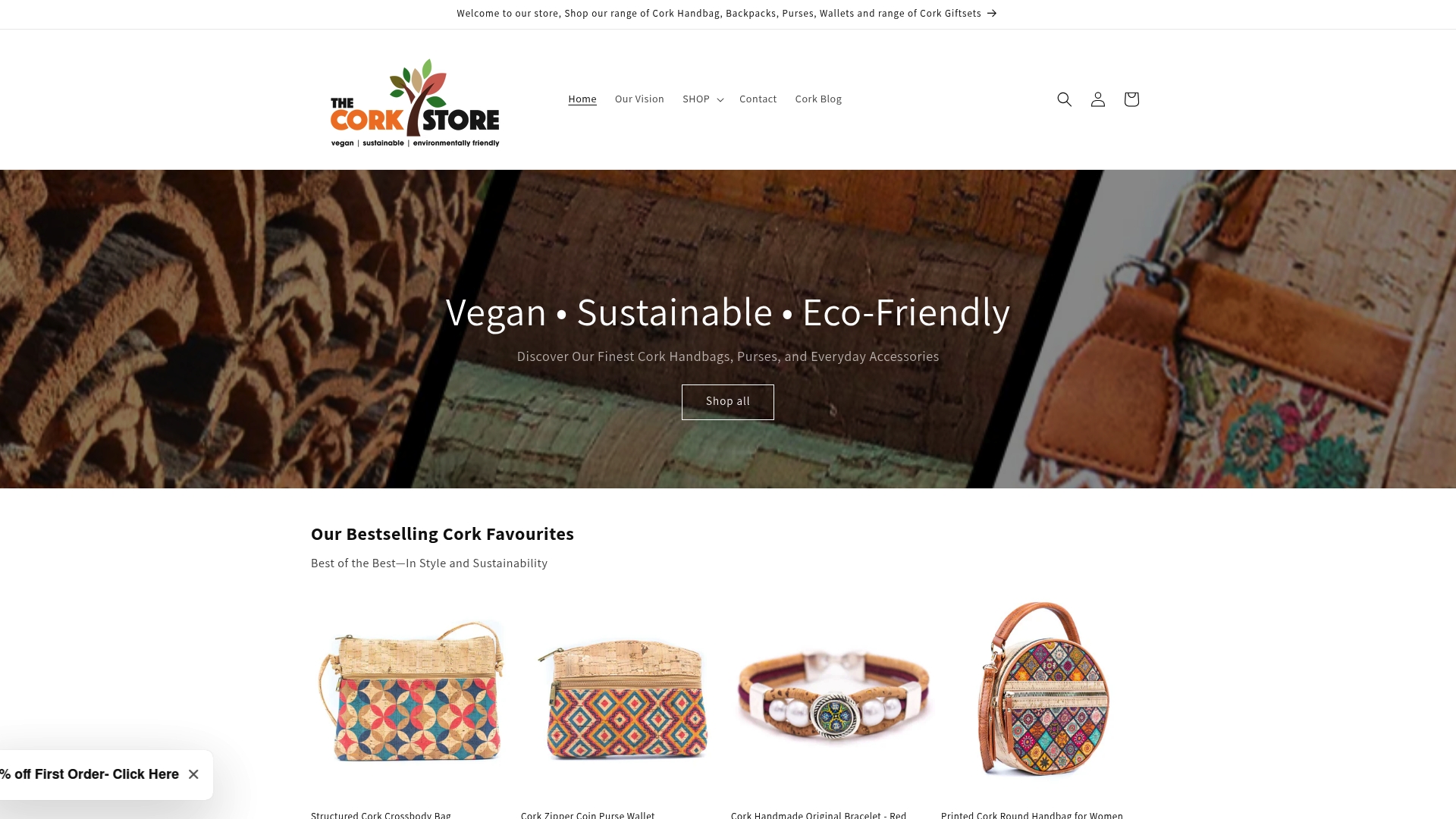
The collection covers handbags, backpacks, wallets, and gift sets, each one made from cork sourced with the traceability this guide has been pushing you towards. Return and repair terms are listed on each product page, so you’re not left guessing after checkout. Browse the full range of cork handbags at Thecorkstore and see the texture and construction for yourself before you decide.
Sources
- Vegan handbags | Good On You
- 9 best vegan leather bags and purses — The Good Trade
- Accessorize with these chic luxury vegan handbags — PETA
- Best vegan handbag brands — The Independent
Recommended
- How to Choose Vegan Handbags: The Ultimate Eco Guide – The Cork Store
- 10 Stylish Vegan Handbag Options List for Eco-Conscious Consumers – The Cork Store
- Understanding Vegan Handbags: What They Are and Why They Matter – The Cork Store
- 7 Must-Know Vegan Handbags for Conscious Fashion Lovers – The Cork Store