

Reasons to Invest in Vegan Purses: Ethical Fashion Impact
Over 75 percent of British shoppers now consider animal welfare and sustainability before buying fashion accessories. As European style lovers seek eco-friendly ways to express their values, cork purses are redefining what it means to be both chic and cruelty-free. This guide clears up common myths about vegan purses and reveals how sustainable design, ethical sourcing, and smart material choices can empower conscious fashion decisions without sacrificing flair.
Table of Contents
- Vegan Purses Defined And Core Misconceptions
- Cork Purses Versus Synthetic Vegan Options
- Style, Durability, And Functional Advantages
- Animal Welfare And Ethical Considerations
- Environmental Impact Of Vegan Purses
- Cost Comparisons With Leather Alternatives
Key Takeaways
| Point | Details |
|---|---|
| Vegan Purses are Ethical Choices | They eliminate animal-derived materials, supporting animal welfare and environmental sustainability. |
| Material Performance is Comparable | Modern vegan purses utilise innovative materials that often outperform traditional leather in durability and aesthetics. |
| Cork versus Synthetic Materials | Cork purses are renewable and environmentally friendly, while synthetic options may offer cost advantages but can lack sustainability credentials. |
| Cost Efficiency of Vegan Options | Vegan purses generally have lower initial costs and minimal maintenance requirements, making them economically advantageous over time. |
Vegan purses defined and core misconceptions
A vegan purse represents a revolutionary accessory category that completely eliminates animal-derived materials throughout its entire production process. Unlike traditional handbags that frequently incorporate leather, suede, or exotic animal skins, these sustainable alternatives strictly exclude all animal products from design to manufacturing.
The core misconception surrounding vegan purses is that they compromise on quality, aesthetics, or durability. Modern vegan accessories actually challenge these outdated perceptions by utilising innovative materials like cork, recycled polyester, and plant-based textiles that are not only environmentally responsible but also remarkably stylish. These materials offer comparable - and often superior - performance characteristics compared to traditional leather, including water resistance, lightweight construction, and impressive structural integrity.
Vegan purses fundamentally represent an ethical fashion statement that goes beyond mere accessory selection. They embody a commitment to animal welfare, environmental sustainability, and conscious consumption. By choosing a vegan purse, consumers actively reject the exploitation of animals while simultaneously supporting manufacturing processes that minimise ecological harm. The design philosophy centres on creating beautiful, functional accessories that align with progressive values of compassion and responsible consumer choices.
Pro tip: When selecting a vegan purse, examine the material composition carefully and look for transparent manufacturing certifications that validate the product’s ethical production standards.
Cork purses versus synthetic vegan options
In the evolving landscape of sustainable fashion, detailed comparisons between cork and synthetic vegan materials reveal nuanced differences that go far beyond simple material selection. Cork purses stand out as a natural, renewable option with exceptional performance characteristics, while synthetic alternatives offer their own unique advantages and challenges.
Naturally derived cork presents remarkable benefits that synthetic materials struggle to replicate. Its inherent properties include remarkable water resistance, lightweight construction, and incredible durability. Cork’s cellular structure provides natural cushioning and flexibility, making it an ideal material for accessories that endure daily wear. Synthetic vegan options, by contrast, often utilise recycled plastics or polyurethane-based materials that offer lower production costs and greater colour and texture versatility, but may not match cork’s natural sustainability credentials.
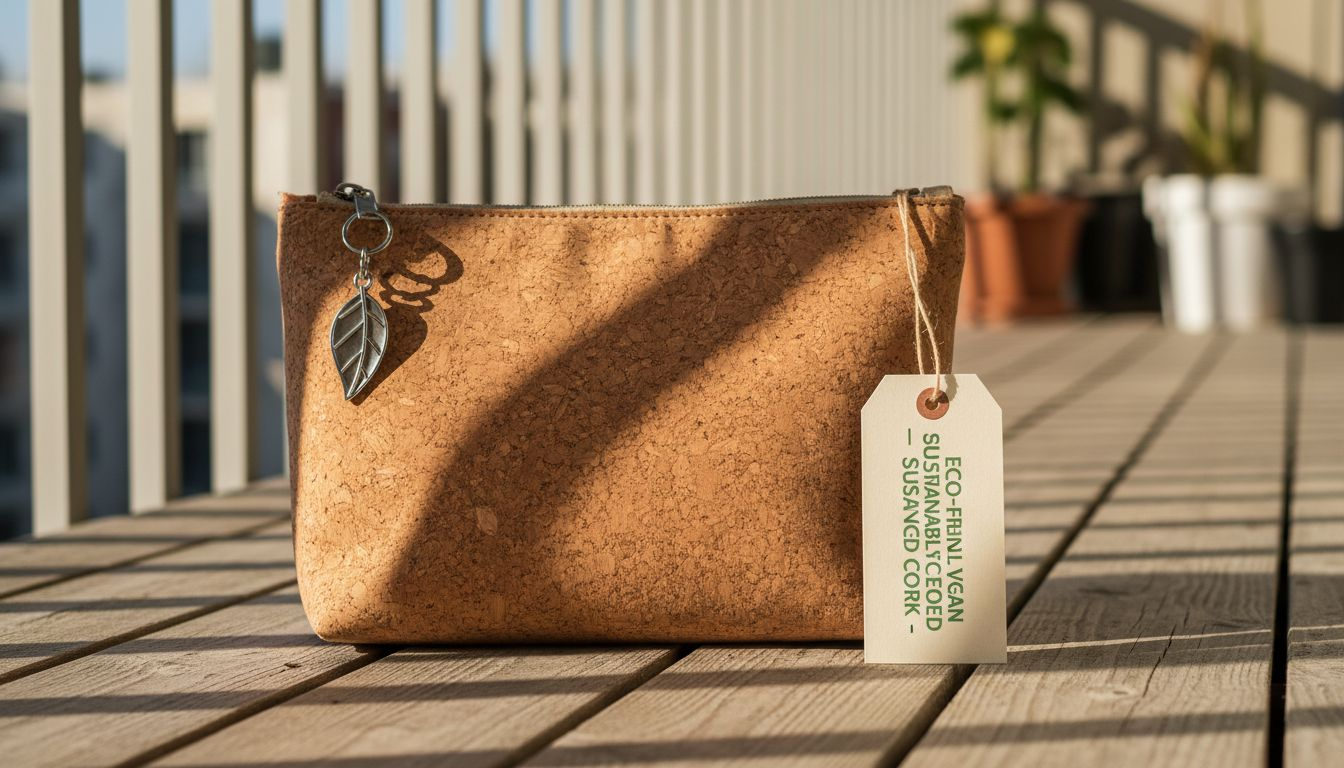
Environmental impact remains a critical consideration when comparing these materials. Cork is harvested from living cork oak trees without causing damage, with bark regenerating every nine to twelve years, creating a truly sustainable production cycle. Synthetic materials, while preventing animal product usage, often rely on petroleum-based manufacturing processes that contribute to carbon emissions and potential microplastic pollution. Consumers committed to ecological responsibility must carefully weigh these nuanced trade-offs between material performance, aesthetic preferences, and environmental consequences.
Here’s a concise comparison of popular vegan purse materials and their key attributes:
| Material Type | Durability Level | Sustainability Impact | Typical Visual Appeal |
|---|---|---|---|
| Cork | Exceptional | Highly renewable, low emissions | Naturally textured, earthy tones |
| Recycled Polyester | Strong, long-lasting | Reduces plastic waste, moderate emissions | Smooth, modern finishes |
| Polyurethane (PU) | Moderate to high | Petroleum-based, less eco-friendly | Wide colour range, sleek look |
| Plant-based Textiles | Variable | Compostable, minimal resource use | Soft, natural colours |
Pro tip: When choosing between cork and synthetic vegan purses, prioritise materials that offer transparent sustainability credentials and align with your personal environmental values.
Style, durability, and functional advantages
Vegan purses have evolved dramatically, with modern designs offering impressive functionality across diverse lifestyle needs. Contemporary vegan accessories now combine sophisticated aesthetics with practical engineering, challenging traditional perceptions about alternative material performance and style versatility.
Functional advantages of vegan purses extend far beyond their ethical foundations. These accessories typically feature innovative organizational layouts with multiple compartments, reinforced hardware, and intelligent design elements that accommodate modern technological requirements. Unlike traditional leather bags that might compromise on practicality, vegan purses are engineered to provide seamless integration with contemporary lifestyle demands - supporting smartphones, tablets, and professional accessories while maintaining a sleek, professional appearance.
Durability remains a critical consideration for conscious consumers, and vegan purses have made significant strides in material resilience. Advanced manufacturing techniques now produce accessories that withstand regular usage, resist water damage, and maintain structural integrity over extended periods. The materials used - whether cork, recycled polyester, or plant-based textiles - undergo rigorous testing to ensure they can compete with, and often outperform, conventional leather in longevity and aesthetic maintenance.
Pro tip: Inspect the internal construction and hardware quality when selecting a vegan purse, as these elements often determine long-term durability and performance.
Animal welfare and ethical considerations
Transformative consumer advocacy has redefined fashion’s relationship with animal welfare, demonstrating how personal purchasing decisions can drive meaningful systemic change. Ethical fashion choices represent more than aesthetic preferences - they embody a profound commitment to preventing animal exploitation and promoting compassionate consumption practices.
The traditional leather industry relies on complex supply chains that inherently involve animal suffering, from livestock farming to leather processing. Vegan purses offer a powerful alternative by completely eliminating animal-derived materials, ensuring no animals are harmed during production. This approach goes beyond simply avoiding leather; it represents a holistic stance against industries that commodify animal bodies, challenging long-standing economic models that prioritise profit over ethical considerations.
Social media and global communication have dramatically accelerated awareness about animal welfare in fashion. Conscious consumers now understand that their individual choices collectively influence manufacturing practices, creating unprecedented pressure on brands to adopt more transparent and humane production methods. By choosing vegan purses, individuals become active participants in a broader movement that challenges existing paradigms of fashion consumption, demonstrating that style and ethics can coexist harmoniously.
Pro tip: Research brands’ full supply chain transparency and animal welfare certifications before making a purchase to ensure your investment truly supports ethical production practices.
Environmental impact of vegan purses
Vegan purses represent a significant advancement in sustainable fashion’s ongoing environmental consciousness, offering an alternative that dramatically reduces the ecological footprint associated with traditional leather production. Sustainable accessories challenge conventional manufacturing processes by utilising materials that minimise environmental degradation and support circular economy principles.
The production of traditional leather involves extensive resource consumption, including massive water usage, harmful chemical treatments, and significant carbon emissions from livestock farming. Vegan purses, particularly those crafted from innovative materials like cork, recycled polyester, and plant-based textiles, demonstrate substantially lower environmental impacts. These alternative materials require fewer resources, generate less pollution, and often enable more efficient recycling and biodegradation processes compared to conventional leather manufacturing.
Material selection plays a critical role in determining a vegan purse’s overall environmental performance. Cork, for instance, represents an exceptional ecological material - harvested from living trees without causing damage, capable of regenerating bark every nine to twelve years, and functioning as a significant carbon capture mechanism. Recycled synthetic materials further contribute to waste reduction by transforming plastic waste into durable, stylish accessories, effectively addressing both environmental conservation and fashion innovation simultaneously.
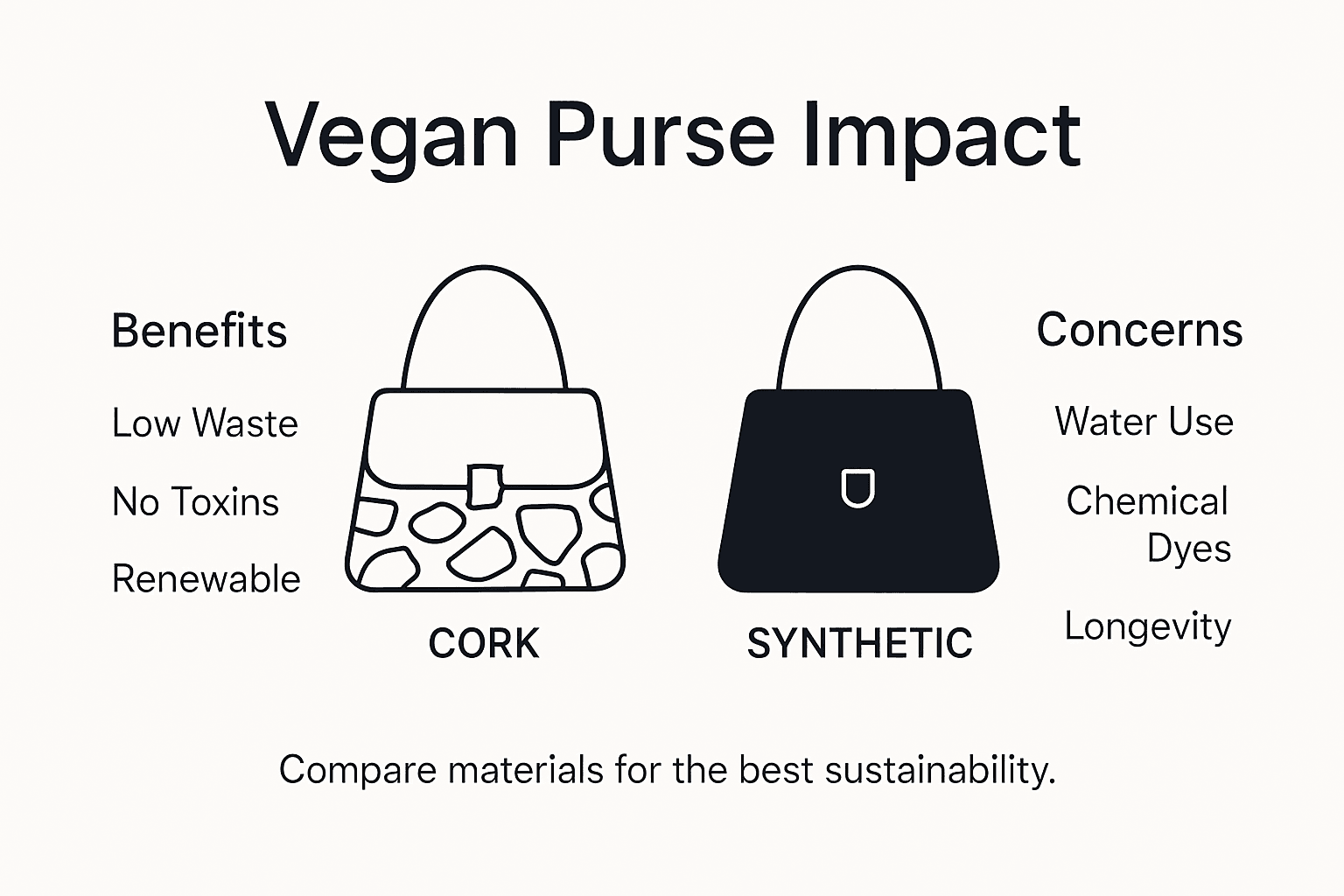
Pro tip: Prioritise vegan purses made from transparently sourced, renewable materials and investigate the manufacturer’s complete sustainability credentials before making a purchase.
Cost comparisons with leather alternatives
Comprehensive price analysis reveals surprising economic advantages for vegan purses, challenging traditional assumptions about sustainable fashion’s affordability. Vegan accessories present a compelling economic alternative to traditional leather products, offering cost-effective solutions without compromising style or quality.
Traditional leather purses typically involve substantial production expenses, including livestock farming costs, complex tanning processes, and extensive manufacturing treatments. Vegan alternatives dramatically reduce these overhead expenses by utilising innovative materials like recycled polyester, cork, and plant-based textiles that are significantly cheaper to source and process. These materials enable manufacturers to create high-quality accessories at more accessible price points, effectively democratising sustainable fashion across diverse consumer segments.
The long-term economic benefits of vegan purses extend beyond initial purchase prices. While leather products often require expensive specialised maintenance and have limited lifespans, vegan materials like cork demonstrate remarkable durability and minimal upkeep requirements. This translates to reduced replacement frequencies and lower cumulative ownership costs. Additionally, the emerging global market for sustainable accessories continues to drive down production expenses, making vegan purses increasingly competitive with traditional leather options.
Below is a summary of cost considerations for vegan versus leather purses to help guide purchasing decisions:
| Factor | Vegan Purse Advantages | Leather Purse Challenges |
|---|---|---|
| Initial Purchase Price | Often lower or competitive | Frequently higher |
| Maintenance Costs | Minimal upkeep needed | Requires specialist care |
| Replacement Frequency | Durable, less frequent | May wear out sooner |
| Long-term Total Expenditure | Reduced over time | Adds up with maintenance |
Pro tip: Compare total ownership costs, including maintenance and potential replacement, rather than focusing solely on initial purchase price when evaluating vegan versus leather accessories.
Embrace Ethical Fashion with Stunning Vegan Cork Purses
The article highlights the challenge of finding stylish, durable, and truly ethical accessories that do not compromise on quality or environmental responsibility. Many people want to support animal welfare and reduce their ecological footprint but struggle to locate genuine alternatives to leather that meet these goals. Vegan purses crafted from sustainable materials like cork offer a powerful solution by combining natural durability, cruelty-free production, and a sophisticated look that complements conscious lifestyles.
Discover the elegance and purpose of vegan cork purses at The Cork Store. 
Shop now to transform your accessory collection with eco-friendly handbags, wallets, and backpacks designed for modern ethical consumers. By choosing cork, you invest in a renewable resource that supports environmental sustainability and animal welfare simultaneously. Explore our curated range and join a growing movement that proves style and compassion can go hand in hand. Visit The Cork Store today and make your next purchase a statement of conscious fashion.
Also explore the blog for more insights into cork’s environmental benefits and sustainable fashion guidance at Sustainable Cork Accessories.
Frequently Asked Questions
What are vegan purses made from?
Vegan purses are made from materials that do not involve any animal products. Common materials include cork, recycled polyester, and plant-based textiles, which are both stylish and environmentally friendly.
How do vegan purses compare to traditional leather in terms of durability?
Modern vegan purses often match or exceed traditional leather in durability. Materials like cork offer exceptional resilience, water resistance, and structural integrity, ensuring they can withstand daily use while maintaining their aesthetic appeal.
Are vegan purses a more sustainable choice compared to leather?
Yes, vegan purses are generally more sustainable than leather. The production of traditional leather contributes to significant resource use, pollution, and animal suffering. In contrast, vegan purses use renewable or recycled materials, reducing environmental impact and supporting sustainable practices.
How do I ensure that the vegan purse I choose is ethically produced?
To ensure your vegan purse is ethically produced, examine the material composition and look for certifications that demonstrate transparency in manufacturing and commitment to ethical practices. This information is often provided by manufacturers to validate their sustainability claims.
Recommended
- Vegan Purse Explained: Eco-Friendly, Cruelty-Free Accessory – The Cork Store
- Advantages of Vegan Purses: Complete Guide – The Cork Store
- Understanding the Features of Vegan Purses – The Cork Store
- 7 Types of Vegan Bags for Eco-Friendly Fashion – The Cork Store
- Vegane Hautpflegeprodukte: Der vollständige Leitfaden – Kühlkern UG (Haftungsbeschränkt)