

Stylish tan ladies purse with sustainable cork 2026
Finding a tan purse that balances style with sustainability feels impossible. Leather carries ethical baggage, whilst many vegan alternatives rely on plastic. Cork emerges as a compelling solution: renewable, durable, and naturally elegant. This guide evaluates the best tan ladies purse options crafted from cork, comparing them against leather and synthetics to help you choose a purse that reflects your values without sacrificing sophistication.
Table of Contents
- How To Choose A Sustainable Tan Ladies Purse: Key Criteria
- Top Tan Ladies Purse Options Made From Cork
- Comparing Cork Purses With Leather And Other Alternatives
- Choosing The Right Tan Ladies Purse For Your Needs
- Explore Eco-Friendly Cork Purses And Gifts At The Cork Store
- Frequently Asked Questions
Key takeaways
| Point | Details |
|---|---|
| Cork purses provide a genuinely sustainable alternative | Cork harvesting is renewable, requires minimal chemicals, and supports forest ecosystems |
| Traditional leather production harms animals and the environment | Over 1.4 billion animals are used annually, alongside significant water and chemical use |
| Not all vegan leathers are eco-friendly | PVC and PU alternatives are plastic-based and create pollution |
| Cork offers style, durability, and ethical production | Natural texture, water-resistant properties, and cruelty-free sourcing |
| Choosing cork supports sustainable fashion in 2026 | Lower carbon footprint and renewable material cycles benefit the planet |
How to choose a sustainable tan ladies purse: key criteria
Selecting a sustainable purse requires looking beyond marketing claims to evaluate real environmental and ethical impacts. Start by examining the material itself. Cork’s renewable harvesting process preserves trees for decades, whilst synthetic options like PVC and PU are petroleum-based plastics that shed microparticles. Leather production demands enormous water volumes and chemical tanning processes that pollute waterways.
Style compatibility matters just as much as sustainability. A purse should complement your wardrobe and lifestyle, whether you need a minimalist everyday bag or something more structured for professional settings. Cork naturally offers a warm tan tone with subtle grain patterns that suit both casual and formal occasions.
Durability determines whether your sustainable choice truly reduces waste. Cork fabric resists water naturally, maintains shape over years of use, and requires minimal care compared to leather’s conditioning needs. Check construction quality: reinforced stitching and quality hardware extend lifespan significantly.
Ethical sourcing closes the sustainability loop. Verify that production avoids exploitative labour and that materials trace to responsibly managed sources. Cork harvesting supports Mediterranean forest ecosystems and rural communities through fair-wage employment, contrasting sharply with industrial leather’s environmental and animal welfare concerns.
Key evaluation criteria include:
- Material environmental footprint throughout production and disposal
- Renewable versus finite resource extraction methods
- Chemical use and pollution during manufacturing
- Durability and maintenance requirements
- Ethical labour practices and animal welfare
- Style versatility across different settings
Pro Tip: Beware of vague “vegan leather” labels. Many use plastic-based materials that create microplastic pollution. Ask specifically about material composition before purchasing.
Top tan ladies purse options made from cork
Cork purses combine natural elegance with practical functionality. The material’s inherent tan colour ranges from light honey to rich caramel, offering variety without synthetic dyes. Texture varies from smooth, leather-like finishes to more prominent grain patterns that showcase cork’s organic origins.
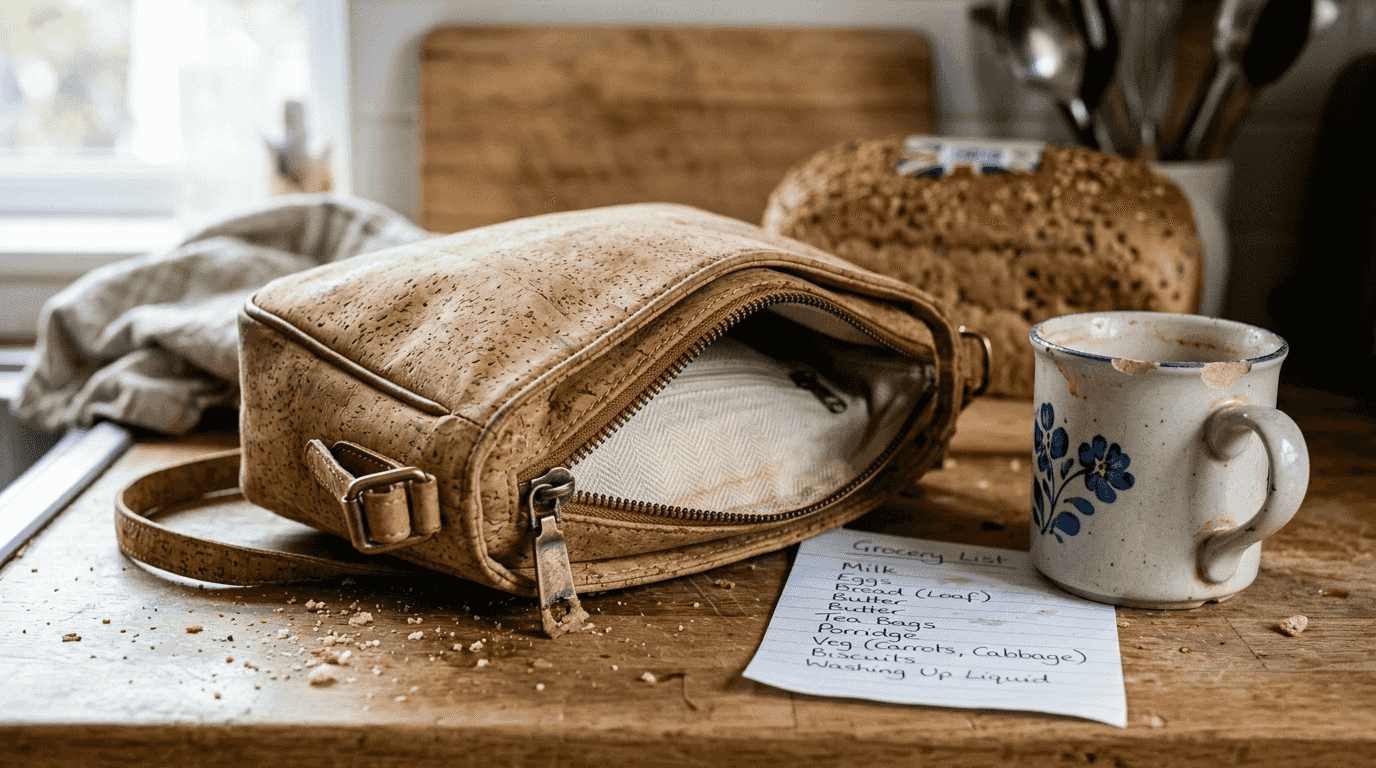
Popular cork purse styles for 2026 include crossbody designs for hands-free convenience, structured totes for professional use, and compact clutches for evening occasions. Cork’s natural flexibility allows designers to create curved shapes and pleated details previously associated only with leather. Cork fabric production achieves these aesthetic qualities whilst maintaining a significantly lower environmental impact than animal leather or synthetic alternatives.
Functional benefits make cork purses practical for daily use:
- Water resistance protects contents during unexpected weather
- Lightweight construction reduces shoulder strain during extended wear
- Natural antimicrobial properties keep interiors fresher
- Soft texture prevents scratching phones and other items
- Stain resistance simplifies cleaning and maintenance
Cork purses suit multiple occasions. A structured cork tote transitions seamlessly from office meetings to weekend markets. Crossbody cork bags offer casual elegance for daily errands whilst maintaining enough sophistication for dinner outings. The material’s natural warmth complements both neutral and colourful wardrobes.
Care requirements remain minimal. Unlike leather, cork never needs conditioning treatments or waterproofing sprays. A damp cloth removes most marks, and the material naturally resists absorbing stains. This low-maintenance quality extends product lifespan whilst reducing the need for chemical cleaning products.
Durability exceeds expectations. High-quality cork fabric withstands years of regular use without cracking, peeling, or losing shape. The material’s cellular structure provides natural cushioning that absorbs impacts better than rigid synthetics, whilst remaining more resilient than treated leather over time.
Comparing cork purses with leather and other alternatives
Understanding material differences helps clarify why cork stands out among sustainable options. Traditional leather production involves over 1.4 billion animals annually, creating ethical concerns alongside environmental impacts. Tanning processes use chromium and other heavy metals that contaminate water supplies. Cattle ranching for leather drives deforestation in sensitive ecosystems.
Synthetic “vegan” leathers often substitute one problem for another. PVC and polyurethane rely on fossil fuels, release volatile organic compounds during production, and shed microplastics throughout their lifespan. These materials eventually end up in landfills where they persist for centuries without breaking down.
Cork harvesting is renewable and chemical-light with a much smaller carbon footprint. Cork oak trees live 200+ years, and bark regrows after each harvest without harming the tree. This nine-year harvest cycle actually benefits tree health, and cork forests absorb more carbon dioxide than unharvested trees.
| Factor | Cork | Leather | Synthetic Vegan |
|---|---|---|---|
| Environmental impact | Low: renewable harvest, minimal chemicals | High: deforestation, water use, toxic tanning | Medium-high: fossil fuels, microplastics |
| Animal welfare | Excellent: no animals used | Poor: requires animal slaughter | Good: no animals, but often plastic-based |
| Durability | Excellent: 5-10+ years with care | Good: 3-7 years, requires conditioning | Fair: 2-5 years, peeling common |
| Maintenance | Minimal: wipe clean, no treatments | High: regular conditioning, waterproofing | Low: wipe clean, but damage irreversible |
| Style aesthetic | Natural, warm texture | Traditional, varied finishes | Often plasticky appearance |
| End-of-life | Biodegradable | Biodegradable if vegetable-tanned | Landfill for centuries |
Key advantages of cork over alternatives:
- Renewable resource that actively benefits ecosystems
- Cruelty-free production without animal products
- Natural water resistance without chemical treatments
- Biodegradable end-of-life versus persistent plastic waste
- Lower carbon footprint throughout production cycle
“Cork represents a genuinely circular material that supports both environmental health and rural economies. Unlike leather or plastic alternatives, cork harvesting actually enhances forest ecosystems whilst providing sustainable livelihoods.” – Ellen MacArthur Foundation materials research
Pro Tip: When comparing purses, calculate cost per year of expected use rather than just upfront price. Cork’s durability often makes it more economical over time despite slightly higher initial investment compared to synthetic options.
Choosing the right tan ladies purse for your needs
Match your purse choice to lifestyle priorities through systematic evaluation. Consider these factors in order:
- Define your primary use case: daily commuting, professional meetings, weekend outings, or multi-purpose needs
- Assess storage requirements: phone, wallet, keys only, or larger items like tablets and cosmetics
- Determine carry preference: crossbody for hands-free mobility, tote for capacity, or clutch for minimal bulk
- Set a realistic budget including long-term value rather than just purchase price
- Evaluate material sustainability claims using specific criteria rather than vague marketing
- Check construction quality through reviews, return policies, and warranty terms
Budget considerations extend beyond the price tag. Cork purses typically cost £40-120 depending on size and construction complexity. This positions them competitively with quality leather whilst offering superior sustainability. Synthetic vegan options may seem cheaper initially at £25-60, but often require replacement within two years due to peeling and deterioration.
Maintenance directly impacts lifespan. Cork requires only occasional wiping with a damp cloth, never needs conditioning, and naturally resists water and stains. Store cork purses in dust bags or on shelves rather than compressed in drawers to maintain shape. Avoid prolonged direct sunlight, which can fade natural colour over time, though cork proves more UV-resistant than leather.
Occasion versatility maximises value. A medium-sized cork crossbody transitions from casual weekend wear to smart-casual professional settings. Tan tones complement seasonal wardrobes: pairing beautifully with summer whites and winter darks alike. Cork’s natural texture adds visual interest without overwhelming outfits.
Sustainability goals determine material priority. If eliminating animal products tops your list, cork delivers completely cruelty-free production. For carbon footprint reduction, cork’s renewable harvesting beats both leather and plastic alternatives. Those focused on waste reduction appreciate cork’s biodegradability and decade-long durability.
Pro Tip: Start with one versatile cork purse rather than multiple cheaper alternatives. A quality tan crossbody serves 80% of occasions whilst lasting years longer than synthetic options, ultimately reducing both spending and waste.
Explore eco-friendly cork purses and gifts at The Cork Store
Ready to embrace sustainable fashion without compromising style? The Cork Store offers an extensive collection of tan cork purses designed for modern, eco-conscious lifestyles. Browse women’s gift sets featuring coordinated cork accessories that make sustainable choices easy and elegant.
Discover everything from everyday crossbody bags to sophisticated clutches, all crafted from renewable cork. The natural cork wallet gift set pairs beautifully with cork purses for complete accessory coordination. Each piece combines Portuguese craftsmanship with contemporary design, proving sustainable materials create stunning fashion.
Explore eco-friendly cork gift ideas for yourself or loved ones. Support a fashion future that respects both people and planet whilst enjoying timeless style that lasts. Your next favourite purse awaits, guilt-free and gorgeous.
Frequently asked questions
Are cork purses truly sustainable?
Yes, cork harvesting is genuinely renewable. Cork oak trees live over 200 years, and bark regrows after each nine-year harvest cycle without harming the tree. This process requires no pesticides, minimal water, and actually increases the tree’s carbon absorption capacity. Cork forests support biodiversity and rural employment across Mediterranean regions, creating positive environmental and social impacts throughout the supply chain.
What makes cork purses better than leather or plastic alternatives?
Cork offers a unique combination of benefits. Unlike leather, cork production involves no animal slaughter and uses dramatically less water and chemicals. Compared to plastic vegan leathers, cork is renewable rather than petroleum-based, biodegradable rather than persistent waste, and free from microplastic shedding. Cork’s natural properties include water resistance, antimicrobial qualities, and durability that matches or exceeds both alternatives whilst maintaining a significantly lower carbon footprint.
How do I care for and maintain a tan cork purse?
Maintenance is refreshingly simple. Wipe your cork purse with a damp cloth to remove surface dirt, using mild soap only for stubborn marks. Never use harsh chemicals, bleach, or abrasive scrubbers. Allow the purse to air dry naturally, avoiding direct heat sources. Store in a dust bag or on a shelf to maintain shape. Cork’s natural water resistance means no waterproofing treatments are needed, and the material never requires conditioning like leather does.
Do cork purses come in different styles and sizes?
Absolutely. Cork fabric’s flexibility allows diverse designs from compact clutches to spacious totes. You’ll find crossbody bags for hands-free convenience, structured handbags for professional settings, and casual hobos for weekend use. Sizes range from small evening purses to large everyday bags. Natural cork colour varies from light tan to deeper caramel tones, with some designs incorporating cork’s natural grain patterns for added texture and visual interest.
How long does a cork purse typically last?
Quality cork purses easily last five to ten years with normal use, often outlasting leather equivalents. The material’s cellular structure provides natural resilience against wear, whilst its water resistance prevents the deterioration common in other fabrics. Durability depends on construction quality: reinforced stitching, quality hardware, and proper thickness all contribute to longevity. Many users report their cork bags maintaining shape and appearance even after years of daily use, making them excellent long-term investments.
Recommended
- Chic & Sustainable: Stylish Ladies’ Cork Crossover Bags Collection – The Cork Store
- Stylish Ladies Cork Rucksacks/Backpacks - Effortless Elegance Meets Ev – The Cork Store
- 7 Reasons Why Cork Handbags Are the Future of Fashion | The Cork Store
- Hands-Free Style: Women’s Cork Crossbody Bags | Ethical Fashion – The Cork Store