
Tree handbags for UK buyers: sustainable cork bags
For UK shoppers seeking cruelty-free, low-impact bags, cork — the bark of the cork oak tree — is a genuinely credible alternative to animal leather. The single most important check before you buy: confirm what the backing and lining are made from, because a cork surface bonded to polyurethane or polyester is, in practical terms, a plastic product.
Here is what to prioritise immediately:
- Check backing and lining composition first. Natural backings (organic cotton, linen) preserve cork’s eco-credentials; PU or polyester backings undermine them.
- Look for sourcing transparency. A trustworthy seller names the country of origin and references PEFC certification or ISO/TS 24972 guidance.
- Compare styles after you have verified materials. Tote, crossbody, backpack, clutch — style choice matters less than what the bag is actually made from.
Key takeaways
Cork handbags are a credible, cruelty-free alternative to leather when sourced from certified forests and finished with natural backings — the backing material is the single most important thing to verify before you buy.
| Point | Details |
|---|---|
| Check backing first | Natural backings (cotton, linen) preserve eco credentials; PU or polyester backings undermine them. |
| Verify sourcing | Look for PEFC certification or ISO/TS 24972 references and a named country of origin. |
| Match style to use | Totes and backpacks suit daily loads; crossbodies for hands-free days; clutches for light evening use. |
| Care extends lifespan | Damp-cloth cleaning, stuffed storage, and avoiding solvents keep cork bags in good condition for years. |
| Thecorkstore | A UK-based retailer with cork handbags, backpacks and gift sets available with domestic delivery. |
Table of Contents
- Why are cork handbags genuinely sustainable?
- What should you check before buying a cork handbag?
- Which cork bag style suits your everyday needs?
- How long do cork handbags last, and how do you care for them?
- Where can UK shoppers buy trustworthy cork handbags?
- Why you can trust this guide
- What the backing material question actually reveals
- Thecorkstore: cork handbags available now in the UK
- Sources
Why are cork handbags genuinely sustainable?
Cork is stripped from living cork oak trees (Quercus suber) without felling them. Skilled harvesters use specialist axes to remove the outer bark while preserving the mother-cell layer beneath, which allows the tree to regenerate. According to the Natural Cork Council, professional manual debarking at regular intervals is the practice that sustains forest longevity — and trees are typically marked with the final digit of the harvest year to track regeneration cycles.
That interval is not fixed, though. A peer-reviewed forestry study published in Annals of Forest Science found that optimal debarking intervals vary by site, depending on cork growth rates and stand quality. Some sites benefit from longer rest periods; management intensity directly affects both yield and quality. The practical takeaway for buyers: “harvested every nine years” is a reasonable benchmark, not a universal rule.
The LCA picture: A life-cycle assessment of cork production in Portuguese montados identified cork stripping and forest management activities as the primary environmental hotspots — not the fabric-making stage. Regional management choices change the overall profile significantly.
Beyond renewability, the Natural Cork Council notes that cork fabric is lightweight, rot-resistant, and antimicrobial, and that when processed without synthetic backings it can serve as a plastic-free vegan alternative to leather. Cork oak forests also sequester carbon and support high biodiversity across the Iberian Peninsula and North Africa — benefits that extend well beyond the bag in your wardrobe.
Certifications to recognise:
- PEFC (Programme for the Endorsement of Forest Certification): confirms the forest source meets independently audited sustainability standards.
- ISO/TS 24972:2026: a technical specification covering sustainable management of cork oak forests, including regional debarking rules and prohibited operations.
Pro Tip: If a product page mentions “sustainably sourced cork” without naming a certification body or country of origin, treat that as a marketing claim, not a verified one. Ask the seller directly.
What should you check before buying a cork handbag?
A quick scan of the product page tells you most of what you need to know. Work through this checklist before adding anything to your basket:
- Country of origin. Portugal and Spain account for the vast majority of cork oak forests. A vague “Europe” or no origin at all is a red flag.
- Backing and lining composition. Cork fabric typically requires a backing layer for structural support; organic cotton or linen backings maintain compostability, while polyester or PU backings compromise it significantly.
- Certification reference. PEFC or an ISO/TS 24972 reference on the product page or in the brand’s sourcing statement indicates the supply chain has been assessed.
- Hardware and accessories. Check whether zips, clasps and feet are metal or plastic. Plastic hardware on an otherwise natural bag is a common oversight.
- Returns and warranty terms. UK consumer law gives you 14 days to return goods bought online, but a seller’s own policy may be more generous. Confirm before purchase.
- Photos of the interior. If the lining is not shown, ask. A seller confident in their materials will share them.
Understanding what makes vegan handbags eco-friendly goes deeper on material disclosures if you want a fuller framework.
Sustainable Jungle’s analysts make the point plainly: a cork surface bonded to high-plastic backings effectively becomes a plastic product despite its natural appearance. That is the core greenwashing risk in this category.
Pro Tip: Listing copy that leads with “eco”, “natural” or “vegan” but never specifies the backing material is the clearest signal of likely greenwashing. Genuine transparency costs nothing to provide.
Which cork bag style suits your everyday needs?
Style and function are closely linked with cork bags, partly because the material’s structure affects how each format performs.
- Tote: The most practical everyday option for commuting or shopping. Cork totes benefit from a firmer backing to hold their shape under load; look for reinforced base panels.
- Crossbody: Ideal for hands-free days out. Cork’s natural lightness makes crossbody bags genuinely comfortable over long periods.
- Backpack: Best for heavier loads or travel. Reinforced backings and padded straps matter more here than in any other style, and they typically push the price up accordingly.
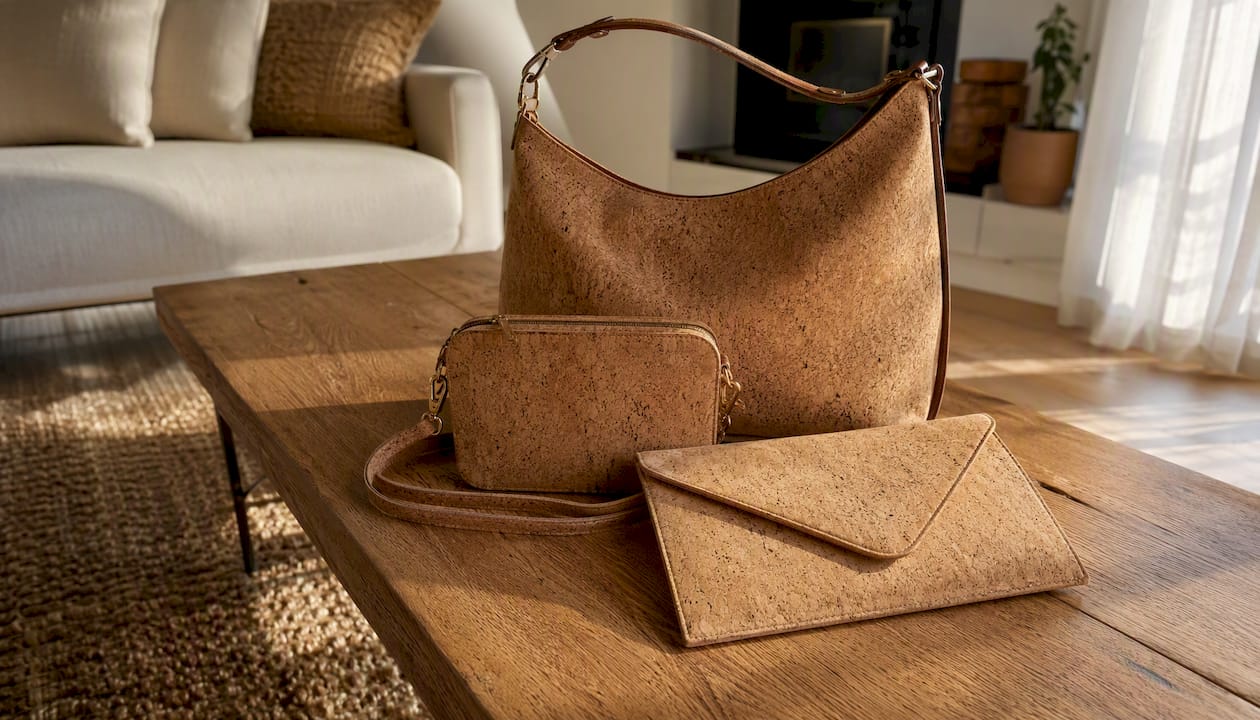
- Clutch: Low-weight evening use. Clutches need less structural backing, which makes them the style most likely to use thinner, lighter cork and natural linings throughout.
For style inspiration alongside practical guidance, vegan handbag types for eco-conscious buyers covers the full range with examples.
Price broadly follows structure: a well-made cork backpack with reinforced backing will cost more than a simple clutch, and that premium usually reflects genuine material and construction differences rather than branding alone.
How long do cork handbags last, and how do you care for them?
A well-maintained cork bag with a natural backing can last several years of regular use. The backing material is the single biggest determinant of lifespan: PU or polyester backings are more prone to delamination over time, whereas organic cotton or linen backings tend to age more gracefully.
Routine care is straightforward:
- Surface cleaning: A damp cloth with mild soap removes most marks. Work gently and dry naturally.
- Stain treatment: Blot, do not rub. For stubborn stains, a diluted white vinegar solution on a soft cloth usually works without damaging the surface.
- Storage: Keep the bag stuffed with tissue paper when not in use to maintain shape. Avoid folding cork tightly, which can cause surface cracking over time.
- What to avoid: Harsh solvents, prolonged direct sunlight, and machine washing. Heat accelerates delamination in any backing material.
For a full step-by-step routine, how to clean vegan handbags naturally covers the process in detail.
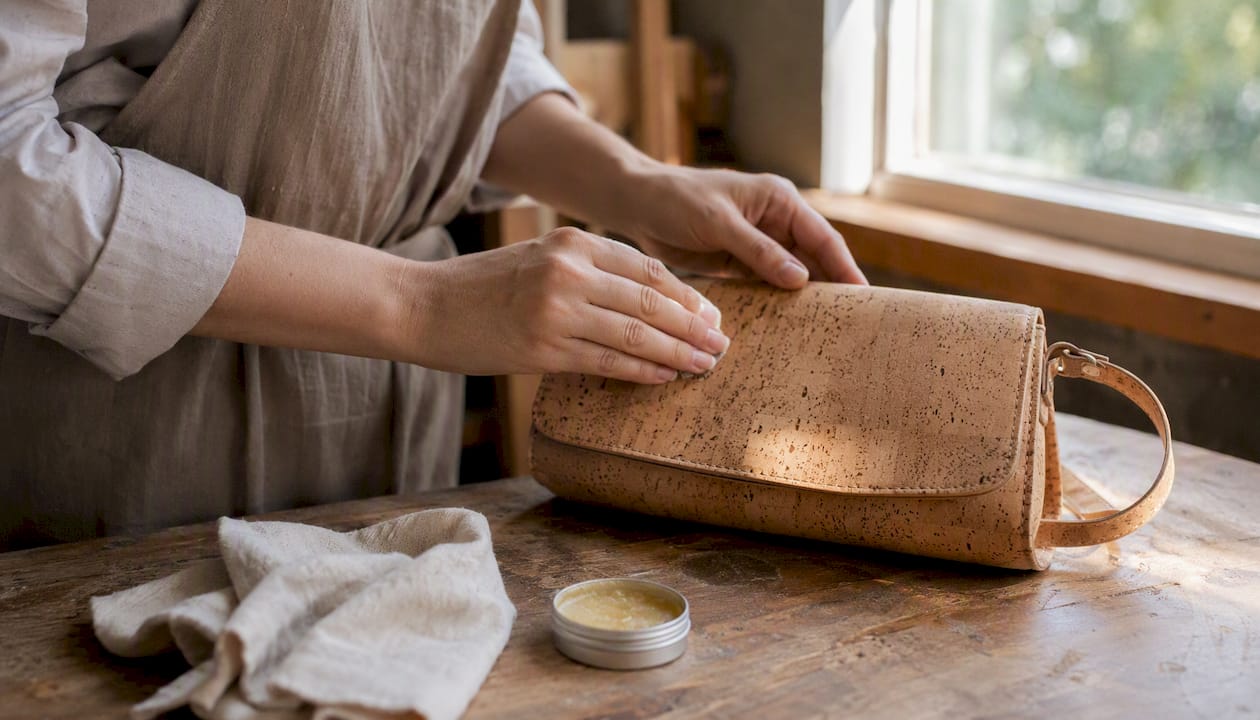
Pro Tip: Minor surface scuffs on cork can often be buffed out with a small amount of natural beeswax or cork-specific conditioner. If the backing starts to separate at a seam, contact the retailer before the damage spreads — most quality sellers will advise on repair or replacement.
Where can UK shoppers buy trustworthy cork handbags?
Before purchasing from any UK seller, verify these specifics on the product page:
- Close-up photos showing both the cork surface and the interior lining
- Explicit backing and lining material disclosure (not just “cork leather”)
- UK delivery timeframes and a clear returns policy
- Customer reviews from UK buyers, ideally mentioning material quality and durability
Thecorkstore is a UK-based retailer specialising in cork accessories, with product pages that include care guidance and material information. Cork accessories in the UK outlines availability and what to expect from UK-based cork retailers.
Pro Tip: Search the seller’s reviews for the word “lining” or “backing”. Buyers who have owned the bag for a year or more often mention these details unprompted, and that is more reliable than any product description.
Price ranges for cork handbags in the UK typically run from around £25–£40 for a simple clutch or small purse to £60–£120 for a structured tote or backpack. Delivery within the UK from a domestic retailer is usually 2–5 working days. Returns under UK consumer law allow 14 days from receipt for online purchases, and reputable sellers often extend this.
Why you can trust this guide
The recommendations in this article draw on the following sources:
- Natural Cork Council — industry body publishing technical and consumer-facing guidance on cork harvesting and material properties
- Sustainable Jungle — independent sustainability analysts covering material supply chains and greenwashing risks
- ISO/TS 24972:2026 — international technical specification for sustainable cork oak forest management
- Peer-reviewed LCA and forestry research (Springer, ScienceDirect) covering production hotspots and harvest optimisation
- Thecorkstore product pages and blog content, used as examples of UK-market material disclosure
The sourcing and certification signals described in this guide are drawn from independent standards bodies and peer-reviewed research, not from vendor marketing. Every claim about material properties or environmental impact is linked to its source so you can verify it directly.
What the backing material question actually reveals
Most articles about cork handbags focus on the surface: the texture, the grain, the look. The backing question gets far less attention, and that is where the real sustainability story lives.
A cork bag with a PU backing is not meaningfully different from a synthetic bag with a natural veneer. The cork surface will biodegrade; the backing will not. Buyers who care about end-of-life outcomes need to ask about the backing specifically, because sellers who use natural backings almost always say so prominently, while those using PU tend to stay quiet about it.
The second thing UK buyers underestimate is provenance verification. Asking a seller “which forest certification does your cork carry?” takes ten seconds and immediately separates brands with genuine supply-chain transparency from those trading on the category’s reputation. A seller who cannot answer that question has not done the work.
Thecorkstore: cork handbags available now in the UK
Thecorkstore offers a focused range of cork handbags, backpacks, wallets and gift sets, all available with UK delivery. The product pages include material descriptions and care guidance, which means you can apply the checklist from this article directly before checkout.
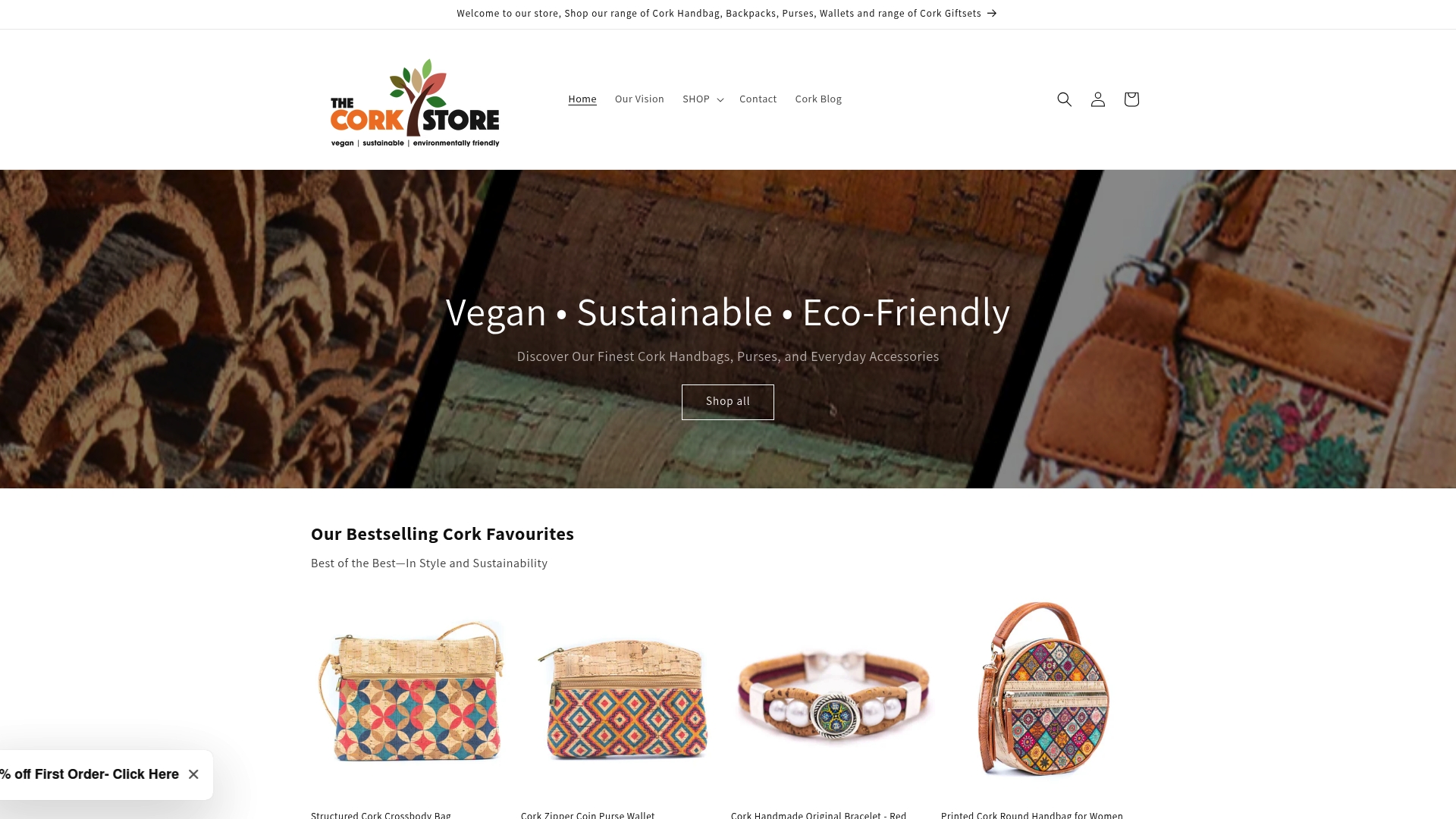
For gifting, the women’s gift sets collection brings together cork accessories in curated sets — a practical option if you want to give something genuinely sustainable without having to verify each item individually. Check the product page for current backing and lining details, UK delivery timeframes, and the returns policy before you complete your order.
Sources
- What Is Cork Fabric? Is Cork Leather Sustainable?
- The cork harvesting process
- Optimisation of cork oak stand management (peer‑reviewed study)
- Life‑cycle assessment of cork production in Portuguese montados (LCA study)
- Cork leather - InfoCork