
What Is Cork Fabric? Complete Eco-Friendly Guide
Every year, over 340,000 tons of cork are harvested worldwide, yet cork trees remain unharmed and continue to thrive. This rare combination of renewal and resilience makes cork fabric stand out for anyone who cares about sustainable living. Discover how this natural material moves from Mediterranean forests to everyday essentials while offering real benefits for the environment and conscious consumers.
Table of Contents
- Defining Cork Fabric And Its Origins
- How Cork Fabric Is Made And Processed
- Key Characteristics And Everyday Uses
- Cork Fabric Versus Leather And Alternatives
- Environmental Impact And Sustainability Factors
Key Takeaways
| Point | Details |
|---|---|
| Sustainable Material | Cork fabric is derived from cork oak trees and is 100% biodegradable, making it a highly sustainable alternative to traditional textiles. |
| Harvesting Process | The bark of cork oak trees is carefully stripped without damaging the tree, allowing for regenerative harvesting every 9-12 years. |
| Versatile Applications | Cork fabric’s unique properties lend themselves to diverse uses, including fashion accessories, home décor, and functional design items. |
| Environmental Benefits | The material contributes to carbon sequestration and habitat preservation, reducing environmental impact compared to synthetic and animal-based leathers. |
Defining Cork Fabric and Its Origins
Cork fabric is a revolutionary sustainable material derived from the bark of cork oak trees, transforming an ancient natural resource into a modern eco-friendly textile. According to the Natural Cork Council, this innovative fabric originates in the western Mediterranean region, where cork oak trees (Quercus suber) flourish across Portugal, Spain, and parts of northwest Africa.
The harvesting process makes cork fabric truly remarkable. Unlike traditional leather production, cork bark is carefully stripped from living trees without causing damage, allowing the tree to continue growing and regenerating. This unique regenerative harvesting means a single cork oak can produce bark for fabric every 9-12 years, making it an incredibly sustainable material. The bark’s natural properties - including impermeability, elasticity, and fire resistance - make it an exceptional fabric alternative.
Key characteristics of cork fabric include:
- 100% natural and biodegradable
- Lightweight and flexible
- Water-resistant and durable
- Hypoallergenic and easy to clean
- Minimal environmental impact
For those passionate about understanding the broader context of sustainable materials, our guide on understanding the role of cork in sustainable fashion provides deeper insights into this extraordinary textile’s environmental significance.
How Cork Fabric Is Made and Processed
Cork fabric production is a fascinating transformation of natural cork bark into a versatile textile material. According to Jelinek Cork, the process begins with carefully harvesting thin cork shavings directly from the bark of cork oak trees, which are then prepared through a specialized proprietary technique.
The manufacturing process involves several precise stages. As reported by the Natural Cork Council, cork undergoes an initial natural drying process lasting six months. After drying, the cork is boiled and steamed to enhance its elasticity, making it more pliable and adaptable for fabric creation. During this stage, heat and pressure are strategically applied to shape the cork into uniform blocks.
Key steps in cork fabric production include:
- Harvesting cork bark without damaging the tree
- Drying cork shavings for six months
- Boiling and steaming to increase flexibility
- Applying heat and pressure to create cork blocks
- Slicing blocks into thin, uniform sheets
- Laminating sheets to a fabric backing
For those interested in exploring the broader sustainability of materials like cork, our guide on understanding eco-friendly materials in fashion provides additional insights into innovative textile production methods.
Key Characteristics and Everyday Uses
Cork fabric emerges as a remarkably versatile material with an impressive range of characteristics that set it apart from traditional textiles. According to Jelinek Cork, the fabric boasts exceptional properties including durability, lightweight construction, water resistance, and impressive stain resistance. These unique attributes make cork fabric an ideal choice for environmentally conscious consumers seeking both functionality and style.
The material’s extraordinary characteristics extend far beyond basic fabric requirements. With low density and near-impermeability, cork fabric finds applications across diverse industries. As noted in Wikipedia’s research, its elasticity and unique properties make it suitable for everything from fashion accessories to practical applications like insulation and marine equipment. The fabric’s versatility means it can seamlessly transition between fashion, home décor, and functional design.
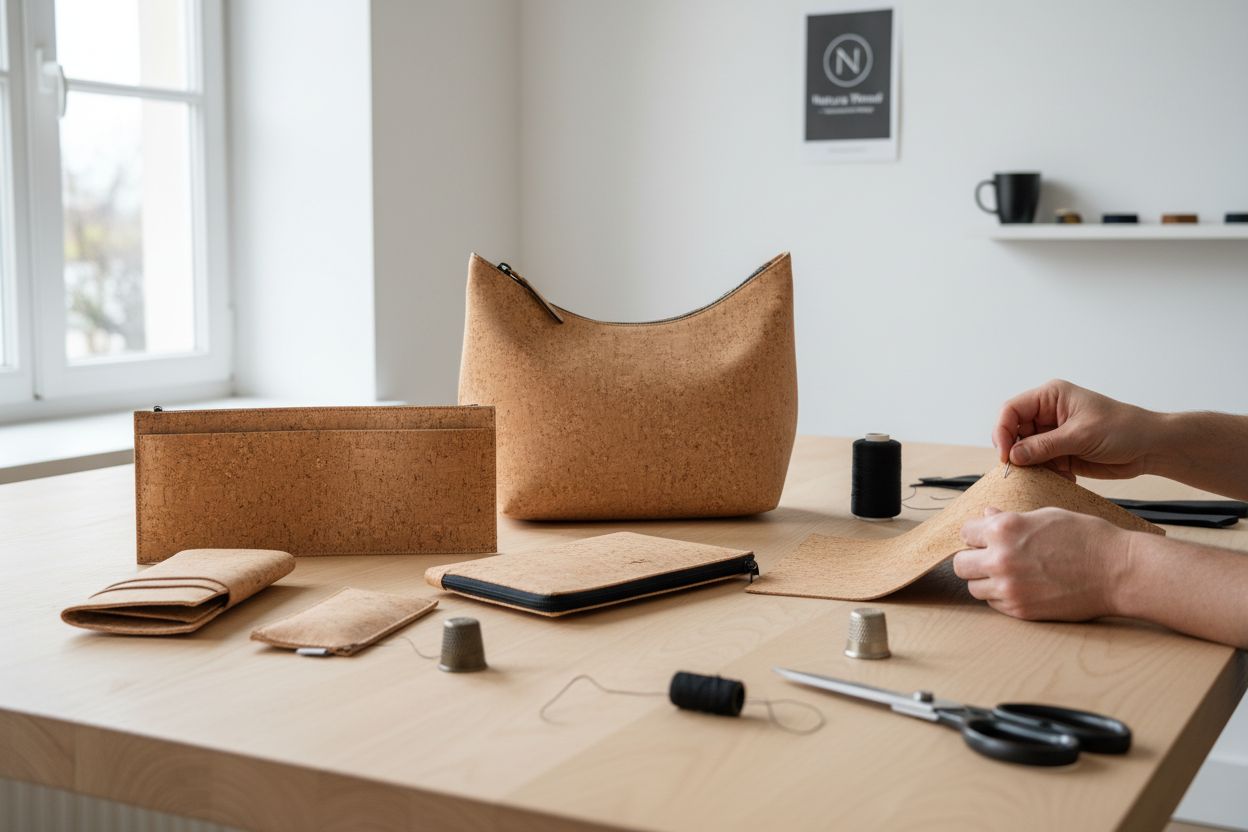
Primary uses of cork fabric include:
- Fashion accessories (handbags, wallets, shoes)
- Home décor items (cushion covers, wall hangings)
- Sustainable clothing pieces
- Upholstery and furniture coverings
- Professional and casual bags
- Lightweight outdoor and travel gear
For those eager to explore sustainable material alternatives, our guide on understanding what is cork leather and its benefits offers deeper insights into this remarkable textile’s potential.
Cork Fabric Versus Leather and Alternatives
Vegan leather alternatives have revolutionized sustainable fashion, with cork fabric emerging as a standout solution. According to TRVST, cork fabric represents a sustainable alternative to both animal leather and environmentally harmful plastic-based materials, primarily harvested from cork oak trees in Portugal and the Mediterranean region.
The environmental comparison between cork fabric and traditional leather is stark. As reported by Sustainable Jungle, cork leather requires no tanning, finishing, or harmful chemical additives. Unlike conventional leather production, which generates toxic wastewater containing chemicals like cyanide and chromium, cork fabric production remains remarkably clean and pollution-free.
Key comparative advantages of cork fabric include:
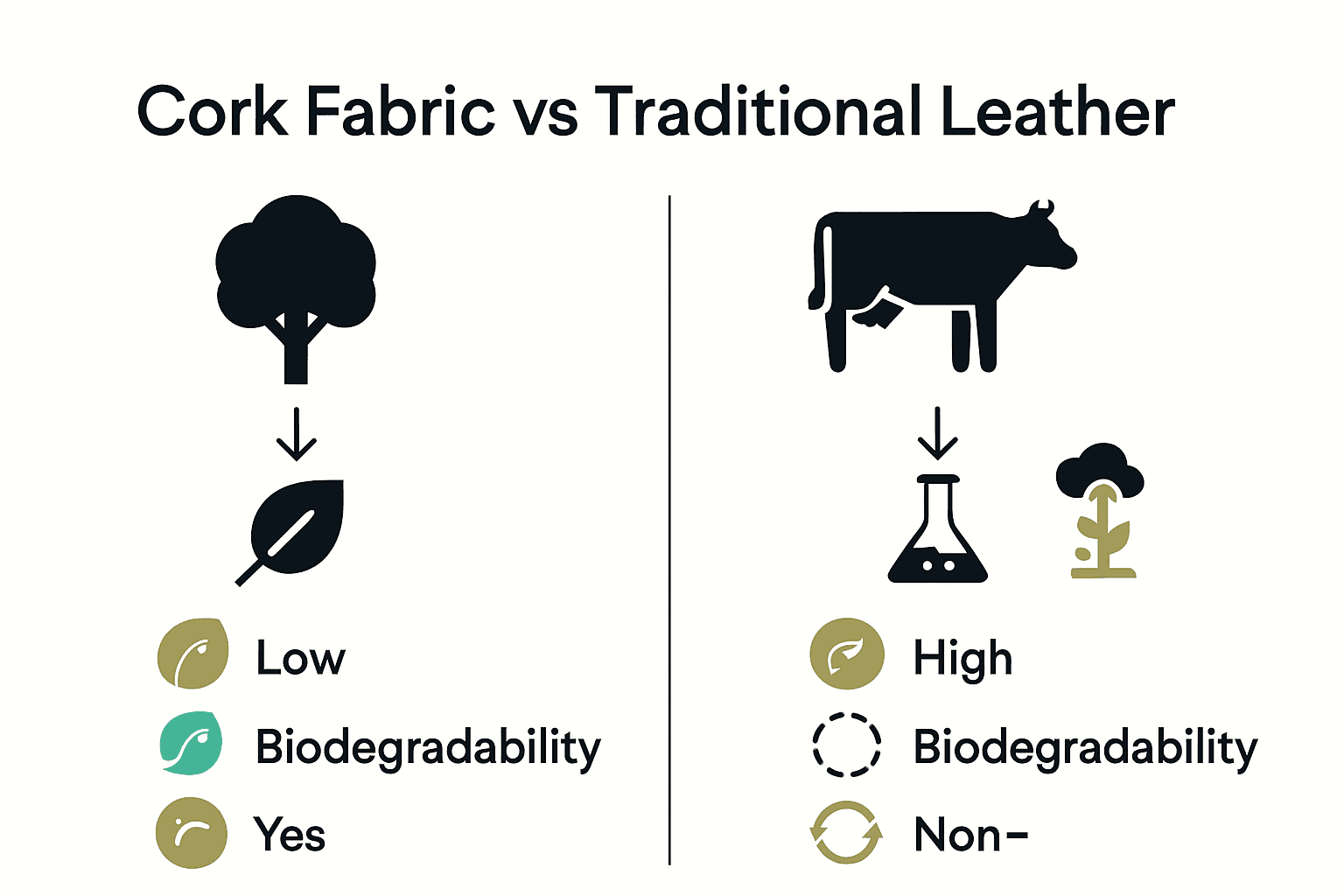
Here’s a comparison of cork fabric and traditional leather as sustainable textiles:
| Aspect | Cork Fabric | Traditional Leather |
|---|---|---|
| Source Material | Cork oak bark | Animal hide |
| Harvesting Method | Bark stripped, tree survives | Animal slaughter required |
| Chemical Processing | Minimal, non-toxic | Extensive, toxic (tanning) |
| Environmental Impact | Low, regenerates, renewable | High pollution, resource intensive |
| Biodegradability | 100% biodegradable | Sometimes, but often treated |
| Animal Impact | None | High (animal use) |
- Zero animal harm
- Minimal environmental impact
- No toxic chemical processing
- Renewable and biodegradable
- Lightweight and durable
- Versatile and aesthetically pleasing
For those looking to explore more sustainable fashion alternatives, our guide on understanding vegan leather alternatives provides comprehensive insights into ethical textile innovations.
Environmental Impact and Sustainability Factors
Cork sustainability represents a remarkable example of environmental stewardship in modern materials production. According to Sustainable Jungle, cork is a renewable resource that not only sequesters carbon but also provides crucial wildlife habitat when cork forests are managed responsibly. This unique material stands out for its ability to support ecological balance while creating valuable textile alternatives.
The harvesting process of cork is particularly extraordinary. As reported by TRVST, cork oak trees can be harvested without causing any damage, with the durable trees capable of regrowing their bark and living for over 200 years. This regenerative characteristic makes cork one of the most sustainable materials available, offering a circular approach to textile and accessory production.
Key environmental benefits of cork include:
- Carbon sequestration
- Wildlife habitat preservation
- Zero tree destruction during harvesting
- Renewable and biodegradable material
- Minimal processing requirements
- Long-term ecosystem support
For those passionate about understanding broader sustainable material choices, our guide on sustainable materials for eco-friendly living offers comprehensive insights into innovative ecological solutions.
Discover Stylish Sustainability with Cork Fabric Accessories
The challenge of finding fashion accessories that are both elegant and genuinely eco-friendly is at the heart of what cork fabric offers. This article highlights how cork fabric is a natural, renewable, and cruelty-free alternative to traditional leather, crafted without harmful chemicals or environmental damage. If you value lightweight, durable, and water-resistant materials that harmonise with your ethical beliefs, then embracing cork fabric accessories is a meaningful step towards sustainable living.
Explore a curated range of handbags, wallets, backpacks, and more that bring cork’s extraordinary qualities into your everyday style. Each product reflects commitment to animal welfare, regenerative harvesting, and minimal environmental impact — all while providing the versatility and durability you need.
Elevate your sustainable fashion journey today with the full collection of eco-friendly cork accessories.
Make the switch now and enjoy timeless style without compromise. Visit our online store to browse and buy your next favourite piece. Experience the beauty and benefits of cork while supporting a greener planet. For deeper insight into cork’s unique qualities, check out our informative guides such as understanding vegan leather alternatives and what is cork leather and its benefits. Your journey towards conscious fashion starts here.
Frequently Asked Questions
What is cork fabric and how is it made?
Cork fabric is a sustainable material made from the bark of cork oak trees. The manufacturing process involves harvesting the bark without damaging the tree, followed by drying, boiling, and steaming to improve elasticity, and then shaping the cork into sheets for use as fabric.
What are the key characteristics of cork fabric?
Cork fabric is lightweight, flexible, water-resistant, durable, hypoallergenic, and easy to clean. Additionally, it is 100% natural, biodegradable, and has a minimal environmental impact.
How does cork fabric compare to traditional leather?
Cork fabric is a more sustainable alternative to traditional leather, as it requires no harmful chemical processing and involves no animal use. It has a lower environmental impact, is renewable, and is fully biodegradable, unlike many treated leathers.
What are common uses for cork fabric?
Cork fabric is utilized in various applications, including fashion accessories like handbags and shoes, home décor items, sustainable clothing, upholstery, and lightweight outdoor gear.