

Why Non-Toxic Handbags Matter for Eco-Conscious Women
Finding a handbag that matches your values often feels overwhelming in a world where labels rarely tell the full story. Urban women seeking truly non-toxic, stylish alternatives know that genuine sustainability means more than just avoiding leather. The journey toward a safer, kinder accessory starts with understanding what makes a non-toxic handbag—from the plant-based fibres used to full transparency about material sourcing and ethical production. Get practical insights to spot accessories that align with your wellness, style, and animal welfare priorities.
Table of Contents
- Defining Non-Toxic Handbags and Misconceptions
- Popular Types of Non-Toxic Handbags Today
- Materials Used and How Non-Toxic Bags Work
- Impact of Toxic Handbags on Health and Environment
- Animal Welfare and Legal Standards in Fashion
- Comparing Non-Toxic Handbags to Alternatives
Key Takeaways
| Point | Details |
|---|---|
| Non-Toxic Materials | Non-toxic handbags use sustainable materials that are free from harmful substances, promoting both health and environmental responsibility. |
| Innovative Production | Advances in manufacturing techniques have led to durable, stylish alternatives that challenge traditional leather production without compromising quality. |
| Consumer Demand for Transparency | Increasingly, consumers are prioritising brands that disclose material sourcing and production processes to ensure genuine sustainability. |
| Environmental and Health Impact | Toxic chemicals in conventional handbags pose risks to human health and the environment, making non-toxic options a safer choice for eco-conscious consumers. |
Defining Non-Toxic Handbags and Misconceptions
The world of eco-conscious fashion has witnessed a transformative shift towards understanding what truly constitutes a non-toxic handbag. Far beyond a trendy buzzword, non-toxicity represents a critical commitment to health, environmental sustainability, and ethical manufacturing. Identifying harmful chemicals in textiles reveals the complexity behind seemingly innocuous accessories.
Non-toxic handbags fundamentally differ from conventional accessories through their material selection and manufacturing processes. These conscientiously crafted bags exclude potentially harmful substances such as:
- Heavy metals like lead and cadmium
- Synthetic chemical treatments
- Toxic synthetic dyes
- Petrochemical-based synthetic fibres
- Formaldehyde-containing resins
Contrary to popular misconceptions, non-toxic does not equate to compromised durability or aesthetic appeal. Innovative production techniques have emerged, utilising extraordinary plant-based materials like pineapple leaf fibres, banana textiles, and mycelium leather that challenge traditional leather manufacturing.
The transparency of material sourcing becomes paramount in defining non-toxic handbags. Eco-conscious women increasingly demand comprehensive disclosure about production methods, chemical treatments, and environmental impact. This shift represents more than a consumer trend - it’s a fundamental reimagining of fashion’s relationship with human and environmental health.
Pro tip: When evaluating a non-toxic handbag, request detailed information about material origins, manufacturing processes, and independent certifications to ensure genuine sustainability and safety.
Popular Types of Non-Toxic Handbags Today
The landscape of eco-friendly fashion has dramatically evolved, offering a diverse array of non-toxic handbag options that combine sustainability with style. Innovative textile alternatives have transformed the way conscious consumers approach accessory selection, presenting materials that challenge traditional leather manufacturing.
Today’s most popular non-toxic handbag types include:
- Organic Cotton Bags: Grown without harmful pesticides
- Hemp Fabric Handbags: Naturally resistant to bacteria and UV damage
- Recycled Plastic Bags: Repurposing waste materials into stylish accessories
- Mushroom Leather Bags: Biodegradable alternative with minimal environmental impact
- Pineapple Leaf Leather (Piñatex): Innovative plant-based material derived from agricultural waste
Eco-friendly handbag innovations have expanded beyond simple material substitution, creating sophisticated accessories that rival traditional designs in durability and aesthetic appeal. These materials not only reduce environmental harm but also challenge preconceived notions about sustainable fashion’s limitations.
The emergence of bio-based and recycled materials represents a profound shift in accessory manufacturing. Eco-conscious women now have unprecedented choices that align with their values, transforming handbags from mere fashion statements into powerful expressions of environmental responsibility and ethical consumption.
Pro tip: When exploring non-toxic handbag options, prioritise brands that provide transparent information about material sourcing, manufacturing processes, and environmental certifications.
Materials Used and How Non-Toxic Bags Work
The intricate world of non-toxic handbags revolves around carefully selected materials that prioritise human and environmental health. Innovative material strategies transform traditional accessory manufacturing by eliminating harmful chemical treatments and synthetic compounds that pose long-term risks.
Key materials in non-toxic handbag production include:
- Natural Plant Fibres: Banana, pineapple, and hemp fabrics
- Biodegradable Alternatives: Mycelium leather and cork
- Recycled Synthetic Materials: Reclaimed plastic bottles and industrial waste
- Organic Cotton: Grown without pesticides or toxic chemicals
- Natural Dyes: Plant-based colouring agents replacing synthetic alternatives
Chemical-free manufacturing processes fundamentally transform how non-toxic bags are created. By eliminating substances like PFAS (per- and polyfluoroalkyl substances), manufacturers ensure accessories remain functional while dramatically reducing environmental and human health risks. These innovative approaches challenge conventional production methods, demonstrating that sustainable design can coexist with high-performance materials.

The transformation extends beyond material selection. Non-toxic bag production involves comprehensive environmental considerations, from sourcing raw materials to implementing circular economy principles that minimise waste and chemical exposure. Eco-conscious women now have access to accessories that reflect their commitment to personal and planetary wellness.
Here is an overview of innovative materials and their unique benefits in eco-friendly handbags:
| Material | Key Benefit | Environmental Feature |
|---|---|---|
| Pineapple Leaf Fibre | Lightweight and robust | Utilises agricultural waste |
| Mycelium Leather | Highly biodegradable | Minimal resource usage |
| Hemp Fabric | Naturally antibacterial | Requires little water |
| Recycled Plastics | Diverts waste from landfills | Reduces new plastic demand |
| Organic Cotton | Soft and breathable | Grown without toxic chemicals |
Pro tip: Always request detailed material composition information from manufacturers to verify the true non-toxic credentials of your handbag.
Impact of Toxic Handbags on Health and Environment
Toxic chemicals in fashion accessories represent a profound environmental and health challenge, extending far beyond simple consumer choices. These harmful substances infiltrate our bodies and ecosystems through seemingly innocuous everyday items like handbags, creating long-term risks that many consumers remain unaware of.
The primary health and environmental impacts include:
- Chemical Exposure: Direct skin contact with toxic substances
- Reproductive Health Risks: Potential hormonal disruptions
- Carcinogenic Potential: Links to increased cancer risks
- Ecosystem Contamination: Industrial waste from toxic manufacturing
- Soil and Water Pollution: Chemical runoff from production processes
Textile chemical pollution demonstrates the extensive damage caused by traditional manufacturing. Chronic exposure to substances like heavy metals, synthetic dyes, and petrochemical compounds can trigger skin conditions, hormonal imbalances, and potentially severe long-term health complications. These risks disproportionately affect factory workers, local communities near manufacturing sites, and end consumers.
The environmental consequences extend beyond human health. Toxic handbag production contributes significantly to global pollution, with manufacturing processes releasing harmful chemicals into waterways, soil, and air. The cumulative impact represents a critical challenge for sustainable fashion, demanding immediate and comprehensive transformation of production methodologies.
Pro tip: Research brands that provide transparent chemical composition reports and prioritise third-party environmental certifications when selecting handbags.
Animal Welfare and Legal Standards in Fashion
International legal frameworks are transforming the fashion landscape, placing animal welfare at the forefront of ethical manufacturing. These evolving standards reflect a profound shift from traditional leather production towards more compassionate and sustainable practices that prioritise both animal rights and environmental responsibility.
Key developments in animal welfare and legal standards include:
- Global Bans: Restrictions on exotic leather and fur production
- Certification Requirements: Mandatory cruelty-free labelling
- Material Innovation: Legal incentives for non-animal textile development
- Transparency Regulations: Mandatory supply chain disclosures
- Ethical Manufacturing: Mandatory animal welfare assessment protocols
The interconnected nature of global fashion policies demonstrates how legal standards are increasingly driven by consumer demand for ethical, sustainable products. Manufacturers now face significant pressure to demonstrate not just compliance, but genuine commitment to animal welfare and environmental protection.
These legal transformations represent more than regulatory requirements. They signify a fundamental cultural shift, where fashion becomes a vehicle for expressing ethical values, challenging traditional production methods, and reimagining our relationship with animals and the environment.
Pro tip: Always verify a brand’s animal welfare credentials by requesting detailed documentation about their material sourcing and manufacturing processes.
Comparing Non-Toxic Handbags to Alternatives
Sustainable handbag alternatives represent a transformative approach to fashion consumption, challenging traditional manufacturing paradigms. These innovative options offer eco-conscious women a comprehensive solution that transcends mere aesthetic considerations, addressing critical environmental and health concerns.
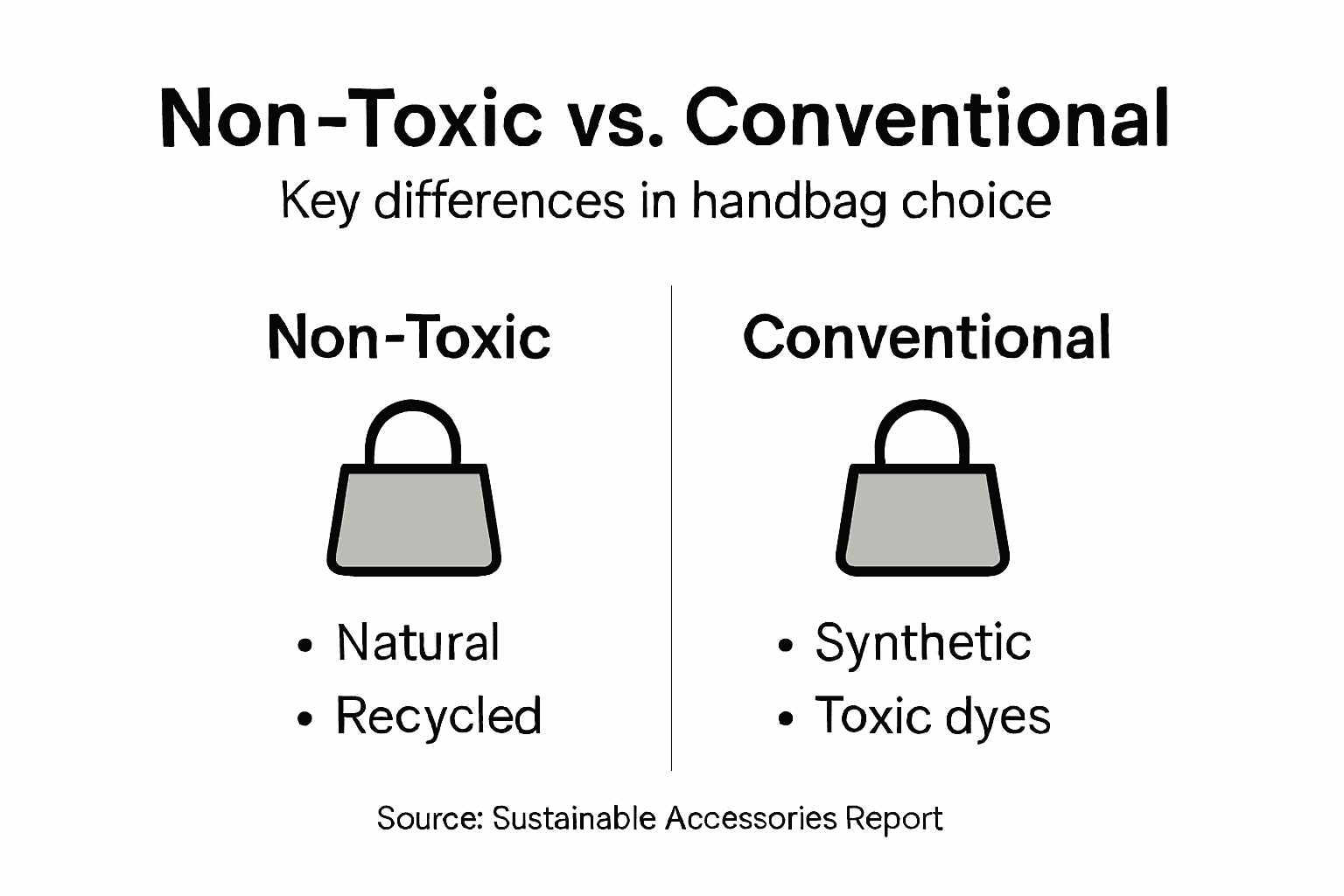
Key comparative aspects between non-toxic and conventional handbags include:
- Chemical Exposure: Non-toxic bags minimise harmful substance contact
- Environmental Impact: Reduced pollution and waste generation
- Durability: Comparable or superior longevity to traditional materials
- Manufacturing Ethics: Transparent and socially responsible production
- Health Considerations: Significantly lower risk of chemical-related health issues
Comparative material evaluations reveal that non-toxic handbags frequently outperform traditional alternatives across multiple dimensions. Plant-based and recycled materials demonstrate remarkable resilience, challenging long-held assumptions about sustainable fashion’s perceived limitations in performance and style.
The evolution of non-toxic handbag technologies represents more than a trend - it’s a fundamental reimagining of fashion’s relationship with human and environmental well-being. Consumers now have the power to make choices that align aesthetic preferences with ethical and health-conscious considerations.
To clarify differences at a glance, here is a comparison of non-toxic and conventional handbags:
| Aspect | Non-Toxic Handbags | Conventional Handbags |
|---|---|---|
| Material Transparency | Full sourcing disclosure | Often undisclosed materials |
| Chemical Content | Free from harmful substances | May contain toxins and heavy metals |
| Environmental Impact | Low due to sustainable processes | High pollution and waste |
| Animal Welfare | Plant-based or cruelty-free | Often uses animal-derived leather |
| Longevity | Durable with innovative textiles | Varies, depends on leather or plastic |
Pro tip: Request detailed material composition reports from manufacturers to thoroughly understand the environmental and health credentials of your chosen handbag.
Discover Stylish Non-Toxic Handbags That Align With Your Values
Choosing a handbag that is truly non-toxic means committing to your health and the planet’s future. The article reveals how harmful chemicals in traditional accessories can impact both people and the environment. You deserve eco-conscious options that offer transparency, durability, and ethical craftsmanship without sacrificing style. Cork material stands out as a remarkable solution — naturally vegan, chemical-free, and produced with minimal environmental impact.
Explore our collection of sustainable cork handbags and accessories designed specifically for women who prioritise non-toxic living and animal welfare.
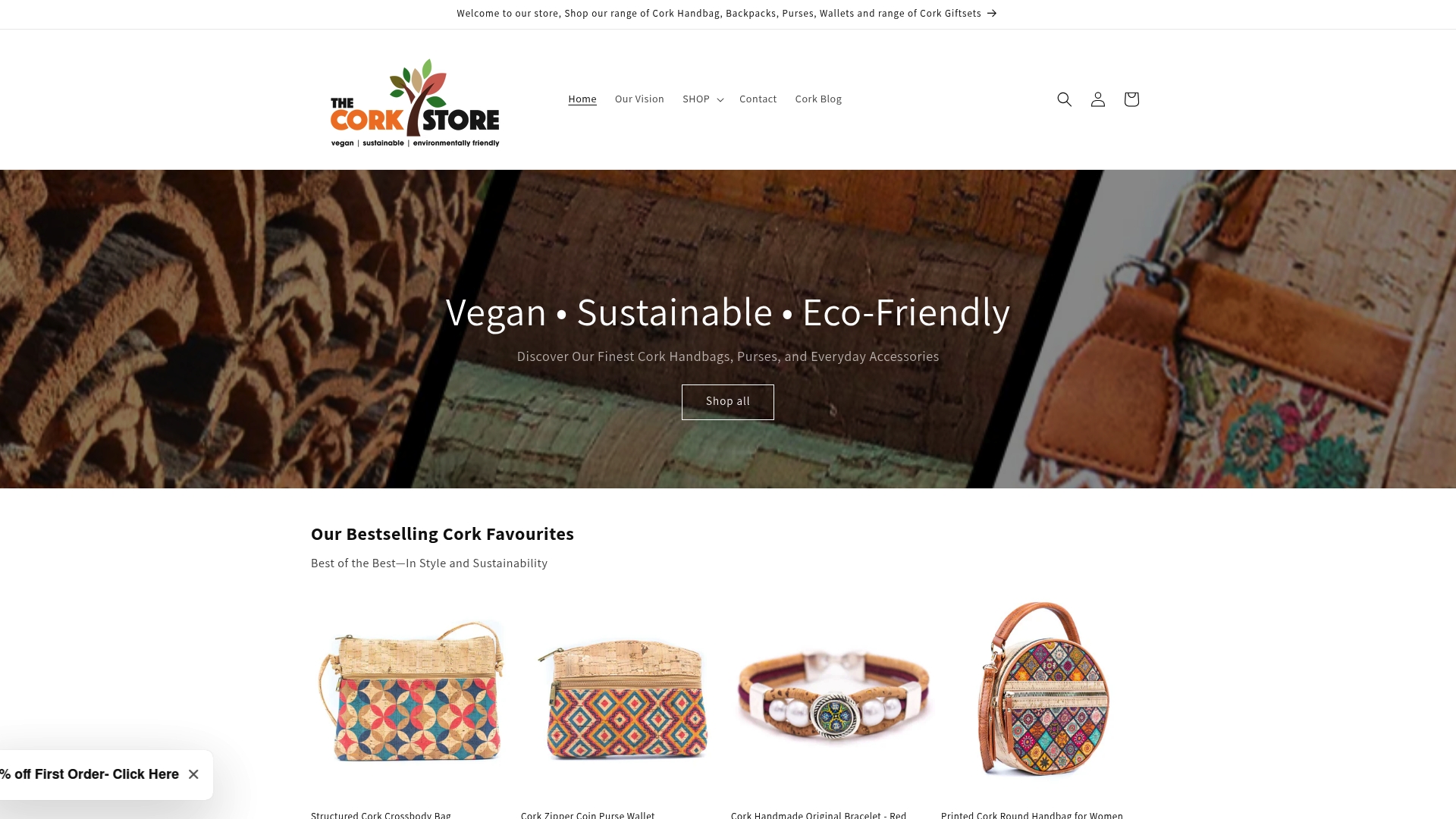
Take action today by choosing a handbag that supports your well-being and the planet. Visit The Cork Store and embrace stylish, cruelty-free accessories that embody the values highlighted in the article. Your perfect non-toxic handbag is just a click away.
Frequently Asked Questions
What are non-toxic handbags?
Non-toxic handbags are accessories made without harmful substances like heavy metals, toxic dyes, and synthetic chemical treatments, prioritising health and environmental sustainability.
How do non-toxic handbags compare to conventional handbags?
Non-toxic handbags minimise chemical exposure, have a lower environmental impact, and often exhibit comparable durability and aesthetic appeal to conventional handbags that might contain harmful materials.
What materials are typically used in non-toxic handbags?
Common materials include organic cotton, hemp, recycled plastics, mushroom leather, and plant-based fibres like pineapple leaf, all selected for their sustainability and safety features.
Why is it important to choose non-toxic handbags for health?
Choosing non-toxic handbags reduces the risk of skin contact with harmful chemicals, lowers exposure to toxic substances linked to health issues, and promotes overall personal and planetary wellness.