

Why Opt for Plant-Based Bags: Style Meets Sustainability
Finding the perfect british vegan bag that is both stylish and earth-friendly can seem impossible amid a sea of leather and plastic options. With the global fashion industry responsible for over 10 percent of total carbon emissions, the switch to plant-based accessories matters more than ever. This guide uncovers how innovative materials like cork are transforming the world of sustainable bags, revealing practical ways to upgrade your look while championing eco-conscious choices.
Table of Contents
- What Are Plant-Based Bags And How Do They Work?
- Types Of Plant-Based Materials Used In Bags
- Environmental Impact Of Choosing Vegan Bags
- Durability And Care Compared To Leather Goods
- Ethical And Fashion Benefits For Consumers
Key Takeaways
| Point | Details |
|---|---|
| Sustainable Materials | Plant-based bags are made from renewable resources like cornstarch and sugarcane, offering a biodegradable alternative to traditional leather. |
| Environmental Impact | Choosing plant-based bags significantly reduces greenhouse gas emissions and water pollution compared to leather production. |
| Market Demand | There is a rising consumer interest in ethically produced, sustainable accessories, indicating a shift in fashion consumption patterns. |
| Maintenance Considerations | Plant-based bags require specific care to maintain their integrity and prolong their lifespan, differing from traditional leather care. |
What Are Plant-Based Bags and How Do They Work?
Plant-based bags represent an innovative sustainable solution in fashion accessories, crafted from renewable natural resources like cornstarch, sugarcane, and potato starch. These remarkable materials are engineered to create durable, stylish bags that challenge traditional leather manufacturing processes. Unlike conventional synthetic materials, plant-based bags are designed with environmental consciousness at their core, transforming renewable plant sources into functional fashion items.
The production process involves converting plant materials into polymers that closely mimic traditional plastic’s properties while maintaining crucial ecological advantages. These innovative materials are specifically formulated to decompose rapidly when exposed to appropriate environmental conditions, such as specific temperatures, humidity levels, and oxygen exposure. By leveraging renewable plant materials, manufacturers can create accessories that dramatically reduce toxic microplastic generation and minimise dependence on fossil-based resources.
Key characteristics of plant-based bags include their remarkable biodegradability and minimal environmental impact. Compostable bags break down through microbial activity, transforming into carbon dioxide, water, and biomass without leaving toxic residues. This process stands in stark contrast to traditional synthetic bags that can persist in landfills for hundreds of years. Sustainable fashion enthusiasts appreciate these bags not just for their ecological benefits, but also for their innovative design and commitment to reducing global waste.
Pro Tip: When purchasing plant-based bags, always verify the specific composting requirements and environmental certifications to ensure maximum sustainability and proper disposal.
Types of Plant-Based Materials Used in Bags
Bioplastics and innovative plant-derived materials are revolutionising sustainable fashion accessories, offering a diverse range of eco-friendly alternatives to traditional synthetic bag materials. Cellulose and starch emerge as two of the most abundantly used plant polymers in bag manufacturing, sourced from agricultural crops like corn, wheat, and other renewable resources. These materials provide manufacturers with versatile options for creating environmentally conscious accessories that challenge conventional production methods.
The landscape of plant-based bag materials is remarkably diverse, encompassing an impressive array of innovative sources. Common options include bioplastics derived from cornstarch, sugarcane-based polymers like PLA, cellulose films from wood pulp, mushroom mycelium, seaweed extracts, and agricultural byproducts such as wheat straw. Each material brings unique properties to bag design, offering different levels of biodegradability, texture, and environmental performance. Mushroom mycelium, for instance, provides a leather-like alternative with exceptional structural integrity, while seaweed-based materials offer lightweight and water-resistant characteristics.
Sustainable bag materials extend beyond traditional expectations, incorporating agricultural waste and innovative biological sources. Bagasse (sugarcane residue), bamboo fibres, and other agricultural byproducts are being transformed into sophisticated bag materials that reduce waste and minimise environmental impact. These advanced plant-based materials not only provide functional alternatives to petroleum-based plastics but also represent a significant step towards circular fashion economies that prioritise renewable resources and minimal ecological disruption.
This table summarises the most common plant-based materials used in bag manufacturing and their unique traits:
| Material | Main Source | Key Features | Design Applications |
|---|---|---|---|
| Cornstarch PLA | Corn/Sugarcane | Biodegradable, durable | Fashion totes, accessories |
| Cellulose Film | Wood pulp | Flexible, smooth texture | Clutches, satchels |
| Mushroom Mycelium | Fungi | Leather-like, sturdy | Luxury handbags |
| Seaweed Extracts | Sea plants | Lightweight, water-resistant | Beach bags, pouches |
| Bamboo Fibre | Bamboo | Breathable, sustainable | Casual bags, backpacks |
Pro Tip: When exploring plant-based bag materials, research the specific composting requirements and environmental certifications to ensure you’re selecting the most sustainable option for your needs.
Environmental Impact of Choosing Vegan Bags
Traditional leather production represents a significant environmental burden, with extensive ecological consequences that extend far beyond simple material consumption. The leather industry drives substantial environmental degradation through energy-intensive processes, water pollution, chemical contamination, and substantial greenhouse gas emissions. Animal agriculture for leather production contributes directly to deforestation, particularly in sensitive ecosystems like the Amazon rainforest, making vegan bag alternatives a critical consideration for environmentally conscious consumers.
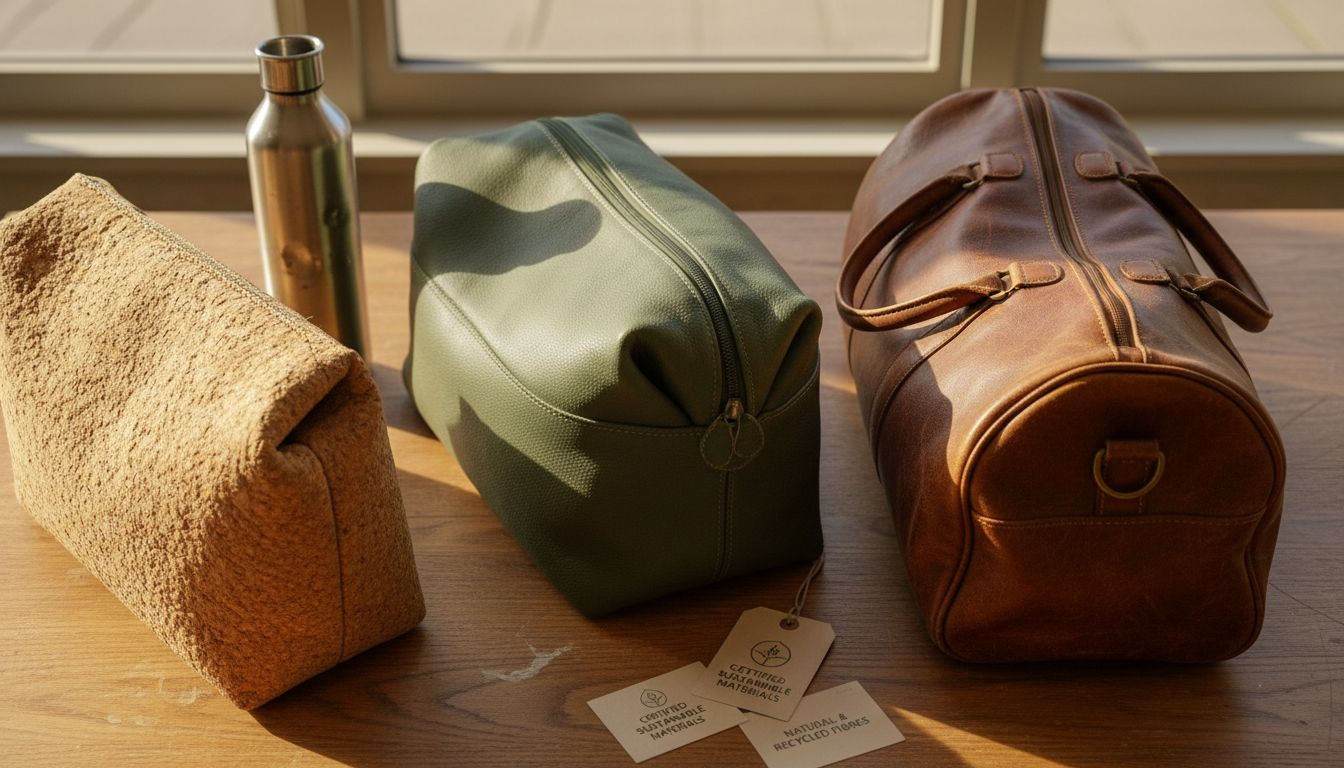
Life cycle assessments reveal compelling evidence about the environmental advantages of vegan bags. Comparative studies demonstrate that plant-based bag materials consistently outperform traditional leather in key environmental metrics, including greenhouse gas emissions, water consumption, and land use. Vegan alternatives, especially those derived from agricultural waste or innovative biopolymers, offer dramatically reduced ecological footprints. These materials not only minimise animal exploitation but also leverage renewable resources, transforming agricultural byproducts into sophisticated, stylish accessories.
The environmental benefits of vegan bags extend beyond immediate production impacts. By choosing plant-based materials, consumers support circular economy principles, reducing waste and promoting innovative sustainable manufacturing techniques. Advanced vegan bag materials often require less water, generate fewer toxic chemicals, and provide more flexible end-of-life management options compared to traditional leather. This approach represents a holistic commitment to reducing fashion’s environmental burden, addressing critical challenges in resource consumption and waste generation.
The following table highlights key differences between plant-based bags and traditional leather bags:
| Aspect | Plant-Based Bags | Traditional Leather Bags |
|---|---|---|
| Source Material | Renewable crops and agricultural waste | Animal hides and livestock |
| Environmental Impact | Low emissions, biodegradable, compostable | High pollution, landfill persistence |
| Water Usage | Typically lower, crop-dependent | Substantial water required for tanning |
| Ethical Considerations | Cruelty-free, supports vegan values | Involves animal exploitation |
Pro Tip: When selecting vegan bags, prioritise brands that provide transparent life-cycle assessments and use materials sourced from sustainable agricultural waste or rapidly renewable crops.
Durability and Care Compared to Leather Goods
Innovative plant-based leather alternatives present a nuanced approach to durability and material performance, challenging traditional assumptions about accessory longevity. Unlike conventional animal leather, these materials require more specialised care and have unique maintenance considerations. Materials like mycelium, cactus, and pineapple leather demonstrate remarkable mechanical properties while presenting distinct challenges in terms of moisture resistance and wear tolerance. Consumers exploring these alternatives must understand the subtle differences in material performance and care requirements.
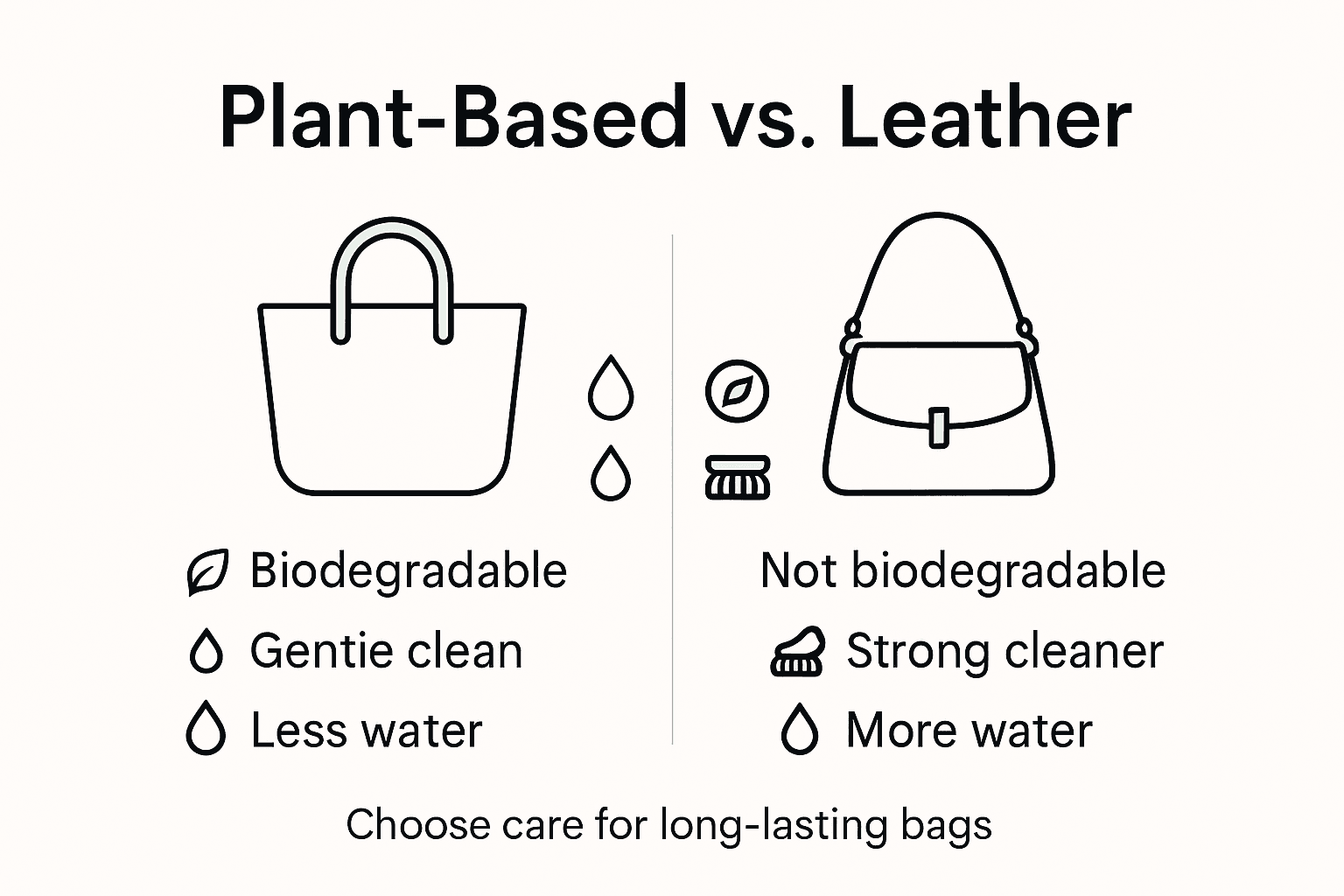
The mechanical characteristics of plant-based bags reveal fascinating insights into their durability. Academic research indicates that while these materials may be less resilient than traditional leather, they remain sufficiently robust for everyday fashion accessories. Their sensitivity to humidity and potential for faster degradation under harsh conditions is balanced by significant environmental and ethical advantages. Modern plant-based leather technologies continue to evolve, progressively addressing initial durability concerns and developing more sophisticated material compositions that enhance long-term performance.
Maintenance of plant-based bags requires a more delicate and intentional approach compared to traditional leather goods. Recommended care strategies include avoiding prolonged moisture exposure, using gentle cleaning tools, and applying mild, damp cloths for surface maintenance. Consumers should store these accessories in cool, dry environments and protect them from direct sunlight or extreme temperatures. By understanding and respecting the unique properties of plant-based materials, users can significantly extend the lifespan of their sustainable fashion choices.
Pro Tip: Invest in specialised cleaning products designed specifically for plant-based leather accessories to maintain their appearance and extend their functional lifespan.
Ethical and Fashion Benefits for Consumers
Plant-based leather represents a transformative approach to ethical fashion consumption, offering consumers a powerful means of aligning personal style with moral values. These innovative materials eliminate animal exploitation while providing sophisticated, contemporary accessories that reflect a commitment to compassionate fashion choices. By selecting plant-based bags, individuals can make a meaningful statement about their personal ethics without compromising on aesthetic appeal or quality.
Global market research demonstrates a rising consumer willingness to invest in sustainable, ethically produced accessories, signalling a profound shift in fashion consumption patterns. Modern consumers increasingly understand that their purchasing decisions carry significant social and environmental implications. Plant-based bags offer transparency in supply chains, reduced environmental impact, and a tangible way to support responsible manufacturing practices. This trend goes beyond mere trend-following, representing a fundamental reimagining of fashion as a vehicle for personal and collective values.
The fashion benefits of plant-based bags extend far beyond ethical considerations. These accessories combine innovative design, cutting-edge material science, and a progressive approach to style. Designers are creating increasingly sophisticated alternatives that challenge traditional notions of luxury, proving that sustainable fashion can be simultaneously elegant, functional, and environmentally responsible. By choosing these materials, consumers become active participants in a global movement towards more conscious, thoughtful fashion consumption.
Pro Tip: Research brands that provide detailed transparency about their material sourcing and manufacturing processes to ensure your sustainable fashion choices genuinely align with your ethical standards.
Discover Stylish Sustainability with Plant-Based and Cork Accessories
Choosing plant-based bags means embracing fashion that respects the planet and reflects your values. If you’re seeking durable, cruelty-free alternatives to leather that align with your commitment to sustainability, exploring eco-friendly materials like cork can perfectly complement your ethical wardrobe. Cork offers a biodegradable, renewable option that shares many benefits highlighted in plant-based bag materials, including low environmental impact, unique texture, and timeless style.
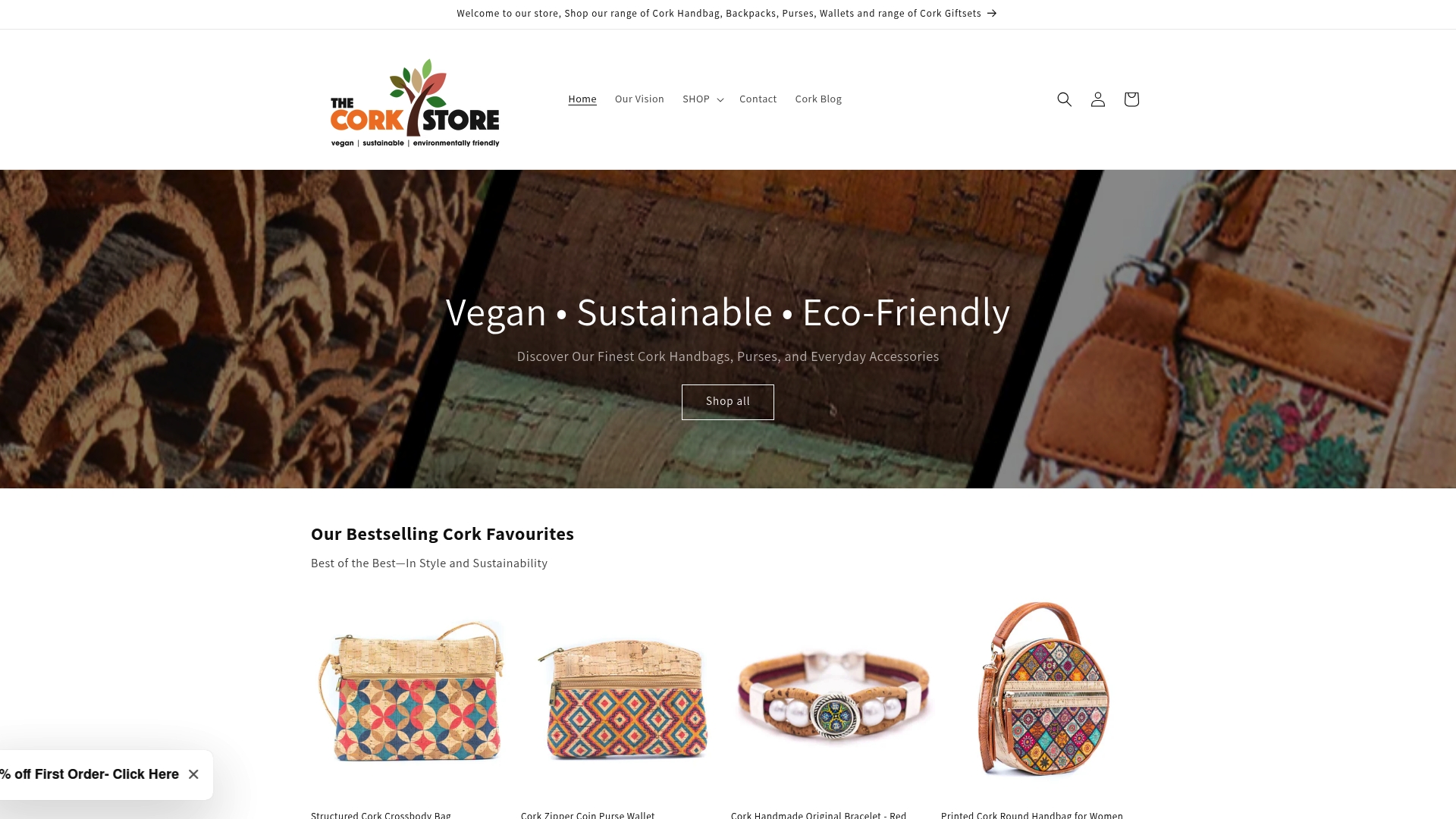
Ready to make a positive change today Discover our curated collection of vegan cork handbags, purses, and backpacks at The Cork Store. Each piece is crafted with care to provide you with sophisticated, sustainable accessories that support a circular fashion economy. Don’t wait to elevate your style while protecting the environment by visiting discover our sustainable cork collection and stepping into a future where fashion meets responsibility.
Frequently Asked Questions
What are plant-based bags made from?
Plant-based bags are crafted from renewable natural resources like cornstarch, sugarcane, and potato starch, which are engineered to create durable and stylish alternatives to traditional leather.
How do plant-based bags compare to traditional leather bags in terms of environmental impact?
Plant-based bags have a lower environmental impact as they are biodegradable, compostable, and produced from renewable resources, while traditional leather involves high pollution and landfill persistence due to the extensive processes required in its production.
What are the care requirements for maintaining plant-based bags?
Plant-based bags require careful maintenance, including avoiding prolonged exposure to moisture, using gentle cleaning tools, and storing them in cool, dry environments to extend their lifespan.
Are plant-based bags as durable as leather bags?
While plant-based bags may not be as resilient as traditional leather, they are still robust enough for everyday use. The development of modern materials continues to enhance their durability and overall performance.
Recommended
- 7 Types of Vegan Bags for Eco-Friendly Fashion – The Cork Store
- 7 Vegan Handbag Types Every Eco-Conscious Buyer Should Know – The Cork Store
- Understanding Why Choose Sustainable Bags for a Greener Future – The Cork Store
- 10 Stylish Vegan Handbag Options List for Eco-Conscious Consumers – The Cork Store