

7 Practical Tips for Choosing Vegan Bags UK Ethically
More than seventy percent of British shoppers say sustainability now shapes their purchasing choices. Searching for cruelty free and eco friendly accessories has never been more urgent as environmental awareness grows across the United Kingdom and Europe. Vegan bags offer a compelling alternative, blending ethical values with contemporary style. This guide highlights key benefits, trusted certifications, and practical tips for selecting vegan bags that reflect both British taste and responsible living.
Table of Contents
- 1. Understand The Benefits Of Vegan Bags
- 2. Check For Certified Vegan And Ethical Labels
- 3. Choose Eco-Friendly Materials Like Cork
- 4. Assess Durability And Everyday Usability
- 5. Select Timeless Styles Over Fast Fashion
- 6. Research The Brand’s Sustainability Practices
- 7. Care For Your Vegan Bag To Maximise Longevity
Quick Summary
| Key Insight | Detailed Explanation |
|---|---|
| 1. Choose Genuine Vegan Bags | Verify certifications to ensure the bag is truly vegan and ethically produced, avoiding misleading claims. |
| 2. Opt for Sustainable Materials | Select bags made from eco-friendly materials like cork and recycled fabrics to minimise environmental impact. |
| 3. Invest in Timeless Styles | Prioritise classic designs that offer versatility, reducing waste associated with fast fashion trends. |
| 4. Assess Durability and Usability | Evaluate the bag’s strength, maintenance requirements, and fit for your lifestyle to ensure long-term satisfaction. |
| 5. Care for Your Bag | Implement proper maintenance routines tailored to the bag’s material, extending its lifespan and preserving its appearance. |
1. Understand the Benefits of Vegan Bags
Vegan bags represent far more than a fashion statement - they are a powerful choice for environmentally conscious consumers seeking sustainable alternatives to traditional leather accessories. By selecting vegan bags, you are making a significant ecological impact that extends well beyond personal style.
The environmental advantages of vegan bags are remarkable, particularly when examining innovative materials like cactus leather. Research demonstrates that alternative leather materials can dramatically reduce carbon footprints, with significant reductions in greenhouse gas emissions and water consumption compared to traditional animal leather production.
Traditional leather manufacturing involves intensive processes that harm animal populations and contribute to substantial environmental degradation. Vegan bags eliminate these ethical concerns by using plant based materials that are cruelty free and substantially more sustainable. Materials like cork, recycled polyester, and emerging innovations such as cactus leather offer durability, aesthetic appeal, and minimal environmental impact.
Moreover, vegan bags support broader sustainable fashion movements by encouraging consumers to make more responsible purchasing decisions. Each vegan bag represents a vote for ethical production methods, reduced animal exploitation, and lower environmental strain.
Key Environmental Benefits Include: • Reduced animal suffering • Lower carbon emissions • Decreased water consumption • Support for innovative sustainable technologies • Promotion of circular economy principles
Practical Tip: When shopping for vegan bags, look beyond marketing claims and research the specific materials used. Not all vegan materials are created equal in terms of sustainability.
Top Recommendation: Choose vegan bags made from materials with proven low environmental impact, such as cork, recycled fabrics, or scientifically validated plant based leathers like cactus leather.
2. Check for Certified Vegan and Ethical Labels
Not all vegan bags are created equal, which makes understanding and recognising genuine certification crucial for conscious consumers. Navigating the world of ethical fashion requires a keen eye for authentic vegan certification labels.
What Makes a Certification Legitimate?
Certified vegan labels provide more than just a marketing claim. They represent a rigorous verification process that ensures no animal origin materials, no animal testing, and no animal genetic modifications have been involved in the product’s production. These certifications act as a reliable guarantee of ethical manufacturing practices.
Key certifications to look for include labels from recognised bodies such as EVE Vegan, PETA Approved Vegan, and The Vegan Society. These organisations conduct thorough assessments to validate a product’s ethical credentials, examining everything from raw material sourcing to final manufacturing processes.
How to Verify Certifications: • Check for official certification logos • Verify the certifying organisation’s credibility • Look for detailed information about the certification process • Examine the brand’s transparency about their supply chain
When shopping, remember that genuine certifications will provide clear, verifiable information about their standards. A reputable vegan bag brand should be happy to share detailed documentation about their ethical practices.
Recommendation: Always cross reference certification claims by checking the official certification body’s website for confirmation.
Top Tip: Scrutinise the details behind the label, not just the logo. True ethical fashion goes beyond surface level marketing claims.
3. Choose Eco-Friendly Materials Like Cork
When selecting a vegan bag, the material choice is far more than a simple aesthetic decision. It represents a critical environmental commitment that directly impacts our planet’s sustainability. Eco friendly materials play a transformative role in reducing fashion’s environmental footprint.
Cork stands out as an exceptional sustainable material that offers remarkable environmental credentials. Harvested from cork oak trees without harming the tree itself, cork represents a renewable resource that actively supports carbon sequestration. Each cork harvest actually stimulates tree growth and increases the tree’s carbon absorption capacity.
Why Cork is an Exceptional Eco Material: • Fully renewable and biodegradable • Naturally water resistant • Lightweight and durable • Supports forest ecosystems • Minimal processing requirements • Carbon negative production process
Beyond cork, conscious consumers should explore other innovative eco materials such as recycled polyester, apple leather, and hemp fabric. These materials demonstrate that sustainable fashion need not compromise on style or quality.
Consider the entire lifecycle of your bag material. A truly eco friendly material should minimise environmental impact from production through to eventual disposal. Look for materials that require minimal water, reduce carbon emissions, and can be recycled or safely biodegraded.
Top Recommendation: Prioritise materials with transparent supply chains and verifiable sustainability credentials. Research the environmental impact of different materials before making your purchase.
Recommended Approach: Select bags crafted from materials that tell a positive environmental story, supporting innovative sustainable technologies and responsible manufacturing practices.
4. Assess Durability and Everyday Usability
Selecting a vegan bag requires more than aesthetic appreciation. You must critically evaluate its practical performance and long term resilience. Recent material research highlights the importance of understanding biomaterial durability before making a sustainable fashion investment.
Durability goes beyond simple wear and tear resistance. A truly exceptional vegan bag should withstand daily commutes, unexpected weather conditions, and repeated use while maintaining its structural integrity and visual appeal. Innovative materials like cork and recycled polyester have demonstrated remarkable performance in real world scenarios.
Key Durability Assessment Criteria: • Material strength and tensile resistance • Water and stain repellent properties • Ability to maintain shape after repeated use • Resistance to colour fading • Ease of cleaning and maintenance • Structural integrity under different environmental conditions
When assessing usability, consider your specific lifestyle requirements. A bag that works perfectly for urban commuting might differ significantly from one designed for weekend adventures. Examine factors such as weight distribution, strap comfort, internal organisation, and practical features like secure closures and appropriate compartment sizing.
Material innovation continues to push boundaries in sustainable fashion. Emerging biomaterials such as kombucha leather and cactus derived textiles show promising potential, though current limitations in scalability and consistent performance remain challenges for widespread adoption.
Careful evaluation requires hands on interaction. Whenever possible, physically examine the bag. Test its weight when filled, check strap comfort, and assess how smoothly zippers and closures function.
Top Recommendation: Select bags from brands demonstrating transparent manufacturing processes and providing clear performance specifications about their materials.
Practical Tip: Before purchasing, imagine your bag enduring your most demanding daily scenarios. Will it truly meet your practical needs while maintaining its ethical credentials?
5. Select Timeless Styles Over Fast Fashion
Choosing a bag is about more than momentary trends. It is an investment in sustainable fashion that transcends seasonal whims. Ethical fashion brands demonstrate that style can be both enduring and environmentally responsible.
Timeless style represents a deliberate rejection of disposable fashion culture. Instead of purchasing multiple cheaply made bags that quickly deteriorate, conscious consumers prioritise high quality pieces designed to last years. These investment pieces not only reduce waste but also represent a more economical approach to personal style.
Characteristics of Timeless Bag Design: • Classic silhouettes • Neutral colour palettes • Quality construction • Versatile functionality • Minimal decorative elements • Durable materials • Adaptable across multiple outfits
Consider your bag as a long term companion rather than a temporary accessory. Sustainable fashion requires thoughtful selection that prioritises craftsmanship, material quality, and design longevity. A well chosen vegan bag should seamlessly transition between professional environments, casual outings, and social gatherings.
Material selection plays a crucial role in creating timeless pieces. Natural materials like cork offer exceptional durability and aesthetic appeal that improves with age. Synthetic materials developed through innovative sustainable technologies can also provide remarkable longevity and style versatility.
Careful curation means selecting pieces that reflect your personal aesthetic while maintaining ethical production standards. Look for brands committed to transparent manufacturing processes and sustainable design principles.
Top Recommendation: Invest in versatile bags featuring clean lines and neutral tones that complement multiple outfits and occasions.
Practical Tip: Before purchasing, visualise how the bag will function across different scenarios in your life. Can it adapt to various contexts while maintaining its aesthetic integrity?
6. Research the Brand’s Sustainability Practices
Sustainability is not a marketing buzzword but a complex commitment requiring thorough investigation. Investigating a brand’s genuine sustainability practices goes far beyond superficial claims and requires systematic research.
Authentic sustainability encompasses multiple interconnected dimensions: environmental impact, labour practices, material sourcing, production transparency, and long term ecological commitments. A truly sustainable brand demonstrates comprehensive accountability across these critical areas.
Key Sustainability Research Areas: • Manufacturing processes • Carbon footprint reporting • Worker welfare standards • Material origin and traceability • Waste reduction strategies • Energy consumption practices • Circular economy participation
When researching a brand’s sustainability credentials, examine their published reports, third party certifications, and independent assessments. Look beyond glossy marketing materials and seek concrete evidence of their environmental commitments.
Critical research tools include sustainability reports, independent audits, environmental impact assessments, and transparent supply chain documentation. Brands committed to genuine sustainability will welcome scrutiny and provide comprehensive information about their practices.
Consider the entire lifecycle of production. A sustainable brand should demonstrate responsible practices from raw material selection through manufacturing, transportation, and potential product recycling or biodegradation.
Top Recommendation: Prioritise brands that provide detailed, verifiable information about their sustainability practices rather than those making vague environmental claims.
Practical Tip: Create a personal sustainability checklist with specific criteria. Use this as a standardised assessment tool when evaluating different vegan bag brands and their environmental credentials.
7. Care for Your Vegan Bag to Maximise Longevity
Preserving your vegan bag requires thoughtful maintenance that goes beyond basic cleaning. Understanding proper care techniques can significantly extend your bag’s lifespan and maintain its aesthetic appeal.
Different vegan materials demand unique care approaches. Cork, recycled polyester, and plant based leather each have specific maintenance requirements that ensure durability and prevent premature wear. Treating your bag as an investment piece means adopting a proactive preservation strategy.
Essential Maintenance Practices: • Regular gentle cleaning • Proper storage techniques • Protection from extreme temperatures • Careful weight management • Avoiding prolonged direct sunlight • Using appropriate cleaning products • Periodic conditioning of materials
For cork bags specifically, use a soft damp cloth for surface cleaning and avoid harsh chemical cleaners. Plant based leather alternatives often require specialised conditioning treatments that prevent cracking and maintain material flexibility. Always store your bag in a cool dry place away from direct heat sources and potential moisture.
Consider investing in dust bags or protective covers when not in use. These simple accessories can dramatically reduce environmental stress and prevent unnecessary accumulation of dirt and potential material degradation.
Rotate your bags to distribute wear evenly. This practice prevents excessive strain on specific areas and helps maintain the bag’s structural integrity over time. Avoid overloading your bag beyond its recommended weight capacity.
Top Recommendation: Develop a consistent maintenance routine tailored to your specific bag’s material composition. Treat your vegan bag with the same care you would apply to a treasured leather accessory.
Practical Tip: Create a dedicated care kit with material specific cleaning cloths, protective sprays, and storage solutions to ensure your vegan bag remains in pristine condition for years to come.
Below is a comprehensive table summarizing the main concepts and recommendations discussed throughout the article regarding vegan bags and sustainable practices.
| Topic | Description | Key Considerations |
|---|---|---|
| Benefits of Vegan Bags | Vegan bags offer a sustainable alternative to traditional leather, reducing carbon footprints and ethical concerns. | Choose materials like cork and cactus leather for lower environmental impact. |
| Certification Verification | Understand and recognise authentic vegan certification labels for ethical assurance. | Look for reliable logos, check credibility, and cross-reference claims. |
| Material Selection | Cork, recycled polyester, and apple leather are eco-friendly materials reducing environmental footprint. | Consider sustainability of lifecycle from production to disposal. |
| Durability Assessment | Evaluate a bag’s strength, weather resistance, and usability for long-term practical performance. | Examine material strength and product craftsmanship. |
| Timeless Design | Opt for bags with classic silhouettes and neutral colours for style longevity and reduced waste. | Prioritise quality and versatile functionality over trendy designs. |
| Sustainability Practices | Investigate brands’ manufacturing processes, material sourcing, and ecological commitments. | Seek detailed, verifiable sustainability information from brands. |
| Maintenance Practices | Regular cleaning and proper storage extend the lifespan and appearance of vegan bags. | Use care strategies specific to the bag’s materials. |
Discover Stylish Vegan Bags That Align With Your Ethical Values
Choosing a vegan bag that is both eco-friendly and durable can feel challenging when considering sustainability, certification, and lasting quality. If you want to protect animals and reduce carbon emissions while enjoying timeless style and premium materials like cork this is where careful choice becomes key. At The Cork Store, we specialise in handcrafted vegan bags made from sustainable cork that support key goals from the article such as low environmental impact, cruelty free alternatives, and exceptional durability.
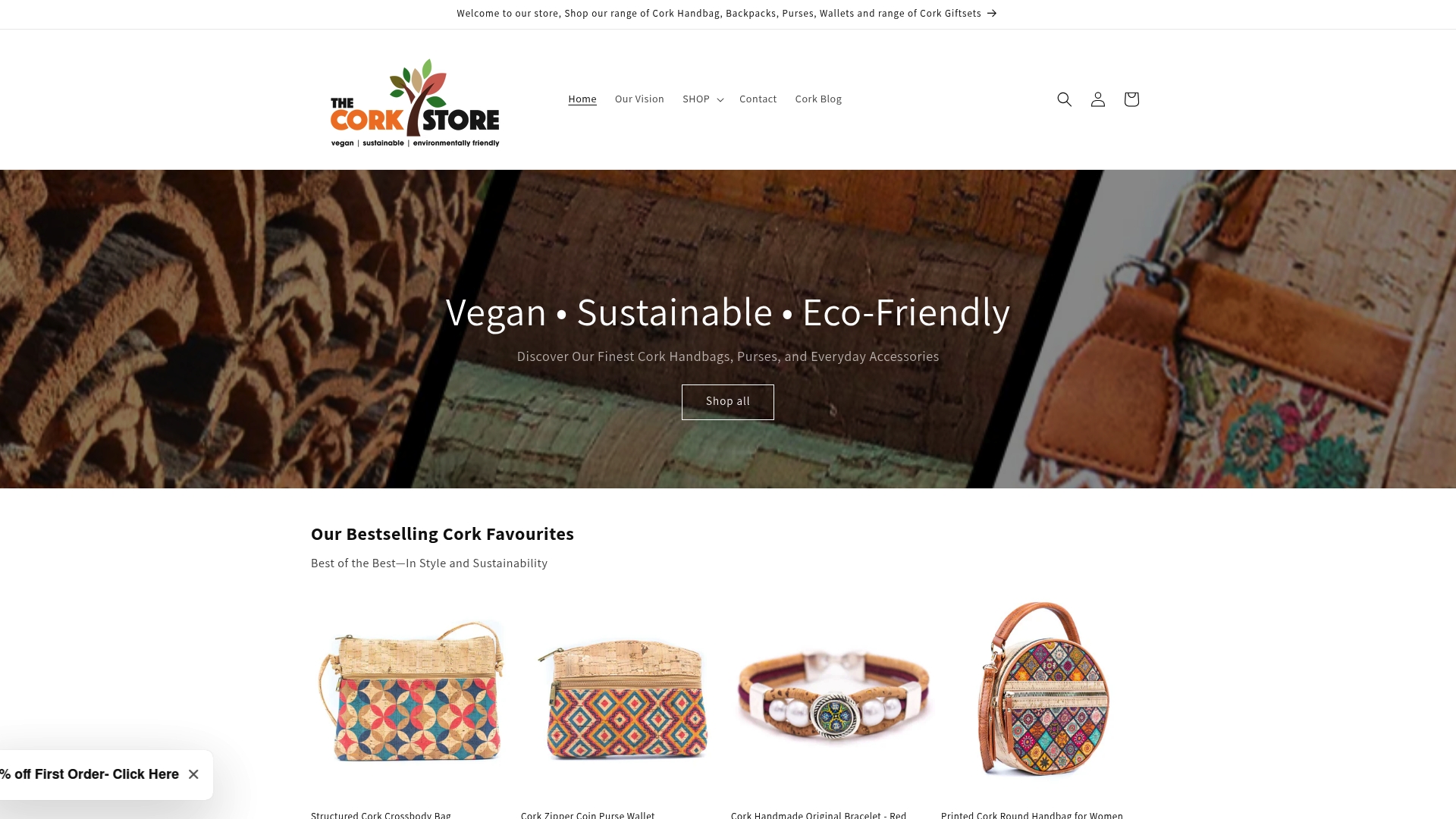
Explore our exclusive range today and embrace bags that meet rigorous sustainability standards while fitting seamlessly into your everyday life. Don’t compromise on style or ethics. Visit The Cork Store now to find your perfect vegan accessory and act confidently knowing you are choosing a product designed with care for both the planet and your lifestyle.
Frequently Asked Questions
What should I look for in vegan bag materials?
Choosing vegan bag materials requires prioritising eco-friendly options such as cork, recycled polyester, or scientifically validated plant-based leathers like cactus leather. Research the sustainability credentials of these materials to ensure they contribute positively to the environment.
How can I verify if a vegan bag is genuinely ethical?
To ensure a vegan bag is ethically produced, look for certified vegan labels that guarantee no animal materials or testing were involved. Always check for official logos and verify the certification body’s credibility to confirm the integrity of the claims.
What are the key durability features to assess in vegan bags?
When evaluating vegan bags, focus on features like material strength, water resistance, and ease of cleaning. Test the bag for structural integrity and comfort during use to ensure it meets your daily needs and can withstand various conditions.
How can I maintain my vegan bag to enhance its lifespan?
To maximise the longevity of your vegan bag, establish a regular cleaning and maintenance routine tailored to its material. For instance, use a soft damp cloth for cork bags and consider conditioning treatments for plant-based leathers to prevent cracking and maintain flexibility.
Why is timeless style important when choosing a vegan bag?
Opting for a timeless style in a vegan bag means selecting designs that will remain stylish and functional over time, avoiding the pitfalls of fast fashion. Look for classic silhouettes and neutral colours to ensure versatility across different occasions.
How do I assess a brand’s sustainability practices before purchasing?
Research a brand’s sustainability practices by examining their manufacturing processes, material sourcing, and transparency. Prioritise brands that provide detailed and verifiable information about their commitments to environmental and social responsibility.
Recommended
- 7 Vegan Handbag Types Every Eco-Conscious Buyer Should Know – The Cork Store
- The Ultimate Guide to Buying Vegan Bags for Eco-Friendly Style – The Cork Store
- What Makes a Bag Vegan: Everything You Need to Know – The Cork Store
- How to Choose Vegan Handbags: The Ultimate Eco Guide – The Cork Store
- Why Buy UK Handmade Furniture – Lasting Style and Value