

The Essential Guide to Advantages of Sustainable Fashion
Over 92 million tons of textile waste end up in landfills each year, making fashion one of the world’s top polluting industries. As more people question what goes into their clothing, sustainable fashion has moved into the spotlight. This guide sheds light on what truly defines sustainable fashion and why embracing its core principles is the first step toward changing how we shop—and how our choices shape the planet.
Table of Contents
- Defining Sustainable Fashion and Its Core Principles
- Types of Sustainable Fashion and Materials Used
- Key Environmental and Social Benefits Explained
- Economic and Personal Advantages for Consumers
- Comparing Sustainable Versus Conventional Fashion
Key Takeaways
| Point | Details |
|---|---|
| Sustainable Fashion Principles | Focuses on environmental stewardship, ethical labor practices, and economic sustainability throughout the supply chain. |
| Environmental and Social Benefits | Initiatives reduce pollution, conserve resources, and improve labor conditions, promoting social equity. |
| Consumer Advantages | Long-term cost savings, quality over quantity, and emotional satisfaction from ethical spending are significant benefits for consumers. |
| Comparison to Conventional Fashion | Sustainable fashion contrasts sharply with conventional models by minimizing environmental impact and emphasizing fair labor practices. |
Defining Sustainable Fashion and Its Core Principles
Sustainable fashion represents a transformative approach to clothing and accessory production that goes far beyond aesthetic considerations. At its core, this concept prioritizes environmental stewardship, ethical manufacturing practices, and social responsibility throughout the entire fashion supply chain. According to research from MDPI, sustainable fashion fundamentally challenges traditional industry models by integrating comprehensive strategies that consider ecological impact and human welfare.
Key principles of sustainable fashion encompass multiple interconnected dimensions:
- Environmental Protection: Minimising carbon footprint, reducing waste, and utilizing renewable or recycled materials
- Ethical Labor Practices: Ensuring fair wages, safe working conditions, and dignified treatment for all workers involved in production
- Economic Sustainability: Creating business models that support long-term viability without exploiting resources or human capital
As explored in MDPI’s literature review, sustainable fashion increasingly embraces circular economy models. These innovative approaches focus on designing products with their entire lifecycle in mind reducing waste, promoting recyclability, and challenging the traditional linear “make-use-dispose” consumption pattern. By prioritizing resource efficiency and closed-loop production systems, sustainable fashion brands can significantly diminish their environmental footprint while creating high-quality, responsibly produced accessories and clothing.
Ultimately, sustainable fashion is not merely a trend but a profound reimagining of how we conceptualise, produce, and consume clothing. It represents a holistic commitment to creating fashion that respects both people and the planet, transforming the industry from within by challenging established norms and introducing more conscious, ethical practices. Learn more about sustainable fashion essentials to deepen your understanding of this critical movement.
Types of Sustainable Fashion and Materials Used
Sustainable fashion is revolutionising the textile industry through innovative and environmentally conscious materials that challenge traditional production methods. Wikipedia highlights an exciting array of alternative materials transforming how we think about clothing and accessories, ranging from plant-based innovations to regenerative textiles that minimise ecological impact.
Cutting-Edge Sustainable Materials include:
- Organic Cotton: Grown without harmful pesticides or synthetic fertilisers
- Hemp: A rapidly renewable crop requiring minimal water and no pesticides
-
Plant-Based Leathers: Innovative alternatives derived from:
- Pineapple leaves (Piñatex)
- Apple by-products
- Mycelium-based leather substitutes
Particularly fascinating is the emergence of bamboo textiles, which Wikipedia explores as a remarkable sustainable material. Bamboo grows extraordinarily quickly, requires minimal water, and can be transformed into soft, durable fabrics with significantly lower environmental impact compared to conventional textiles. Its natural antibacterial properties and rapid regeneration make it an exceptional choice for eco-conscious fashion enthusiasts.
These materials represent more than just ecological alternatives they embody a profound shift towards regenerative fashion.
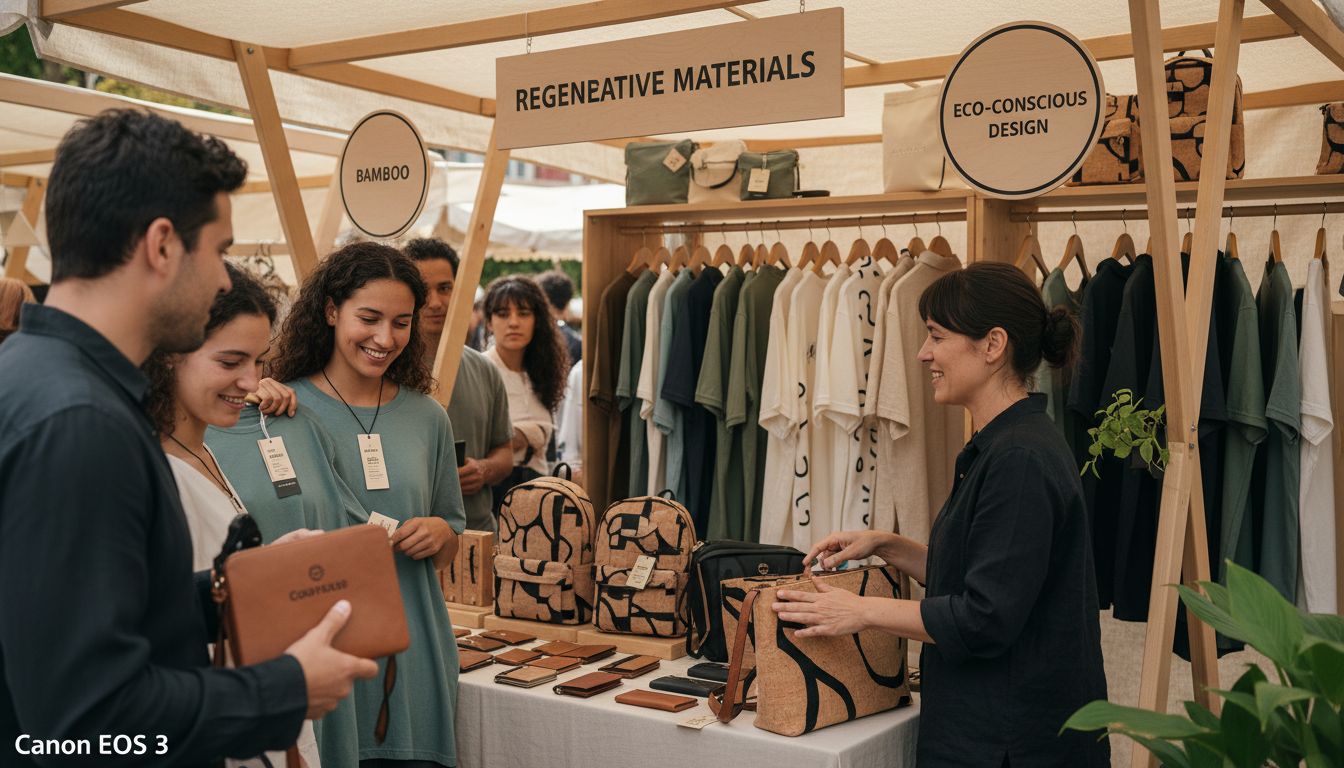 By selecting types of sustainable materials, consumers can actively participate in reducing fashion’s environmental footprint, supporting innovative production techniques that respect both human communities and natural ecosystems. The future of fashion is not just about looking good, but doing good for our planet.
Key Environmental and Social Benefits Explained
Sustainable fashion represents a transformative approach to addressing global environmental challenges, offering profound benefits that extend far beyond traditional clothing production. According to research from MDPI, sustainable fashion initiatives are systematically reducing pollution, conserving critical resources, and fundamentally reimagining industrial practices that have long been environmentally destructive.
Key Environmental Benefits include:
- Reduced Carbon Emissions: Minimising greenhouse gas production in textile manufacturing
- Water Conservation: Significantly decreasing water usage in fabric production
- Waste Reduction: Implementing circular economy principles to limit textile waste
- Resource Preservation: Using renewable and recycled materials instead of virgin resources
The social dimensions of sustainable fashion are equally compelling. MDPI highlights how these practices directly contribute to improved labor conditions, fair wage structures, and community development. By prioritising ethical manufacturing, sustainable fashion brands are creating economic opportunities that respect human dignity and promote social equity across global supply chains.
Ultimately, choosing sustainable fashion is an act of collective responsibility. Learn more about the role of eco-friendly materials in fashion, and understand how every purchasing decision can contribute to a more just and environmentally conscious global ecosystem. Each sustainable garment represents a small but significant step towards transforming the fashion industry into a force for positive change.
Economic and Personal Advantages for Consumers
Sustainable fashion offers consumers far more than an ethical wardrobe choice it represents a strategic approach to personal economic and emotional investment. According to research from MDPI, consumers increasingly recognise that sustainable fashion delivers tangible financial benefits alongside profound personal satisfaction.
Key Economic Advantages include:
- Long-Term Cost Savings: Durable products that outlast fast fashion alternatives
- Quality over Quantity: Investing in fewer, higher-quality pieces
- Reduced Replacement Frequency: Garments designed for extended use and minimal wear
- Lower Lifetime Clothing Expenses: Minimising overall fashion-related spending
MDPI further highlights the personal benefits of sustainable fashion consumption. Beyond economic considerations, consumers experience significant psychological rewards, including a sense of personal alignment with ethical values, increased self-satisfaction, and the knowledge that their purchasing decisions contribute to meaningful global change. This emotional resonance transforms fashion from a mere consumption activity into a form of personal expression and social responsibility.
By choosing sustainable options, you’re not just buying clothing you’re making a statement about your values and investing in a more responsible future. Explore our guide to sustainable fashion materials to understand how your fashion choices can create real-world impact, one garment at a time.
Comparing Sustainable Versus Conventional Fashion
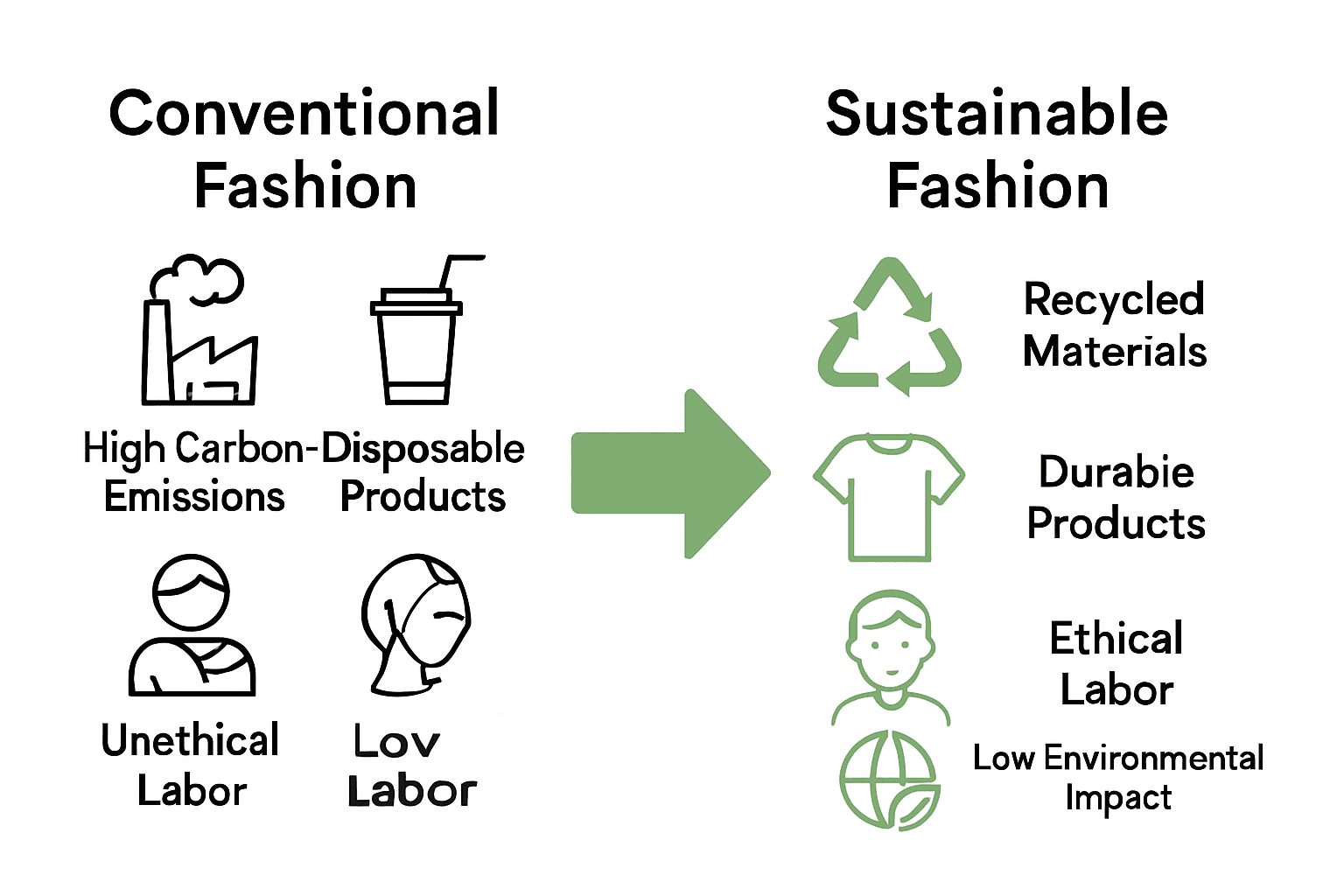
The fashion industry stands at a critical crossroads, with sustainable and conventional fashion representing fundamentally different approaches to clothing production and consumption. According to research from MDPI, the distinctions extend far beyond material choices, encompassing comprehensive environmental, economic, and ethical considerations that fundamentally reshape our understanding of fashion.
Key Comparative Dimensions:
-
Environmental Impact:
- Conventional Fashion: High carbon emissions, excessive water usage
- Sustainable Fashion: Minimised ecological footprint, renewable resources
-
Production Ethics:
- Conventional Fashion: Often exploitative labor practices
- Sustainable Fashion: Fair wages, safe working conditions
-
Economic Model:
- Conventional Fashion: Disposable, quick-turnover products
- Sustainable Fashion: Durable, long-term value investments
MDPI further illuminates how sustainable fashion represents a radical reimagining of resource utilization. While conventional fashion operates on a linear “take-make-dispose” model, sustainable fashion embraces a circular economy approach, prioritizing waste reduction, material recycling, and continuous product lifecycle management.
The choice between sustainable and conventional fashion is more than a personal preference it’s a statement about the kind of future we want to create.
Learn practical ways to reduce fashion waste and understand how every purchasing decision can contribute to a more responsible, equitable fashion ecosystem.
Discover Stylish Solutions to Sustainable Fashion Challenges
Many readers of “The Essential Guide to Advantages of Sustainable Fashion” seek trustworthy, eco-friendly accessories that reflect their commitment to ethical fashion. You understand the importance of reducing environmental impact and supporting cruelty-free, durable materials like cork instead of traditional leather. Sustainable fashion is more than a choice it is a way to align your values with what you wear while reducing waste and promoting social responsibility.
If you want to embrace these principles confidently explore our curated collection of vegan cork handbags, wallets and backpacks designed precisely for this purpose. Each product is crafted with the planet and people in mind offering a stylish, long-lasting alternative that embodies the circular economy ideal discussed in the guide.
Take the first step today. Visit The Cork Store to browse eco-conscious accessories that meet your ethical standards.
Elevate your wardrobe with conscious choices that matter. Explore our sustainable range now and experience the perfect balance of fashion, function and environmental care. Learn more about the role of eco-friendly materials in fashion and discover types of sustainable materials used to shape a better future. Shop today at The Cork Store and make your fashion journey truly sustainable.
Frequently Asked Questions
What are the key principles of sustainable fashion?
Sustainable fashion encompasses three core principles: environmental protection, ethical labor practices, and economic sustainability. It prioritizes reducing carbon footprints, ensuring fair wages, and creating viable business models that do not exploit resources.
What are the environmental benefits of sustainable fashion?
Sustainable fashion reduces carbon emissions, conserves water, decreases textile waste, and utilizes renewable or recycled materials. It represents a significant shift towards minimizing ecological impact in textile manufacturing.
How does sustainable fashion compare to conventional fashion?
Sustainable fashion focuses on reducing ecological footprints and promoting ethical production practices, while conventional fashion often relies on exploitative labor and high environmental impact. Sustainable fashion promotes durability and long-term value over disposable, quick-turnover products.
What materials are commonly used in sustainable fashion?
Sustainable fashion utilizes materials such as organic cotton, hemp, plant-based leathers, and bamboo textiles. These materials are chosen for their minimal environmental impact, regenerative properties, and overall ecological benefits.
Recommended
- Understanding Sustainable Fashion Essentials for Eco-Conscious Living – The Cork Store
- 7 Practical Ways to Reduce Fashion Waste for a Greener Closet – The Cork Store
- Eco-Friendly Fashion Tips: Upgrade Your Wardrobe Sustainably – The Cork Store
- 7 Key Sustainable Fashion Trends 2025 for Eco Shoppers – The Cork Store
- Eco-Friendly Fragrance Dupes for Conscious Consumers
- Sustainable Fabric Buying Guide | Laundry Tips