

What Is Eco-Friendly Fashion? Complete Overview
Fast fashion churns out over 92 million tons of textile waste each year, making the industry one of the world’s largest polluters. The impact reaches far beyond crowded landfills, affecting water quality, air, and workers’ lives. As more people question what eco-friendly fashion really means, the need to separate reality from marketing hype grows. Here you will discover the facts that define sustainable clothing, the myths that persist, and practical choices for a cleaner fashion future.
Table of Contents
- Eco-Friendly Fashion Defined and Debunked
- Types and Materials Used in Eco-Friendly Fashion
- How Ethical Production and Consumption Work
- Environmental and Social Benefits Explained
- Challenges, Risks, and Mainstream Alternatives
Key Takeaways
| Point | Details |
|---|---|
| Eco-Friendly Fashion Principles | Focuses on sustainable materials, reducing carbon footprints, and ensuring fair labor practices. |
| Sustainable Textiles | Utilizes innovative materials like organic cotton and recycled polyester to minimize ecological impact. |
| Ethical Production & Consumption | Encourages fair labor conditions and informed consumer choices to promote sustainability. |
| Challenges in Adoption | Higher production costs and consumer resistance hinder the widespread implementation of sustainable fashion. |
Eco-Friendly Fashion Defined and Debunked
Eco-friendly fashion represents a transformative approach to clothing production that prioritises environmental sustainability and ethical manufacturing practices. According to Textile School, this innovative fashion model seeks to minimise the substantial environmental impact traditionally associated with textile manufacturing.
At its core, eco-friendly fashion focuses on several critical principles that distinguish it from conventional clothing production. These principles include:
- Using renewable and biodegradable materials
- Minimising carbon footprint during production
- Reducing water consumption and chemical usage
- Ensuring fair labour practices
- Creating durable products that resist rapid disposal
The fashion industry has historically been a significant environmental contributor, with traditional textile production generating substantial waste and pollution. Textile School highlights that sustainable textiles are fundamentally transforming this landscape by introducing innovative materials and production methods that challenge existing manufacturing norms.
When exploring eco-friendly fashion, consumers should look beyond marketing claims and understand the genuine environmental credentials of their clothing. This means investigating material sourcing, manufacturing processes, and the overall lifecycle of a garment. Learn more about this approach in our guide to understanding sustainable fashion essentials.
Types and Materials Used in Eco-Friendly Fashion
Sustainable textiles are revolutionising the fashion industry by offering environmentally responsible alternatives to traditional materials. Textile School highlights several innovative materials that are transforming fashion production with their minimal ecological footprint.
The most prominent eco-friendly materials in sustainable fashion include:
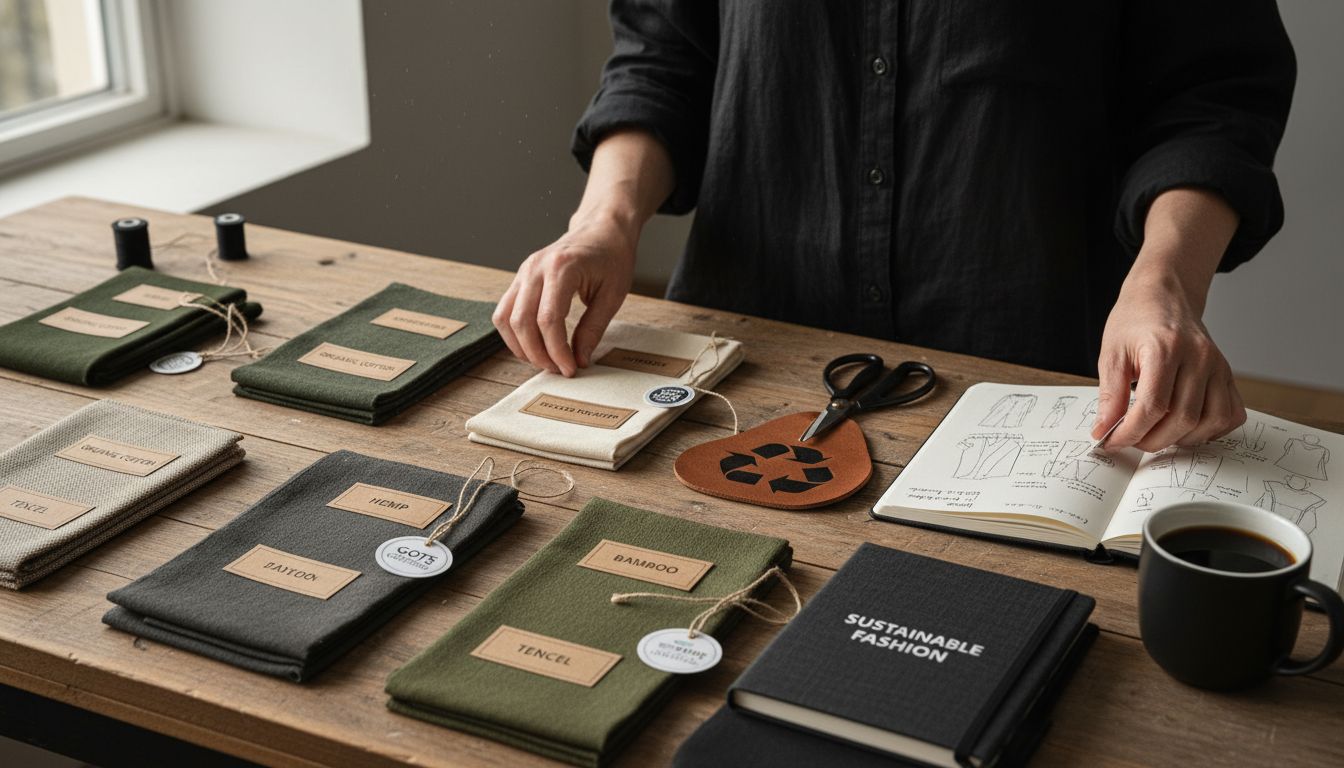
- Organic Cotton: Grown without harmful pesticides, reducing environmental contamination
- Hemp: Requires minimal water and grows rapidly without extensive chemical inputs
- Bamboo: Highly renewable, biodegradable, and requires minimal processing
- Recycled Polyester: Reduces plastic waste by repurposing existing materials
- Tencel: Produced from sustainably sourced wood pulp with minimal chemical usage
According to Textile School, each of these materials represents a significant step towards reducing the fashion industry’s environmental impact. The production processes for these textiles prioritise water conservation, reduced carbon emissions, and minimised chemical treatments compared to conventional fabric manufacturing.
As the demand for sustainable fashion grows, designers and manufacturers are increasingly exploring innovative materials like cork, which offers unique eco-friendly properties. By choosing these advanced sustainable materials, consumers can actively participate in reducing the fashion industry’s ecological footprint while maintaining style and quality.
How Ethical Production and Consumption Work
Ethical fashion represents a holistic approach that transforms the traditional fashion supply chain by prioritising both environmental sustainability and human rights. According to Chitkara, this approach emphasises responsible design practices that promote social and environmental well-being throughout the entire production process.
The key components of ethical production in fashion include:
- Ensuring fair wages for workers
- Providing safe working conditions
- Minimising environmental impact
- Transparency in manufacturing processes
- Supporting local and artisan communities
- Reducing carbon footprint
- Implementing sustainable waste management
RMCAD highlights that ethical consumption plays an equally crucial role in this ecosystem. Consumers can drive meaningful change by making informed purchasing decisions, supporting brands with transparent supply chains, and prioritising quality over quantity.
To support ethical fashion, individuals can take actionable steps like learning practical ways to reduce fashion waste, investing in durable clothing, supporting local and sustainable brands, and understanding the true cost of fast fashion. By recognising the interconnected nature of production and consumption, we can collectively work towards a more responsible and sustainable fashion industry.
Environmental and Social Benefits Explained
Sustainable fashion goes far beyond aesthetic choices, representing a critical approach to addressing global environmental challenges and social inequalities. Textile School reveals that sustainable textiles offer profound environmental and social advantages that transform traditional manufacturing paradigms.
The key environmental benefits include:
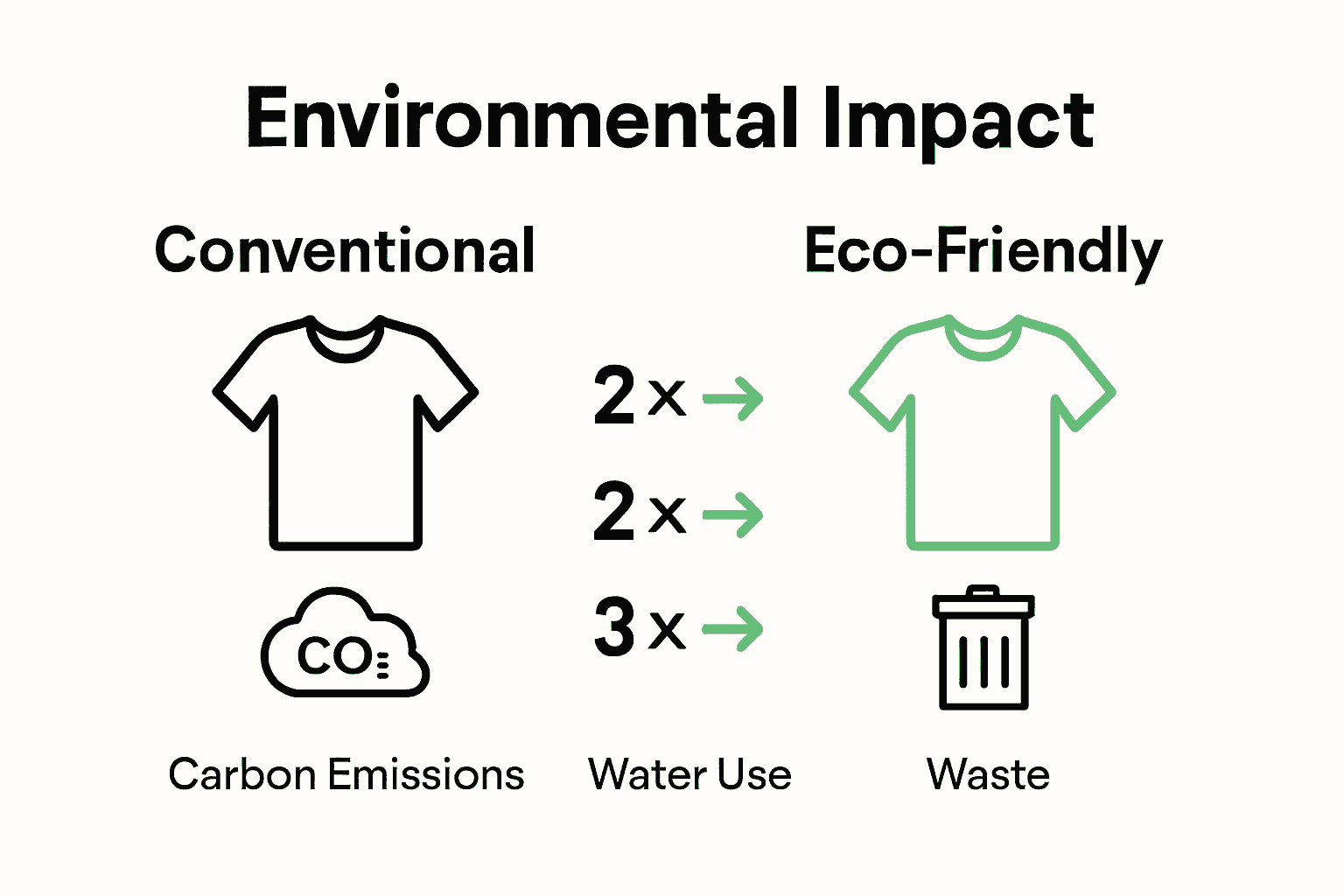
- Significant reduction in water consumption
- Lower carbon emissions during production
- Minimised chemical pollution
- Preservation of natural ecosystems
- Reduced waste generation
- Conservation of biodiversity
- Decreased reliance on non-renewable resources
Textile School emphasises that these environmental gains are intrinsically linked to substantial social improvements. By prioritising ethical production, sustainable fashion creates fair working conditions, supports local economies, and empowers marginalised communities through transparent and equitable supply chains.
Consumers can further amplify these benefits by understanding practical strategies for reducing fashion waste, making conscious purchasing decisions, and supporting brands committed to genuine sustainability. Each mindful choice contributes to a broader movement that values human dignity and environmental preservation.
Challenges, Risks, and Mainstream Alternatives
Sustainable fashion confronts significant hurdles in transforming the global textile industry. Textile School highlights the primary challenges facing eco-friendly fashion adoption, including substantial production costs and limited consumer awareness that create barriers to widespread implementation.
Key challenges in sustainable fashion include:
- Higher production expenses compared to conventional materials
- Limited scalability of sustainable manufacturing processes
- Consumer resistance to higher price points
- Complex supply chain transformations
- Technological limitations in sustainable textile development
- Lack of standardised sustainability certification
- Reduced immediate profit margins for manufacturers
Textile School emphasises that mainstream alternatives offer pragmatic compromises between full sustainability and traditional production methods. These alternatives provide consumers and manufacturers transitional strategies that balance environmental consciousness with economic practicality.
To navigate these challenges, consumers can start by exploring practical ways to reduce fashion waste, supporting brands with transparent sustainability initiatives, and making incremental changes in their purchasing habits. The journey towards truly sustainable fashion requires collective effort, patience, and ongoing innovation.
Embrace True Eco-Friendly Fashion with Stylish Cork Accessories
Understanding the challenges of adopting genuine eco-friendly fashion, from costly production to ethical sourcing, is the first step towards making responsible wardrobe choices. You want accessories that align with your values on sustainability, animal welfare, and reducing fashion waste. Our selection of vegan cork handbags, wallets, and backpacks offers a durable and cruelty-free alternative crafted with care. Cork is a renewable, biodegradable material that minimises environmental impact while supporting ethical production.
Transform your style and make a meaningful impact today by exploring our curated range at The Cork Store. Discover how cork’s unique eco-friendly properties complement your commitment to sustainable fashion. Take action now to reduce your carbon footprint and embrace accessories that truly reflect ethical consumption principles discussed in the article. Start your journey with The Cork Store and be part of the positive change in the fashion industry.
Frequently Asked Questions
What is eco-friendly fashion?
Eco-friendly fashion refers to a sustainable approach to clothing production that prioritizes environmental sustainability and ethical manufacturing practices while minimizing environmental impact.
What materials are commonly used in eco-friendly fashion?
Common materials in eco-friendly fashion include organic cotton, hemp, bamboo, recycled polyester, and Tencel, all of which have a minimal ecological footprint compared to traditional fabrics.
How can consumers participate in sustainable fashion practices?
Consumers can engage in sustainable fashion by making informed purchasing decisions, supporting brands with transparent supply chains, investing in durable clothing, and learning ways to reduce fashion waste.
What are the environmental benefits of sustainable fashion?
Sustainable fashion offers significant environmental benefits, including reduced water consumption, lower carbon emissions, minimized chemical pollution, and conservation of biodiversity.
Recommended
- Understanding the Role of Eco-Friendly Materials in Fashion – The Cork Store
- Eco-Friendly Fashion Tips: Upgrade Your Wardrobe Sustainably – The Cork Store
- Understanding Sustainable Fashion Essentials for Eco-Conscious Living – The Cork Store
- 7 Key Sustainable Fashion Trends 2025 for Eco Shoppers – The Cork Store