
5 Reuse First Eco Friendly Gift Wrapping Methods Ranked
Reuse first: a fabric wrap, a gift bag you already own, or a box saved from last year beats any new paper. When you do need paper, choose uncoated, recycled kraft rather than anything glossy or laminated, since shiny finishes usually stop it being recycled at all. Local collection rules decide what happens next, and this article walks through exactly how to check them.
TL;DR:
- Reusable fabric wraps, gift bags, and repurposed materials significantly reduce waste compared to traditional paper, especially during holiday spikes.
- Paper must be uncoated, matte, and made with a high recycled fiber content to be genuinely recyclable and environmentally friendly.
- Minimal use of tape, natural decorations, and simple knots or twine enhance reusability and ease of recycling.
- After gift opening, peeling off ribbons, tags, and tape is essential for proper recycling, and local rules vary widely.
- Prioritizing reusing existing wrapping or durable accessories like cork pieces offers a bigger environmental benefit than choosing the most sustainable-looking paper.
Table of Contents
- 1. Top eco-friendly wrapping methods ranked by impact
- 2. What actually makes wrapping recyclable or sustainable
- 3. Simple techniques for fabric, newspaper and reusable boxes
- 4. Decorations and finishing touches that stay eco-friendly
- 5. What to do once the gift is opened
- How The Cork Store approaches low-waste gift presentation
- The overlooked flaw in most eco-wrapping advice
- Give a gift that needs barely any wrapping
- Sources
- FAQ
1. Top eco-friendly wrapping methods ranked by impact
Some methods avoid waste entirely, others simply reduce it. Here is a practical order to work through when you are choosing how to wrap something.
- Fabric wrap (furoshiki): a square of cotton, linen or an old scarf tied around a gift can be reused indefinitely and suits books, bottles and awkward shapes.
- Reusable gift bags and boxes: sturdy paper bags, tins or fabric pouches can pass from gift to gift for years if the recipient is told to keep them.
- Recycled, uncoated kraft paper: the best choice when you need something that looks and behaves like traditional wrapping paper but can genuinely be recycled afterwards.
- Repurposed materials: old newspaper, magazine pages or maps cost nothing extra and give a gift a distinctive look while using paper that would otherwise be discarded.
- No-wrap alternatives: jars, tins and baskets can hold a gift outright and become part of the present itself.
The right choice depends on the gift and the occasion. A bottle of wine wraps neatly in a fabric square with a single knot, while a set of books might go straight into a reusable tote the recipient can use afterwards. For a large or oddly shaped item, a plain kraft-paper wrap with twine is often faster and less wasteful than trying to force it into a bag. Around Christmas, when volumes of wrapping paper spike, reuse-first choices make the biggest difference simply because they are used repeatedly rather than thrown away after one outing.
2. What actually makes wrapping recyclable or sustainable
Paper that looks recyclable often is not. The US EPA points out that gift wrap with a shiny or laminated coating usually cannot go through standard paper recycling, even though it is made from paper at its core. Glitter, foil layers and plastic-based coatings all contaminate the paper stream and are among the most common reasons wrapping ends up in landfill instead of being recycled.
Recycled content and recyclability are not the same thing. A paper can be made partly from recycled fibre and still fail to recycle again if it is laminated or heavily printed with metallic ink. For a genuinely good choice, check for:
- An uncoated, matte surface rather than anything glossy or metallic.
- A stated postconsumer or recovered-fibre percentage on the packaging.
- Minimal adhesive tape and no plastic-backed labels.
- Recognised labelling such as PEFC where forest-sourced paper is used.
The US EPA’s procurement guidance sets recommended recovered-fibre ranges for brown wrapping paper at 5 to 20% postconsumer fibre and 5 to 40% total recovered fibre, giving buyers a measurable benchmark rather than a vague “eco” label. Favour papers that state a figure rather than ones that simply claim to be green.
3. Simple techniques for fabric, newspaper and reusable boxes
You do not need special skills to wrap sustainably, just a few reliable moves.
- Single knot fabric wrap: lay the gift diagonally on a square of fabric, fold two opposite corners over it and tie the remaining corners in a single knot on top. Quick and ideal for boxes and books.
- Double knot pouch: for rounder or softer items, gather the fabric around the gift and secure with two knots, creating a drawstring-style pouch effect.
- Newspaper or magazine wrap: use it exactly like standard paper for oddly shaped items, and let the print pattern do the decorating instead of ribbon.
- Reusable box, twine-secured: fold the box closed and tie it with cotton twine instead of plastic tape, so it can be reopened and reused without damage.
Use minimal paper tape only where twine will not hold, such as securing a paper seam.
Pro Tip: A single strong knot or a length of twine does the job of several strips of tape and leaves the wrap intact for its next use.

4. Decorations and finishing touches that stay eco-friendly
The decoration is often where sustainability breaks down, even on an otherwise good wrap. Stick to elements that add nothing hard to remove.
- Paper ribbon, cotton string or natural twine instead of plastic or wire-edged ribbon.
- Dried flowers, sprigs of foliage or a pinecone tucked under the twine for a natural finish.
- A stamped or hand-written paper tag rather than a printed sticker with a plastic backing.
- Avoid glitter, metallic finishes and adhesive decorations that cannot be peeled off cleanly.
Attach anything decorative so it lifts away easily, tucked under a knot rather than glued down, so the paper underneath stays clean for recycling and the ribbon or twine can be saved for next time.
5. What to do once the gift is opened
What happens after the wrapping paper comes off matters just as much as what it was made from.
- Keep reusable bags, boxes and fabric wraps aside and let the recipient know they are meant to be reused or returned.
- Before recycling any paper, peel off ribbon, tags and tape, since the EPA and WRAP both flag mixed materials as a leading cause of contamination.
- Check municipal rules before assuming paper is accepted. WRAP’s framework notes that consistent labelling and packaging formats improve recycling rates, but local instructions still vary by area.
- Take any plastic film or ribbon to a separate drop-off point rather than the household recycling bin, since plastic film generally is not accepted alongside paper.
A short checklist like this slipped inside a card takes the guesswork out of disposal for whoever receives the gift.
How The Cork Store approaches low-waste gift presentation
- The store sells vegan, biodegradable cork accessories, including curated gift sets designed as complete presents in their own right.
- A cork bag or wallet is often built to last years, which fits the reuse-first thinking that runs through the rest of this article: durability beats another single-use wrap.
- For pairing ideas and further inspiration, the eco-friendly gifting ideas and eco-friendly gift guide posts cover matching wrap styles to different product types.
The overlooked flaw in most eco-wrapping advice
Most guides to eco-friendly gift wrapping focus almost entirely on the paper: is it recycled, is it kraft, does it look rustic enough. That misses the bigger point. A UNEP review of life cycle assessments found that supposedly greener materials like cotton or paper do not automatically beat plastic across every environmental measure, because production and disposal both carry a cost. What tips the balance is whether something gets used once or many times.
That means the fabric square you tie into a bow tonight and reuse for the next five birthdays is doing more good than a beautifully printed sheet of recycled kraft paper that gets torn apart and binned in thirty seconds. Readers chasing the “right” paper often skip past the much simpler win sitting in their own cupboard. Prioritise what you can use again before worrying about what material the new thing is made from. The paper question only matters once reuse genuinely is not an option.
— Aaron
Give a gift that needs barely any wrapping
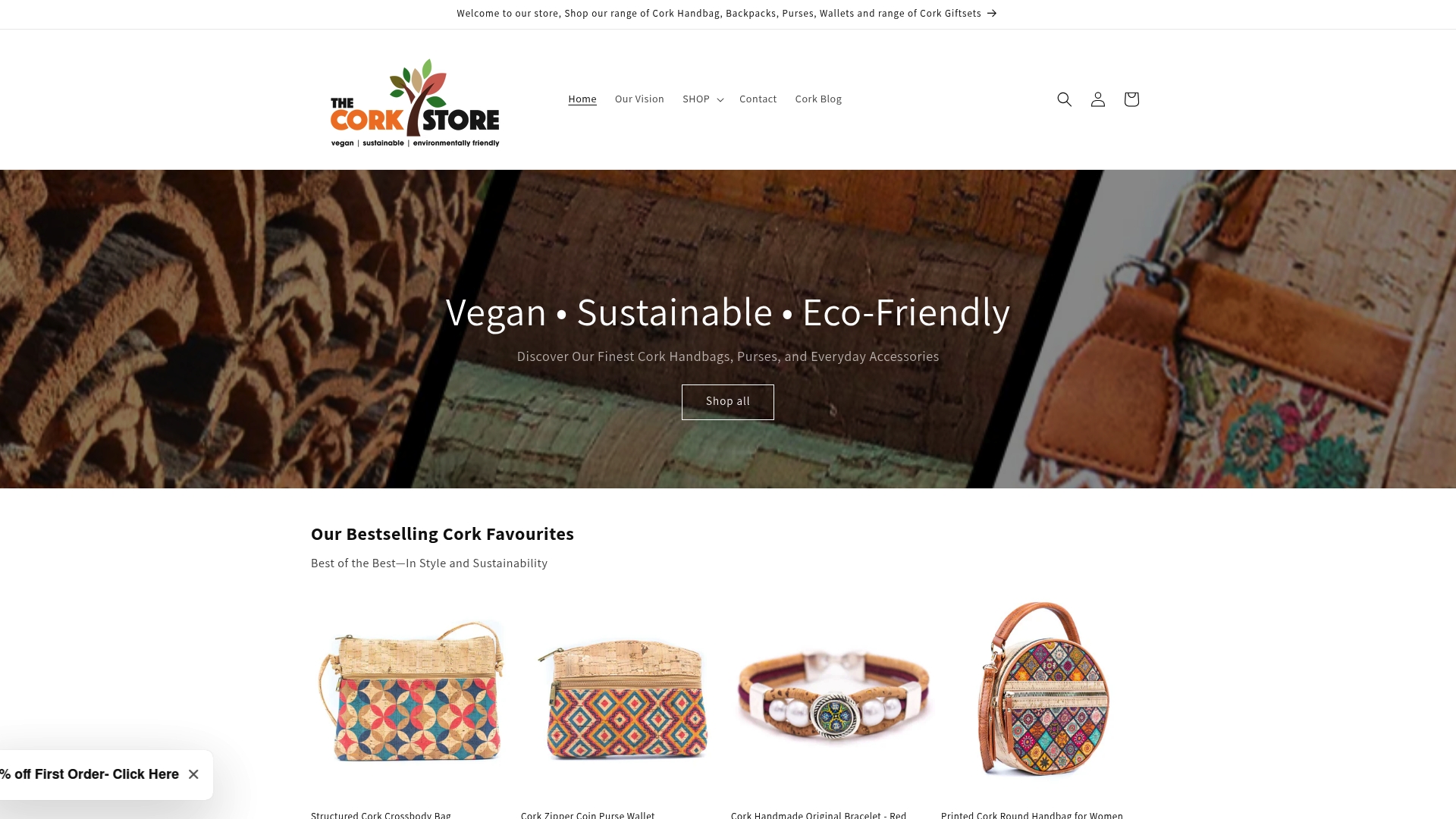
A cork accessory from The Cork Store is often gift enough on its own, structured, durable and finished well before it ever meets a ribbon. Slipped into a simple pouch or tied with a single strip of twine, it needs none of the paper or tape that most presents demand. Our Women’s Gift Sets are curated as complete, low-waste presents, and pieces like the Cork Zipper Coin Purse Wallet make an easy example of something small enough to present with almost no wrap at all.
Browse the full collection to find a present that does most of the work for you.
Sources
For collection rules and material guidance, see the EPA’s recycling FAQ, its paper procurement guidelines, and WRAP’s consistency framework. For general ecommerce packaging context, see Stellar’s guide to eco-friendly ecommerce. For more gift pairing ideas, visit The Cork Store’s eco-friendly presents guide.
- Frequent questions on recycling | US EPA
- Learn more about the evidence | WRAP
- Single-use plastic bags and their alternatives: recommendations from life cycle assessments | UNEP
FAQ
What are some eco-friendly alternatives to gift wrapping?
Fabric wrap, reusable gift bags, tins and baskets all avoid new wrapping paper entirely and can be used again. The Woodland Trust lists fabric wrap and repurposed materials among the most practical seasonal options.
What are some eco-friendly gift packaging options?
Uncoated, recycled kraft paper, reusable boxes and cork accessories that double as the gift itself all reduce single-use packaging. Choosing a durable item, such as a cork gift set from The Cork Store, cuts down on the wrapping needed in the first place.
What is the best eco-friendly Christmas wrapping paper?
Plain, uncoated kraft paper with a stated recycled or postconsumer fibre content recycles more reliably than glossy or metallic paper. The EPA’s procurement guidance recommends brown wrapping papers with 5 to 20% postconsumer fibre as a measurable benchmark.
What is the most eco-friendly packaging material?
There is no single best material for every case, since a UNEP life cycle assessment review found that reusable materials generally outperform single-use ones only when they are actually reused many times. Prioritising reuse over any single material tends to matter more than the material choice itself.