
Gifting eco-friendly accessories: your 2026 guide
TL;DR:
- Genuinely sustainable accessories are verified through independent certification and supply chain transparency.
- Choosing durable items, wrapping creatively with eco-friendly materials, and considering experience gifts enhances sustainability.
Eco-friendly accessories are defined as items crafted from sustainable, ethically sourced, or bio-based materials that minimise environmental harm across their full lifecycle. This gifting eco-friendly accessories guide exists because choosing a gift that reflects both style and genuine ethical values is harder than it looks. The sustainable gift market is growing fast, but so is the noise around it. Greenwashing, vague claims, and throwaway “eco” products make it genuinely difficult to find gifts worth giving. This guide cuts through that, covering certifications, budget tiers, presentation, and alternatives, so you can give something that lasts and means something.
How to recognise genuinely sustainable accessories versus greenwashed products
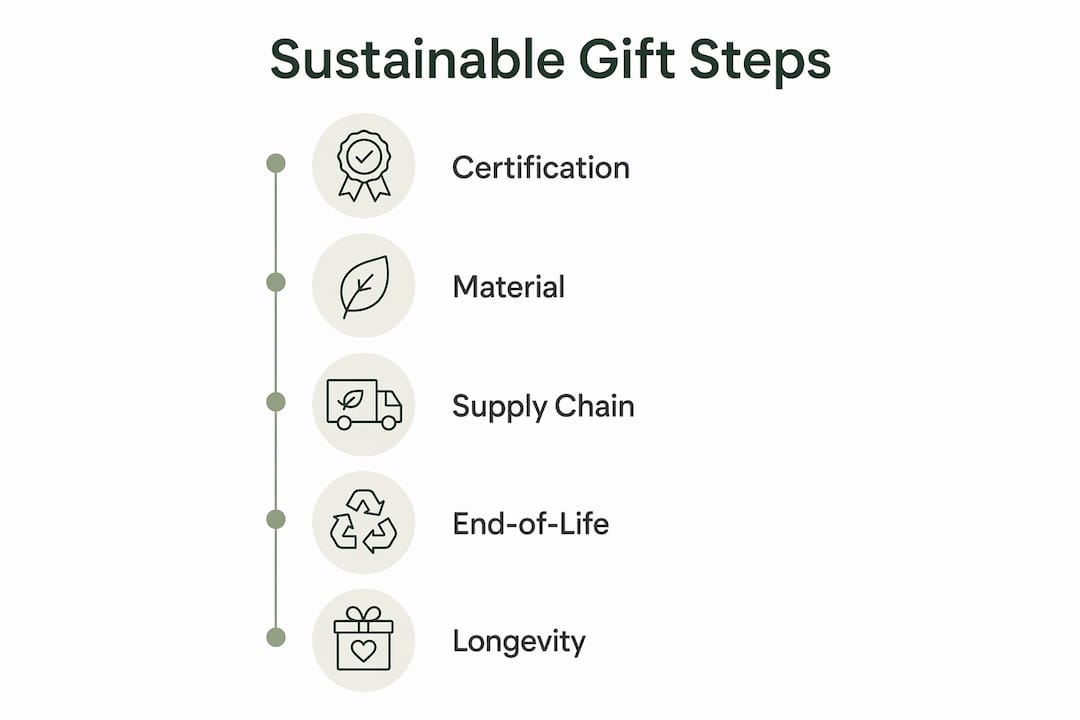
The single most reliable way to identify a truly sustainable accessory is to look for independent, third-party certification. About 50% of green products lack independent verification, which means half of what markets itself as eco-friendly cannot actually prove it. That is not a small margin of error when you are trying to give a gift with genuine ethical credentials.
The certifications worth trusting include:
- B Corp certification, which assesses a company’s entire social and environmental performance, not just its products
- Fair Trade, which verifies fair wages and safe conditions throughout the supply chain
- GOTS (Global Organic Textile Standard), which covers organic fibre production from harvest through to labelling
- Leather Working Group certification for any leather-adjacent materials, though vegan alternatives like cork sidestep this entirely
Beyond certifications, watch for specific red flags in product descriptions. The word “natural” carries no legal definition in most retail contexts. “Eco-conscious” and “planet-friendly” are marketing terms, not verified claims. If a brand cannot tell you where its materials come from or how its products are made, that absence of transparency is itself a signal.
Supply chain transparency is the next layer. Brands that publish supplier lists, third-party audit results, or annual impact reports are demonstrably more trustworthy than those offering only vague sustainability statements on a landing page. Thecorkstore, for example, specialises in vegan cork accessories with clear material provenance, which is exactly the kind of specificity worth looking for.
Pro Tip: Ask whether the product has an end-of-life plan. Brands that offer repairs, take-back programmes, or compostable packaging are thinking beyond the sale. That is a stronger sustainability signal than any marketing copy.
What budget tier suits your eco-friendly gift?
Sustainable gifting does not require a large budget. Sustainable gift options divide clearly by price point, and each tier offers genuinely good choices when you know what to look for.
| Budget tier | Price range | Typical options | What to prioritise |
|---|---|---|---|
| Entry level | Under £30 | Recycled or upcycled small goods, beeswax wraps, seed paper stationery | Utility and zero-waste credentials |
| Mid-range | £30–£80 | Organic cotton pouches, cork wallets, wooden accessories | Durability and certified materials |
| Premium | £80 and above | Heirloom-quality bags, cork backpacks, pineapple leather goods | Longevity, repairability, and design |
The entry-level tier is where most people start, and it works well for colleagues, acquaintances, or group gifts. Recycled cotton tote bags, beeswax food wraps, and seed paper notebooks all sit comfortably under £30 and carry genuine sustainability credentials when sourced from verified brands.
The mid-range tier is where cork accessories genuinely shine. Cork wallets, card holders, and small purses offer the texture and durability of leather without the animal welfare or carbon cost. Unapologetic sustainable luxury is now a real design category, with cork and pineapple leather competing directly with traditional premium materials. This is not a compromise. It is a different and often superior choice.
At the premium end, the focus shifts to longevity. Durability is the ultimate sustainability measure, because a gift used for ten years beats a “sustainable” product discarded after one. Look for items with replaceable hardware, repairable stitching, and materials that age well. Cork, for instance, is naturally water-resistant, lightweight, and improves in appearance with use.
- Choose gifts the recipient will actually use daily, not just admire once
- Avoid novelty eco products with no clear function
- Consider the recipient’s existing style and whether the accessory fits it
- Check whether the brand offers repairs or replacements for worn parts
Pro Tip: When in doubt between two similarly priced options, choose the one with the longer expected lifespan. A cork bag used for five years has a fraction of the environmental footprint of a cheaper item replaced annually.
How should you wrap eco-friendly gifts without creating waste?
Presentation matters more than most people admit. The wrapping is the first thing a recipient sees, and it sets the tone for the gift inside. Fortunately, eco-friendly wrapping methods like Furoshiki reduce waste significantly while making the unboxing experience more memorable, not less.
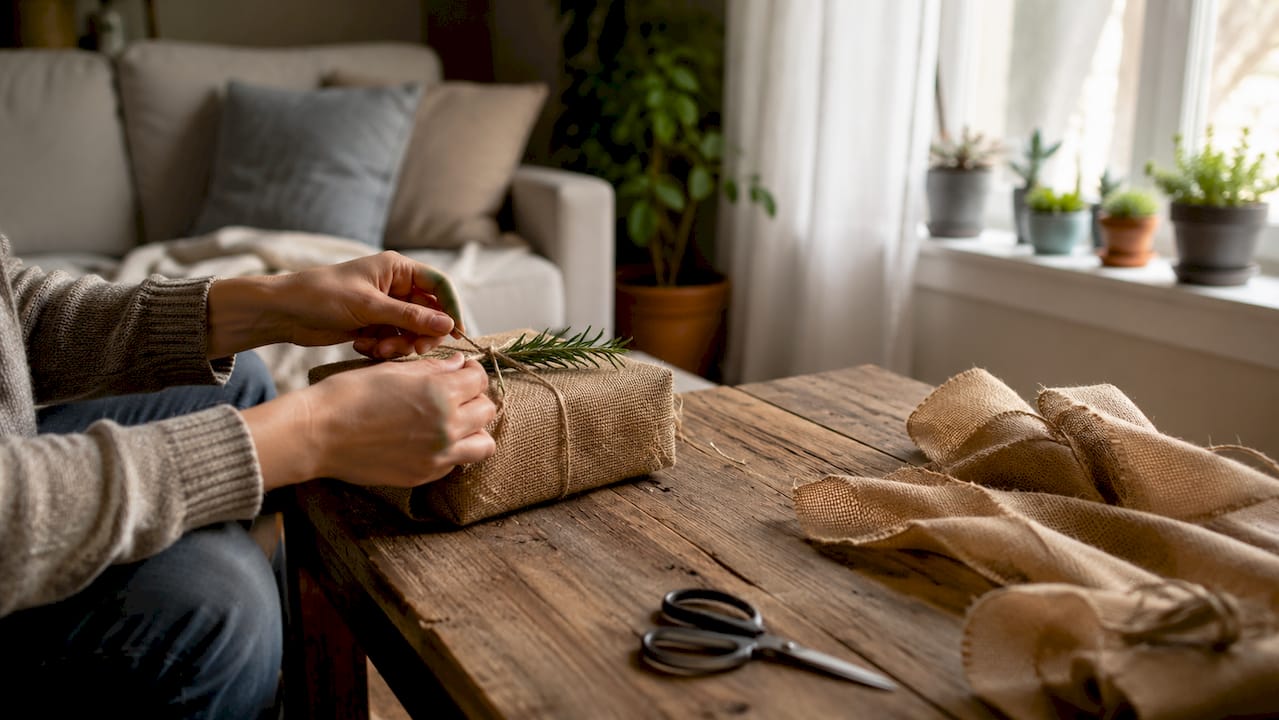
Furoshiki is a Japanese cloth-wrapping technique that uses a single square of fabric to wrap almost any shape. The cloth itself becomes part of the gift. A piece of organic cotton, linen, or recycled fabric in a colour the recipient loves adds genuine value and produces zero single-use waste. It is one of the most practical and elegant solutions in sustainable gifting.
Beyond Furoshiki, the rules are straightforward:
- Avoid glossy or laminated wrapping paper, which cannot be recycled
- Skip plastic tape entirely. Paper tape or twine holds just as well and composts cleanly
- Reuse boxes, tissue paper, and ribbons from previous gifts rather than buying new
- Use natural accents like dried lavender, cinnamon sticks, or sprigs of rosemary instead of plastic bows
Recycled kraft paper is widely available and fully recyclable. Paired with a fabric ribbon and a dried flower, it looks considered and intentional. That presentation signals to the recipient that the thought extended beyond the product itself.
Pro Tip: Save fabric offcuts, old scarves, and linen napkins throughout the year specifically for gift wrapping. By the time a gifting occasion arrives, you will have a collection of wrapping materials that cost nothing and produce no waste.
Are experience gifts better than physical eco-friendly accessories?
Experience gifts and locally sourced items are environmentally preferable in many cases because they generate less shipping, packaging, and physical waste. For recipients who already own plenty of accessories, an experience can be the more thoughtful and sustainable choice.
Consider these alternatives when selecting your sustainable gift:
- Craft or skills workshops such as natural dyeing, pottery, or leatherwork alternatives using cork or plant-based materials. These carry almost no physical footprint and create lasting memories.
- Local artisan experiences including food tours, botanical garden memberships, or independent cinema subscriptions. Buying locally reduces transport emissions and supports small businesses.
- Refillable or consumable gifts such as solid shampoo bars, refillable perfume vessels, or organic loose-leaf tea sets. These work well when you know the recipient’s preferences precisely.
- Zero-waste starter kits combining a reusable cup, bamboo cutlery set, and beeswax wraps. These are practical, genuinely used, and carry clear sustainability credentials.
- Charitable donations in the recipient’s name to organisations like the Woodland Trust or Marine Conservation Society, paired with a handwritten note explaining the choice.
The key principle across all of these is utility. A gift genuinely enjoyed is far more sustainable than one that sits in a drawer. Whether physical or experiential, the best sustainable gift is one the recipient would have chosen for themselves. When you know someone well enough to predict that, you are already most of the way to a perfect choice.
Experience gifts also solve the greenwashing problem entirely. There is no product to certify, no supply chain to verify, and no packaging to dispose of. For recipients who are deeply committed to sustainability, that simplicity can itself feel like a statement of respect.
Key takeaways
Choosing genuinely sustainable accessories requires third-party certification, material transparency, and a focus on durability over novelty.
| Point | Details |
|---|---|
| Verify certifications | Look for B Corp, Fair Trade, or GOTS labels rather than trusting unverified marketing terms. |
| Match budget to longevity | Premium cork or pineapple leather gifts last longer and carry a lower lifetime footprint than cheap alternatives. |
| Wrap without waste | Use Furoshiki cloth wrapping or recycled kraft paper with natural accents to eliminate single-use packaging. |
| Prioritise utility | A gift the recipient uses daily is always more sustainable than one discarded after a single use. |
| Consider experiences | Local workshops, memberships, and artisan activities often have a lower environmental footprint than physical products. |
Why I think most people are gifting sustainably in the wrong order
Most guides to sustainable gifting start with materials. I think that is the wrong place to begin. The first question is not “what is this made from?” It is “will this person actually use it?”
I have seen beautifully certified, cork-crafted, ethically produced accessories end up in charity shop bags because the giver chose what they found impressive rather than what the recipient needed. That is not sustainable gifting. That is sustainable shopping with someone else’s name on the label.
The second mistake I see constantly is treating sustainability as a style compromise. The shift toward stylish sustainable accessories has been real and significant. Cork bags now sit alongside leather goods in terms of texture, durability, and design. Pineapple leather wallets are genuinely beautiful objects. The idea that choosing ethically means accepting something inferior is simply outdated.
The third mistake is ignoring repairability. A gift with replaceable parts and a brand that offers repairs is worth twice as much environmentally as a “sustainable” product with no afterlife plan. Before you buy, ask whether the brand will fix it if it breaks. That question alone will filter out most of the greenwashing.
Gifting mindfully means slowing down the decision. It means knowing the recipient well enough to choose something they will reach for repeatedly. Style, ethics, and genuine usefulness are not competing priorities. When you find a gift that satisfies all three, you will know it immediately.
— Aaron
Discover Thecorkstore’s sustainable accessory gift range
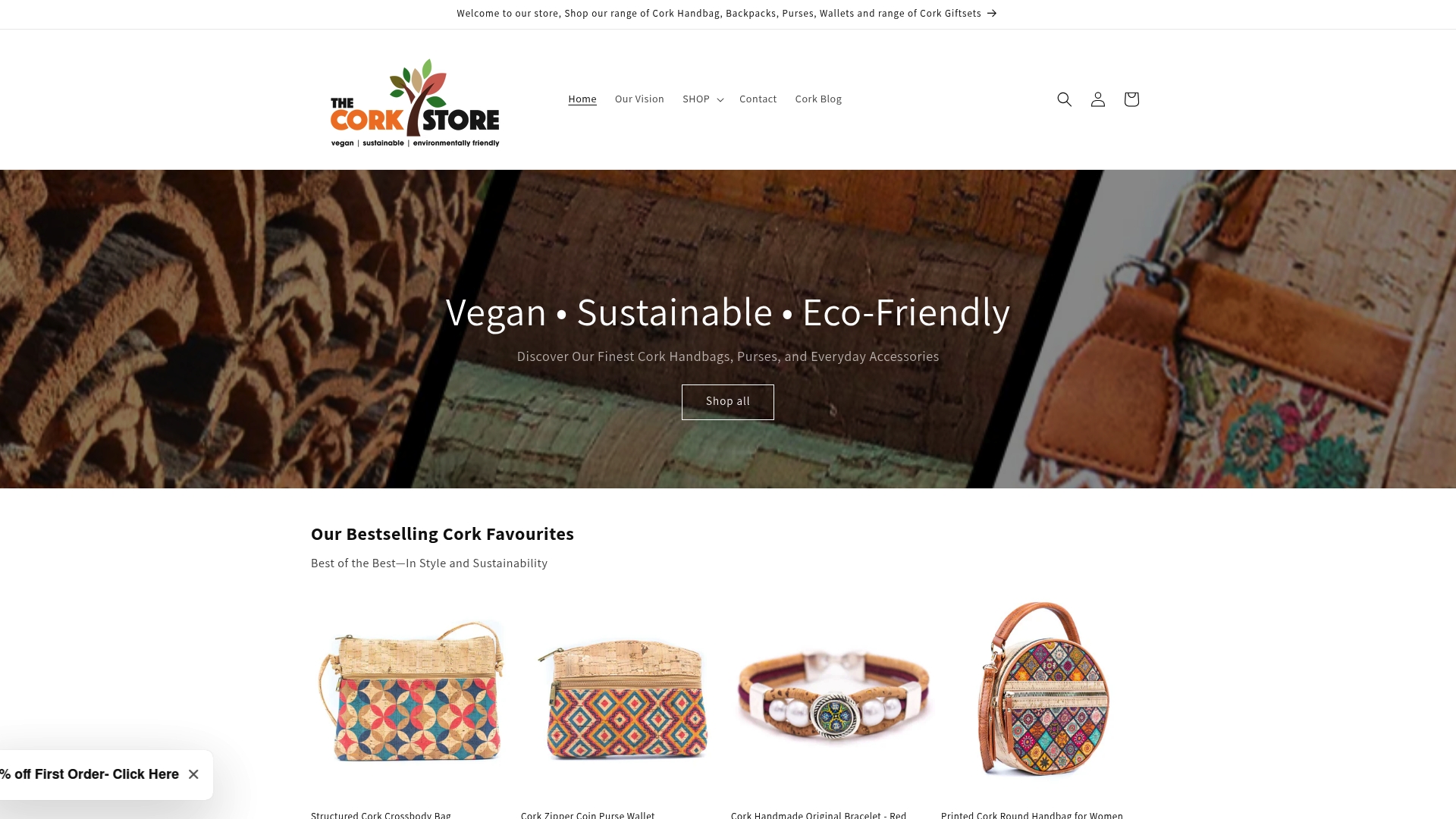
Thecorkstore offers a curated range of vegan cork gift sets and accessories crafted from natural cork harvested without harming the tree. Every product is cruelty-free, plastic-free in construction, and designed to last. Whether you are looking for a cork wallet for a minimalist friend, a structured handbag for someone who values both style and ethics, or a gift set that arrives beautifully presented, Thecorkstore has options across every budget tier covered in this guide. Browse the full collection to find something the recipient will genuinely reach for every day, not just once.
FAQ
What certifications should I look for in eco-friendly accessories?
Look for B Corp, Fair Trade, and GOTS certifications. About 50% of green products lack independent verification, so third-party certification is the most reliable indicator of genuine sustainability.
Is cork a genuinely sustainable material for accessories?
Cork is harvested from the bark of cork oak trees without cutting them down, making it a renewable and biodegradable material. It is also naturally water-resistant and lightweight, which makes it well-suited to bags, wallets, and purses.
How do I wrap eco-friendly gifts without using plastic?
Use the Furoshiki cloth-wrapping method with a square of organic or recycled fabric, or opt for recycled kraft paper with paper tape. Both methods are fully recyclable or reusable and produce no single-use waste.
Are experience gifts more sustainable than physical accessories?
Experience gifts typically generate less packaging, shipping, and physical waste than most physical products. Local workshops, memberships, and artisan activities are environmentally preferable when the recipient already owns plenty of accessories.
What makes a sustainable gift genuinely durable?
Durability comes from quality materials, replaceable hardware, and brands that offer repairs. Longevity combined with materials like cork, organic cotton, and recycled metals ensures a gift maintains its value and minimises environmental impact over time.
Recommended
- Eco-friendly gifting ideas: best sustainable picks 2026 – The Cork Store
- Why eco gifts matter: a guide to sustainable, stylish giving – The Cork Store
- Top eco-friendly fashion trends 2026 for conscious shoppers – The Cork Store
- Eco-conscious shopping: Guide to sustainable style in 2026 – The Cork Store