

Top eco-friendly fashion trends 2026 for conscious shoppers
Choosing genuinely sustainable fashion accessories feels overwhelming when greenwashing runs rampant and vague eco-claims dominate product labels. You want stylish, vegan pieces that truly minimise environmental harm, but distinguishing authentic eco-friendly options from clever marketing requires knowledge most brands don’t readily provide. This guide cuts through the confusion by establishing clear evaluation criteria, exploring trending sustainable materials, comparing popular accessory types, and showing you how to match environmentally responsible fashion to your personal lifestyle without sacrificing style or quality.
Table of Contents
- Key takeaways
- How to evaluate environmentally friendly fashion accessories
- Popular sustainable materials and vegan options in fashion
- Comparing top environmentally friendly fashion accessories
- Choosing the right environmentally friendly accessories for your lifestyle
- Discover stylish sustainable accessories at The Cork Store
- FAQ
Key Takeaways
| Point | Details |
|---|---|
| Clear evaluation criteria | Look for transparent material origins and third party certifications alongside a published lifecycle assessment. |
| Vegan certification importance | Choose accessories with recognised vegan certifications to avoid animal products and reduce water and energy use in production. |
| Transparent supply chains | Brands should openly share supply chain information and labour policies to verify ethical manufacturing. |
| End of life considerations | Assess if materials are biodegradable or recyclable to minimise waste when the product reaches end of life. |
How to evaluate environmentally friendly fashion accessories
Understanding sustainable fashion involves recognising materials, production ethics, and lifecycle impact. Before investing in any accessory marketed as eco-friendly, you need a framework that separates genuine sustainability from superficial claims. Material origin forms the foundation: renewable, biodegradable, or recycled sources indicate lower environmental burden than virgin synthetic materials derived from petroleum. Look for transparency about where materials come from and how they’re harvested or manufactured.
Vegan certification matters beyond animal welfare. Accessories free from leather, wool, silk, and other animal products typically require less water, land, and energy to produce whilst avoiding the ethical concerns of animal agriculture. Certifications from recognised bodies provide independent verification that products meet strict vegan standards. Production ethics encompass fair labour practices, safe working conditions, and equitable wages throughout the supply chain. Brands committed to sustainability should openly share information about their manufacturing partners and labour policies.
Durability and end-of-life considerations complete the evaluation. An accessory that lasts years prevents waste far more effectively than cheap items requiring frequent replacement. Consider whether materials are biodegradable or recyclable when the product eventually wears out. Some key factors to assess include:
- Renewable material sources like cork oak bark or organic cotton
- Third-party vegan and ethical certifications
- Transparent supply chain documentation
- Expected lifespan based on construction quality
- Biodegradability or recyclability after use
Pro Tip: Check if brands publish detailed sustainability reports or lifecycle assessments. Companies genuinely committed to environmental responsibility eagerly share this data, whilst those engaged in greenwashing offer only vague marketing language without substantive proof.
Learning how to spot sustainable fashion protects you from misleading claims and ensures your purchases align with your values. Apply these criteria consistently and you’ll quickly develop an eye for authentic eco-friendly accessories that deliver both style and substance.
Popular sustainable materials and vegan options in fashion
Cork and organic cotton are celebrated for low environmental impact and durability in accessories. Cork harvested from oak bark regenerates naturally without harming trees, creating a renewable material that’s lightweight, water-resistant, and uniquely textured. Its natural elasticity and soft feel make cork ideal for bags, wallets, and other accessories that need flexibility without sacrificing structure. The material biodegrades completely at end of life, leaving no toxic residue.
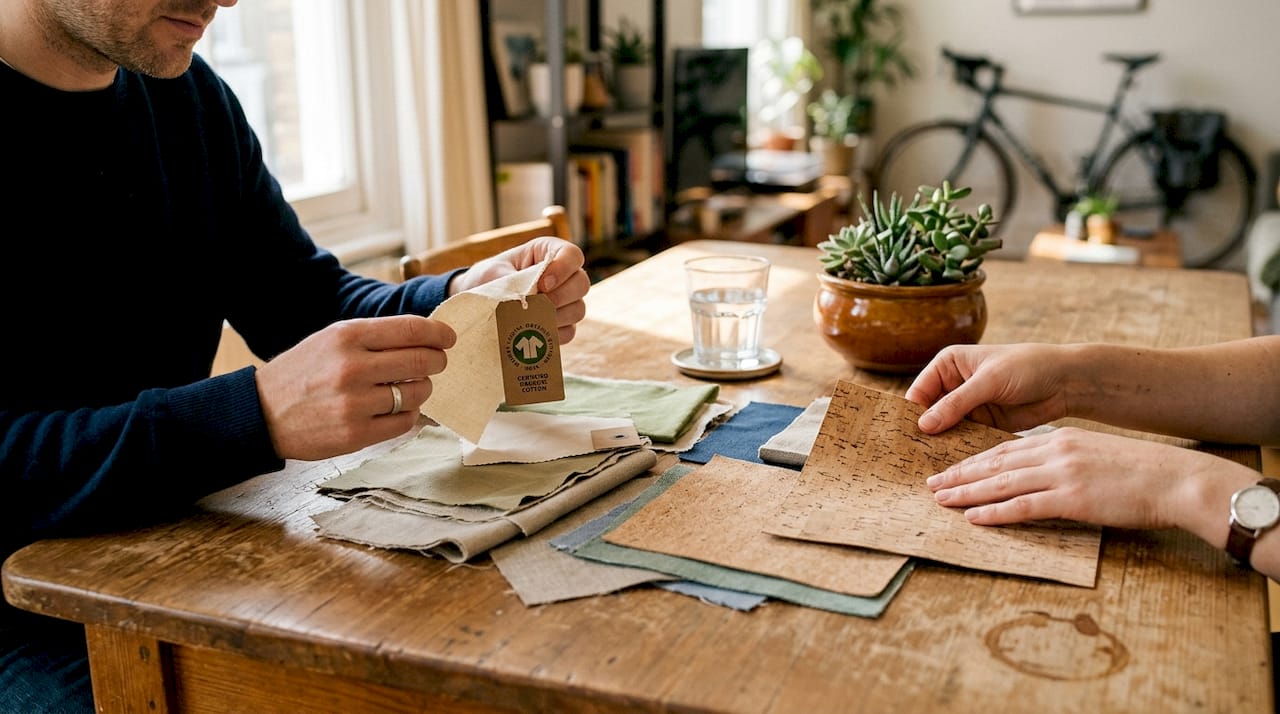
Organic cotton grown without synthetic pesticides or fertilisers offers another compelling sustainable option. Conventional cotton production depletes soil and contaminates water with chemicals, but organic methods preserve ecosystem health whilst producing soft, breathable fabric perfect for totes and everyday accessories. Look for GOTS certification confirming organic status throughout processing. Recycled fabrics crafted from post-consumer waste like plastic bottles or discarded textiles divert materials from landfills whilst requiring less energy and water than virgin production.
Vegan leather alternatives have evolved dramatically beyond early vinyl options. Modern plant-based leathers derived from pineapple leaves, apple waste, or mushroom mycelium provide texture and durability rivalling animal leather without the environmental toll of livestock farming. Some synthetic options using recycled polyester or innovative bio-based polymers offer water resistance and longevity suitable for everyday accessories. Material choice significantly influences both environmental footprint and aesthetic appeal:
- Cork delivers natural texture, water resistance, and complete biodegradability
- Organic cotton provides breathable softness ideal for casual, versatile pieces
- Recycled polyester offers durability and weather protection from reclaimed materials
- Plant-based leathers combine sophisticated appearance with renewable sourcing
Pro Tip: Request material certifications directly from brands if not displayed on product pages. Legitimate sustainable materials come with documentation, and responsive customer service indicates a company confident in its environmental claims rather than hiding behind marketing fluff.
Understanding how to spot sustainable materials empowers you to make informed choices aligned with your values. Consider trying a Westford Mill organic cotton tote to experience how sustainable materials perform in daily use whilst supporting ethical production practices.
Comparing top environmentally friendly fashion accessories
Consumers benefit from transparent comparisons to choose accessories aligning with their values and needs. Different sustainable materials and construction methods create distinct advantages depending on your priorities and lifestyle requirements. Cork bags combine lightweight portability with natural water resistance, making them practical for unpredictable weather whilst offering unique visual texture that stands out from conventional accessories. Their biodegradability ensures minimal environmental impact when eventually discarded.
Vegan leather wallets crafted from plant-based or recycled materials provide slim profiles and sophisticated appearance suitable for professional settings. Durability varies significantly between plant-based options like apple leather and recycled synthetic alternatives, so examine construction quality and stitching carefully. Organic cotton totes excel in breathability and washability, perfect for grocery shopping or beach trips where you need generous capacity and easy cleaning. Their soft structure allows compact folding when not in use.
| Accessory type | Primary material | Key sustainability feature | Style profile | Best use case |
|---|---|---|---|---|
| Cork crossbody bag | Harvested cork oak bark | Renewable, biodegradable, water-resistant | Natural texture, casual-elegant | Daily errands, travel |
| Vegan leather wallet | Plant-based or recycled polymers | Animal-free, reduced chemical processing | Sleek, professional | Everyday carry, gifting |
| Organic cotton tote | GOTS-certified organic cotton | Pesticide-free, soil-preserving | Soft, versatile | Shopping, casual outings |
| Recycled fabric backpack | Post-consumer recycled materials | Waste diversion, lower energy use | Modern, sporty | Commuting, active lifestyle |
When comparing options, weigh sustainability metrics against practical considerations. A cork bag’s water resistance might matter more for rainy climates, whilst organic cotton’s washability proves essential if you frequently carry groceries or gym gear. Design versatility determines how many outfits and occasions each accessory complements. Consider these comparison factors:
- Material source transparency and certification
- Expected lifespan based on construction and material durability
- Maintenance requirements and ease of cleaning
- Aesthetic versatility across different outfits and settings
- Price relative to longevity and environmental benefit
Exploring eco-friendly fashion tips helps you prioritise features matching your lifestyle. You might compare options like an ISG cotton shopper tote bag against cork alternatives to determine which material properties serve your daily routine most effectively whilst minimising environmental impact.
Choosing the right environmentally friendly accessories for your lifestyle
Personal lifestyle considerations are crucial to selecting the most fitting sustainable fashion accessories. Your daily activities, climate, and personal aesthetic preferences determine which eco-friendly options will actually get used regularly rather than languishing in your wardrobe. Start by auditing your current accessory usage patterns: which items do you reach for daily, which occasions require specific accessories, and where do gaps exist in your collection?
Climate significantly influences material performance. Cork and vegan leather alternatives handle moisture better than organic cotton, making them superior choices for rainy regions or water-related activities. Conversely, breathable cotton totes prevent overheating in hot, humid environments where synthetic materials might feel uncomfortable. Consider your colour preferences and existing wardrobe palette to ensure new sustainable pieces integrate seamlessly rather than clashing with your established style.
Balancing aesthetics with sustainability requires honest assessment of your style priorities. If you gravitate towards minimalist, professional looks, sleek vegan leather wallets and structured cork bags complement that aesthetic whilst meeting environmental standards. Those preferring relaxed, bohemian styles might find organic cotton and natural cork textures more appealing. Follow this approach to integrate sustainable accessories effectively:
- Identify your three most-used accessory types based on actual daily habits
- Research sustainable alternatives in those categories using evaluation criteria from earlier sections
- Invest in one high-quality sustainable piece to test material performance and style compatibility
- Gradually replace worn-out conventional accessories with sustainable options rather than discarding functional items prematurely
- Prioritise versatile designs that work across multiple outfits and occasions to maximise use and value
- Care for sustainable accessories properly to extend lifespan and maintain appearance
Pro Tip: Don’t replace your entire accessory collection immediately. Discarding functional items creates waste that negates sustainability benefits. Instead, commit to choosing eco-friendly options when existing pieces genuinely need replacement, building a sustainable collection gradually whilst honouring the environmental principle of using what you already own.
Applying understanding sustainable fashion essentials to your specific lifestyle ensures your sustainable choices deliver practical value alongside environmental benefits. The most sustainable accessory is ultimately the one you’ll use consistently for years, so prioritise fit with your real life over aspirational purchases that won’t see regular use.
Discover stylish sustainable accessories at The Cork Store
Transitioning to environmentally responsible fashion becomes effortless when you have access to verified, stylish options that match your values. The Cork Store specialises in curating authentic cork and vegan accessories that combine sophisticated design with genuine sustainability credentials. Every product undergoes rigorous evaluation to ensure materials, production methods, and durability meet strict environmental and ethical standards, eliminating guesswork from your purchasing decisions.
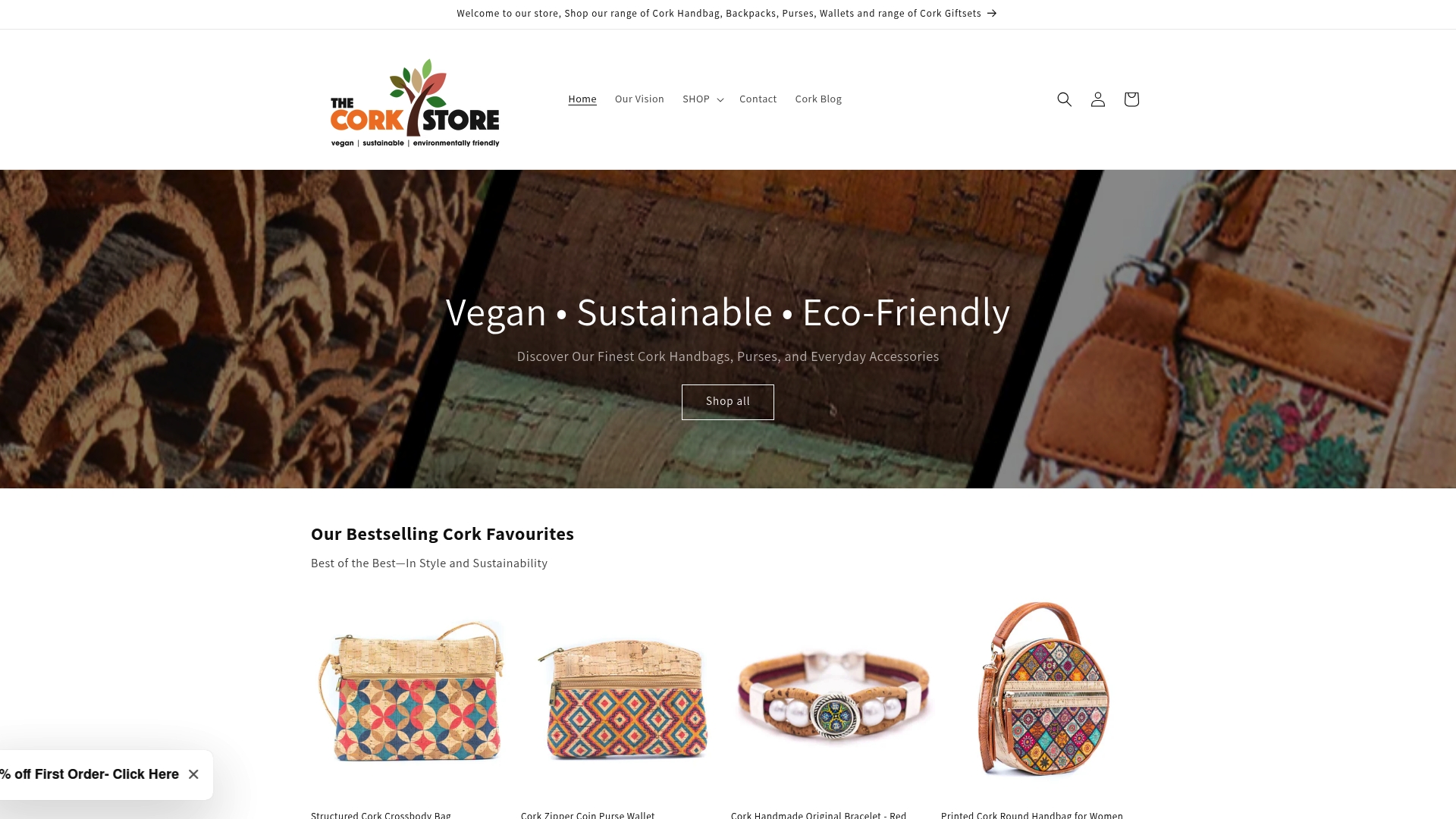
Our collection spans handbags, wallets, backpacks, and gift sets crafted from renewable cork and other sustainable materials, offering versatile options for every lifestyle and aesthetic preference. Detailed product descriptions provide complete transparency about material sourcing, manufacturing processes, and care instructions, empowering you to make informed choices aligned with your environmental priorities. Expert guidance through our spot sustainable fashion guide helps you develop the knowledge to evaluate any eco-friendly fashion claim confidently, whether shopping with us or elsewhere.
FAQ
What are the most eco-friendly materials for fashion accessories?
Cork harvested from oak bark, organic cotton grown without pesticides, and recycled fabrics from post-consumer waste rank among the most environmentally responsible options. These materials offer renewable sourcing, biodegradability, and reduced resource consumption compared to conventional alternatives. Plant-based vegan leathers derived from pineapple leaves or apple waste provide additional sustainable choices with lower environmental impact than animal leather or virgin synthetic materials.
How can I be sure an accessory is truly environmentally friendly?
Verify claims by checking for third-party certifications like GOTS for organic cotton or recognised vegan standards from independent organisations. Request detailed information about material sources, manufacturing locations, and labour practices directly from brands. Genuine sustainable companies eagerly provide transparency through published sustainability reports, whilst those engaged in greenwashing offer only vague marketing language without substantive documentation.
Are vegan fashion accessories better for the environment?
Vegan materials eliminate animal welfare concerns and typically require less water, land, and energy than leather production from livestock farming. However, environmental impact varies significantly based on specific materials and manufacturing processes. Plant-based vegan leathers generally offer lower ecological footprints than petroleum-derived synthetics, whilst recycled vegan materials provide waste diversion benefits. Evaluate each product individually using comprehensive sustainability criteria rather than assuming all vegan options are equally environmentally friendly.
How do I transition my wardrobe to include more sustainable accessories?
Start by identifying versatile, frequently-used accessory types where sustainable alternatives will deliver maximum value and regular use. Replace worn-out conventional items with high-quality sustainable options rather than discarding functional pieces prematurely, which creates unnecessary waste. Focus on timeless designs in neutral colours that complement multiple outfits and withstand changing trends. Gradually building a sustainable collection over time proves more environmentally responsible than rapid wholesale replacement. Learn practical strategies through our transition to sustainable fashion guide for step-by-step support throughout your journey towards more conscious fashion choices.
Recommended
- 7 Key Sustainable Fashion Trends 2025 for Eco Shoppers – The Cork Store
- Why Eco-Friendly Fashion Matters for Conscious Shoppers – The Cork Store
- Why sustainable materials transform eco-conscious style in 2026 – The Cork Store
- Eco-Friendly Fashion Tips: Upgrade Your Wardrobe Sustainably – The Cork Store