

How to Transition to Sustainable Fashion Easily
Ditching leather and rethinking your wardrobe can feel daunting when you care about both style and the planet. Every clothing choice impacts environmental health and supports ethical production, making sustainability more than a trend for conscious millennials and Gen Z worldwide. Discover how small steps like conducting a wardrobe audit and exploring vegan accessories offer practical ways to express your values and build a collection that truly reflects eco-friendly ideals.
Table of Contents
- Step 1: Evaluate Your Current Wardrobe Choices
- Step 2: Research Sustainable Fashion Brands And Materials
- Step 3: Replace Essentials With Eco-Friendly Alternatives
- Step 4: Integrate Vegan Accessories For Style And Impact
- Step 5: Verify Your Sustainable Fashion Progress
Quick Summary
| Key Takeaway | Explanation |
|---|---|
| 1. Conduct a wardrobe evaluation | Organise your clothing into keep, repair, donate, and recycle to make informed choices about sustainability. |
| 2. Research sustainable fashion brands | Look for transparency in supply chains and ethical practices to support genuine environmental responsibility. |
| 3. Replace essentials with eco-friendly options | Gradually substitute key wardrobe items with sustainable alternatives like organic cotton and recycled materials. |
| 4. Integrate vegan accessories | Choose vegan options like plant-based leather and upcycled materials to enhance your sustainable style. |
| 5. Track your sustainability progress | Regularly assess your fashion choices to measure impact and maintain responsible consumption habits. |
Step 1: Evaluate your current wardrobe choices
Transitioning to sustainable fashion begins with understanding your existing clothing collection. Performing a comprehensive wardrobe evaluation allows you to identify opportunities for more eco-conscious choices and minimise unnecessary future purchases.
Start by conducting a thorough inventory of your current clothing items. Remove everything from your wardrobe and sort pieces into strategic categories: keep, repair, donate, and recycle. This process helps you assess sustainable clothing choices systematically and make informed decisions about your fashion consumption.
Consider examining each item through these critical sustainability lenses:
- Material composition: Check fabric types and their environmental impact
- Wear frequency: Identify rarely used items taking up space
- Condition: Determine if garments can be repaired or upcycled
- Versatility: Assess how many outfit combinations each piece enables
Pay special attention to clothing made from synthetic materials like polyester, which contribute significantly to microplastic pollution. Natural and organic fabrics such as organic cotton, hemp, and cork offer more sustainable alternatives for future purchases.
Here’s a comparison of popular sustainable materials and their advantages:
| Material | Environmental Benefit | Durability |
|---|---|---|
| Organic Cotton | Reduces pesticide use | Softer, lasts longer |
| Hemp | Low water requirement | Extremely hard-wearing |
| Cork | Fully renewable resource | Lightweight, resilient |
| Recycled Polyester | Cuts waste and emissions | Good for outerwear |
| Bamboo | Rapidly renewable plant | Smooth, breathable |
Sustainable fashion is not about perfection, but about making progressively better choices for our planet.
Top tip: Schedule a regular wardrobe audit every six months to maintain a conscious and curated clothing collection.
Step 2: Research sustainable fashion brands and materials
Navigating the world of sustainable fashion requires strategic research and a discerning eye for authentic eco-friendly practices. By understanding circular fashion innovations, you can make informed choices that support genuine environmental responsibility.
Begin your research by exploring brands committed to sustainable practices. Look for transparency in their supply chains, material sourcing, and manufacturing processes. Key indicators of sustainable fashion include:
- Use of recycled and organic materials
- Fair labour practices
- Transparent production methods
- Commitment to reducing carbon emissions
- Certifications from recognised environmental organisations
Pay particular attention to emerging sustainable materials that are transforming the fashion landscape. These include:
- Bio-fabricated textiles
- Organic cotton
- Regenerated fibres
- Cork-based fabrics
- Hemp and bamboo textiles
Sustainable fashion isn’t just about what you wear, but the story behind each garment.
Remember that genuine sustainability goes beyond marketing claims. Investigate brands’ actual environmental impact, production transparency, and long-term commitment to ethical practices.
Top tip: Use specialised sustainable fashion directories and comparison platforms to streamline your research and identify truly eco-conscious brands.
Step 3: Replace essentials with eco-friendly alternatives
Transitioning to a sustainable wardrobe involves strategically replacing conventional items with environmentally responsible alternatives. Circular economy practices offer innovative approaches to minimising fashion’s ecological impact while maintaining style and quality.
Focus on gradually replacing your most frequently used wardrobe essentials with sustainable alternatives. Prioritise key pieces that offer maximum environmental benefit:
- Basic t-shirts: Switch to organic cotton or hemp
- Denim: Choose recycled or organic cotton options
- Outerwear: Select brands using recycled polyester
- Underwear: Opt for bamboo or organic cotton alternatives
- Accessories: Explore cork, recycled, or bio-based materials
When selecting replacements, consider these critical factors:
- Material sustainability
- Production transparency
- Durability of the garment
- Potential for future recycling
- Overall environmental impact
Sustainable fashion is about making thoughtful choices that reduce your ecological footprint.
Remember that replacing your entire wardrobe isn’t necessary or realistic. Start with key pieces and gradually transition as budget and opportunities allow.
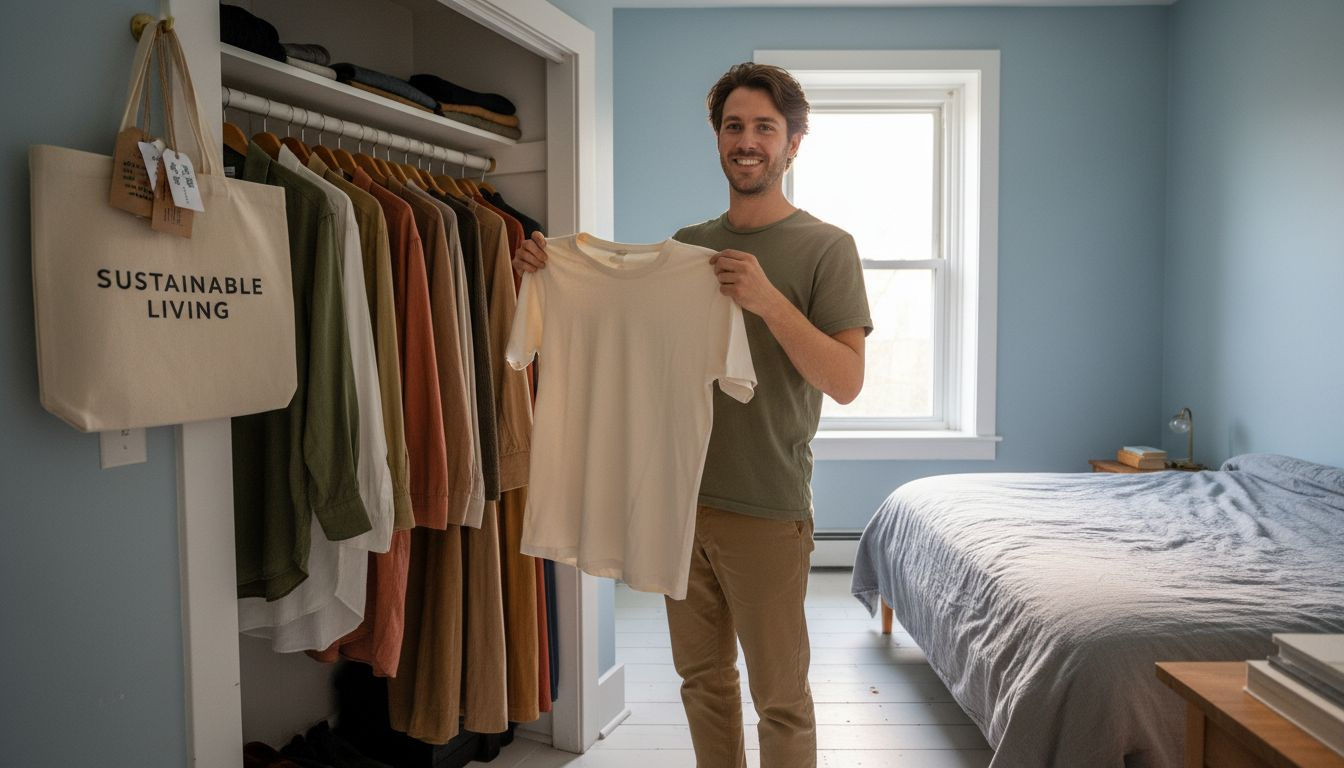
Top tip: Invest in versatile, high-quality sustainable pieces that can be mixed and matched across multiple outfits.
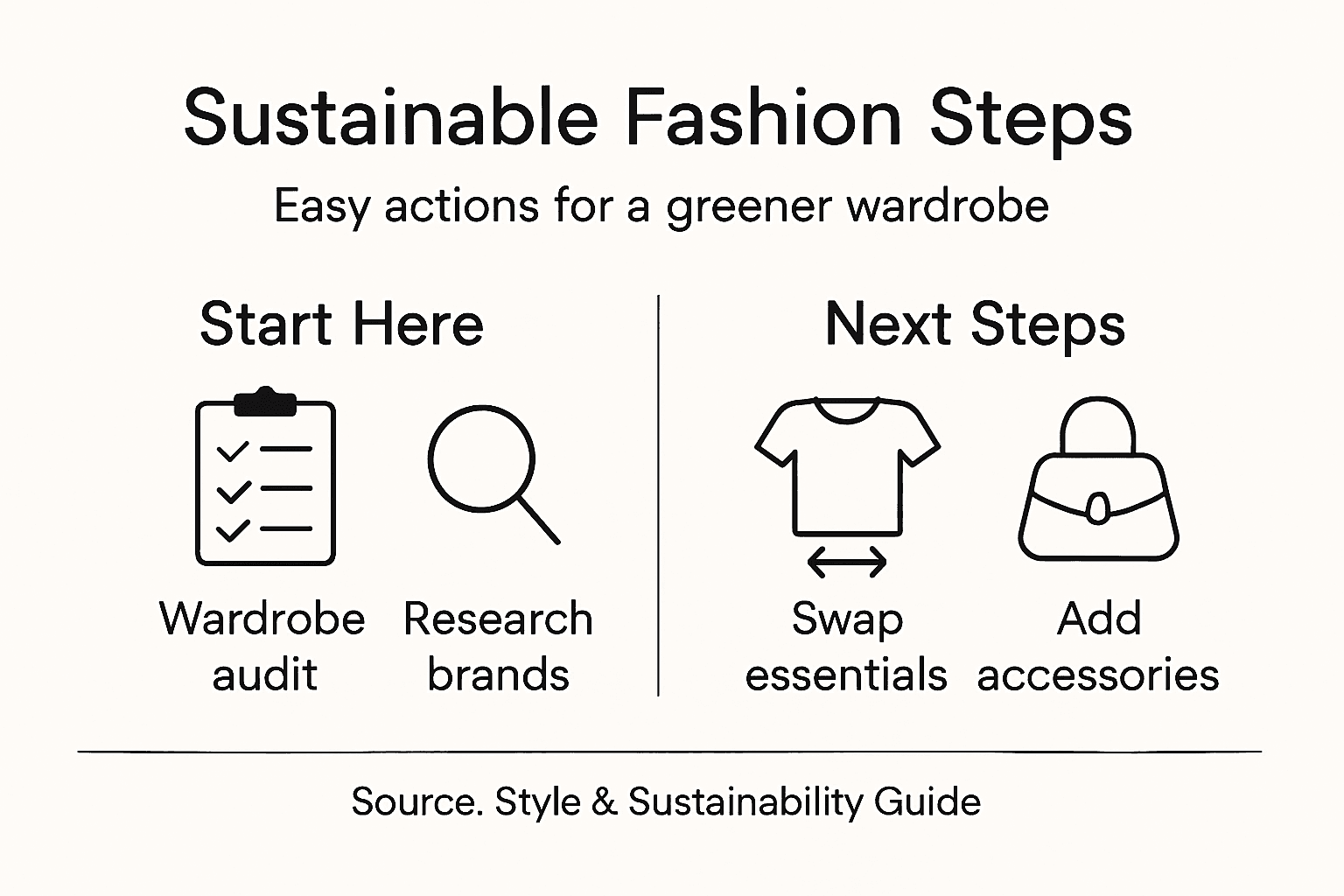
Step 4: Integrate vegan accessories for style and impact
Elevating your sustainable fashion journey involves thoughtfully selecting vegan accessories that reflect both ethical values and personal style. Vegan leather alternatives represent a transformative approach to fashion that minimises environmental harm.
When integrating vegan accessories, consider these versatile options:
- Handbags: Cork, pineapple leather, and recycled materials
- Wallets: Plant-based synthetic leather alternatives
- Belts: Hemp or recycled polyester designs
- Shoes: Innovative materials like mushroom leather
- Jewellery: Upcycled and ethically produced pieces
Key considerations for selecting vegan accessories include:
- Material sustainability
- Ethical production practices
- Design versatility
- Long-term durability
- Personal aesthetic alignment
Conscious accessorising is about making compassionate choices that look good and feel right.
Remember that transitioning to vegan accessories is a journey. Start with one or two pieces and gradually expand your collection as you discover new sustainable brands and materials.
Top tip: Research brands that offer transparent supply chains and innovative, cruelty-free material technologies.
Step 5: Verify your sustainable fashion progress
Tracking your journey towards sustainable fashion requires thoughtful reflection and systematic evaluation. Consumer sustainability frameworks provide essential tools for measuring your environmental impact and personal transformation.
Establish a comprehensive verification process by examining your fashion choices across three critical phases:
- Pre-purchase behaviour: Assess decision-making criteria
- Usage patterns: Analyse garment longevity and care
- Post-use management: Review disposal and recycling strategies
Key metrics for evaluating your sustainable fashion progress include:
- Percentage of wardrobe from ethical brands
- Reduction in fast fashion purchases
- Number of versatile, multi-purpose items
- Frequency of clothing repairs
- Carbon footprint reduction
Sustainable fashion is a continuous journey of learning and improvement, not a destination.
Remember that progress isn’t about perfection, but consistent, intentional choices that reduce environmental impact.
For quick reference, here are key ways to verify progress in sustainable fashion:
| Verification Phase | What to Track | Improvement Indicator |
|---|---|---|
| Pre-purchase Behaviour | Research, brand transparency | More ethical selections |
| Usage Patterns | Frequency and garment care | Lower garment turnover |
| Post-use Management | Recycling, donating, repairing | Reduced waste generation |
Top tip: Create a digital journal or spreadsheet to track your sustainable fashion metrics and celebrate incremental achievements.
Elevate Your Sustainable Fashion Journey with Stylish Vegan Cork Accessories
Transitioning to sustainable fashion can feel overwhelming when faced with choices around eco-friendly materials and ethical production. This article highlights the importance of assessing your current wardrobe, selecting sustainable essentials, and integrating vegan accessories thoughtfully. If you want to make compassionate and durable style choices that truly reduce your environmental impact, consider exploring carefully crafted cork alternatives.
Discover how cork-based fashion accessories combine elegance, sustainability, and cruelty-free values. Cork is a fully renewable, natural material that supports your goals of using versatile, eco-conscious pieces. From handbags to wallets, these products offer a compelling way to replace conventional leather items without compromising style or durability.
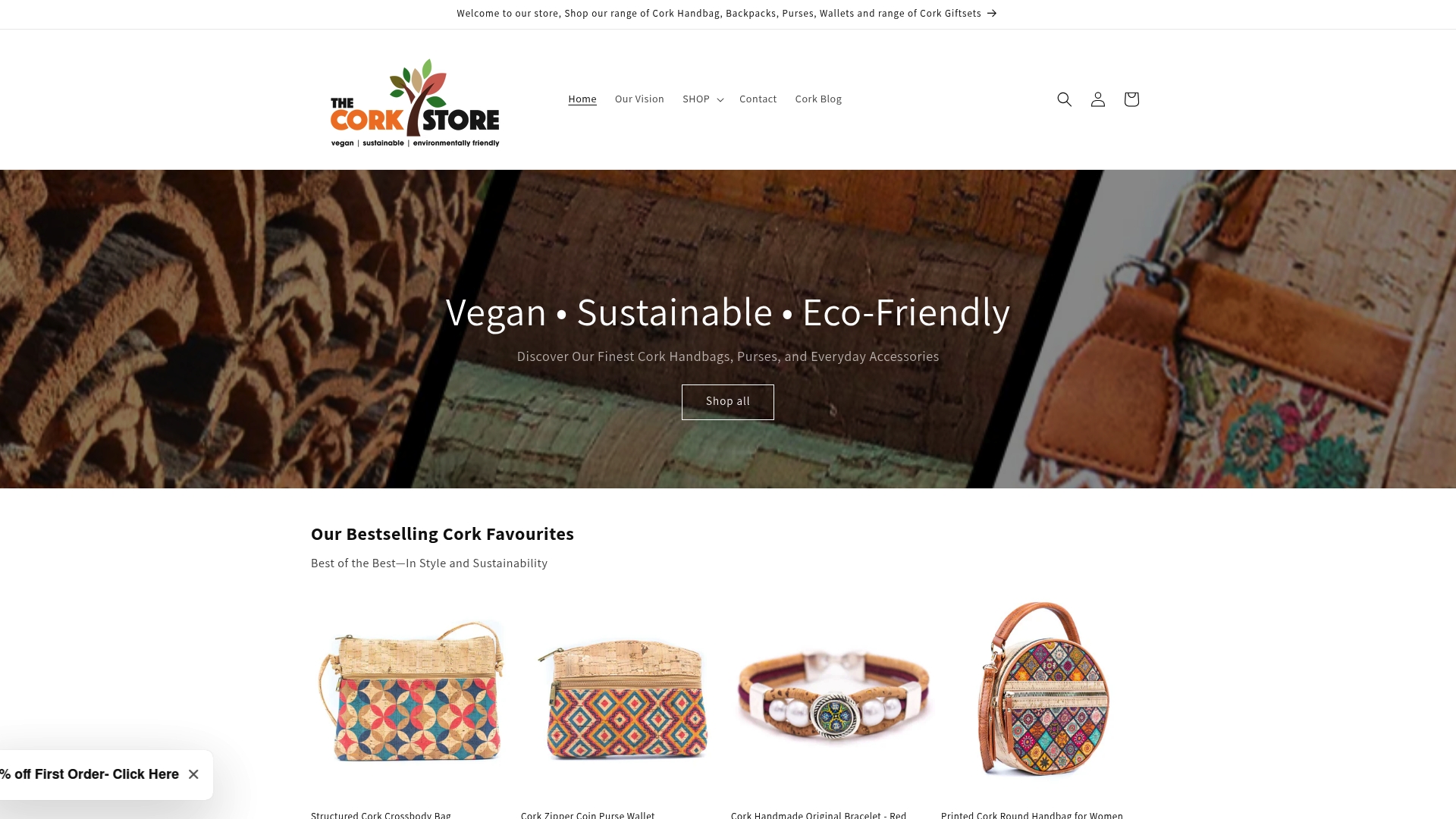
Ready to refresh your accessory collection with authentic sustainable fashion? Explore our range of vegan cork handbags, purses and more designed for environmentally conscious buyers. Take the next step today by visiting The Cork Store to find your perfect eco-friendly accessory creations. Join others who are making progressive fashion choices that respect the planet, animals, and craftsmanship.
Frequently Asked Questions
How can I evaluate my current wardrobe for sustainability?
To evaluate your current wardrobe, organise your clothing into four categories: keep, repair, donate, and recycle. This systematic approach will help you assess which items can be replaced with more sustainable choices and enable you to reduce unnecessary purchases.
What should I look for when researching sustainable fashion brands?
When researching sustainable fashion brands, focus on their use of recycled and organic materials, fair labour practices, and transparency in production methods. Assess their commitment to reducing carbon emissions and check for certifications from recognised environmental organisations.
How do I start transitioning to sustainable wardrobe essentials?
Begin by replacing your most frequently worn items with sustainable alternatives, such as organic cotton t-shirts or recycled denim. Prioritise key pieces that can make a significant environmental impact and aim to replace at least two items each month.
What vegan accessories can I incorporate into my sustainable fashion journey?
You can integrate vegan accessories like handbags made from cork, wallets made from plant-based materials, or shoes crafted from mushroom leather. Consider starting with one or two items that align with your personal style and gradually expand your collection.
How can I track my progress in sustainable fashion?
To track your progress, assess your fashion choices by evaluating pre-purchase behaviour, usage patterns, and post-use management. Keep a record of the percentage of your wardrobe from ethical brands and aim for a reduction in fast fashion purchases by about 50% over the next six months.
Recommended
- Eco-Friendly Fashion Tips: Upgrade Your Wardrobe Sustainably – The Cork Store
- How to Build Eco-Friendly Outfits With Sustainable Style – The Cork Store
- 7 Practical Ways to Reduce Fashion Waste for a Greener Closet – The Cork Store
- The Essential Guide to Advantages of Sustainable Fashion – The Cork Store
- 8 Essential Camping Sustainability Tips for Nature Lovers – Hazli Collection