

How to Build Eco-Friendly Outfits With Sustainable Style
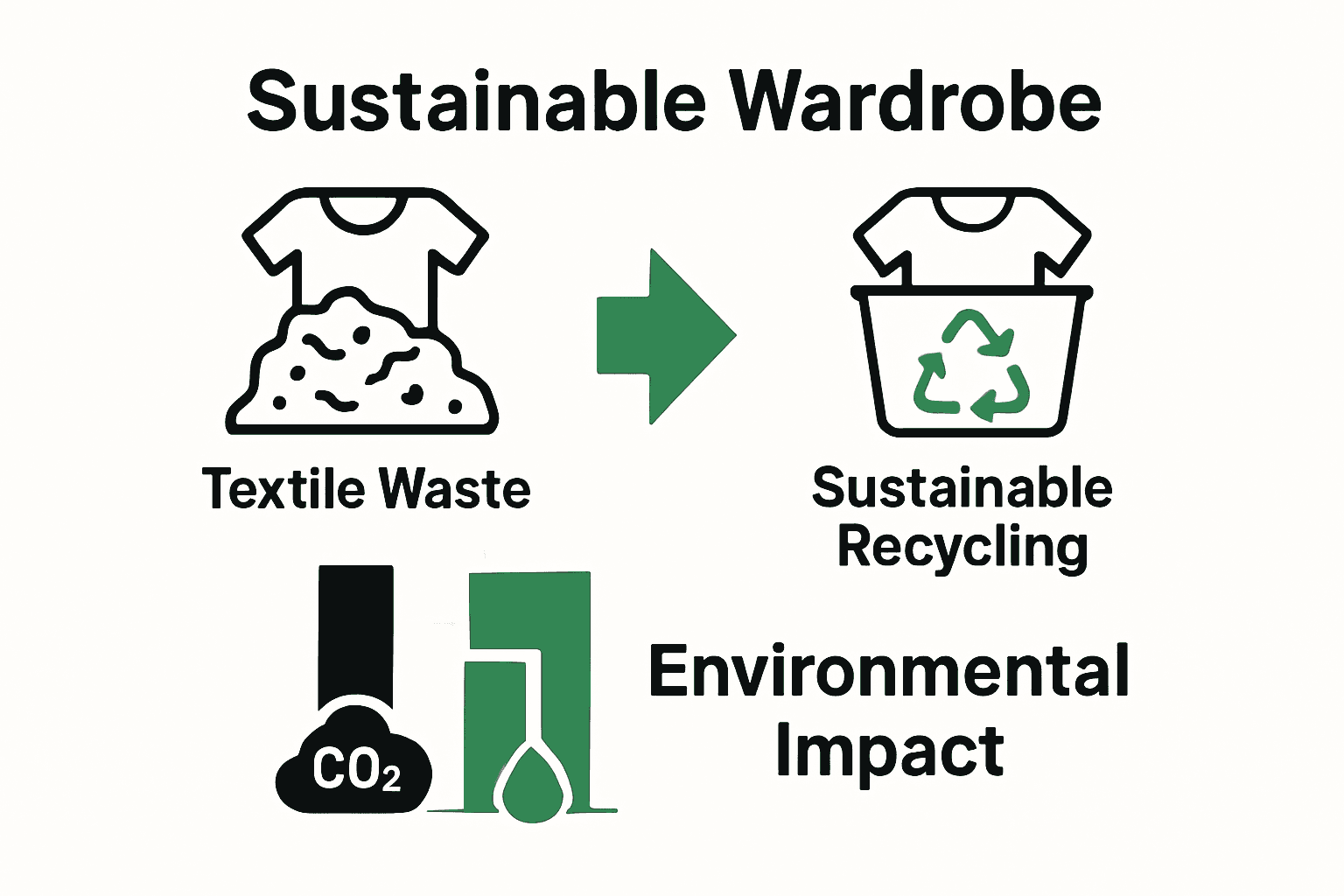
Over 90 million tons of textile waste end up in landfills each year, making fashion one of the most polluting industries on the planet. An eco-friendly wardrobe helps break this harmful cycle and puts the power to protect the environment right in your hands. By learning how to choose better fabrics, smarter styles, and ethical accessories, you can turn your closet into a force for positive change while still looking your best.
Table of Contents
- Step 1: Assess Your Wardrobe For Sustainable Foundations
- Step 2: Choose Eco-Friendly Fabrics And Materials
- Step 3: Select Vegan And Cruelty-Free Accessories
- Step 4: Mix, Match, And Style Ethically
- Step 5: Review And Refine Your Eco-Friendly Look
Quick Summary
| Key Point | Explanation |
|---|---|
| 1. Assess your wardrobe wisely | Review your clothing collection to understand its environmental impact and establish sustainable practices. |
| 2. Choose eco-friendly fabrics | Opt for natural, organic, or recycled materials to reduce the ecological footprint of your wardrobe. |
| 3. Select vegan accessories | Choose accessories made from plant-based materials to promote ethical fashion and animal welfare. |
| 4. Mix and match sustainably | Create diverse outfits with fewer pieces to enhance versatility and minimize waste. |
| 5. Continuously refine your style | Regularly evaluate your wardrobe for longevity and sustainability to make mindful fashion choices. |
Step 1: Assess Your Wardrobe for Sustainable Foundations
Creating an eco-friendly wardrobe starts with understanding your current clothing collection and its environmental impact. This step involves a thoughtful examination of your existing garments to establish a sustainable fashion foundation.
To begin, pull out all your clothing and sort them methodically. As noted by Time, the fashion industry significantly contributes to environmental challenges through greenhouse gas emissions and water pollution. Your personal audit can help reduce this impact. Evaluate each piece based on several key criteria:
- Material composition: Look for natural, organic, or recycled fabrics
- Wear frequency: Identify items used regularly versus rarely worn
- Condition: Determine which pieces can be repaired, upcycled, or responsibly donated
- Production origin: Research brands with transparent and ethical manufacturing processes
According to LeMonde, governments are increasingly focusing on assessing clothing items’ environmental footprint. By conducting your own wardrobe assessment, you are participating in this crucial sustainability movement. Create three distinct piles: keep, repair/alter, and responsibly remove. This process not only helps you understand your current clothing inventory but also sets the stage for more mindful future fashion choices.
Ready to transform your wardrobe into an eco-conscious collection? The next step involves strategically replacing less sustainable items with environmentally friendly alternatives.
Step 2: Choose Eco-Friendly Fabrics and Materials
Selecting sustainable fabrics is a crucial step in building an environmentally conscious wardrobe. Your fabric choices can significantly reduce fashion’s ecological footprint and support more responsible textile production.
Naturally, some fabrics stand out for their sustainability credentials. Textiles School highlights linen as an exceptional eco-friendly material. Derived from the flax plant, linen requires minimal water and pesticides while offering durability and breathability. When shopping, prioritize materials with these characteristics:
- Natural fibres like organic cotton, hemp, and linen
- Recycled synthetic materials
- Fabrics produced using low water and chemical processes
- Materials from renewable sources
Another remarkable sustainable fabric is hemp. According to Textiles School, hemp grows rapidly with minimal water requirements and natural pest resistance. Its carbon negative footprint actually helps sequester CO₂ during cultivation, making it an outstanding environmental choice. Look for clothing brands that transparently source these sustainable materials and understanding the role of eco-friendly materials in fashion can further guide your selections.
By consciously choosing sustainable fabrics, you are not just selecting clothing but investing in a healthier planet.
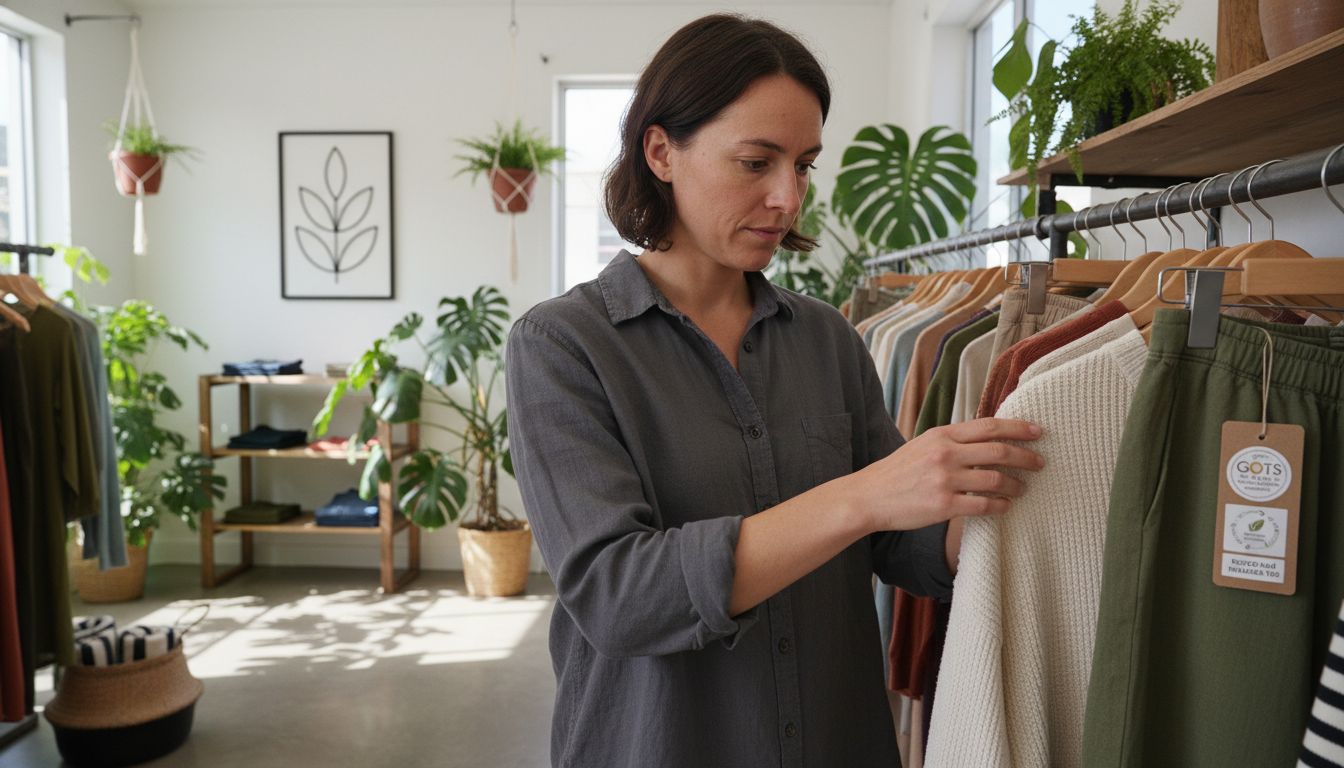 Your next step involves understanding how to care for these eco-friendly materials to maximise their lifecycle and environmental benefits.
Step 3: Select Vegan and Cruelty-Free Accessories
Creating an eco-friendly wardrobe extends beyond clothing to include accessories that reflect your commitment to ethical and sustainable fashion. Choosing vegan and cruelty-free accessories allows you to make a meaningful impact on animal welfare and environmental conservation.
According to Wikipedia, plant-based leather offers an innovative alternative to traditional animal leather. These materials are crafted from diverse sources like pineapple leaves, cactus, cork, and apple by-products, effectively replicating leather properties while remaining sustainable and animal friendly. When shopping for accessories, look for these key characteristics:
- Materials derived from plant sources
- Transparent manufacturing processes
- Certifications indicating cruelty-free production
- Biodegradable or recyclable components
One standout example is Pinatex. As Textiles School explains, this innovative material is made from pineapple leaf fibers. It not only reduces agricultural waste but also supports rural communities. For deeper insights into ethical accessory choices, explore our guide on cruelty-free handbags.
By consciously selecting vegan accessories, you are making a powerful statement about your values and contributing to a more compassionate fashion ecosystem.
Your next step involves understanding how to care for these sustainable accessories to maximize their longevity and environmental impact.
Step 4: Mix, Match, and Style Ethically
Creating a sustainable wardrobe is not just about individual pieces but how you combine them to express your personal style while minimising environmental impact. Ethical styling requires thoughtful coordination that maximises versatility and reduces clothing waste.
Textiles School highlights linen as an excellent foundation for versatile outfits. This biodegradable fabric thrives with minimal environmental resources and offers exceptional durability. When mixing sustainable materials, consider these strategic styling approaches:
- Create multiple outfit combinations from fewer pieces
- Select neutral base colours for maximum versatility
- Layer lightweight fabrics for seasonal adaptability
- Choose classic silhouettes that transcend temporary fashion trends
Additionally, Textiles School recommends exploring bamboo fabrics for their remarkable sustainability. Bamboo offers soft, antibacterial properties while being a fast growing crop that requires minimal water and no pesticides. By thoughtfully reducing fashion waste, you can build a wardrobe that is both stylish and environmentally responsible.
Remember that ethical styling is about intentionality. Your wardrobe should reflect your values while providing flexibility and personal expression. The next phase involves maintaining these sustainable pieces to extend their lifecycle and minimise environmental impact.
Step 5: Review and Refine Your Eco-Friendly Look
Transitioning to a sustainable wardrobe is an ongoing journey of continuous improvement and mindful curation. Your eco-friendly style evolves as you learn more about ethical fashion and make intentional choices that align with your environmental values.
According to Time, innovative approaches are emerging to reduce the fashion industry’s environmental impact. Companies are developing groundbreaking recycling processes and sustainable textile technologies. When reviewing your wardrobe, consider these strategic refinement techniques:
- Assess the longevity of each piece
- Identify potential repair or upcycling opportunities
- Research advanced recycling methods for worn items
- Evaluate the overall sustainability of your current collection
Time highlights the Cycora process as a breakthrough in textile recycling, which transforms polyester materials into high-quality yarns. By exploring eco-friendly fashion tips, you can discover innovative ways to refresh and refine your sustainable wardrobe without compromising style or environmental responsibility.
Remember that refining your eco-friendly look is about progress, not perfection. Each conscious choice moves you closer to a more sustainable and thoughtful approach to personal style.
Elevate Your Sustainable Style with Eco-Friendly Accessories
Building an eco-friendly wardrobe involves thoughtful choices about fabrics, accessories, and styling to reduce environmental impact and support ethical fashion. If you are embracing vegan and cruelty-free accessories or seeking versatile pieces made from plant-based materials like cork, the challenge lies in finding stylish, durable options that truly align with your values. Our curated collection is designed to help you bridge the gap between conscious fashion choices and everyday wear, making it effortless to update your look sustainably.
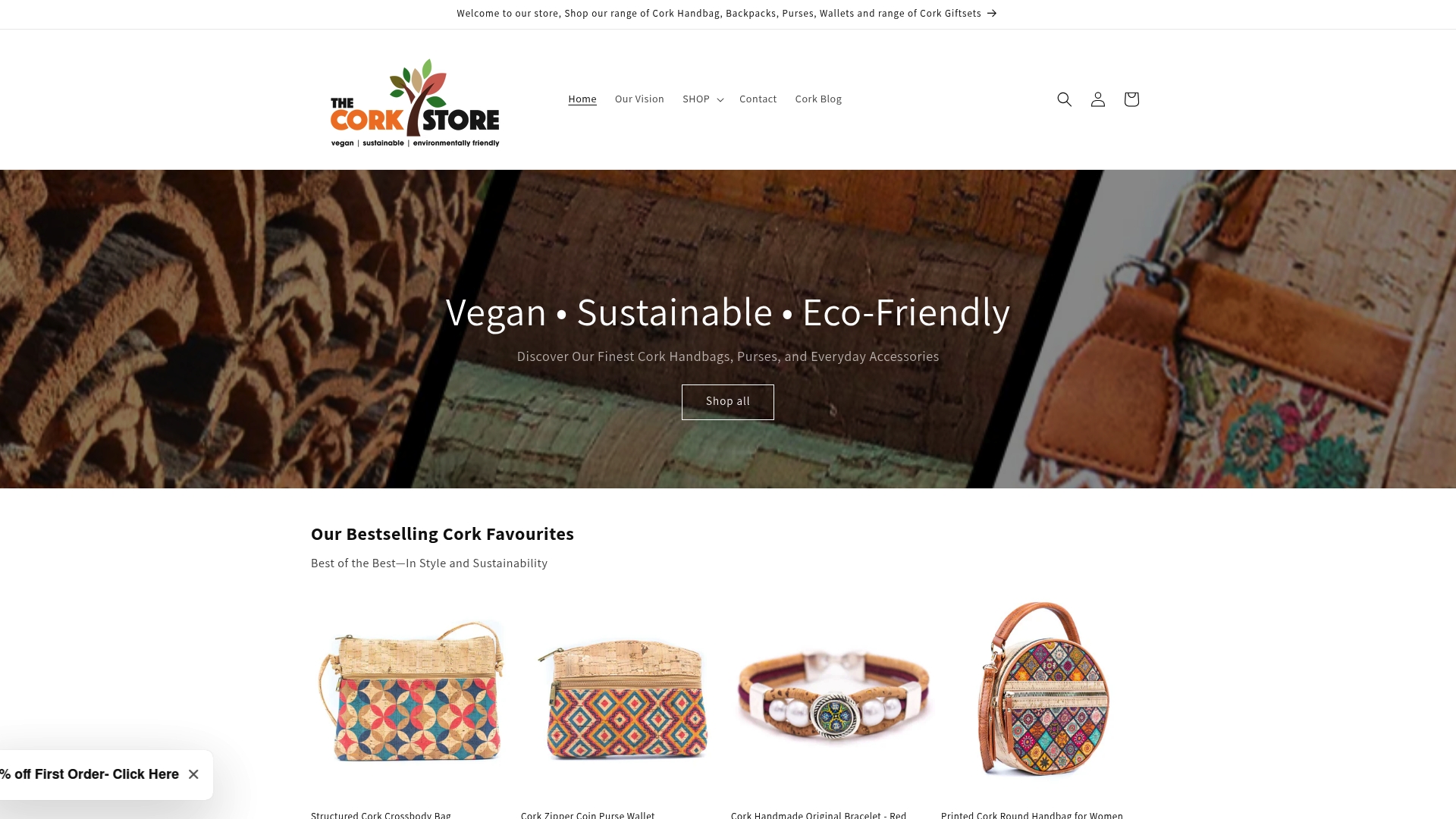
Discover a range of elegant handbags, purses, and wallets crafted from sustainable cork at The Cork Store. These products offer a real solution to replacing traditional leather with eco-conscious, animal-friendly alternatives that last. Start refining your eco-friendly wardrobe now with accessories that reflect your commitment to the planet and ethical style. Visit The Cork Store today and take the next step toward a truly sustainable and thoughtful personal style.
Frequently Asked Questions
How can I assess my current wardrobe for sustainability?
To assess your wardrobe, start by sorting all your clothing into three piles: keep, repair/alter, and responsibly remove. Evaluate each piece based on material composition, frequency of wear, condition, and production origin to make informed decisions.
What types of fabrics should I prioritize for eco-friendly outfits?
Focus on selecting natural fibers like organic cotton, hemp, and linen, as well as recycled materials and fabrics produced with low environmental impact. Aim to build your wardrobe with at least 70% of these sustainable materials to contribute positively to the environment.
How can I select vegan and cruelty-free accessories for my outfits?
When choosing accessories, look for items made from plant-based materials, such as leather alternatives derived from pineapple leaves or cork. Verify manufacturing transparency and certifications that indicate cruelty-free practices to ensure your accessories align with your sustainability goals.
What are effective ways to mix and match sustainable clothing?
To maximize versatility, create multiple outfits using neutral base colors and classic silhouettes. Layer lightweight fabrics for different seasons and aim to build outfits that allow for at least five unique combinations from just a few key pieces.
How often should I review my eco-friendly wardrobe?
Aim to review your wardrobe every six months to assess each piece’s longevity and identify repair or upcycling opportunities. This ongoing refinement process helps keep your wardrobe aligned with sustainable practices as your style evolves.
What steps can I take to care for my sustainable clothing and accessories?
To care for your eco-friendly items, follow proper washing instructions, use eco-friendly detergents, and allow for air drying whenever possible. Implement these practices consistently to extend the lifecycle of your garments and aim for reducing wear and tear by at least 30%.
Recommended
- Eco-Friendly Fashion Tips: Upgrade Your Wardrobe Sustainably – The Cork Store
- 7 Practical Ways to Reduce Fashion Waste for a Greener Closet – The Cork Store
- Understanding Sustainable Fashion Essentials for Eco-Conscious Living – The Cork Store
- How to Spot Sustainable Fashion: A Step-by-Step Guide – The Cork Store