

What Are Cruelty-Free Handbags? Complete Breakdown
Did you know that nearly 70 percent of shoppers believe a cruelty-free label always means no animals were harmed? This common misconception makes it easy to get fooled by clever marketing. Understanding what truly sets cruelty-free handbags apart helps you support animal welfare and make confident ethical choices. Explore the facts behind these friendly fashion accessories, discover the materials that matter, and learn how to spot genuine certifications that show your values in action.
Table of Contents
- Defining Cruelty-Free Handbags And Misconceptions
- Common Types Of Cruelty-Free Handbags
- Key Materials: Vegan, Cork, And Sustainable Options
- Ethical Certifications And Industry Standards
- Comparing Cruelty-Free And Conventional Handbags
- Choosing Genuine Cruelty-Free Handbags Safely
Key Takeaways
| Point | Details |
|---|---|
| Cruelty-Free Definition | Cruelty-free handbags are designed without causing harm to animals, encompassing no animal testing or animal-derived materials throughout production. |
| Consumer Misconceptions | Many consumers mistakenly equate ‘not tested on animals’ with full cruelty-free status without realizing potential animal testing in ingredient sourcing. |
| Material Choices | A variety of sustainable materials, including cork, Piñatex, and mushroom leather, are transforming the cruelty-free handbag market, offering eco-friendly options. |
| Ethical Certifications | Reliable certifications like Leaping Bunny and PETA-Approved Vegan are crucial for verifying the cruelty-free status and ethical claims of handbags. |
Defining Cruelty-Free Handbags and Misconceptions
Cruelty-free handbags represent more than just a fashion statement they embody an ethical approach to accessory design that prioritises animal welfare and sustainable production practices. According to humaneworld, the term ‘cruelty-free’ currently lacks a precise legal definition, which often leads to significant consumer confusion about what these products genuinely represent.
At its core, a cruelty-free handbag means the accessory has been produced without causing harm or suffering to animals throughout its entire manufacturing process. This encompasses multiple critical aspects: no animal testing during material sourcing, no animal-derived materials, and no exploitation of animal labour during production. However, as freebunni highlights, many consumers mistakenly believe that a “not tested on animals” label guarantees complete cruelty-free status, when in reality, individual ingredient testing might still have occurred.
Key misconceptions about cruelty-free handbags include:
- Assuming all vegan materials are automatically cruelty-free
- Believing “animal-friendly” always means no animal involvement
- Thinking a single certification guarantees comprehensive ethical production
To truly understand cruelty-free accessories, consumers must look beyond surface-level marketing claims and investigate the entire supply chain.
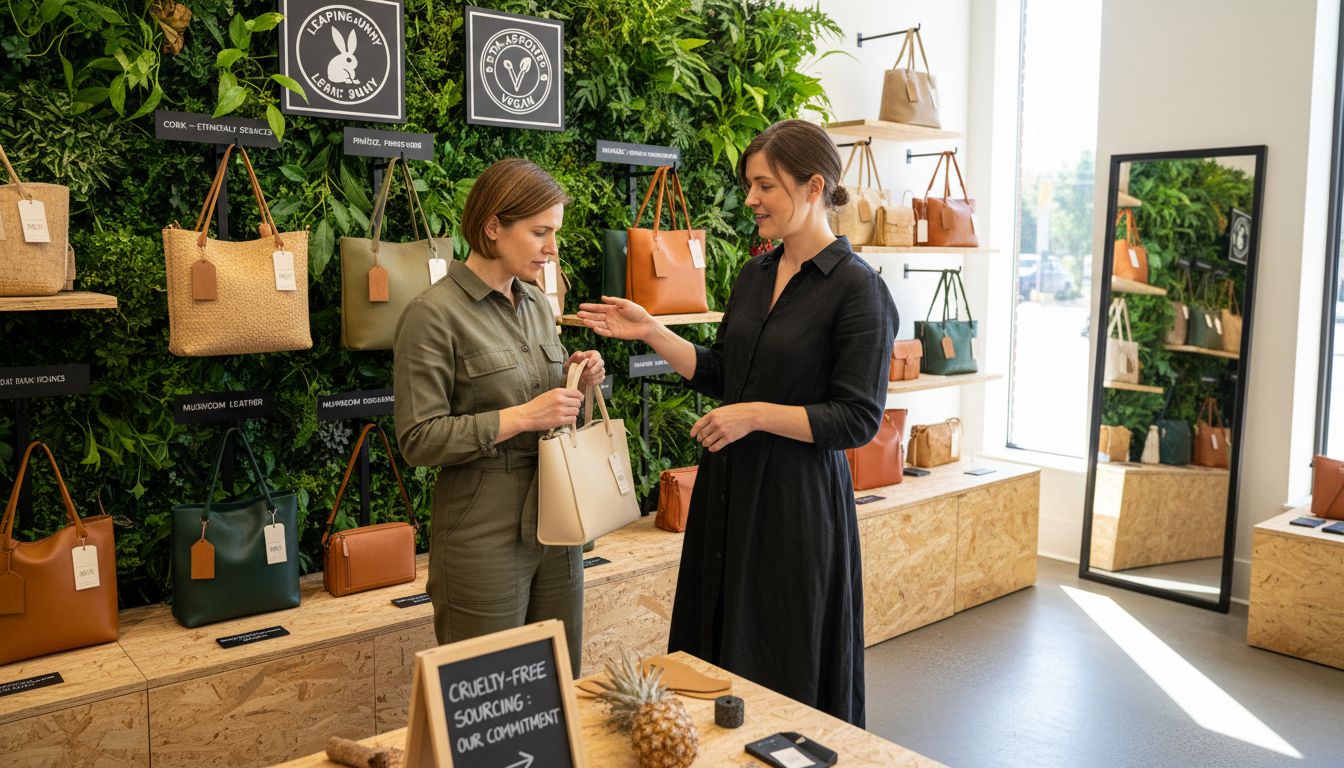 This means examining material sourcing, manufacturing processes, and the broader environmental and ethical implications of each product. Sustainable Handbags Matter: Complete Guide provides deeper insights into making informed, compassionate purchasing decisions that align with ethical fashion principles.
Common Types of Cruelty-Free Handbags
The world of cruelty-free handbags has expanded dramatically, offering fashion enthusiasts an incredible array of stylish and ethical accessory options. According to mdpi, vegan fashion is increasingly utilizing artificial materials that provide excellent alternatives to traditional animal-derived products, demonstrating how innovation is transforming the accessories market.
Different types of cruelty-free handbags incorporate a diverse range of sustainable materials. articles highlights that plant-based fabrics like organic cotton, hemp, linen, and bamboo are becoming popular choices for ethically-minded consumers. These materials not only prevent animal suffering but also offer unique textural and environmental advantages.
Key types of cruelty-free handbags include:
- Tote Bags: Made from recycled polyester, cork, or organic cotton
- Crossbody Bags: Crafted using innovative plant-based leather alternatives
- Backpacks: Constructed with hemp or recycled materials
- Clutches: Designed using cork, pineapple leather (Piñatex), or recycled ocean plastics
For those seeking comprehensive insights into sustainable accessory choices, 10 Stylish Vegan Handbag Options List provides an excellent overview of the latest trends in cruelty-free fashion.
Key Materials: Vegan, Cork, and Sustainable Options
The landscape of cruelty-free handbag materials has undergone a remarkable transformation, with innovative alternatives challenging traditional manufacturing practices. According to mdpi, cutting-edge vegan leather alternatives are now being derived from extraordinary plant-based sources like mushroom mycelium, pineapple leaves, and cork, representing a groundbreaking intersection of technological innovation and environmental responsibility.
These sustainable materials offer far more than ethical credentials. articles highlights fascinating alternatives like Pinatex (derived from pineapple leaves), mushroom leather, and apple leather, which provide stylish and practical options that completely eliminate animal exploitation. Each material brings unique characteristics to handbag design, proving that compassionate fashion can be simultaneously sophisticated and functional.
Key sustainable materials in cruelty-free handbag production include:
Here’s a summary of popular cruelty-free handbag materials and their main characteristics:
| Material | Source | Key Benefits |
|---|---|---|
| Cork | Cork oak trees | Lightweight Water-resistant Renewable |
| Piñatex | Pineapple leaf fibres | Leather-like texture Sustainable |
| Mushroom Leather | Fungal mycelium | Biodegradable Minimal resources |
| Recycled Plastics | Ocean & post-consumer waste | Diverts plastic Durable |
| Apple Leather | Apple industry waste | Eco-friendly Unique texture |
- Cork: Lightweight, water-resistant, and naturally renewable
- Piñatex: Made from pineapple leaf fibers, offering leather-like texture
- Mushroom Leather: Biodegradable and grown using minimal resources
- Recycled Plastics: Transforming ocean waste into stylish accessories
- Apple Leather: Created from apple industry waste, offering a fruity alternative
Understanding Vegan Leather Alternatives provides deeper insights into how these innovative materials are revolutionizing the fashion industry, demonstrating that ethical choices need not compromise on style or quality.
Ethical Certifications and Industry Standards
Navigating the complex world of cruelty-free handbags requires understanding the crucial role of ethical certifications. According to humaneworld, certifications like Leaping Bunny and Certified Humane play a vital role in verifying that products meet specific cruelty-free standards, providing consumers with a reliable mechanism to identify genuinely ethical fashion choices.
Moreover, third-party certifications offer transparent benchmarks for ethical production. ijfmr highlights the significance of the ‘PETA-Approved Vegan’ certification, which specifically authenticates handbags and accessories made entirely from vegan materials, ensuring no animal-derived components are used in the manufacturing process.
Key ethical certifications to look for include:
- Leaping Bunny: Guarantees no animal testing throughout production
- PETA-Approved Vegan: Confirms 100% animal-free materials
- Certified Humane: Verifies comprehensive animal welfare standards
- Global Organic Textile Standard (GOTS): Validates organic and sustainable textile production
- Cradle to Cradle: Assesses environmental and social performance
Benefits of Eco-Friendly Handbags offers additional insights into how these certifications contribute to more responsible and transparent fashion choices, empowering consumers to make informed purchasing decisions.
Comparing Cruelty-Free and Conventional Handbags
The fashion landscape is experiencing a profound transformation in accessory production, with cruelty-free handbags challenging traditional manufacturing approaches. According to mdpi, while conventional leather handbags have historically dominated sustainability assessments, emerging vegan leather alternatives are creating viable options that balance durability, aesthetics, and ecological impact.
Consumer perspectives are rapidly evolving, driven by increased awareness of ethical considerations. mdpi highlights a significant shift, noting that consumers are increasingly associating traditional fur and leather products with serious animal rights and environmental concerns, fundamentally reshaping purchasing decisions in the fashion accessories market.
Key differences between cruelty-free and conventional handbags include:
- Production Process: Conventional uses animal hides; Cruelty-free uses plant-based or recycled materials
- Environmental Impact: Leather production involves significant carbon emissions; Vegan alternatives typically have lower ecological footprints
- Ethical Considerations: Traditional methods involve animal suffering; Cruelty-free options prioritize animal welfare
- Durability: Modern vegan materials now match or exceed traditional leather performance
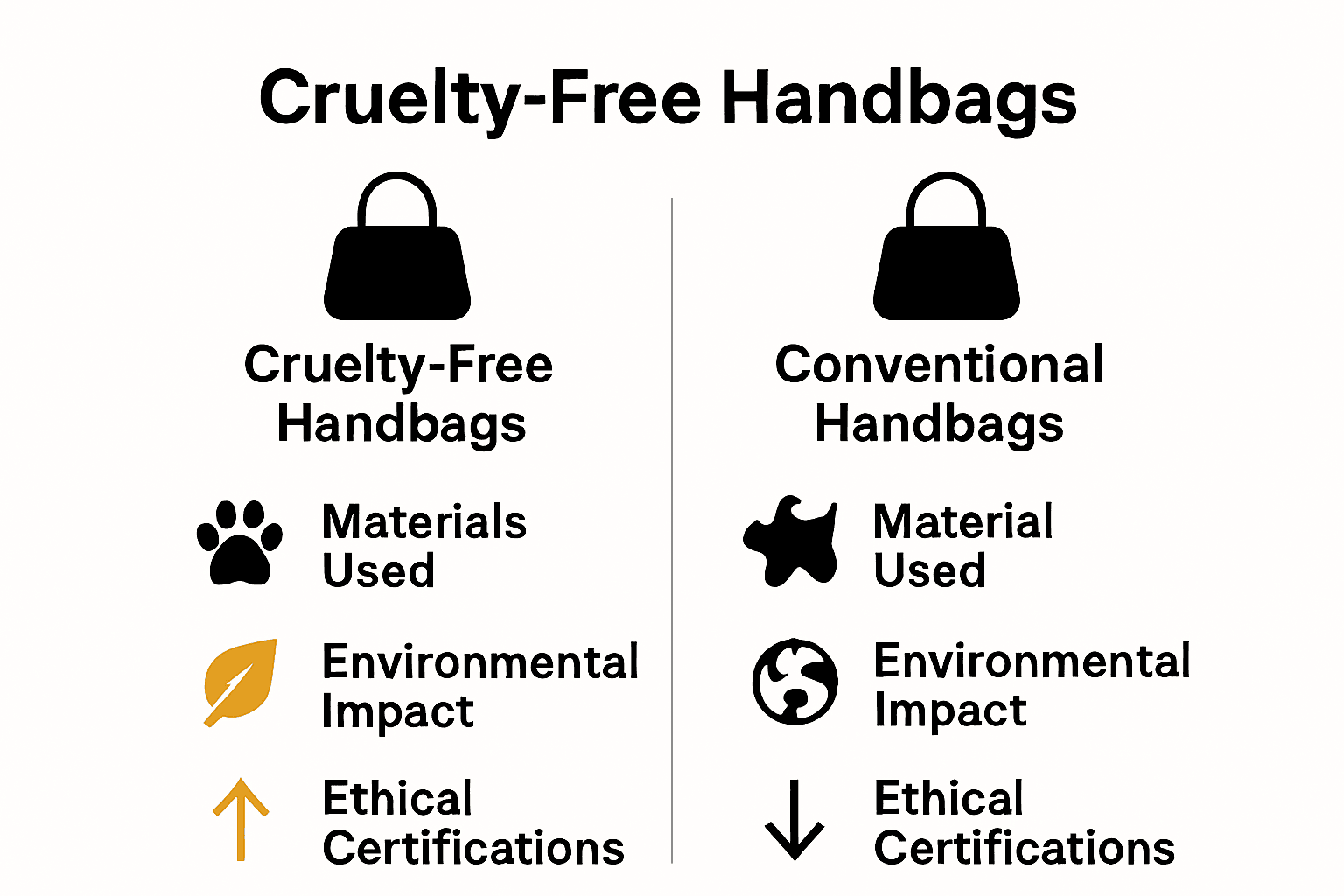
- Innovation: Cruelty-free options continuously develop more sophisticated manufacturing techniques
How to Choose Vegan Handbags provides additional insights into making informed, compassionate fashion choices that align with contemporary ethical standards.
Choosing Genuine Cruelty-Free Handbags Safely
Navigating the complex world of ethical fashion requires careful research and a discerning eye. According to humaneworld, ensuring a handbag is genuinely cruelty-free involves more than just a casual glance at marketing materials. Consumers must actively verify authentic certifications like Leaping Bunny and examine a brand’s comprehensive policies regarding animal testing.
Misleading marketing can create significant confusion for well-intentioned shoppers. freebunni warns that labels such as ‘not tested on animals’ can be deceptive, potentially only referring to the final product while overlooking animal testing during ingredient development or material sourcing.
Key strategies for selecting authentic cruelty-free handbags include:
- Check Official Certifications: Look for Leaping Bunny, PETA-Approved Vegan, or Certified Humane logos
- Research Brand Transparency: Investigate the company’s complete animal welfare policies
- Examine Material Sourcing: Confirm no animal-derived components are used
- Review Independent Audits: Seek brands with third-party ethical verification
- Contact Manufacturers Directly: Ask specific questions about their production practices
The Ultimate Guide to Buying Vegan Bags offers comprehensive insights to help consumers make informed, compassionate purchasing decisions that align with their ethical values.
Discover Stylish and Truly Cruelty-Free Handbags Today
Understanding the true meaning of cruelty-free handbags involves recognising the importance of avoiding animal-derived materials and verifying ethical manufacturing processes. Many shoppers struggle to find genuine options that align with their values without compromising style and durability. If you are looking for eco-conscious accessories that respect animal welfare and sustainability, it is essential to choose products made from thoughtfully sourced materials like cork and other plant-based leathers.
Explore our exclusive collection of elegant cork handbags, backpacks, and wallets at The Cork Store. Each item offers a lightweight, water-resistant, and animal-friendly alternative to conventional leather, crafted to satisfy your ethical and fashion aspirations. Now is the perfect time to make a compassionate choice and support brands committed to transparency and sustainability. Start your journey towards cruelty-free fashion by visiting The Ultimate Guide to Buying Vegan Bags Naturally and see how our products can complement your conscious lifestyle.
Frequently Asked Questions
What does cruelty-free mean in the context of handbags?
Cruelty-free handbags are accessories produced without causing harm or suffering to animals during the entire manufacturing process, including the sourcing of materials, production, and testing.
Are all vegan materials considered cruelty-free?
No, not all vegan materials are automatically cruelty-free. Some materials may be derived from vegan sources but still involve unethical practices in their production or testing.
What are some common materials used in cruelty-free handbags?
Common materials include cork, Piñatex (pineapple leaf fibers), mushroom leather, recycled plastics, and apple leather, which provide sustainable alternatives to traditional animal-derived materials.
How can I ensure that a handbag is genuinely cruelty-free?
To ensure a handbag is truly cruelty-free, look for official certifications like Leaping Bunny or PETA-Approved Vegan, research brand transparency regarding animal welfare policies, and examine material sourcing for animal-derived components.