

Why Sustainable Handbags Matter: Complete Guide
Did you know that the global fashion industry produces more than 92 million tons of waste every year? This massive footprint has sparked a growing interest in sustainable handbags, prompting shoppers to rethink what actually makes an accessory eco-friendly. Understanding the true impact of materials and production methods helps you spot real sustainability and avoid common myths that can mislead even the most conscious consumers.
Table of Contents
- Defining Sustainable Handbags And Misconceptions
- Key Materials Used In Sustainable Handbags
- Environmental And Ethical Benefits Explained
- How Sustainable Handbags Compare To Alternatives
- Consumer Tips For Choosing Sustainable Handbags
Key Takeaways
| Point | Details |
|---|---|
| Sustainable Handbags Reshape Fashion | They offer an environmentally responsible approach, focusing on ethical production and minimizing ecological impact. |
| Material Matters | Opt for natural and innovative materials like organic cotton, cork, and Piñatex to support sustainability and avoid harmful chemicals. |
| Ethical Production is Key | Choosing sustainable handbags promotes fair labor practices, reduced chemical pollution, and supports eco-conscious manufacturers. |
| Consider the Lifecycle | Evaluate the entire lifecycle of handbags to ensure durability, recyclability, and minimal waste generation before making a purchase. |
Defining Sustainable Handbags and Misconceptions
Sustainable handbags represent a conscious approach to fashion that prioritizes environmental responsibility and ethical production. According to research from ijnrd.org, these accessories are specifically designed to minimize ecological impact through carefully selected materials and manufacturing processes.
At their core, sustainable handbags challenge traditional accessory production by reimagining how fashion intersects with environmental consciousness. Unlike conventional handbags, these alternatives focus on reducing waste, minimizing chemical usage, and supporting responsible manufacturing practices. As ceh.org highlights, this means prioritizing natural materials like canvas, cotton, or responsibly sourced leather over synthetic options that may contain harmful substances.
Common misconceptions about sustainable handbags often revolve around material choices and environmental impact. Many consumers mistakenly believe that all leather alternatives are automatically eco-friendly. However, research reveals a more nuanced reality. Some faux leather products contain potentially dangerous chemicals like lead, which can actually make them less environmentally responsible than traditional materials. The key is understanding the entire production lifecycle, not just the end product.
Key characteristics of truly sustainable handbags include:
- Use of natural, renewable materials
- Minimal chemical processing
- Ethical labor practices
- Reduced carbon footprint
- Durability and long-term usability
Choosing a sustainable handbag means looking beyond surface-level marketing and examining the deeper environmental and social implications of your fashion choices. Understanding the qualities of sustainable handbags can help you make more informed decisions that align with your eco-conscious values.
Key Materials Used in Sustainable Handbags
Sustainable materials are the cornerstone of eco-friendly handbag production, transforming how we think about fashion accessories. According to consumerenergycenter.org, innovative designers are now incorporating materials like recycled plastics, organic fibers, and unique plant-based alternatives such as cork and Piñatex - a revolutionary fabric made from pineapple leaves.
Natural fibers play a crucial role in sustainable handbag design. ssec.si.edu highlights materials like linen and wool as excellent sustainable options. Linen requires minimal resources to grow and is completely biodegradable, while wool represents a renewable resource that can be harvested repeatedly without harming sheep.
The range of sustainable materials continues to expand, offering fashion-conscious consumers increasingly sophisticated choices. Some of the most innovative materials include:

Here’s a comparison of common materials used in sustainable handbags:
| Material | Main Benefits | Environmental Impact |
|---|---|---|
| Organic Cotton | Soft Breathable |
Biodegradable No pesticides |
| Cork | Lightweight Water-resistant |
Harvested without harming trees |
| Piñatex | Vegan alternative Durable |
Utilises waste leaves Plant-based |
| Hemp | Extremely strong Minimal water use |
Low resource demand Biodegradable |
| Recycled Plastics | Durable Reduces ocean waste |
Repurposes marine plastics |
| Linen | Lightweight Biodegradable |
Low resource crop Minimal chemical use |
| Wool | Renewable Natural elasticity |
Repeated harvesting Biodegradable |
- Recycled Ocean Plastics: Transforming marine waste into durable fabric
- Cork: Lightweight, water-resistant, and harvested without damaging trees
- Organic Cotton: Grown without harmful pesticides
- Piñatex: Leather alternative made from pineapple leaf fibers
- Hemp: Incredibly durable and requires minimal water to produce
For those looking to explore more sustainable fashion options, Understanding What Makes Vegan Handbags Eco-Friendly can provide deeper insights into the world of environmentally responsible accessories.
Environmental and Ethical Benefits Explained
Sustainable handbags represent far more than just a fashion statement - they are a powerful tool for environmental conservation. According to thepaperbag.org, these innovative accessories contribute to sustainability by utilizing renewable resources and creating products that are reusable, recyclable, and biodegradable, effectively reducing waste and promoting a more sustainable future.
Technological advancements in material science are revolutionizing sustainable fashion. pmc.ncbi.nlm.nih.gov highlights the emergence of synthetic biodegradable polymers that can degrade under environmental conditions, significantly reducing the ecological footprint of fashion accessories. These developments mean consumers can now make environmentally responsible choices without compromising on style or quality.
The ethical benefits of sustainable handbags extend beyond environmental considerations. By choosing these accessories, consumers support:
- Fair labor practices
- Reduced chemical pollution
- Minimal water consumption
- Support for innovative, eco-conscious manufacturing
- Protection of natural ecosystems
To explore more about making responsible fashion choices, check out our guide on why choose sustainable bags for a greener future, which provides deeper insights into the transformative power of sustainable fashion.
How Sustainable Handbags Compare to Alternatives
When examining fashion accessories, sustainable handbags stand out as a superior alternative to traditional options. news.climate.columbia.edu reveals that sustainable handbags made from innovative materials like non-woven polypropylene are significantly more durable than conventional bags, offering remarkable strength and the ability to be used multiple times, which dramatically reduces overall environmental impact.
Traditional handbag materials come with substantial ecological drawbacks. In contrast, sustainable alternatives prioritize environmental responsibility. files.eric.ed.gov highlights that cloth shopping bags - a prime example of sustainable accessories - provide notable advantages over paper and plastic alternatives, including enhanced reusability and reduced environmental footprint, despite potentially requiring more initial resources to produce.
Key comparative advantages of sustainable handbags include:
-
Longer product lifecycle
-
Reduced carbon emissions
-
Lower waste generation
-
Minimal environmental degradation
-
Superior material quality
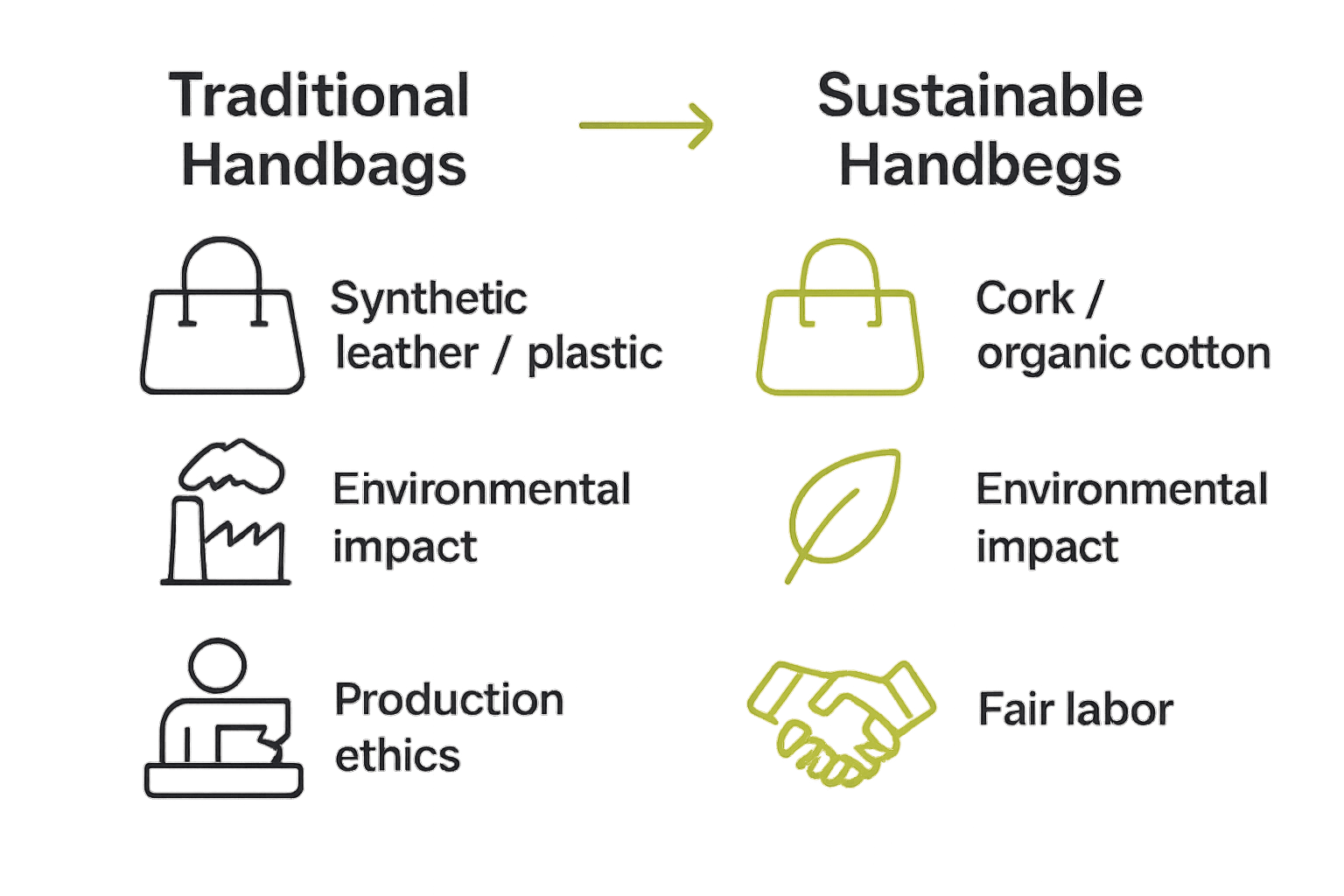
- Ethical production processes
For fashion enthusiasts seeking to explore more eco-friendly accessory options, our stylish vegan handbag options list offers comprehensive insights into making sustainable fashion choices that don’t compromise on style or quality.
Consumer Tips for Choosing Sustainable Handbags
Making informed decisions about sustainable handbags requires careful consideration of materials and manufacturing practices. ceh.org recommends prioritizing natural materials like canvas, cotton, or genuine leather to avoid potentially harmful chemicals often found in synthetic alternatives. This approach not only protects your health but also supports more environmentally responsible production methods.
consumerenergycenter.org suggests looking beyond surface appearances when selecting sustainable handbags. Consumers should focus on key sustainability indicators such as the use of recycled materials, organic fibers, and innovative vegan alternatives like cork and Piñatex. Supporting brands that demonstrate a genuine commitment to ethical practices and environmental stewardship is crucial in driving positive change in the fashion industry.
Essential tips for choosing sustainable handbags include:
- Research the brand’s environmental credentials
- Check material sourcing and production processes
- Look for certifications of ethical manufacturing
- Prioritize durability and timeless design
- Consider the entire lifecycle of the product
- Verify the bag’s recyclability or biodegradability
Ready to dive deeper into making eco-conscious fashion choices? Our How to Choose Vegan Handbags: The Ultimate Eco Guide provides comprehensive insights to help you make informed, sustainable accessory decisions.
Discover Your Perfect Sustainable Handbag Today
The article highlights the struggle many face when wanting to embrace sustainable fashion but feeling overwhelmed by confusing materials and unclear ethical standards. You seek a handbag that truly respects the environment, supports ethical practices, and offers durability without compromising style. Terms like natural, renewable materials, minimal chemical use, and ethical labour resonate deeply with your values and desire to make a positive impact.
At The Cork Store, we understand these challenges and offer a curated selection of vegan cork handbags and accessories that embody these very principles. Each product is crafted from eco-friendly cork, a lightweight, water-resistant, and renewable material that is kind to the planet and animals alike.
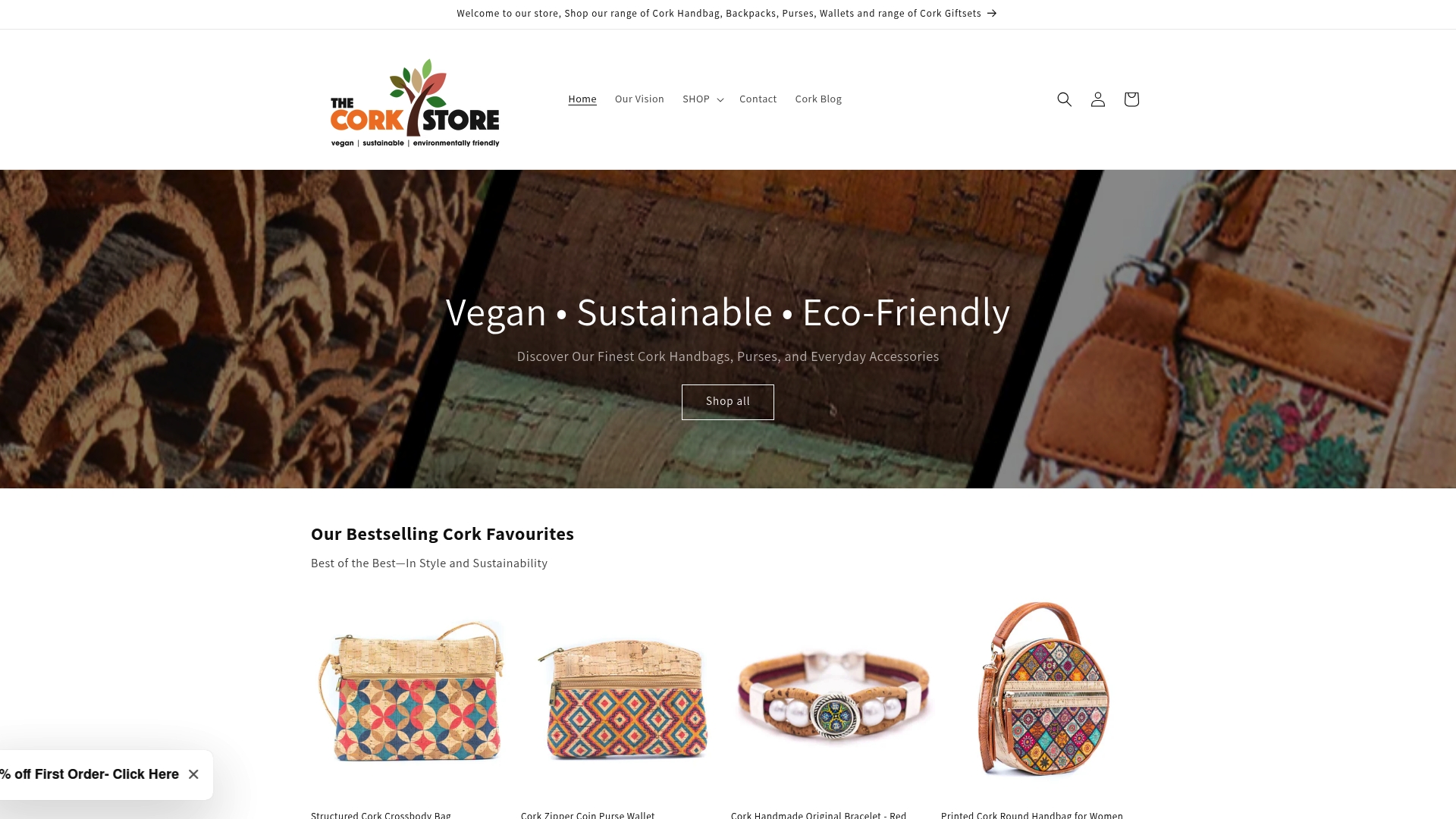
Step confidently into sustainable fashion by exploring our range of stylish, cruelty-free handbags designed to last. Don’t wait to make a meaningful difference. Visit our collection now and learn more through our guide on why choose sustainable bags for a greener future and how to choose vegan handbags: the ultimate eco guide. Your perfect sustainable handbag is just a click away.
Frequently Asked Questions
What are sustainable handbags?
Sustainable handbags are fashion accessories designed to minimize ecological impact through environmentally responsible materials and ethical production practices. They focus on reducing waste, minimizing chemical usage, and supporting responsible manufacturing.
What materials are commonly used in sustainable handbags?
Common materials include organic cotton, cork, Piñatex (made from pineapple leaves), hemp, recycled plastics, linen, and wool. These materials are chosen for their eco-friendliness and durability.
How do sustainable handbags compare to traditional options?
Sustainable handbags generally offer a longer product lifecycle, lower carbon emissions, and reduced waste generation compared to traditional handbags, which often use materials that harm the environment and involve unethical production practices.
What should I consider when choosing a sustainable handbag?
When selecting a sustainable handbag, consider the materials used, the brand’s environmental and ethical credentials, manufacturing processes, durability, and whether the product is recyclable or biodegradable.