

How to Spot Sustainable Materials for Eco-Friendly Fashion
Finding authentic sustainable fashion can feel complicated when all you want is cruelty-free style that fits your values. With so many labels and green claims across accessories, it matters more than ever to decode what those markers truly mean. This guide empowers you to spot trusted sustainable fashion certifications and verify every step from material sourcing to responsible brand practices, so your wardrobe decisions protect people, animals, and the planet.
Table of Contents
- Step 1: Assess Product Labels And Certifications
- Step 2: Investigate The Origin And Source Of Materials
- Step 3: Examine Production Processes And Practices
- Step 4: Evaluate Durability And End-Of-Life Options
- Step 5: Verify Brands’ Sustainability Claims
Quick Summary
| Key Point | Explanation |
|---|---|
| 1. Understand certifications carefully | Familiarise yourself with sustainable fashion certifications like GOTS, GRS, and OEKO-TEX to gauge environmental and ethical standards effectively. |
| 2. Investigate material sourcing | Trace the origins of materials used in garments to ensure they are sourced sustainably and support circular fashion. |
| 3. Examine production methods | Critically assess manufacturing processes for energy efficiency, waste reduction, and ethical labour practices to ensure genuine sustainability. |
| 4. Evaluate garment durability | Assess the quality and longevity of clothing to promote sustainability and reduce waste through responsible end-of-life options. |
| 5. Verify sustainability claims thoroughly | Request specific documentation and certifications to substantiate brands’ sustainability claims and ensure accountability. |
Step 1: Assess product labels and certifications
Understanding product labels and certifications is crucial when searching for truly sustainable fashion items. Your goal in this step is to decode the complex world of eco-friendly textile markers and verify the authenticity of sustainability claims.
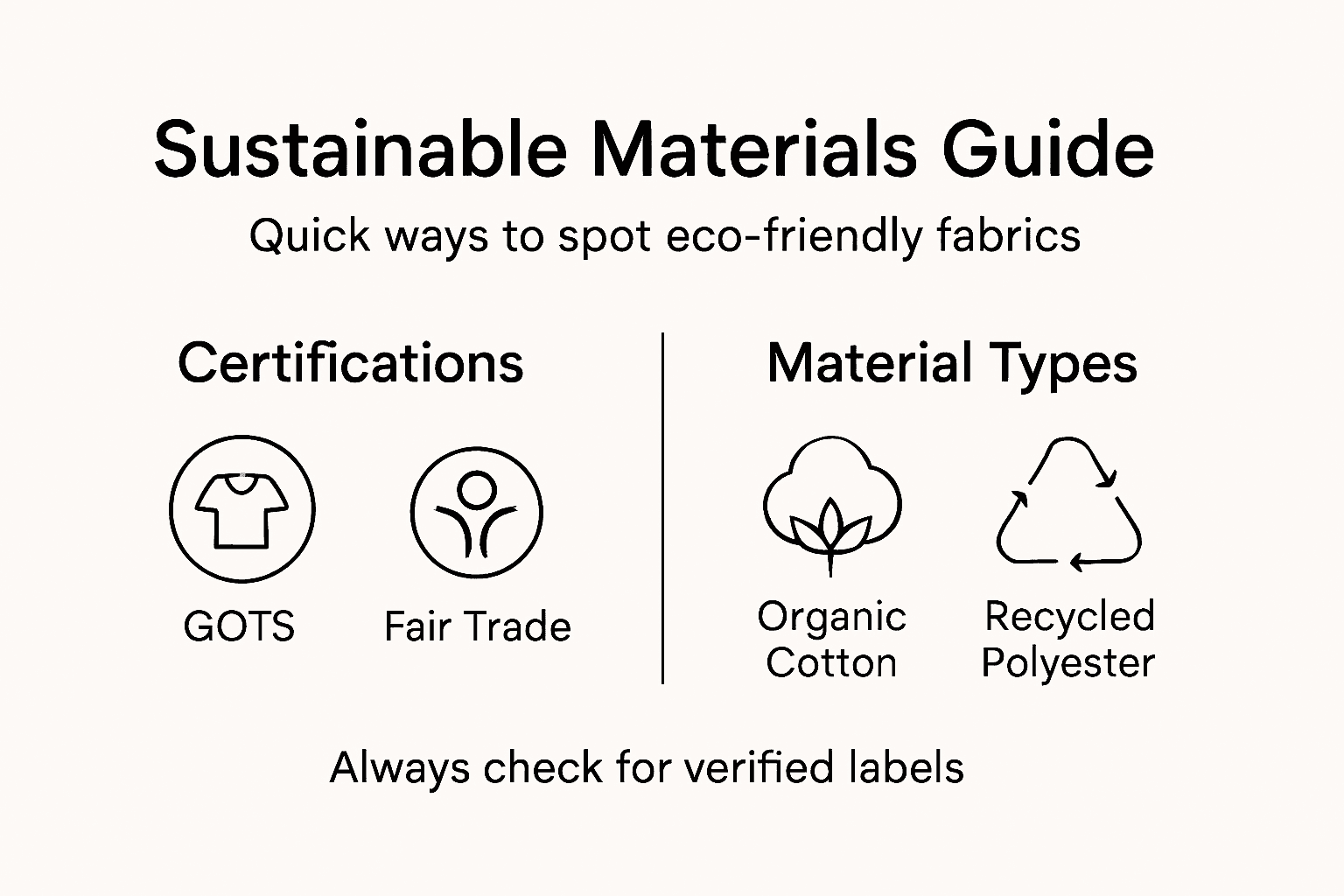
Start by familiarising yourself with key sustainable fashion certifications that provide independent verification of environmental and ethical standards. Look specifically for globally recognised labels like Global Organic Textile Standard (GOTS), Global Recycling Standard (GRS), and OEKO-TEX, which guarantee rigorous environmental and social responsibility criteria. Each certification focuses on different aspects such as organic material sourcing, chemical safety, worker welfare, or recycled content verification.
When examining product labels, pay attention to the specific details of each certification. Some markers indicate organic material content, while others verify fair trade practices or chemical safety standards. Navigating fashion certifications requires careful examination of what each label actually represents. Cross-reference multiple certifications to build a comprehensive understanding of a product’s sustainability credentials.
Expert advice: Always research the specific requirements behind a certification before making assumptions about its comprehensive sustainability claims.
Here is a comparison of widely recognised sustainable fashion certifications, highlighting their focus and significance:
| Certification | Main Focus | Key Verification Aspect |
|---|---|---|
| GOTS (Global Organic Textile Standard) | Organic fibres and processing | Organic content and chemical restrictions |
| GRS (Global Recycling Standard) | Recycled materials | Recycled content and supply chain traceability |
| OEKO-TEX Standard 100 | Chemical safety | Absence of harmful substances |
| Fairtrade | Social and labour conditions | Worker rights, fair pay |
| Bluesign | Environmental production safety | Resource conservation, chemical management |
Step 2: Investigate the origin and source of materials
Exploring the origin of fashion materials is crucial for understanding sustainability and environmental impact. Your mission is to trace the journey of textile materials from their initial source to the final product, uncovering the ecological and ethical implications of their production.
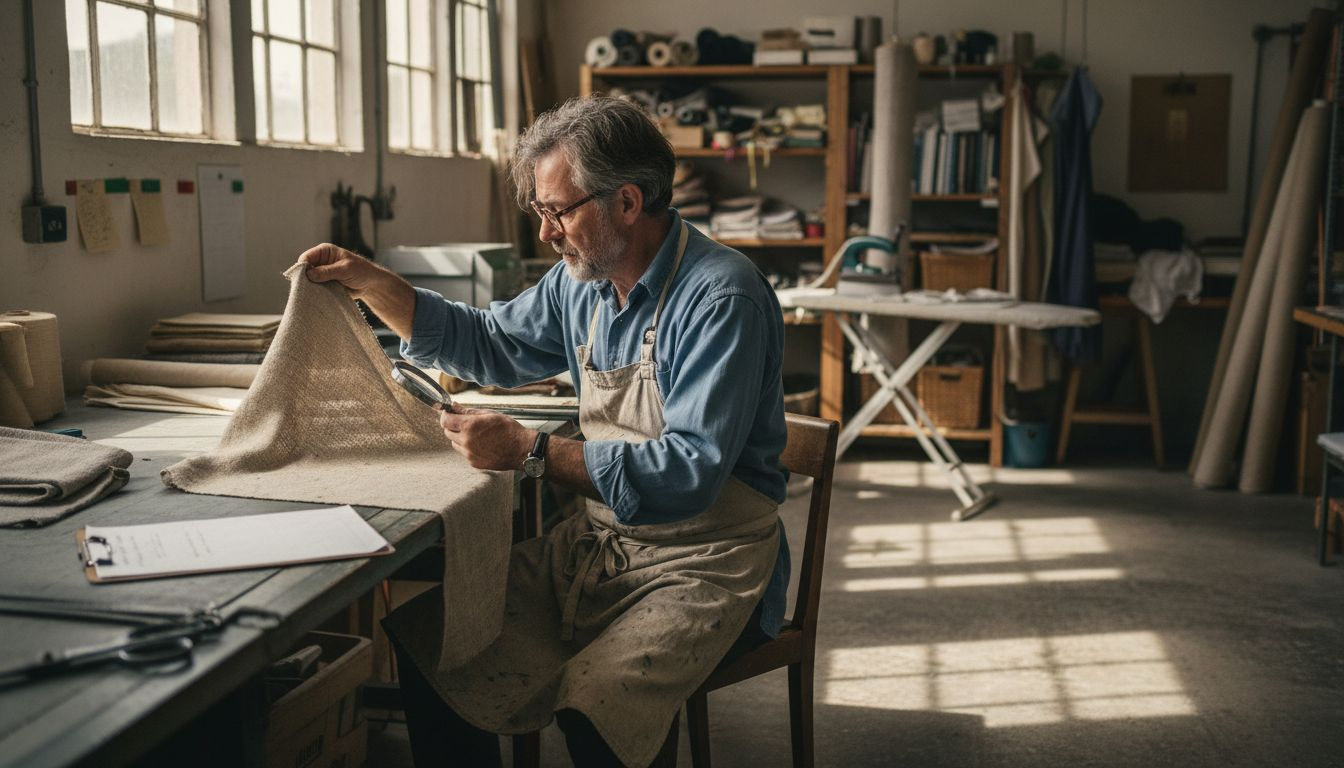
Textile ecosystem research reveals that material selection profoundly influences sustainability throughout the entire value chain. Start by investigating the specific raw materials used in your fashion items. Look for textiles derived from renewable sources like organic cotton, hemp, or recycled fibres. Pay special attention to materials that minimise environmental strain and support circular fashion principles.
To gain deeper insights, investigate material innovation strategies that prioritise responsible sourcing. Contact brands directly to request detailed information about their material origins, production processes, and environmental certifications. Request transparency about water usage, carbon emissions, and worker conditions associated with material production. By understanding these intricate details, you can make more informed choices that support sustainable and ethical fashion practices.
Expert advice: Request manufacturer documentation that explicitly outlines the complete supply chain and material traceability to verify sustainable claims.
Step 3: Examine production processes and practices
Deepening your understanding of fashion manufacturing involves critically examining the intricate processes behind clothing creation. Your objective is to uncover the environmental and social impact of how garments are produced, moving beyond surface level appearances.
Sustainable production techniques reveal critical insights into responsible manufacturing. Focus on identifying brands that prioritise energy efficiency, water conservation, and ethical labour practices. Look for transparent manufacturers who demonstrate commitment to reducing carbon footprints, minimising waste, and ensuring safe working conditions. Pay attention to indicators like renewable energy usage, closed loop water systems, chemical management protocols, and fair wage practices that signal genuine sustainability commitments.
Investigate the specific production methodologies used by fashion brands. Request detailed information about their manufacturing facilities, including waste reduction strategies, worker welfare programmes, and environmental management systems. Seek out brands that provide comprehensive documentation about their production processes, showing measurable sustainability metrics and continuous improvement initiatives.
Expert advice: Request comprehensive factory audit reports and third party sustainability certifications to validate a brand’s production claims.
Step 4: Evaluate durability and end-of-life options
Understanding the lifecycle of fashion items goes beyond initial purchase. Your mission is to assess how long a garment will last and what sustainable options exist when it reaches the end of its useful life.
Clothing longevity research demonstrates that extending a product’s lifespan by just nine months can reduce environmental impact by approximately 20%. Examine the physical construction of garments carefully. Look for reinforced seams, high quality stitching, durable fabric weights, and materials that resist wear and tear. Consider how easily the item can be repaired, altered, or transformed to extend its functional life.
End-of-life management strategies reveal multiple pathways for responsible disposal. Prioritise items with clear recycling potential, repair options, or potential for resale. Investigate whether the brand offers take-back programmes, upcycling services, or provides guidance on responsible garment disposal. Some manufacturers now design products with circular economy principles, making it easier to deconstruct materials for future reuse.
Expert advice: Photograph and document your garment’s condition periodically to track its lifecycle and potential future reuse opportunities.
Step 5: Verify brands’ sustainability claims
Navigating the complex landscape of sustainable fashion requires a critical eye and strategic approach to evaluating corporate environmental statements. Your mission is to cut through marketing noise and uncover genuine sustainability commitments.
Regulatory guidelines for environmental claims now mandate that brands provide clear, precise, and substantiated evidence of their sustainability practices. Scrutinise brand communications carefully by requesting specific documentation such as carbon footprint assessments, supply chain transparency reports, and third-party certification details. Look beyond glossy marketing materials and demand concrete proof of environmental commitments.
New global regulations are pushing fashion brands towards unprecedented levels of accountability. Investigate whether brands offer digital product passports, provide detailed information about material origins, and demonstrate verifiable sustainability metrics. Challenge brands to explain their environmental impact reduction strategies, worker welfare programmes, and specific circular economy initiatives. Pay attention to brands that willingly share granular details about their production processes and environmental achievements.
Expert advice: Create a standardised checklist of sustainability criteria to consistently evaluate and compare different fashion brands’ environmental claims.
The following summary outlines key sustainability checks to evaluate fashion brands effectively:
| Checkpoint | What to Request | Why It Matters |
|---|---|---|
| Material origin details | Documentation of raw sources | Confirms supply chain transparency |
| Production audit reports | Independent factory audits | Validates ethical and safe practices |
| Environmental impact data | Carbon/water/energy reports | Measures true ecological footprint |
| End-of-life strategy | Recycling or take-back info | Supports circular fashion and less waste |
| Third-party certifications | Certification documents | Ensures credibility of claims |
Discover Truly Sustainable Accessories Crafted from Cork
The article highlights the challenge of identifying authentic sustainable materials and verifying eco-friendly claims in fashion. You want accessories that stand up to scrutiny around material origin, durability, and genuine environmental impact, not just marketing buzzwords. This struggle to find ethically produced, durable, and truly sustainable products resonates deeply with conscientious consumers seeking transparency and quality.
At The Cork Store, we make that search effortless by offering a curated collection of vegan cork accessories known for their renewable sourcing, durability, and cruelty-free production. Cork is a naturally sustainable material that meets many criteria outlined in sustainable fashion certifications, making it an ideal alternative to traditional leather. Our range includes handbags, backpacks, and wallets designed for those who value style without compromising environmental integrity.
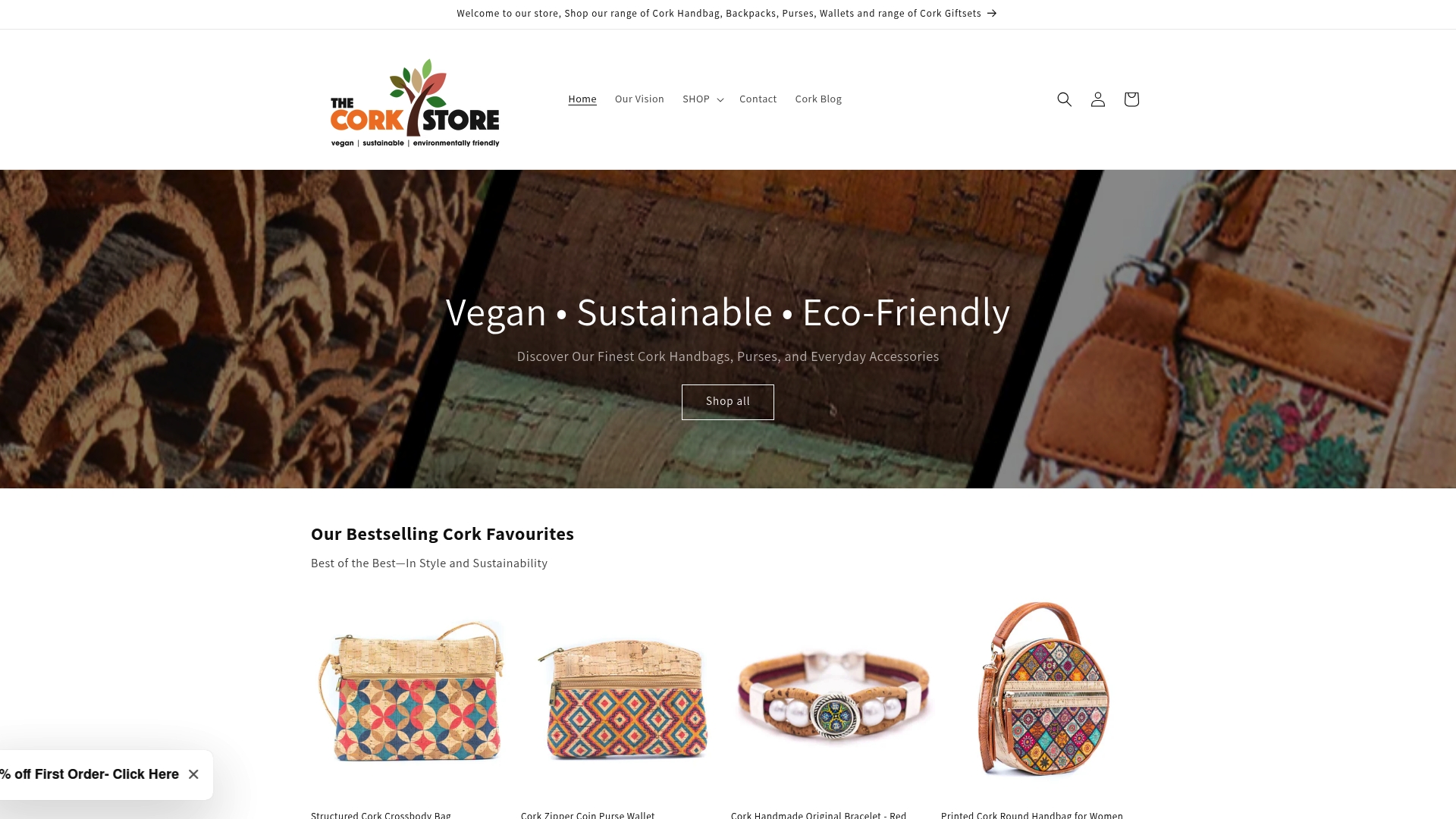
Take control of your fashion footprint today by exploring our exclusive collection at The Cork Store. Experience how eco-friendly accessories that embody material transparency and end-of-life responsibility can elevate your style while protecting the planet. Don’t just spot sustainable materials — wear them with pride and confidence.
Frequently Asked Questions
How can I identify sustainable materials in clothing?
You can identify sustainable materials by looking for specific certifications such as the Global Organic Textile Standard (GOTS) or OEKO-TEX. Check product labels for these certifications to ensure the materials meet rigorous environmental and ethical standards.
What types of materials should I look for when aiming for eco-friendly fashion?
Look for materials derived from renewable sources like organic cotton, hemp, or recycled fibres. Prioritising these materials can significantly reduce your environmental impact and support sustainable fashion practices.
How important is it to understand a garment’s production process for sustainability?
Understanding a garment’s production process is crucial for sustainability, as it reveals the environmental and social impacts of manufacturing. Investigate brands that demonstrate energy efficiency and ethical labour practices to ensure responsible production.
What should I consider regarding the durability of fashion items?
When assessing durability, examine the garment’s construction, including stitching quality and fabric weight. Items designed for longevity can reduce waste and extend their lifecycle, potentially cutting down your environmental footprint by around 20%.
How can I verify brands’ sustainability claims?
To verify brands’ sustainability claims, request documentation such as production audit reports and environmental impact data. This ensures you have concrete proof of their commitments to eco-friendly practices, making it easier to compare different brands.
What is an effective way to follow up on the end-of-life options for garments?
To follow up on end-of-life options, inquire if brands offer take-back programmes or other recycling strategies. Knowing how to dispose of or recycle garments responsibly can greatly contribute to sustainable fashion choices.
Recommended
- How to Spot Sustainable Fashion: A Step-by-Step Guide – The Cork Store
- Understanding the Role of Eco-Friendly Materials in Fashion – The Cork Store
- Understanding Sustainable Fashion Essentials for Eco-Conscious Living – The Cork Store
- What Is Eco-Friendly Fashion? Complete Overview – The Cork Store
- Nowoczesne Materiały Meblowe: Kompletny Przewodnik - Emmi Kuchnie - meble kuchenne na wymiar, szafy komandor, kuchnie bydgoszcz, meble na wymiar bydgoszcz, stolarz bydgoszcz