
Why sustainable materials transform eco-conscious style in 2026
Many believe leather is a natural, eco-friendly material, but cork offers surprising sustainability benefits that challenge this assumption entirely. Sustainable materials like cork combine style, durability, and environmental care in ways traditional options simply cannot match. This guide explains why choosing sustainable materials matters for eco-conscious fashion, revealing how cork oak forests sequester 14.7 tonnes CO2 per hectare annually, giving cork a negative carbon footprint when forestry is included. You’ll discover the unique advantages of materials that protect both the planet and your personal values without compromising on aesthetics or quality.
Table of Contents
- How Sustainable Materials Reduce Environmental Impact
- Cork As A Sustainable, Stylish Alternative To Leather
- Trade-Offs And Life-Cycle Perspectives Of Sustainable Materials
- Choosing Sustainable Materials For Your Eco-Conscious Lifestyle
- Explore Sustainable Cork Accessories At The Cork Store
Key takeaways
| Point | Details |
|---|---|
| Environmental impact reduction | Sustainable materials significantly reduce carbon footprint, water use, and toxic chemical pollution compared to leather production |
| Cork’s unique advantages | Cork offers carbon sequestration, natural durability, water resistance, and complete biodegradability for guilt-free fashion |
| Material trade-offs matter | Every material involves compromises between land use, water consumption, carbon emissions, and microplastic risks |
| Life-cycle assessment standards | ISO 14040/44 frameworks help evaluate true cradle-to-grave environmental impacts beyond marketing claims |
| Informed consumer choices | Quality verification, transparent sourcing, and end-of-life considerations guide ethical accessory selection |
How sustainable materials reduce environmental impact
Cork’s production involves minimal chemicals and actively promotes carbon sequestration offsetting emissions, creating a genuinely regenerative material cycle. The harvesting process strips bark from living cork oak trees without harming them, allowing the same tree to produce cork every nine years for up to 200 years. This renewable cycle stands in stark contrast to leather farming, which generates notable greenhouse gases and uses considerable water whilst creating eutrophication risks in surrounding ecosystems.
Leather production’s farming stage contributes significantly to greenhouse emissions, water depletion, and nutrient pollution that damages aquatic habitats. The tanning process introduces chromium and other toxic chemicals that persist in waterways and soil long after production ends. Sustainable materials often reduce toxic chemical use and waste compared to traditional options, offering cleaner manufacturing processes that protect both workers and communities.
Key environmental benefits of cork versus leather include:
- Carbon balance: Cork forests absorb more CO2 than cork production releases, whilst leather farming creates substantial net emissions
- Water usage: Cork harvesting requires minimal water, whereas livestock farming demands vast quantities for animal hydration and feed crops
- Chemical processing: Cork needs little chemical treatment, whilst leather tanning relies heavily on toxic substances
- Biodegradability: Pure cork decomposes naturally, returning nutrients to soil without leaving persistent pollutants
- Land regeneration: Cork oak forests support biodiversity and prevent desertification in Mediterranean regions
Cork oak forests sequester up to 14.7 tonnes of CO2 per hectare per year, giving cork a negative carbon footprint when including forestry management.
Understanding the environmental impact of cork versus the environmental impact of leather reveals why material choices directly influence climate outcomes. Every accessory purchase represents a vote for the production methods you want to support. Choosing materials with transparent environmental profiles empowers you to align your fashion choices with your ecological values whilst enjoying products that perform beautifully in daily use.
Cork as a sustainable, stylish alternative to leather
Cork delivers exceptional practical features that make it ideal for eco-conscious accessories beyond just impressive environmental statistics. This natural material combines ancient harvesting traditions with modern processing techniques to create accessories that rival leather in every meaningful way. The cellular structure of cork provides inherent qualities that synthetic alternatives struggle to replicate through engineering alone.
Key cork features that elevate sustainable fashion:
- Water resistance: Natural suberin content repels moisture, protecting contents and maintaining appearance
- Durability: Dense cellular structure withstands daily wear whilst developing attractive patina over time
- Lightweight nature: Weighs significantly less than leather, reducing strain during extended carrying
- Hypoallergenic properties: Contains no animal proteins or common allergens that irritate sensitive skin
- Antimicrobial qualities: Naturally inhibits bacterial growth, maintaining freshness without chemical treatments
- Complete biodegradability: Returns to earth harmlessly when products reach end of life
Cork’s natural antimicrobial properties help maintain accessory freshness and user comfort without requiring synthetic treatments that introduce environmental concerns. The material naturally resists mould and mildew even in humid conditions, making it ideal for bags, wallets, and other items that encounter moisture regularly. This inherent protection extends product lifespan whilst eliminating the need for harsh cleaning chemicals.
Pro Tip: Check cork quality carefully; some cheap versions use PU backing, reducing biodegradability and eco benefits whilst undermining the sustainability claims that attracted you initially.
Cork’s biodegradability addresses waste issues prevalent in synthetic leather alternatives that persist in landfills for decades. When high-quality cork products finally wear out, they decompose naturally without releasing microplastics or toxic residues into soil and water systems. This complete life cycle closes the loop on accessory consumption in ways that petroleum-based materials simply cannot achieve.
Stylish design options combine eco-consciousness with modern fashion appeal, proving sustainable choices need not compromise aesthetic preferences. Contemporary cork accessories feature sophisticated colours, textures, and finishes that complement any wardrobe whilst telling a story of environmental responsibility. The qualities of durable cork support intricate designs and precise craftsmanship that showcase both material innovation and artisan skill. Discovering why cork accessories are better reveals how functionality and sustainability merge seamlessly in products designed for conscious consumers.
Trade-offs and life-cycle perspectives of sustainable materials
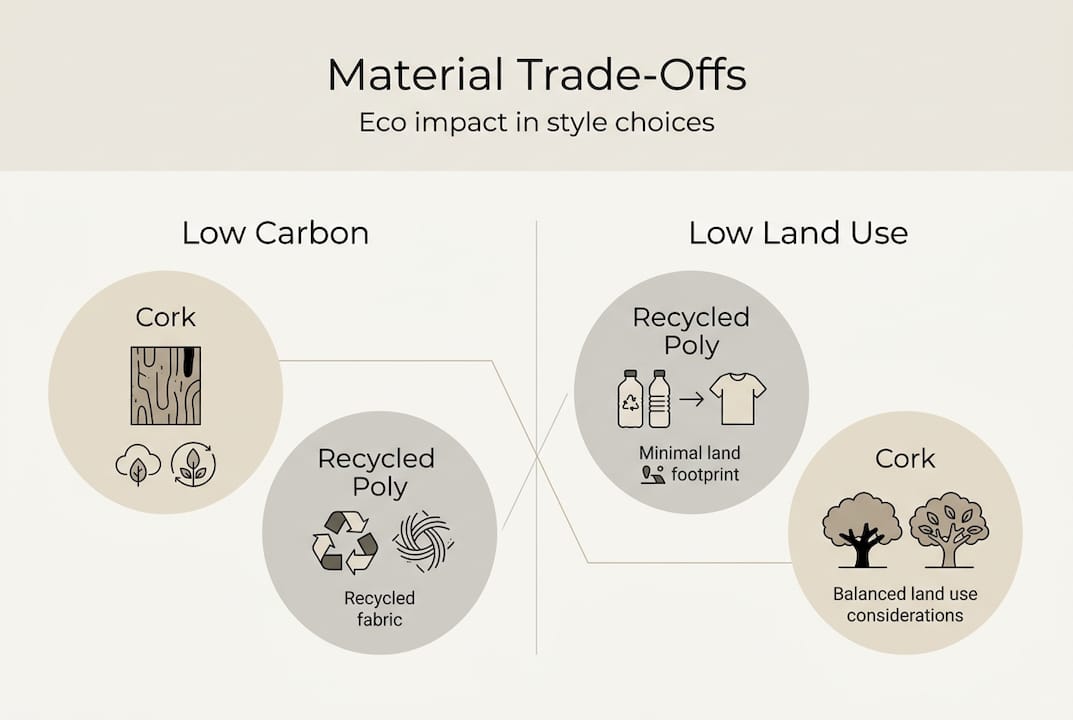
No material achieves perfection across every environmental metric, making informed choices dependent on understanding specific trade-offs. Life-cycle assessment provides the framework for evaluating true environmental costs from raw material extraction through manufacturing, use, and eventual disposal. This comprehensive view reveals hidden impacts that marketing claims often obscure behind selective statistics.
| Material | Resource Use | Carbon Footprint | Biodegradability | Microplastic Risk | | — | — | — | — | | Cork | Low water, moderate land | Negative (carbon sink) | Fully biodegradable | None | | Organic Cotton | High water, high land | Moderate to high | Biodegradable | None | | Recycled Polyester | Low water, low land | Lower than virgin | Non-biodegradable | High | | Leather | Very high water, high land | Very high | Partially biodegradable | None |
Steps in a cradle-to-grave life-cycle assessment:
- Raw material extraction: Evaluate resource depletion, habitat disruption, and energy consumption during material sourcing
- Manufacturing processes: Measure energy use, chemical inputs, water consumption, and waste generation during production
- Transportation impacts: Calculate emissions from moving materials and finished products through supply chains
- Product use phase: Consider maintenance requirements, durability, and resource consumption during ownership
- End-of-life disposal: Assess biodegradability, recycling potential, and environmental persistence after product retirement
Organic cotton has higher global warming potential and land use than recycled polyester blends due to raw material cultivation demands. Cotton farming requires extensive irrigation in many regions, contributing to water scarcity whilst pesticide use impacts soil health and biodiversity. Recycled polyester reduces virgin resource extraction but introduces microplastic pollution risks during washing and eventual breakdown that contaminate aquatic ecosystems.
Pro Tip: Understand that priorities vary; land use, water use, carbon footprint, and pollution risk each matter differently depending on your values and the specific environmental challenges you prioritise addressing.
LCA methods like ISO 14040/44 are standard for assessing fashion materials from cradle to grave, providing consistent frameworks that enable meaningful comparisons. These internationally recognised standards ensure assessments account for all significant environmental impacts rather than cherry-picking favourable metrics. Brands using certified LCA methodologies demonstrate commitment to transparency that builds consumer trust.
Climate risks threaten cork supplies, challenging long-term sustainability as Mediterranean regions experience increased drought and temperature extremes. Cork oak forests face pressure from changing precipitation patterns that affect tree health and regeneration rates. This vulnerability highlights how even the most sustainable current materials require ongoing monitoring and adaptive management strategies.
Ongoing innovation and transparency in sustainable material claims remain essential as the industry evolves. New processing techniques, hybrid materials, and circular economy models continue emerging to address current limitations. The role of eco materials in sustainable cork accessories demonstrates how material science advances support both environmental goals and consumer expectations. Understanding cork versus leather in sustainable fashion contexts helps you evaluate claims critically and make choices aligned with your specific priorities.
Choosing sustainable materials for your eco-conscious lifestyle
Assessing cork quality and spotting environmentally harmful backing materials requires attention to product specifications and manufacturer transparency. High-quality cork products specify 100% natural cork construction without synthetic adhesives or polyurethane backings that compromise biodegradability. Check product descriptions for terms like “genuine cork leather” or “natural cork fabric” rather than vague sustainability claims lacking specific material details.
Tips for selecting quality sustainable accessories:
- Verify material composition: Request detailed specifications confirming pure cork or clearly disclosed composite materials
- Examine construction methods: Look for stitching quality, edge finishing, and hardware durability that indicate craftsmanship
- Research brand practices: Investigate sourcing transparency, worker conditions, and environmental certifications beyond marketing statements
- Consider product longevity: Prioritise designs and materials that withstand years of use rather than following fleeting trends
- Evaluate end-of-life options: Choose products from brands offering repair services, take-back programmes, or clear disposal guidance
Choosing cork for cruelty-free, stylish accessory options supports animal welfare whilst delivering the sophisticated appearance conscious consumers demand. Cork harvesting harms no animals and requires no animal agriculture infrastructure that generates the ethical concerns associated with leather production. This complete separation from animal exploitation provides peace of mind that extends beyond environmental considerations into fundamental questions of compassion and respect.
Balancing style, durability, and sustainability when selecting products means refusing to compromise on any dimension of quality. Modern sustainable accessories prove that ethical choices need not sacrifice aesthetic appeal or practical performance. The best products seamlessly integrate environmental responsibility into designs that enhance your personal style rather than limiting it.
Pro Tip: Seek out brands with transparent sourcing and LCA certifications to verify claims, ensuring your purchases deliver the environmental benefits you expect rather than greenwashed marketing promises.
Considering the accessory’s end-of-life matters as much as its production impacts. Biodegradability and recycling options determine whether your purchase eventually contributes to waste problems or returns harmlessly to natural cycles. Products designed for disassembly enable component recycling when materials cannot biodegrade completely. Understanding cork versus leather differences helps you appreciate how material choices influence both immediate enjoyment and long-term environmental legacy. Exploring the role of cork in fashion reveals how this versatile material supports diverse style preferences whilst maintaining ecological integrity.
Explore sustainable cork accessories at the cork store
Now that you understand why sustainable materials matter, explore these stylish options to live your values through everyday choices. Discover a curated selection of 100% natural, cruelty-free cork accessories combining style with sustainability in every carefully designed product. Each piece reflects commitment to environmental responsibility without compromising the quality or fashion-forward aesthetics that define your personal style.
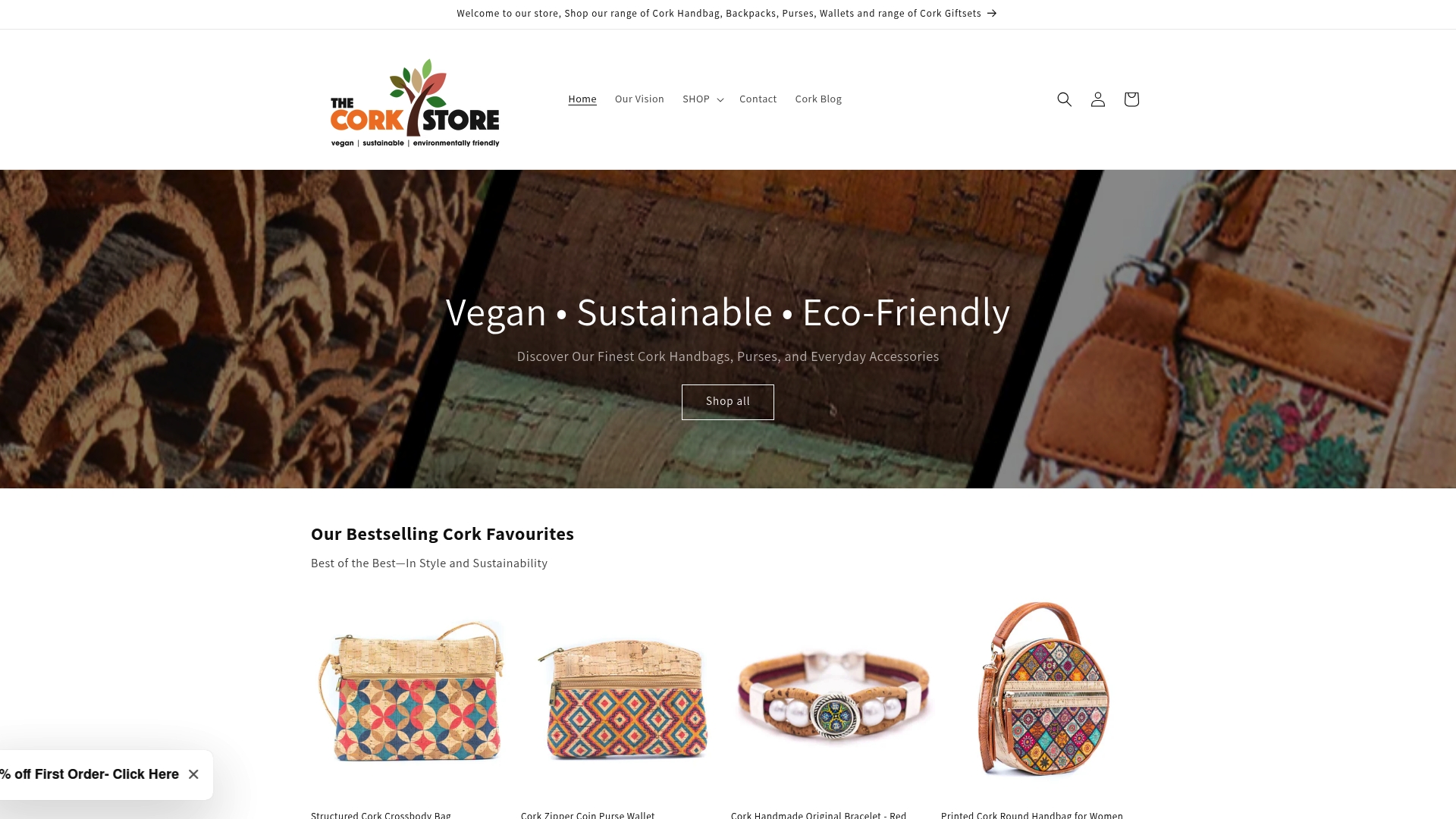
Perfect gifts that reflect your eco-conscious values deliver both immediate delight and lasting positive impact. The all-natural cork wallet gift set offers versatile, durable presents that recipients genuinely appreciate whilst supporting sustainable production methods. Supporting ethical brands helps drive demand for sustainable materials and responsible production practices that reshape industry standards.
Pro Tip: Choose gift sets like the all-natural cork wallet for versatile, durable presents loved by recipients who value both style and sustainability in their accessories.
Every purchase from The Cork Store supports sustainable forestry, cruelty-free fashion, and the growing movement towards accessories that honour both personal style and planetary health.
Frequently asked questions
What makes cork a sustainable material compared to leather?
Cork harvesting strips bark from living trees without causing harm, allowing the same cork oak to produce material every nine years for up to two centuries. Leather requires raising and slaughtering animals whilst generating substantial greenhouse gases, water consumption, and toxic tanning chemicals. Cork forests actually sequester carbon whilst leather production creates net emissions.
Are all cork products equally eco-friendly?
No, cork quality varies significantly based on backing materials and production methods. Expensive versions use 100% natural cork that biodegrades completely, whilst cheaper alternatives often contain polyurethane backings that undermine environmental benefits. Always verify material composition and manufacturing transparency before purchasing.
How does cork’s environmental impact compare to organic cotton or recycled polyester?
Cork uses less water and land than organic cotton whilst offering a negative carbon footprint through forest sequestration. Recycled polyester reduces virgin resource extraction but releases microplastics during washing and disposal. Cork biodegrades completely without pollution, making it superior for end-of-life environmental impact. Each material involves trade-offs depending on which environmental priorities matter most to you.
What should I look for in quality sustainable accessories?
Verify 100% natural material composition, examine construction quality including stitching and hardware, and research brand transparency regarding sourcing and labour practices. Look for products designed for longevity rather than disposable fashion trends. Check whether brands offer repair services or take-back programmes that extend product life and support circular economy principles.
Can using cork products really reduce my carbon footprint?
Yes, because cork forests absorb more CO2 than cork production releases, creating a negative carbon footprint. Choosing cork over leather eliminates the substantial emissions from livestock farming and chemical tanning processes. Every cork accessory purchase supports forest conservation that continues sequestering carbon throughout the trees’ lifespans. Understanding cork versus leather in sustainable style helps you quantify the climate benefits of material choices.
Recommended
- 7 Key Sustainable Fashion Trends 2025 for Eco Shoppers – The Cork Store
- How to Spot Sustainable Materials for Eco-Friendly Fashion – The Cork Store
- Sustainability in Accessory Design: Stylish Impact – The Cork Store
- How to Build Eco-Friendly Outfits With Sustainable Style – The Cork Store
- Understanding Sustainable Materials in Fashion – San Rocco Italia