
Environmental Impact of Cork – Sustainable Fashion Choice
More than 60 percent of British eco-conscious shoppers now seek alternatives to traditional leather, and cork is quickly gaining attention for all the right reasons. Unlike many materials with a limited reputation, cork outshines its competitors thanks to extraordinary sustainability and versatility. If you are curious about what sets this natural resource apart or want to cut through the common myths, you will discover why designers and consumers alike see cork as the smart choice for a greener future.
Table of Contents
- Cork Material Defined And Common Misconceptions
- Harvesting Cork: Process And Environmental Impact
- Lifecycle Of Cork: Sustainability In Practice
- Cork Versus Leather: Eco-Friendly Comparison
- Cork Accessories In Sustainable Fashion
Key Takeaways
| Point | Details |
|---|---|
| Cork’s Unique Properties | Cork is a buoyant, elastic, and durable material with excellent insulation capabilities, extending its applications beyond wine stoppers to fashion and building materials. |
| Sustainable Harvesting | The cork harvesting process ensures tree preservation and ecological balance, allowing cork oaks to regenerate their bark and support local economies. |
| Lifecycle of Cork | Cork biodegrades naturally, supporting environmental sustainability and offering recycling potential that enhances its ecological credentials. |
| Cork versus Leather | Cork is a more eco-friendly alternative to leather, with a significantly lower environmental impact through renewable sourcing and minimal waste production. |
Cork Material Defined And Common Misconceptions
Cork represents a fascinating natural material derived from the bark of the cork oak tree (Quercus suber), characterised by its extraordinary cellular structure and remarkable environmental credentials. Understanding its unique properties reveals why this sustainable resource has captured the imagination of eco-conscious designers and consumers worldwide.
At its core, cork is a low-density material with remarkable characteristics - buoyant, elastic, and remarkably resistant to liquid and gas penetration. Its cellular composition, primarily composed of suberin and lignin, creates a honeycomb-like structure that provides exceptional insulation, compression resistance, and durability. These intrinsic properties make cork an extraordinarily versatile material that extends far beyond traditional wine bottle stoppers.
Common misconceptions about cork often revolve around its perceived fragility and limited application. Many people mistakenly believe cork is weak or easily damaged. In reality, cork possesses remarkable resilience and can withstand significant compression and tension. While it’s not completely impermeable to all substances under every condition, its natural cellular structure provides remarkable resistance to liquids and gases, making it an ideal material for fashion accessories, building insulation, and numerous other innovative applications.
Pro Tip: When evaluating cork products, examine the material’s texture and flexibility. High-quality cork will feel smooth, have consistent colour, and demonstrate a natural elasticity that indicates its superior structural integrity.
Furthermore, cork’s sustainable production process sets it apart from many synthetic materials. The harvesting method allows cork oak trees to continue living and regenerating their bark, creating a truly renewable resource that supports both ecological balance and economic opportunities for local communities.
Harvesting Cork: Process And Environmental Impact
Cork harvesting represents a remarkable example of sustainable resource extraction, involving a delicate and precise process that prioritises both ecological balance and tree preservation. The careful removal of bark occurs during spring and summer months when cork oak trees are in active growth, utilising specialised manual techniques that have been refined over generations.
The harvesting process is a testament to environmental stewardship. Skilled workers use traditional axes to remove the outer bark with meticulous precision, ensuring minimal damage to the living tree. Remarkably, this extraction method allows the tree to continue growing and regenerating its bark, creating a truly renewable resource. Scientific research indicates that cork harvesting has minimal environmental impact, with the carbon removed representing less than 1.5% of the tree’s annual net primary production.
However, the process is not without nuanced environmental considerations. During severe dry years, cork stripping can potentially induce decreased sap flow, which means harvesters must adapt their techniques to protect the tree’s overall health. This adaptive approach underscores the complex relationship between human intervention and natural ecosystem management. Understanding the intricate cork production process reveals how sustainable practices can create economic opportunities while maintaining ecological integrity.
The cork oak forests, primarily located in Portugal and Spain, represent more than just a resource extraction site. These landscapes function as critical carbon sinks, supporting biodiversity and providing habitat for numerous species. The harvesting techniques not only preserve the trees but also contribute to maintaining these vital ecological systems.
Pro Tip: When purchasing cork products, look for certifications that demonstrate responsible harvesting practices. Genuine sustainable cork will come from sources that prioritise tree health and long-term forest management.
By choosing cork, consumers support a production method that is inherently regenerative and environmentally responsible, transforming a traditional material into a modern sustainable solution for fashion and design.
Lifecycle Of Cork: Sustainability In Practice
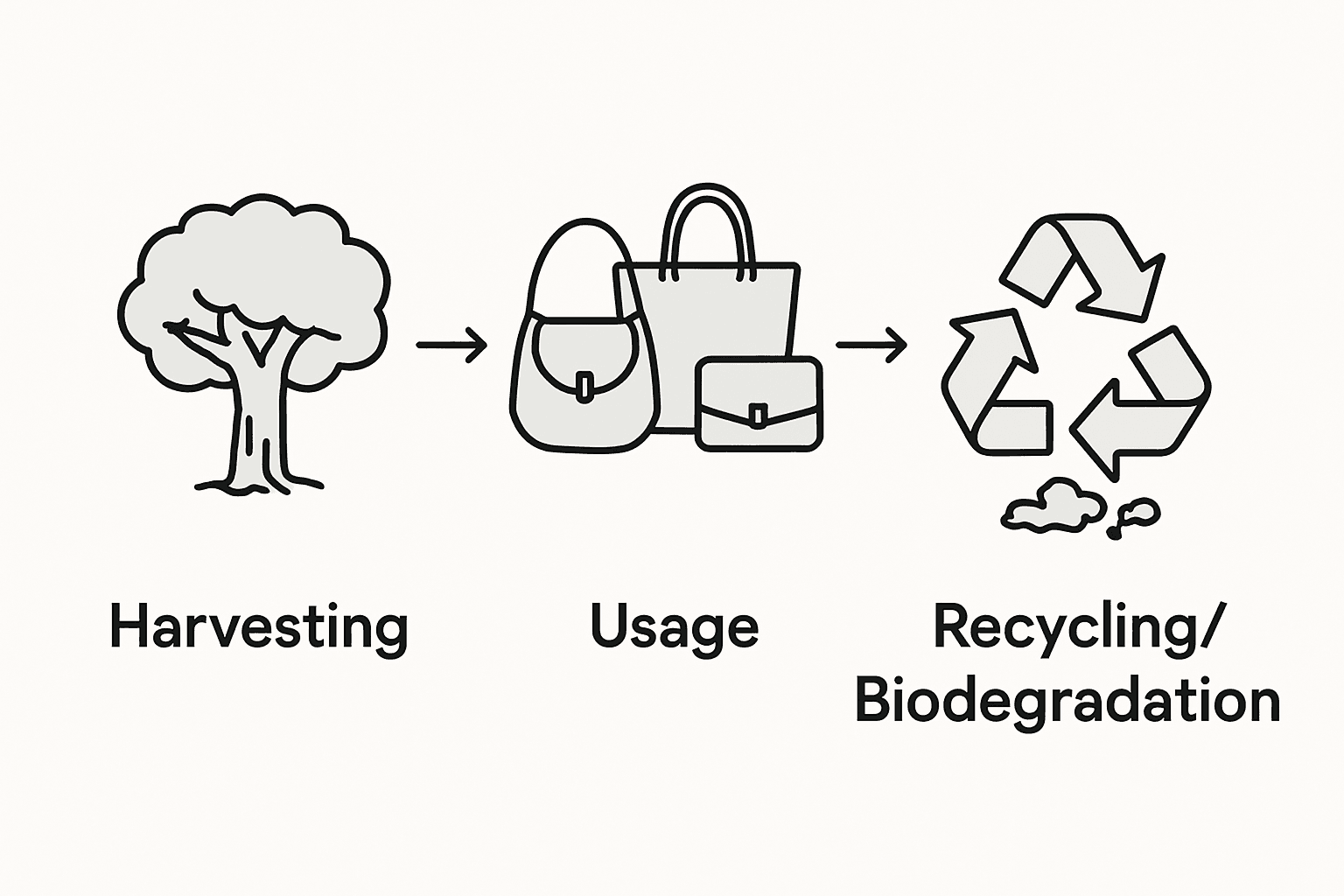
The lifecycle of cork represents a remarkable journey of sustainability, beginning with its innovative harvesting and extending through multiple stages of use and potential reuse. The regenerative harvesting process allows cork oak trees to produce bark every 9 to 10 years without causing permanent damage, establishing a model of circular resource management that sets it apart from many other materials.
Once harvested, cork transforms through various applications, from fashion accessories to architectural elements. Its remarkable end-of-life characteristics ensure minimal environmental impact, with the material naturally biodegrading within a decade without releasing harmful toxins. This biodegradability means that even discarded cork products return to the ecosystem without creating lasting waste, a critical consideration for environmentally conscious consumers.
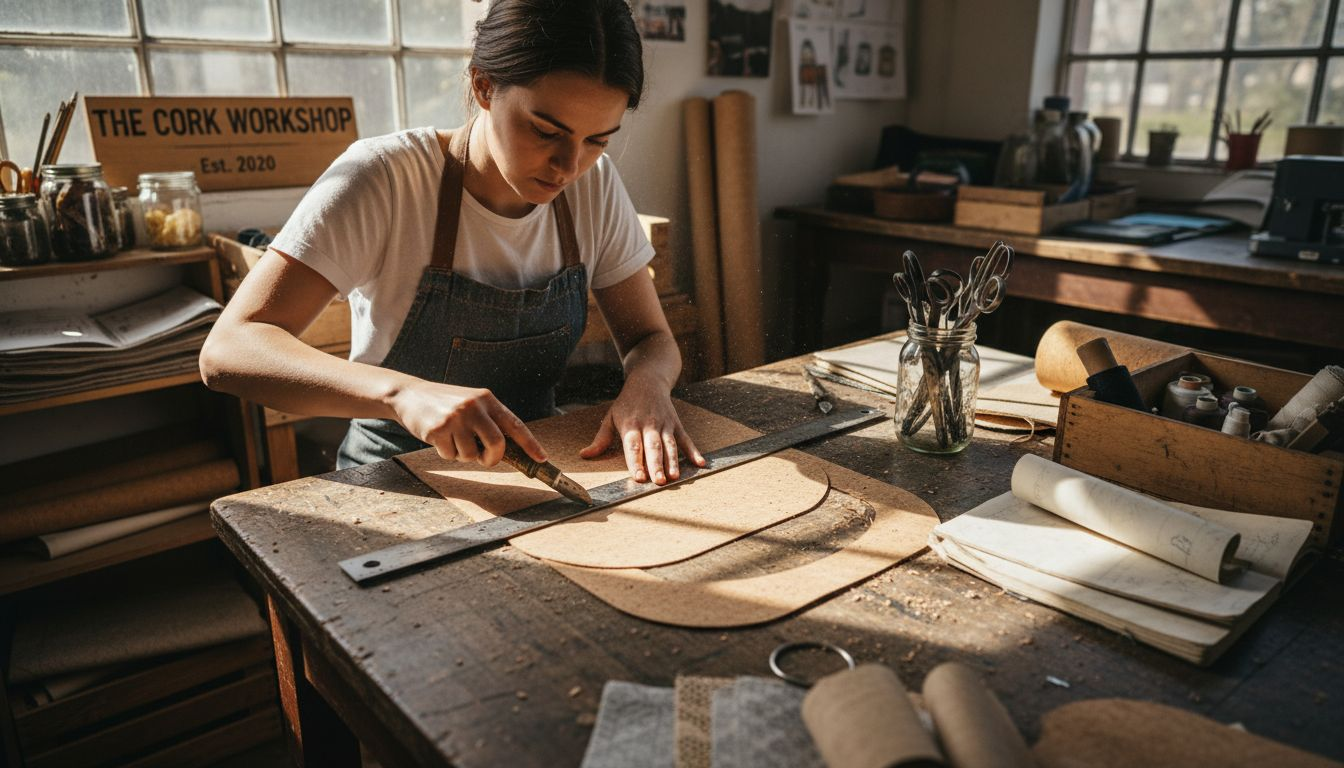
Recycling extends cork’s sustainable potential even further. After its initial use, cork can be ground into granules and repurposed for numerous innovative applications, ranging from construction materials to artistic installations. Understanding how cork production supports forest ecosystems reveals the intricate balance between human needs and environmental preservation.
Moreover, cork’s lifecycle demonstrates a holistic approach to resource utilisation. The cork oak forests not only provide a renewable material but also serve as critical carbon sinks, supporting biodiversity and creating economic opportunities for local communities. Each stage of cork’s journey - from careful harvesting to potential recycling - reflects a commitment to sustainable practices that respect both ecological systems and human innovation.
Pro Tip: When purchasing cork products, prioritise items from manufacturers who can demonstrate transparent, sustainable harvesting and production practices to maximise your positive environmental impact.
By choosing cork, consumers actively participate in a regenerative economic model that celebrates natural resource management and ecological responsibility.
Cork Versus Leather: Eco-Friendly Comparison
Sustainable fashion demands critical examination of material choices, and the comparison between cork and leather reveals stark differences in environmental impact. Cork emerges as a significantly more eco-friendly alternative to traditional leather, challenging conventional fashion manufacturing practices with its innovative and regenerative production approach.
The production processes tell a compelling story of sustainability. While leather manufacturing typically involves extensive water consumption, chemical treatments, and animal farming, cork harvesting represents a radically different model. Cork’s unique production characteristics include harvesting bark without harming the tree, creating a renewable resource that supports entire ecosystems. Its lightweight, impermeable, and elastic properties make it an exceptional alternative for fashion and accessory design.
Environmental metrics further distinguish cork from leather. Traditional leather production generates significant carbon emissions, requires substantial land use, and involves complex chemical processes that can harm local environments. In contrast, cork production supports forest ecosystems while maintaining biodiversity. Cork oak trees continue growing after bark extraction, actively sequestering carbon and providing habitat for numerous species, creating a regenerative production cycle that leather cannot match.
Moreover, cork’s end-of-life characteristics significantly outperform leather. Where leather products often end up in landfills, cork naturally biodegrades without releasing harmful toxins, completing its ecological lifecycle with minimal environmental burden. Its ability to be recycled and repurposed further enhances its sustainability credentials, offering designers and consumers a genuinely responsible material choice.
Pro Tip: When comparing sustainable materials, look beyond surface appearances and investigate the complete production cycle, focusing on renewable resources, carbon footprint, and end-of-life environmental impact.
Choosing cork represents more than a fashion statement - it’s a commitment to supporting ecological balance and responsible resource management.
Here’s a comparison of cork and leather across key environmental and functional factors:
| Aspect | Cork | Leather |
|---|---|---|
| Source | Renewable tree bark | Animal hides |
| Harvesting impact | Tree remains unharmed | Animal slaughter required |
| Water use | Minimal | Very high |
| Chemical treatment | Rarely needed | Often intensive |
| Biodegradability | Decomposes naturally | Slow, can persist in landfill |
| Carbon footprint | Carbon sequestered by forests | High emissions from livestock |
| End-of-life | Easily recycled or composted | Difficult to dispose of |
| Common uses | Bags, shoes, insulation | Shoes, bags, upholstery |
Cork Accessories In Sustainable Fashion
Sustainable fashion is experiencing a transformative moment, with innovative materials reshaping how designers approach style and environmental responsibility. Cork’s unique material properties have positioned it as a revolutionary textile, offering designers and consumers an extraordinary alternative to traditional fashion materials.
The versatility of cork accessories is truly remarkable. Characteristics like lightness, impermeability, and remarkable elasticity make it ideal for creating everything from handbags and wallets to footwear and jewellery. Designers are increasingly embracing cork as a stylish and environmentally responsible material that meets the growing demand for conscious fashion choices. Its natural aesthetic provides a contemporary, minimalist appeal that resonates with eco-aware consumers seeking both functionality and ethical design.
Beyond aesthetic appeal, cork accessories represent a profound statement about sustainable consumption. Unlike traditional leather or synthetic materials, cork production supports forest ecosystems, generates minimal waste, and creates products with impressive durability. Understanding cork innovation reveals how this material transforms sustainable fashion from a niche concept to a mainstream movement, offering consumers genuine alternatives that do not compromise on style or quality.
The environmental credentials of cork accessories extend far beyond their initial production. Each item tells a story of ecological responsibility - from the careful harvesting of bark that doesn’t harm cork oak trees to the material’s ultimate biodegradability. This complete lifecycle approach distinguishes cork accessories as truly sustainable fashion choices that support global environmental conservation efforts.
Pro Tip: When selecting cork accessories, examine the material’s texture and flexibility, looking for consistent colour and natural elasticity as indicators of high-quality, responsibly produced items.
Choosing cork is more than a fashion statement - it’s a commitment to supporting innovative, environmentally conscious design that respects our planet’s delicate ecological balance.
To help understand cork’s role in sustainable fashion, here is a summary of how cork elevates eco-friendly design:
| Sustainable Attribute | Cork’s Contribution | Resulting Benefit |
|---|---|---|
| Renewable sourcing | Bark regrows without harming trees | Supports long-term supply |
| Ecosystem preservation | Maintains biodiversity | Protects wildlife habitat |
| Minimal waste | Off-cuts reused or composted | Reduces landfill impact |
| Versatile applications | Used in accessories and interiors | Widens sustainable options |
| Ethical production | No animal harm, low-energy process | Appeals to ethical buyers |
Discover Stylish Sustainability With Cork Accessories
The article highlights the powerful environmental benefits of cork as a truly renewable and eco-friendly material that supports forest ecosystems while offering durability and biodegradability. If you are concerned about reducing your fashion footprint and seeking an alternative to traditional leather, cork accessories provide a perfect solution by combining ethical production with lasting style. Key pain points addressed include the challenge of finding cruelty-free, sustainable products that do not sacrifice quality or design.
At The Cork Store, you can explore a curated selection of vegan cork handbags, wallets, and backpacks that embody this commitment to sustainability and responsible resource management. Every item reflects cork’s natural elasticity and smooth texture, offering you a stylish accessory that supports ecological balance and reduces environmental impact.
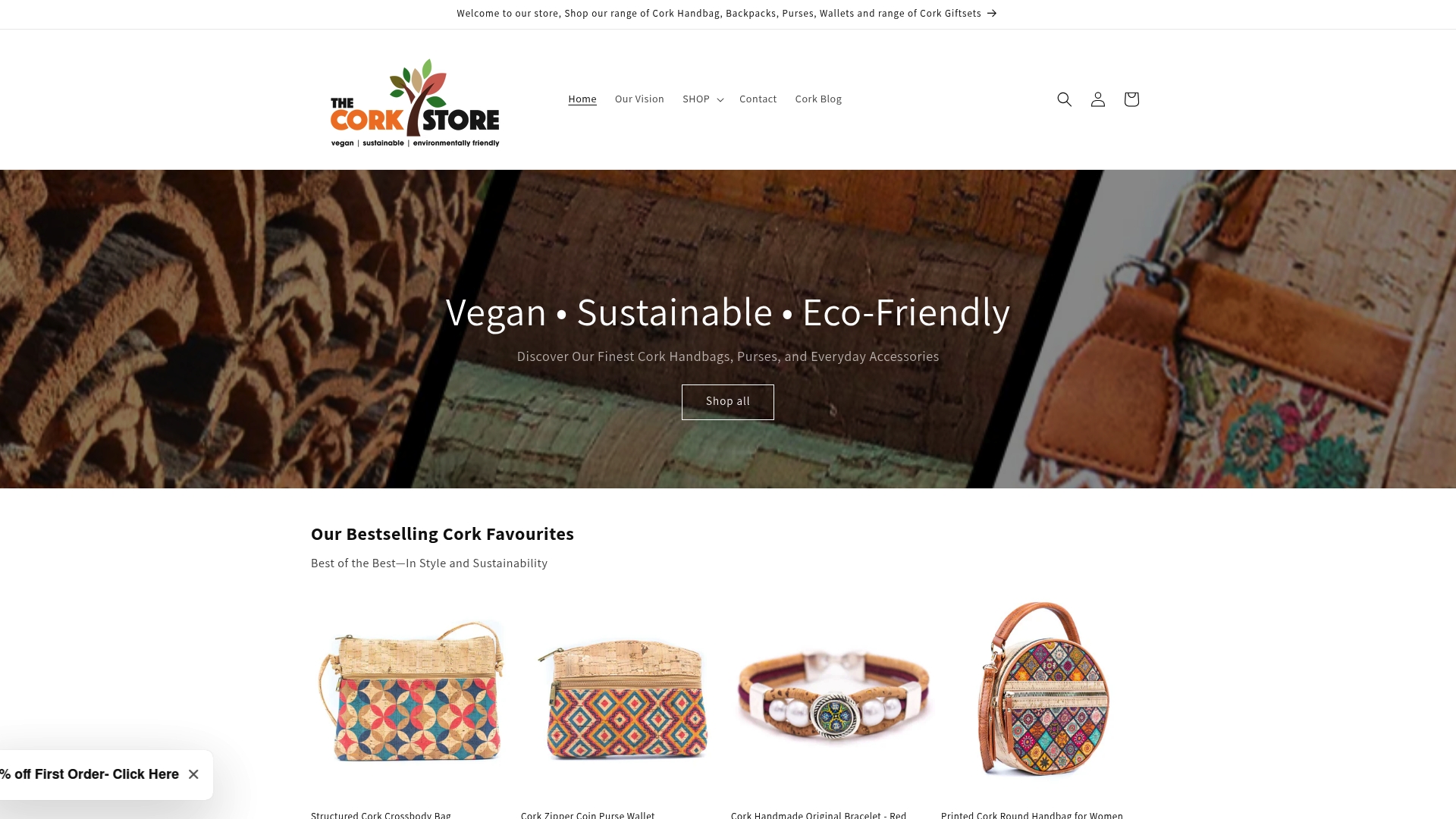
Make the conscious choice today to support innovative, renewable fashion materials by shopping our range of cork accessories at The Cork Store. Discover how your style can contribute to a healthier planet while enjoying the unique beauty and durability only cork can provide. Embrace sustainable fashion now and join a growing movement toward eco-friendly, animal-friendly design.
Frequently Asked Questions
What makes cork a sustainable material for fashion?
Cork is sustainable due to its renewable nature, as it is harvested from the bark of cork oak trees without harming the tree itself. This process allows the trees to continue to grow and regenerate their bark, supporting biodiversity and carbon sequestration.
How does cork compare to leather in terms of environmental impact?
Cork has a significantly lower environmental impact than leather. While leather production involves animal slaughter, extensive water use, and chemical treatments, cork harvesting is eco-friendly, requires minimal water, and has a low carbon footprint, making it a more sustainable choice.
Can cork products be recycled or composted?
Yes, cork products can be easily recycled and are biodegradable. They decompose naturally within a decade without releasing harmful toxins, ensuring minimal waste and supporting a circular economy.
What types of accessories can be made from cork?
Cork is highly versatile and can be used to create a wide range of accessories, including bags, wallets, shoes, and jewellery. Its lightweight and elastic characteristics make it ideal for various fashion items.
Recommended
- Understanding the Role of Cork in Sustainable Fashion – The Cork Store
- Role of Cork in Eco Fashion: Sustainable Style Unpacked – The Cork Store
- How Cork Promotes Sustainability: Complete Guide – The Cork Store
- Understanding the Role of Eco-Friendly Materials in Fashion – The Cork Store
- The Rise of Pre-Loved Luxury: Why Secondhand Designer Bags Are a Very
- Trends für eine umweltbewusste Garderobe – Breuermode.de