
How Cork Promotes Sustainability: Complete Guide
Did you know that a single cork oak tree can be harvested for its bark up to sixteen times over its lifespan of nearly two centuries? This remarkable fact underscores cork’s unique place in sustainable design. As concerns about the environmental impact of fashion and manufacturing grow, cork stands out for its natural properties, renewability, and eco-friendly production process. Understanding cork’s journey from tree to finished product reveals why it has become a preferred choice for those seeking style without sacrifice.
Table of Contents
- Defining Cork and Its Sustainable Properties
- Harvesting Cork: Eco-Friendly Practices and Process
- Cork in Fashion: Vegan and Animal-Free Advantages
- Environmental Benefits Over Leather and Synthetics
- Challenges, Limitations, and Responsible Sourcing
Key Takeaways
| Point | Details |
|---|---|
| Sustainable Resource | Cork is a renewable material derived from the bark of cork oak trees, enabling multiple harvests without damaging the trees. |
| Environmental Advantages | Compared to leather and synthetic materials, cork is carbon negative, biodegradable, and requires minimal energy in production. |
| Ethical Choice in Fashion | Cork serves as a vegan alternative in fashion, promoting animal welfare while maintaining stylish and durable products. |
| Responsible Sourcing Importance | It is crucial to ensure responsible sourcing, avoiding overharvesting and supporting sustainability through ethical practices in the supply chain. |
Defining Cork and Its Sustainable Properties
Cork represents a remarkable natural material with extraordinary environmental and functional properties. Derived from the bark of cork oak trees (Quercus suber), this renewable resource offers an exceptional solution for sustainable design and manufacturing.
According to bioresources.cnr.ncsu.edu, cork possesses a unique cellular structure that enables its remarkable characteristics. Its key sustainable properties include:
- Low density making it lightweight
- Exceptional buoyancy
- Fluid impermeability
- Low thermal conductivity
- Natural elasticity
- Outstanding durability
These properties originate from cork’s intricate composition of suberin and lignin, two critical chemical compounds that provide structural integrity and environmental resilience. mdpi.com highlights that cork’s sustainability stems from its unique regenerative harvesting process, which allows bark to be extracted without damaging the cork oak tree. This means each tree can be harvested multiple times throughout its lifecycle, creating a truly renewable resource.
The cellular structure of cork creates microscopic air pockets that contribute to its exceptional insulation and cushioning capabilities. This natural design makes cork an incredibly versatile material suitable for diverse applications ranging from architectural elements to fashion accessories, all while maintaining minimal environmental impact. By choosing cork, consumers support a material that not only performs exceptionally but also champions ecological preservation.
Harvesting Cork: Eco-Friendly Practices and Process
Cork harvesting represents one of the most environmentally responsible material extraction processes in the world. Unlike other resource gathering methods that often damage or destroy their source, cork harvesting is a delicate, sustainable practice that preserves and nurtures cork oak trees throughout their long lifespans.
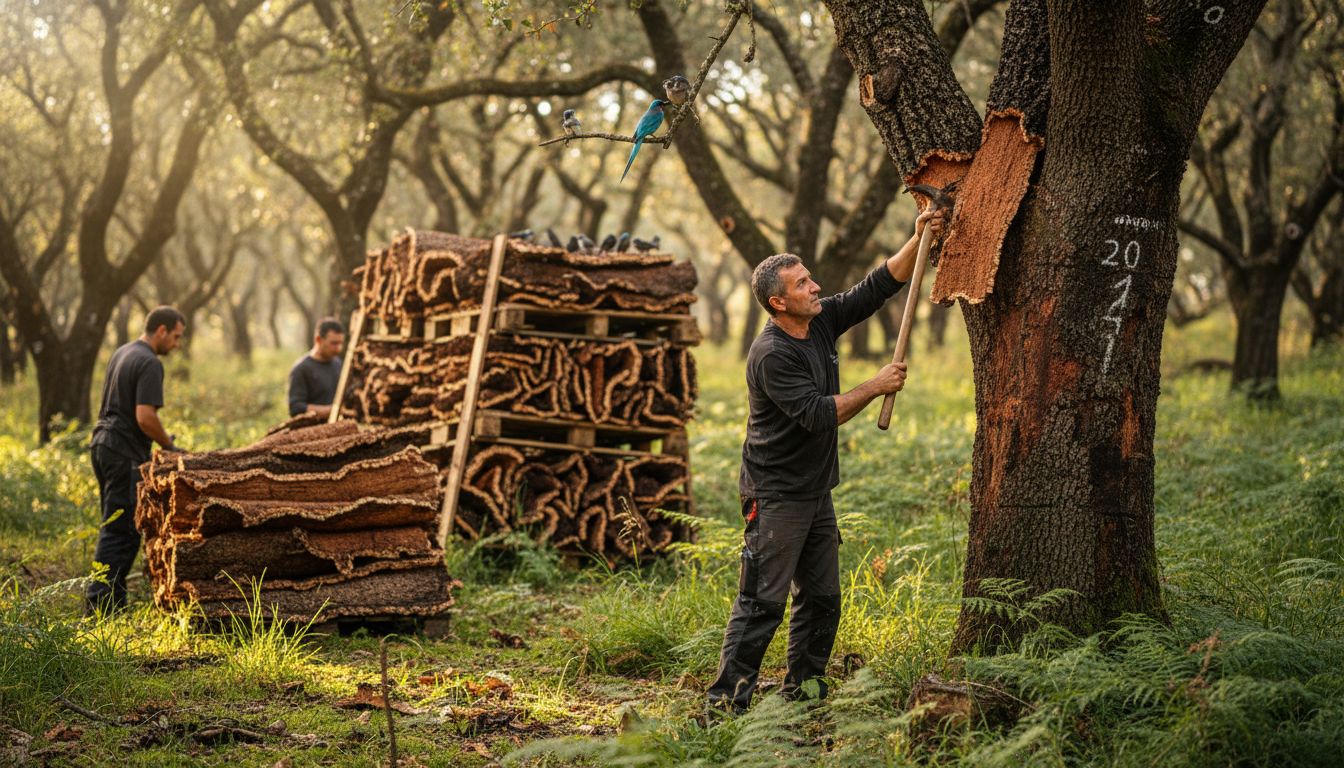
Corksoluk.com explains that cork is harvested by carefully stripping the bark of cork oak trees every 9–12 years, a technique that uniquely allows the tree to remain unharmed and continue growing. This extraordinary process ensures the tree can continuously absorb carbon dioxide, actively contributing to environmental health while producing a valuable material.
The harvesting process involves several precise steps:
- Skilled Manual Extraction: Trained workers carefully remove bark using specialized hand tools
- Selective Harvesting: Only mature bark sections are removed
- Minimal Tree Intervention: Extraction occurs without damaging the tree’s core structure
- Regeneration Period: Trees are left to recover and regrow bark between harvests
According to Lamp.es, after harvesting, the bark undergoes careful processing. It is dried, boiled to remove impurities, and then transformed into various products with minimal environmental impact. Remarkably, a single cork oak tree can live up to 200 years and be harvested multiple times, making it an incredibly sustainable resource.
Unlike many industrial material extraction processes, cork harvesting exemplifies a true circular economy model. By respecting the natural growth cycles of cork oak trees and ensuring minimal ecological disruption, this method provides a renewable material while simultaneously supporting biodiversity and carbon sequestration. Learn more about this fascinating process in our comprehensive cork production process guide.
Cork in Fashion: Vegan and Animal-Free Advantages
Cork is revolutionizing the fashion industry as a game-changing alternative to traditional animal-derived materials. More than just a sustainable choice, cork represents a compassionate approach to design that respects both animal welfare and environmental integrity.
Thred.com highlights how cork is gaining significant popularity in sustainable design due to its eco-friendly and biodegradable properties. As a renewable resource harvested without harming cork oak trees, this material offers fashion designers and conscious consumers a truly ethical textile option.
The unique advantages of cork in fashion include:
- 100% Vegan: No animal products used in production
- Lightweight and comfortable
- Water-resistant and durable
- Naturally textured with an elegant appearance
- Hypoallergenic and skin-friendly
Ecocorker.com emphasizes that cork’s remarkable properties make it ideal for various fashion items, including handbags, wallets, and accessories. Its inherent characteristics of lightness, elasticity, and impermeability provide designers with a versatile material that doesn’t compromise on style or sustainability.
As the fashion industry continues to evolve towards more ethical practices, cork stands out as a pioneering material that bridges style, compassion, and environmental responsibility.
For those interested in exploring sustainable fashion alternatives, our guide on vegan leather alternatives offers deeper insights into this transformative textile revolution.
Environmental Benefits Over Leather and Synthetics
Sustainability is more than a buzzword. It’s a critical approach to material selection that determines the environmental impact of our fashion and accessory choices. Cork emerges as a clear frontrunner when comparing ecological footprints across different materials.
Corksoluk.com reveals compelling evidence about cork’s environmental superiority. Unlike leather and synthetic materials, cork’s harvesting process uniquely supports ecological balance by allowing cork oak trees to continue absorbing carbon dioxide while providing a renewable resource.
Key environmental advantages of cork over traditional materials include:
- Zero Animal Cruelty: No animals harmed in production
- Carbon Negative: Trees continue carbon sequestration during harvesting
- Biodegradable: Complete natural decomposition
- Low Energy Production: Minimal processing requirements
- Renewable Resource: Harvested without killing the source tree
Lamp.es emphasizes how cork’s production dramatically differs from resource-intensive leather manufacturing and fossil fuel-dependent synthetic materials. Where leather requires extensive animal farming and synthetic materials rely on non-renewable petroleum products, cork represents a truly regenerative alternative that supports ecological systems.
 For fashion enthusiasts seeking deeper insights, our guide on vegan bags explores these sustainable alternatives in greater detail.
Here’s a comparison of the environmental impacts of cork, leather, and synthetic materials:
| Criteria | Cork | Leather | Synthetic Materials |
|---|---|---|---|
| Animal Cruelty | None | High | None |
| Carbon Footprint | Low Carbon negative |
High | High |
| Biodegradability | Fully biodegradable | Partially biodegradable | Non-biodegradable |
| Resource Renewability | Renewable Harvested repeatably |
Non-renewable Animal farming required |
Non-renewable Petroleum-based |
| Energy Use in Production | Low | High | High |
| Supports Biodiversity | Yes | Often harms ecosystems | No |
Challenges, Limitations, and Responsible Sourcing
Sustainability is a nuanced journey, and cork is no exception. While an extraordinary material, cork’s production and sourcing require careful, thoughtful consideration to truly maintain its environmental integrity.
Link.springer.com highlights critical challenges in cork production that conscientious consumers must understand. The primary concerns revolve around preventing overharvesting and maintaining the delicate ecological balance of cork oak forests, which have limited geographic distribution.
Key challenges in responsible cork sourcing include:
- Geographic Limitations: Cork oak forests concentrated in specific regions
- Harvesting Precision: Requires specialized skills and careful extraction
- Ecosystem Vulnerability: Risk of disrupting local biodiversity
- Supply Chain Transparency: Ensuring ethical production practices
- Processing Impact: Minimizing environmental footprint during manufacturing
Mdpi.com emphasizes the critical importance of sustainable management practices. Responsible sourcing isn’t just about extraction but maintaining the entire ecological system supporting cork production. This means supporting certifications, working with local communities, and implementing rigorous environmental standards throughout the supply chain. Interested in understanding more about sustainable material choices? Our guide on vegan bags offers deeper insights into ethical material selection.
Discover Stylish Sustainability with Cork Accessories You Can Trust
The detailed guide on how cork promotes sustainability reveals the impressive environmental and ethical benefits of this remarkable material. From renewable harvesting that preserves cork oak trees to its vegan and biodegradable nature, cork stands out as a responsible choice for conscious consumers who want fashion with a purpose. If you are looking to embrace these values while enjoying elegant, durable, and lightweight accessories, you will find exactly what you need at The Cork Store.
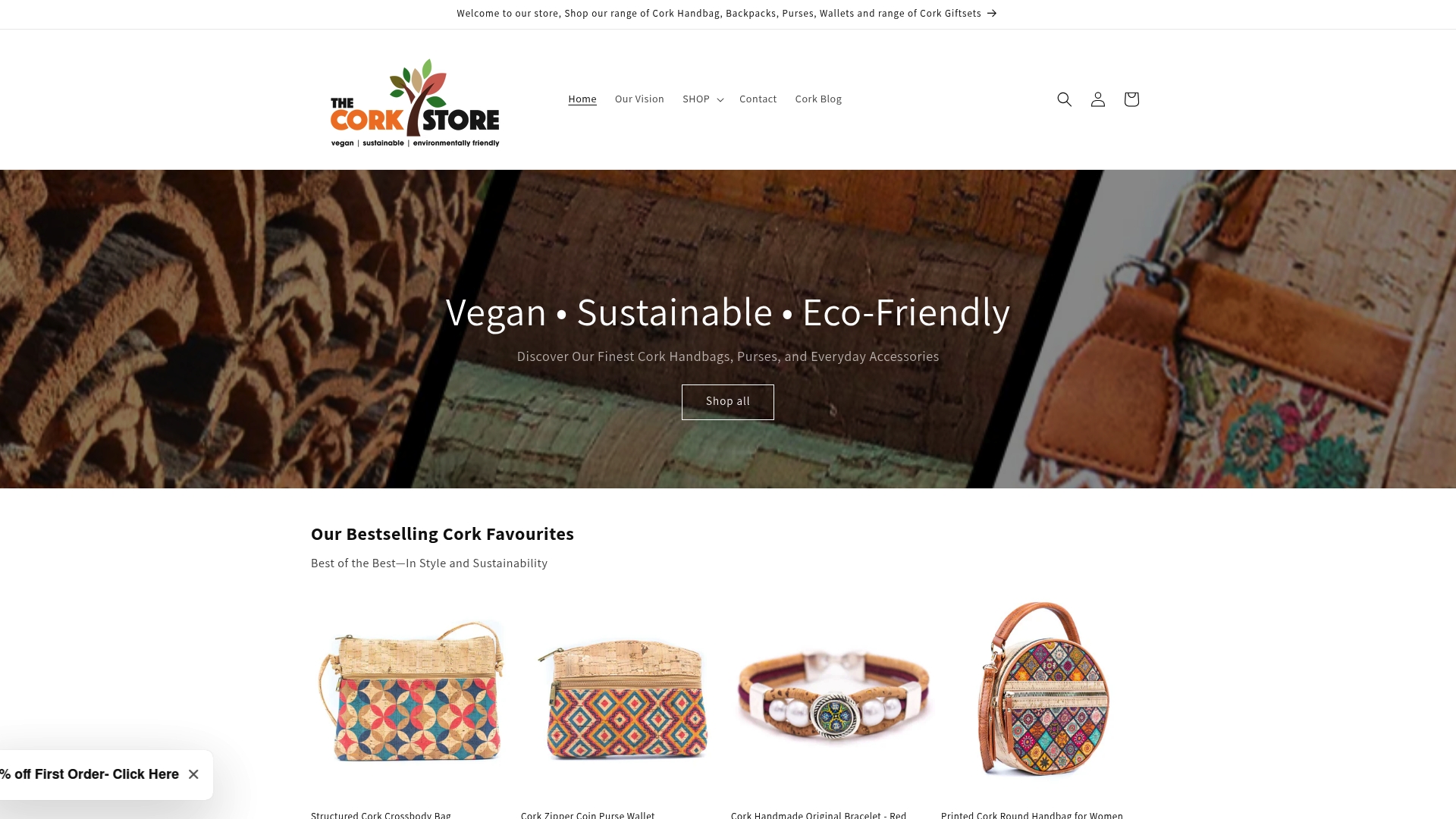
Explore our curated range of vegan cork handbags, wallets, backpacks, and gift sets—each crafted to help you make a positive impact without compromising style or quality. Act now and support ethical sourcing that respects biodiversity and reduces carbon footprints. Visit The Cork Store to shop sustainable fashion today and take a confident step towards a greener future. To learn more about our commitment to eco-conscious materials, check out our guide on vegan leather alternatives and discover why choosing cork is a meaningful choice.
Frequently Asked Questions
What are the sustainable properties of cork?
Cork has several sustainable properties, including low density, exceptional buoyancy, fluid impermeability, low thermal conductivity, natural elasticity, and outstanding durability. Its unique cellular structure contains air pockets that enhance its insulation and cushioning characteristics, making it a versatile material for various applications.
How is cork harvested sustainably?
Cork is harvested by carefully stripping the bark from cork oak trees every 9–12 years without damaging the tree. This process allows the tree to continue growing and absorbing carbon dioxide, supporting ecological health while providing a renewable resource.
What are the environmental benefits of cork over leather and synthetic materials?
Cork offers several environmental advantages, such as being 100% animal cruelty-free, carbon negative due to ongoing carbon sequestration during harvesting, fully biodegradable, and requiring low energy for production compared to leather and synthetic materials, which often have high environmental footprints.
What challenges exist in cork production and sourcing?
Challenges in cork production include geographic limitations, the need for skilled harvesting to avoid overharvesting, potential disruption to local biodiversity, ensuring supply chain transparency, and minimizing the environmental impact during processing. Responsible sourcing practices are essential to maintain the ecological balance of cork oak forests.