

Environmental Impact of Leather – What Eco Shoppers Need to Know
Finding a stylish accessory that matches your values is not as simple as picking up the latest leather bag. Many eco-conscious British shoppers are surprised to learn that leather is created through intensive chemical treatment, not just from leftover animal hides, and carries a heavy environmental burden. This article helps you uncover the real environmental impact of leather production and compare genuinely sustainable alternatives, so you can make choices that are as ethical as they are fashionable.
Table of Contents
- Defining Leather And Common Misconceptions
- How Leather Production Affects The Environment
- Types Of Leather And Their Footprints
- Toxic Chemicals, Water Use, And Emissions
- Comparing Leather With Vegan And Cork Alternatives
Key Takeaways
| Point | Details |
|---|---|
| Understanding Leather Production | Leather is a chemically treated material, not just an agricultural byproduct, leading to significant environmental impact during its production. |
| Varied Environmental Impact | Different tanning methods and animal sources create diverse environmental footprints for leather, making informed choices essential. |
| Serious Pollution Issues | Tanneries contribute to water pollution, toxic waste, and air quality degradation, affecting local communities and ecosystems. |
| Sustainable Alternatives | Consider vegan leather and cork options, which generally offer lower environmental costs compared to traditional leather, especially in terms of renewability and biodegradability. |
Defining Leather and Common Misconceptions
Leather is far more complex than most people assume. It’s not simply animal hide—it’s a material created through chemical treatment of animal skins and hides to prevent decay and create durability. This chemical-intensive process is where the environmental story really begins.
Most people think leather is just a natural agricultural byproduct, something farmers would dispose of anyway. That’s misconception number one. In reality, leather production involves deliberate, resource-heavy manufacturing stages that add significant environmental cost beyond just raising the animal.
What Exactly Is Leather?
Leather starts with raw animal hides or skins—typically from cattle, sheep, goats, and sometimes exotic animals. The material goes through several key stages:
- Preparatory work: Cleaning and treating the raw hide
- Tanning: The crucial chemical process that transforms raw hide into flexible, durable leather
- Crusting and finishing: Additional treatment for colour, texture, and protective properties
Each stage uses water, chemicals, and energy. This isn’t a simple process—it’s industrial manufacturing.
The “All Leather Is The Same” Myth
Here’s where it gets interesting. Not all leather behaves the same way, and that matters for both environmental impact and durability.
Different tanning methods produce dramatically different results. The chemical processes used, the animal source, and the treatment techniques all affect the final product’s features and environmental footprint. Vegetable-tanned leather differs vastly from chrome-tanned leather in terms of lifespan, flexibility, and toxicity levels.
Different tanning methods produce different environmental impacts—understanding which leather you’re buying is crucial for making genuinely eco-conscious choices.
Animal sources matter too. Cattle leather differs from sheep leather in thickness, water resistance, and durability. These aren’t trivial differences; they affect how long your item lasts, which directly impacts its true environmental cost.
Why These Misconceptions Matter
Think brands marketing “sustainable leather” or “eco-friendly leather.” These claims often mislead shoppers into believing they’ve made a genuinely responsible choice. When comparing material alternatives like cork versus traditional leather, you’ll see why these distinctions matter significantly.
The chemical processes involved, the water consumption, and the waste produced all vary wildly depending on tanning methods and animal sources. A leather item isn’t inherently sustainable just because it’s a “natural” material.
Pro tip: When shopping for bags or accessories, ask specifically about the tanning method used. Vegetable-tanned leather generally has lower environmental impact than chrome-tanned, though both require careful consideration before being considered truly sustainable.
How Leather Production Affects the Environment
The environmental cost of leather extends far beyond raising cattle. Once hides arrive at tanneries, they undergo chemical-intensive processes that create serious pollution problems. This is where the real damage to the environment happens.
Tanneries are industrial facilities, not quaint artisan workshops. They process thousands of animal hides using heavy chemicals, enormous amounts of water, and energy-intensive machinery. The results? Contaminated water, toxic waste, and significant carbon emissions.
Water Pollution and Chemical Contamination
Leather tanning relies on toxic chemicals like chromium to transform raw hide into wearable material. When chromium and heavy metals contaminate water, the damage cascades through ecosystems. Local communities living near tanneries often face polluted drinking water and damaged agricultural land.
The scale is shocking. Tanneries consume enormous volumes of water—far more than most industries. That water leaves the facility loaded with chemicals and ends up in rivers, groundwater, and local waterways.
Think about what this means on the ground:
- Workers handle toxic chemicals daily without adequate protection
- Local water sources become unsafe for drinking and farming
- Aquatic life dies or becomes contaminated
- Soil quality deteriorates from chemical runoff
Industrial Stormwater and Regulatory Struggles
Here’s something most shoppers don’t realise: industrial stormwater runoff from tanning facilities carries chromium and other toxins directly into water bodies. Rain washes pollutants from tannery grounds into storm drains, which empty into local waterways.
Even with regulations like the U.S. Environmental Protection Agency’s stormwater permits, enforcement remains inconsistent, particularly in developing nations where most leather is produced. Many tanneries operate with minimal environmental oversight.
Leather tanneries are among the most polluting industrial facilities globally, yet remain largely invisible to consumers making purchase decisions.
Beyond Water: Chemical Waste and Air Pollution
Chemical processing generates solid waste that requires disposal. Tannery sludge contains heavy metals and must be managed carefully to prevent soil contamination. Many facilities in countries with weak environmental regulations simply dump it.
Air quality suffers too. Volatile organic compounds and dust from leather production create respiratory hazards for workers and nearby residents.
When comparing sustainable alternatives like vegan leather options, these environmental costs become impossible to ignore. Choosing a different material isn’t just about personal ethics—it’s about preventing actual environmental damage to real communities.
Pro tip: Look for leather marked “vegetable-tanned” if you must purchase leather, as this method avoids chromium and uses plant-based tannins, though you should still consider whether genuine alternatives better align with your values.
Types of Leather and Their Footprints
Not all leather is created equal. The environmental impact depends heavily on which animal supplied the hide, how it was processed, and which tanning method was used. Understanding these differences helps you make genuinely informed decisions.
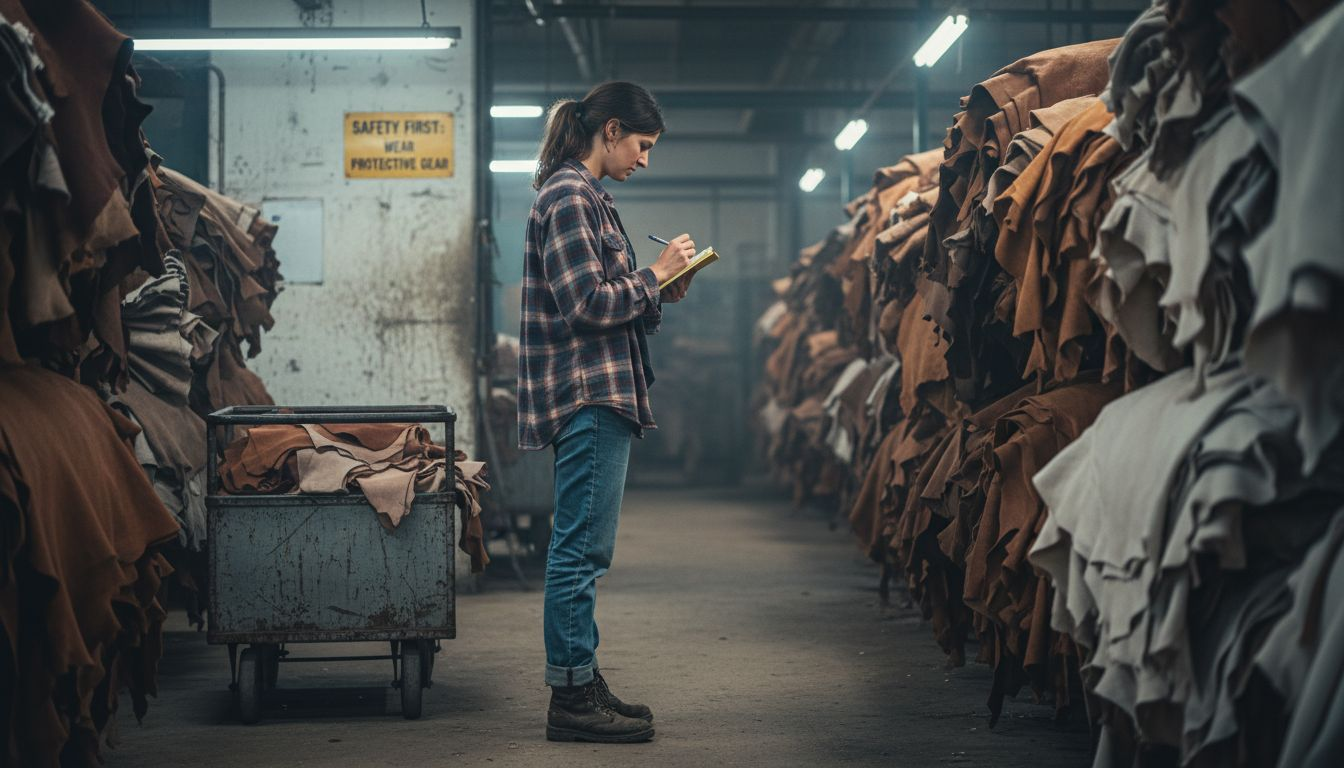
Livestock farming itself carries significant environmental weight. The animals raised for meat—whose hides become leather—contribute to deforestation, land use changes, and methane emissions at the agricultural level. Before any tanning happens, the environmental cost is already substantial.
Common Leather Types and Their Differences
Different leather types offer different durability and environmental profiles. The variation matters more than most shoppers realise.
Full grain leather retains the natural hide surface, making it durable and long-lasting. The catch? Achieving this requires intensive tanning processes that may use significant chemicals and water.
Top grain leather has been corrected for blemishes through sanding and coating. This processing adds environmental cost through additional chemicals whilst potentially reducing longevity compared to full grain.
Split leather comes from lower hide layers and has inferior durability. Because these pieces wear out faster, you’ll replace them more often, multiplying the environmental cost over time.
To better understand the major types of leather and how they differ, review this comparative summary:
| Leather Type | Durability | Typical Use Cases | Environmental Impact Level |
|---|---|---|---|
| Full grain | Very high | Premium bags, footwear | Substantial; intensive process |
| Top grain | Moderate to high | Mid-range accessories | Moderate; added processing |
| Split leather | Low | Budget goods, linings | Higher over time; wears out quickly |
Tanning Methods: The Real Environmental Divider
How leather is tanned determines its actual environmental footprint more than anything else. The two dominant methods create vastly different impacts.
Chrome tanning dominates global production because it’s fast and cheap. It uses chromium salts and creates significant water pollution. Workers in chrome tanneries face serious health hazards. This is the environmental villain of the leather world.
Vegetable tanning uses plant-based tannins from tree bark. It’s slower, more expensive, and generates less toxic waste. The environmental cost is genuinely lower—though still substantial. If you must choose leather, this is the better option.
Other methods exist but remain niche. What matters: different tanning approaches create dramatically different environmental footprints based on chemical use, water consumption, and waste generation.
Vegetable-tanned leather has a lower environmental impact than chrome-tanned alternatives, but the difference becomes irrelevant when you compare leather to truly sustainable materials.
Which Leather Type Is Most Sustainable?
Honestly? None of them qualify as genuinely sustainable. Full grain vegetable-tanned leather is the least harmful option available, but it still requires significant resources.
The real question is whether leather—regardless of type—makes sense when vegan leather alternatives exist. If durability matters to you, full grain vegetable-tanned leather lasts longer than most alternatives. But eco-conscious shoppers increasingly reject leather entirely, favouring materials with genuinely lower environmental costs.
Pro tip: If you encounter leather marketed as “sustainable,” always ask about the tanning method and animal sourcing—most “eco-friendly leather” claims ignore the fundamental environmental cost of livestock production and chemical processing.
Toxic Chemicals, Water Use, and Emissions
Leather production creates three interconnected environmental crises: toxic chemical use, massive water consumption, and significant greenhouse gas emissions. Together, they make leather one of the most resource-intensive and pollutive materials you can buy.
Understand the scale: a single leather tannery can process thousands of animal hides daily, using enormous quantities of water and chemicals. That’s not happening in one location—it’s happening in thousands of facilities worldwide, mostly in countries with minimal environmental oversight.
Chromium: The Chemical That Won’t Go Away
Chromium dominates leather tanning because it works efficiently and costs less than alternatives. The problem? It’s carcinogenic, and it contaminates everything it touches.
When chromium-laden wastewater enters waterways, it doesn’t disappear. It persists in ecosystems, accumulating in fish and plants. Local communities drink contaminated water. Children play near polluted rivers. Workers handling chromium daily face respiratory diseases and cancer.
Chromium salts and other toxic chemicals used in tanning facilities create stormwater runoff that reaches rivers and groundwater. Even when facilities attempt proper waste management, leaks and accidents happen. Unauthorised discharges are common in regions with weak enforcement.
The chemical contamination goes beyond chromium. Tanneries use numerous additives—dyes, mordants, finishing chemicals—that add complexity to an already toxic mix.
Water Consumption: An Insatiable Appetite
Tanneries are thirsty. Incredibly thirsty. Processing hides requires soaking, washing, and rinsing—stages that consume enormous volumes of water.
A single leather facility can use:
- Thousands of litres daily just for hide preparation
- Additional volumes for chemical processing and rinsing
- Water for facility cleaning and cooling systems
In water-stressed regions, this diverts resources from drinking water and agricultural needs. Local communities face shortages whilst tanneries operate. This isn’t hypothetical—it’s happening right now in leather-producing areas across Asia and Africa.
The wastewater discharged contains not just chemicals but also high levels of biochemical oxygen demand (BOD) and suspended solids. These pollutants choke aquatic ecosystems, killing fish and destroying habitats.
Emissions and Climate Impact
People focus on tanning chemicals and water pollution, but emissions matter equally. Leather production generates greenhouse gases at multiple stages.
Livestock farming produces significant methane emissions. Transportation of hides to tanneries adds carbon. Energy-intensive tanning and finishing processes create additional emissions. The cumulative climate impact is substantial.
Leather production combines toxic chemical use, water depletion, and significant emissions—making it one of fashion’s most environmentally destructive materials.
Why This Matters for Your Choices
When you choose non-toxic alternatives to leather handbags, you’re not just avoiding an ethically questionable product. You’re preventing actual environmental damage—polluted water, destroyed ecosystems, and poisoned communities.
Materials exist that require far fewer toxic chemicals, consume significantly less water, and generate lower emissions. The choice between leather and sustainable alternatives isn’t just about personal preference—it’s about preventing real harm.
Pro tip: When evaluating any leather product, ask three questions: Which tanning method was used? Where was it tanned? Can the manufacturer provide evidence of environmental compliance? If they can’t answer clearly, the product likely comes from a facility causing serious environmental damage.
Comparing Leather With Vegan and Cork Alternatives
Leather isn’t your only option—and increasingly, it shouldn’t be. Vegan leather and cork alternatives offer genuinely lower environmental costs. But not all alternatives are created equal, and understanding the trade-offs matters.
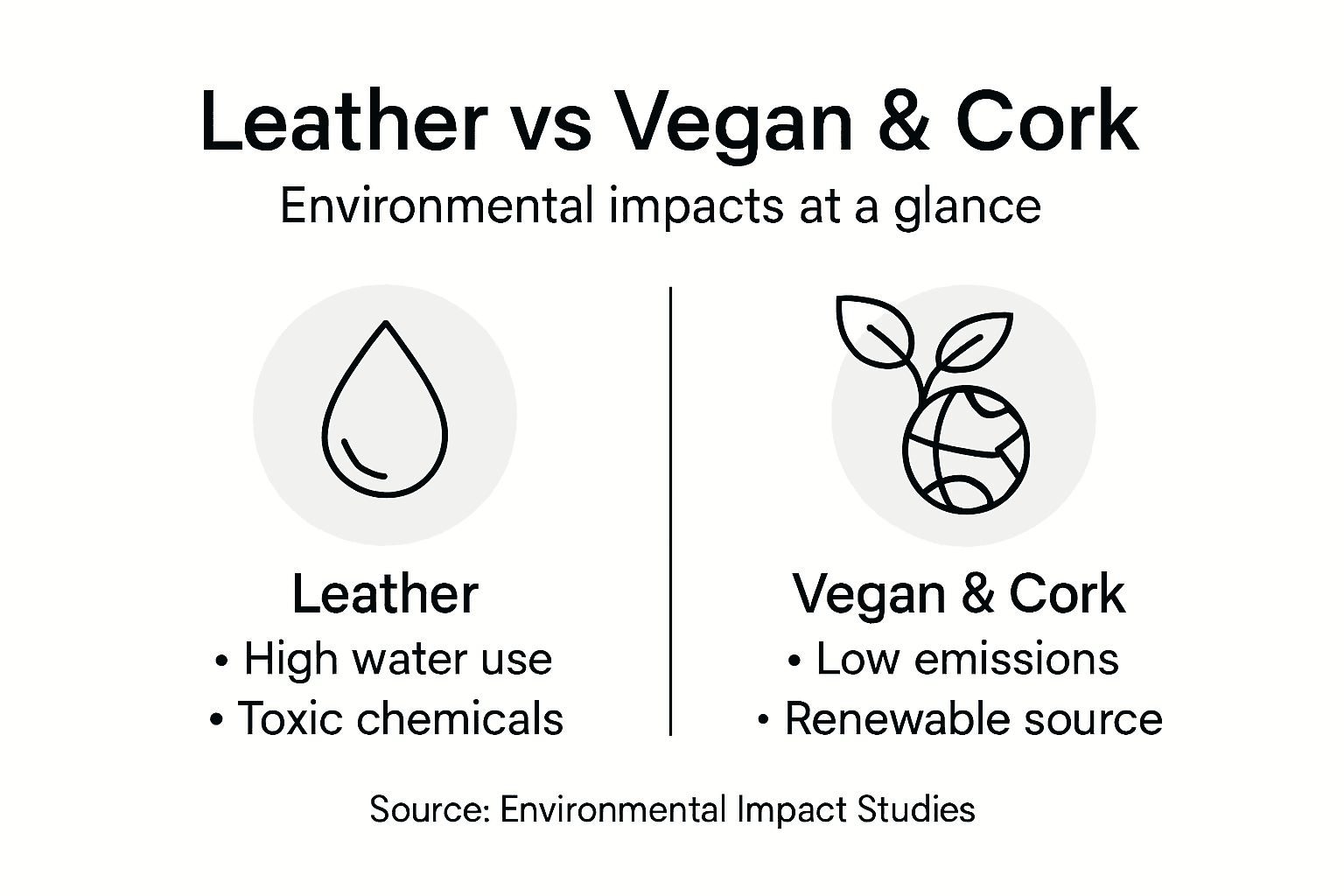
The comparison isn’t complicated: leather requires toxic tanning chemicals, massive water use, and livestock farming emissions. Alternatives eliminate these specific harms. But each alternative has its own profile of strengths and weaknesses.
The Case Against Traditional Leather
You already know the problems. Leather production involves:
- Toxic tanning chemicals (especially chromium) that contaminate water and poison communities
- Massive water consumption that depletes local resources in water-stressed regions
- Livestock farming emissions from methane and transport
- Chemical waste that destroys ecosystems
No amount of “sustainable” or “eco-friendly” marketing changes these facts. The leather industry’s environmental impact is systematic, not incidental.
What Makes Vegan Leather Better
Vegan leather alternatives offer clear advantages: no animal farming, no toxic chromium tanning, significantly reduced water use. Vegan alternatives generally produce lower greenhouse gas emissions compared to conventional leather, whilst also eliminating animal welfare concerns entirely.
The catch? Some vegan leathers rely on synthetic polymers, which creates microplastic concerns during washing and eventual disposal. Not all plant-based leathers are truly sustainable—processing methods matter significantly.
The best vegan options use innovative bio-fabricated materials that combine lower environmental impact with genuine durability.
Why Cork Stands Out
Cork leather represents something different: a naturally renewable, biodegradable material requiring minimal chemical processing. Cork is harvested from tree bark without killing the tree—it regenerates. Manufacturing uses virtually no toxic chemicals.
Compared to both conventional leather and many synthetic vegan leathers, cork offers exceptional environmental credentials. Cork materials deliver lower carbon footprints with minimal chemical use whilst remaining completely renewable and biodegradable. It’s genuinely sustainable, not just less harmful.
Cork also addresses durability concerns that plague some vegan alternatives. A quality cork bag lasts years, which matters for true environmental impact.
Here’s a side-by-side comparison of leather, vegan leather, and cork alternatives:
| Material | Main Environmental Drawback | Typical Durability | Renewability/Biodegradability |
|---|---|---|---|
| Animal leather | Toxic chemicals, high water | High (full grain) | Not renewable; slow to biodegrade |
| Vegan leather | Microplastics (synthetics) | Variable | Some plant-based options renewable |
| Cork leather | Limited large-scale supply | High | Highly renewable and biodegradable |
The Durability Question
Here’s what matters most: a product that falls apart in months creates more waste than one lasting years. Vegan alternatives vary wildly in durability. Some synthetic options offer excellent longevity. Others degrade quickly.
Cork maintains durability whilst offering the lowest environmental footprint. When evaluating alternatives, always ask about expected lifespan.
Cork and other renewable plant-based materials offer environmental advantages over both conventional leather and most synthetic vegan alternatives, particularly when durability is considered.
Making Your Decision
Choosing between leather, vegan leather, and cork depends on what matters most to you. If environmental impact dominates your decision, cork sustainability advantages become immediately clear. If durability concerns you, evaluate specific products rather than assuming any category is automatically superior.
The key insight: viable alternatives exist that don’t require choosing between ethics and functionality. You can buy stylish, durable accessories without supporting an industry that poisons communities and destroys ecosystems.
Pro tip: When evaluating a vegan or cork alternative, check manufacturing location, ask about chemical use in processing, and verify expected product lifespan—these factors determine whether you’re genuinely making a more sustainable choice.
Choose Stylish Cork Alternatives That Protect Our Planet
The environmental impact of leather revealed in this article highlights the urgent need to rethink our fashion choices. With concerns about toxic chemicals, excessive water use, and greenhouse gas emissions, eco shoppers face a clear challenge: find accessories that reflect their values without compromising style or durability. Cork offers a remarkable solution as a natural, renewable material that avoids the harmful tanning processes discussed. By choosing cork, you support cruelty-free products that protect water sources and reduce pollution.
Explore our collection of Elegant Women’s Cork Handbags | Sustainable & Vegan Bags – The Cork Store for eco-conscious fashion that combines beauty and responsibility. Find your perfect vegan accessory today at The Cork Store and take a meaningful step toward a cleaner, healthier planet.
Frequently Asked Questions
What is the environmental impact of leather production?
Leather production has a significant environmental impact due to toxic chemical use, massive water consumption, and greenhouse gas emissions. Tanneries use chemicals like chromium, which contaminate water sources, and the livestock farming associated with leather contributes to deforestation and methane emissions.
How does the tanning method affect leather’s environmental footprint?
The tanning method is crucial in determining leather’s environmental footprint. Chrome tanning, while fast and inexpensive, results in significant water pollution and health hazards. In contrast, vegetable tanning is slower and uses plant-based tannins, causing less toxic waste and a lower environmental impact.
Are there sustainable alternatives to traditional leather?
Yes, there are sustainable alternatives to traditional leather, including vegan leathers and cork. Vegan leathers avoid toxic tanning chemicals, while cork is a renewable and biodegradable material with minimal chemical processing, making it a more eco-friendly option.
How can I make eco-conscious choices when purchasing leather products?
To make eco-conscious choices, ask about the tanning method used, the animal source, and whether the manufacturer can prove environmental compliance. Opt for vegetable-tanned leather when possible and consider alternatives like cork or high-quality vegan leathers for a lower environmental impact.
Recommended
- Cork vs Traditional Leather: Impact on Eco Fashion – The Cork Store
- Understanding Vegan Leather Alternatives for Eco-Friendly Fashion – The Cork Store
- Cork and Leather Compared – Choosing Eco-Friendly Style – The Cork Store
- Vegan Leather Advantages: Style, Sustainability, Ethics – The Cork Store
- Nachhaltigkeit bei Outdoor-Möbeln – Worauf es ankommt - AFUERA – outdoor steel design