
The role of eco materials in sustainable cork accessories
Traditional leather might seem timeless, but its environmental toll is staggering. The production of cow leather generates significantly higher CO2 emissions and consumes vast amounts of water compared to plant-based alternatives. Cork leather emerges as a compelling solution, offering the aesthetic appeal and durability you expect from premium accessories whilst remaining completely cruelty-free and renewable. This guide explores how eco materials, particularly cork, are reshaping sustainable fashion by delivering stylish accessories that align with your environmental values without compromising on quality or design.
Table of Contents
- Understanding Eco Materials: What Makes Cork Sustainable?
- Comparing Cork To Traditional And Synthetic Leathers: Environmental Impacts
- Social And Ecological Role Of Cork Production
- Why Choose Cork Accessories? Functional Benefits And Market Trends In 2026
- Explore Stylish, Sustainable Cork Accessories At The Cork Store
- Frequently Asked Questions About Eco Materials And Cork Accessories
Key takeaways
| Point | Details |
|---|---|
| Cork leather is renewable | Harvested from bark without harming trees, allowing continuous regrowth and carbon capture |
| Lower environmental impact | Cork production uses minimal water and chemicals compared to traditional leather processing |
| Biodiversity support | Cork oak forests provide critical habitats whilst supporting artisan communities economically |
| Functional benefits | Water-resistant, lightweight, hypoallergenic properties make cork ideal for everyday accessories |
| Growing market demand | Bio-based leather sector expanding at 12.1% annually as consumers prioritise sustainability |
Understanding eco materials: what makes cork sustainable?
Eco materials represent a fundamental shift in how we approach fashion and accessories. These materials reduce environmental harm through renewable sourcing, minimal processing, and biodegradable properties. Cork stands out as an exemplary eco material because harvesting involves sustainable bark removal that leaves trees intact and thriving.
The harvesting process begins when cork oak trees reach 25 years of age. Skilled artisans carefully strip the outer bark every nine years, allowing the tree to regenerate naturally. This cycle continues for up to 200 years per tree, creating a genuinely renewable resource. The process requires no machinery that damages root systems, and trees actually increase their carbon absorption capacity after each harvest.
Cork’s inherent properties make it exceptional for fashion applications:
- Naturally vegan and biodegradable with zero animal products
- Requires minimal water during processing compared to leather tanning
- Processed without toxic chromium or formaldehyde chemicals
- Renewable harvest cycle supports forest ecosystems
- Naturally antimicrobial and hypoallergenic
Cork oak forests function as carbon sinks, absorbing CO2 from the atmosphere. These forests support rich biodiversity, providing habitats for endangered species like the Iberian lynx. The cork fabric production process maintains these ecological benefits whilst creating durable material for accessories.
Pro Tip: Authentic cork fabric has a distinctive natural grain pattern and slightly spongy texture. Check for irregular cell patterns visible on the surface, which synthetic imitations cannot replicate convincingly. Learn more about identifying genuine materials through our what is cork fabric guide.
Comparing cork to traditional and synthetic leathers: environmental impacts
Traditional leather production carries substantial environmental costs. The tanning process consumes approximately 15,000 litres of water per hide and releases chromium compounds into waterways. Animal agriculture for leather contributes to deforestation, methane emissions, and habitat destruction. The CO2 emissions from leather production far exceed those of plant-based alternatives.
Cork leather offers dramatic improvements across environmental metrics. Trees continue growing and absorbing carbon throughout their lifespan, and the bark processing requires no chemical tanning. Water usage remains minimal because cork naturally resists moisture and decay. The environmental impact comparison demonstrates cork’s superior performance in sustainability measures.
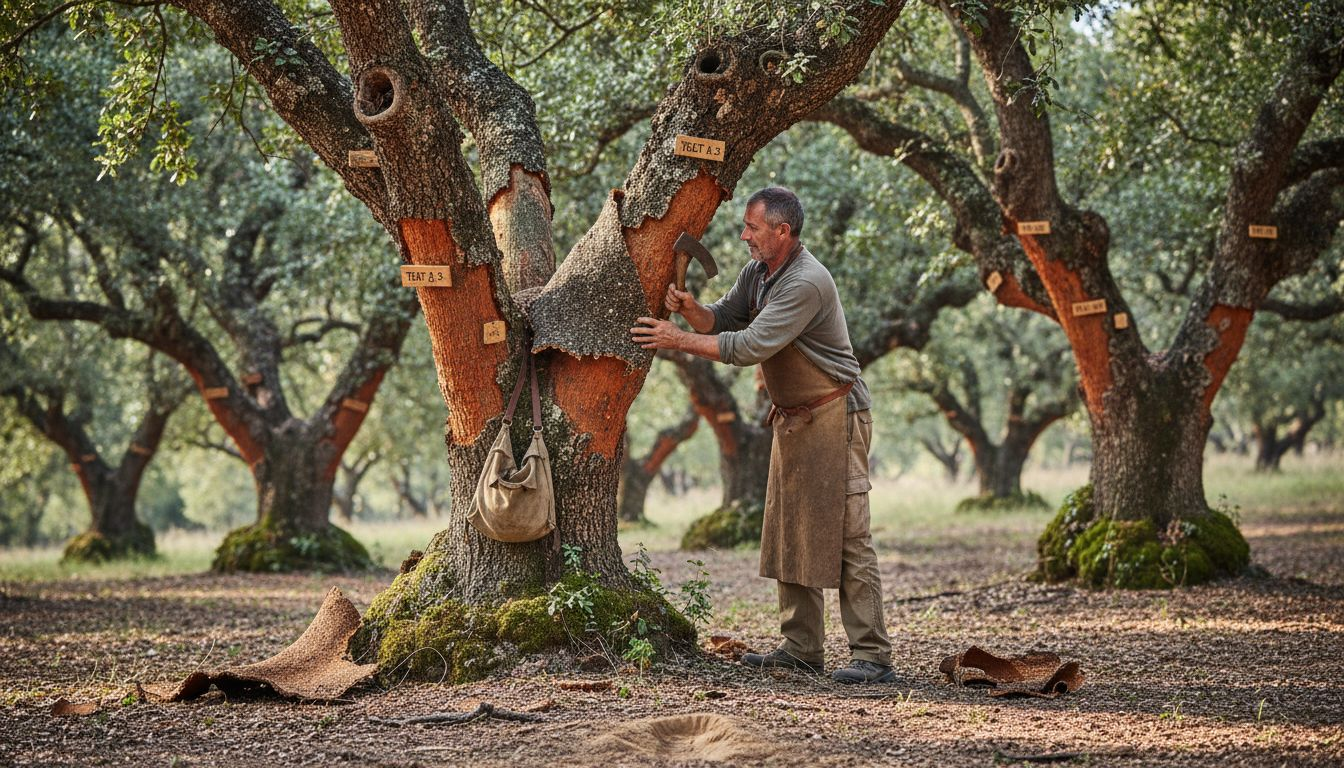
Synthetic alternatives present their own challenges. PVC and polyurethane leathers derive from petroleum, contributing to fossil fuel dependence. These materials release microplastics during use and resist biodegradation in landfills. Manufacturing processes often involve phthalates and other harmful plasticisers. Whilst marketed as vegan, many synthetic alternatives harm the environment through pollution and non-renewable resource extraction.
| Material | CO2 Impact | Water Use | Chemical Processing | Biodegradable |
|---|---|---|---|---|
| Cork leather | Very low | Minimal | None required | Yes |
| Cow leather | Very high | 15,000L per hide | Chromium tanning | No |
| PVC synthetic | High | Moderate | Toxic plasticisers | No |
| PU synthetic | Moderate | Moderate | Petroleum-based | Partial |
Pro Tip: Look beyond vague ‘vegan leather’ labels when shopping. Request information about base materials and production methods. Genuine cork products will specify Portuguese or Spanish cork oak origins and chemical-free processing. Explore our detailed cork vs traditional leather comparison to understand the full picture of environmental impact differences.
Social and ecological role of cork production
Cork oak forests represent biodiversity hotspots in Mediterranean regions. These ecosystems support over 200 animal species and 135 plant varieties found nowhere else on Earth. The open canopy structure created by cork oaks allows diverse understory vegetation to flourish, providing food and shelter for wildlife. Cork harvesting supports artisan communities whilst preserving these critical habitats.
Sustainable harvesting cycles actually enhance forest health. Trees respond to bark removal by accelerating growth and increasing photosynthesis. Research shows cork oaks absorb five times more carbon after harvesting compared to unharvested trees. This creates a positive environmental feedback loop where human activity strengthens ecosystem function.
Portugal and Spain dominate cork production, with centuries-old harvesting traditions passed through generations. These industries provide stable employment in rural areas where alternative opportunities remain limited. Skilled harvesters earn premium wages for their expertise, and the seasonal nature of work aligns with agricultural traditions.
Key ecological and social benefits of cork production:
- Prevents desertification by maintaining forest cover in drought-prone Mediterranean regions
- Protects endangered species habitats including imperial eagles and Barbary deer
- Provides ethical employment for approximately 100,000 workers across Iberian Peninsula
- Preserves traditional knowledge and cultural heritage tied to forest management
- Supports rural economies through sustainable resource management
- Reduces wildfire risk through regular forest maintenance and monitoring
- Creates economic incentive to protect forests rather than convert land to agriculture
The cork industry demonstrates how commercial activity can align with conservation goals. Landowners maintain forests because they generate ongoing revenue, preventing conversion to intensive farming. This economic model protects millions of hectares whilst supporting communities. Understanding how cork production supports forests reveals the interconnected benefits of choosing sustainable materials.
Why choose cork accessories? functional benefits and market trends in 2026
Cork delivers exceptional performance characteristics that make it ideal for fashion accessories. The material is lightweight, durable, and water-resistant whilst offering natural thermal insulation. Cellular structure provides cushioning and flexibility without adding bulk. These properties translate to accessories that withstand daily use whilst remaining comfortable and practical.
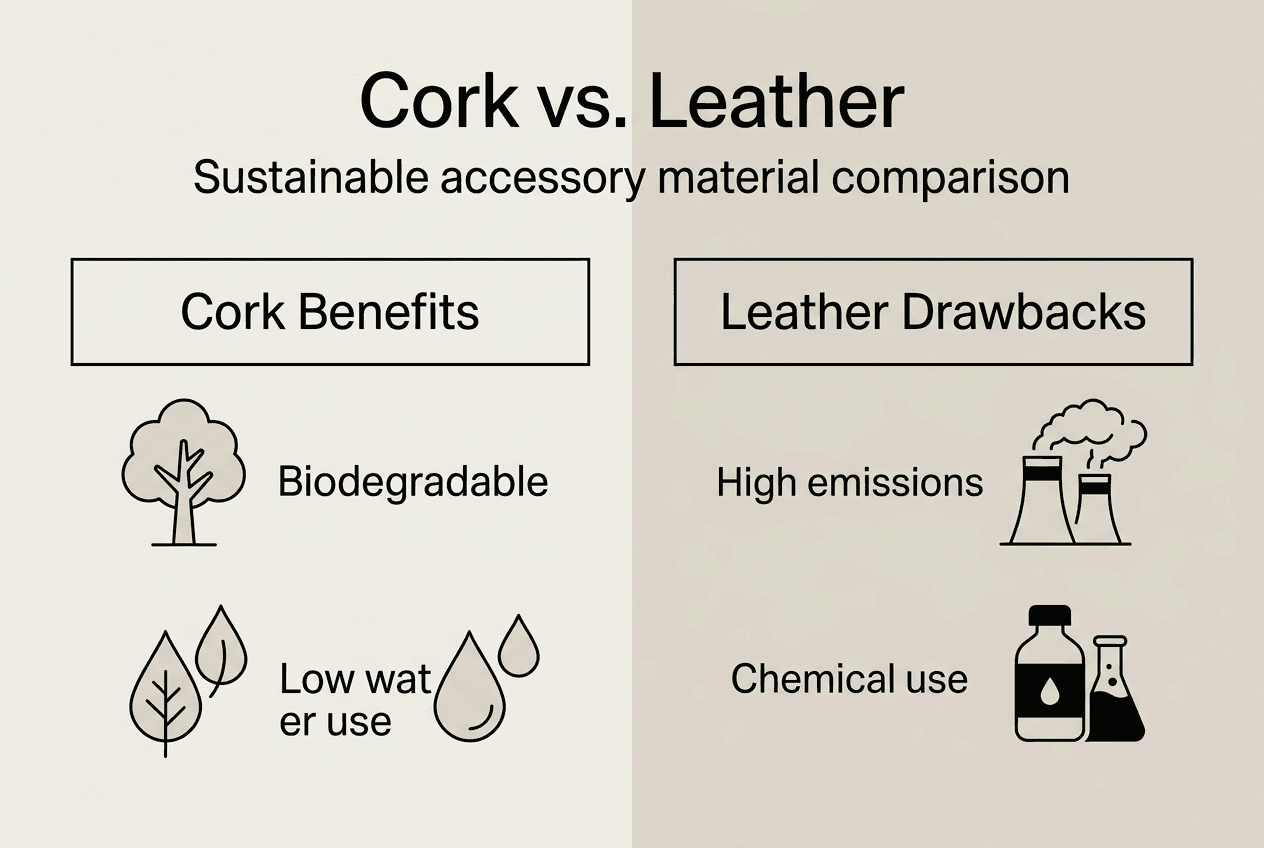
The global bio-based leather market reflects growing consumer demand for sustainable alternatives. Industry analysis projects 12.1% annual growth through 2033, driven by environmental awareness and regulatory pressure on traditional leather. This expansion creates opportunities for innovative materials like cork to gain mainstream acceptance.
| Market Metric | 2026 Value | 2033 Projection | Growth Rate |
|---|---|---|---|
| Global bio-based leather market | £890 million | £2.1 billion | 12.1% CAGR |
| Cork fabric segment share | 18% | 24% | Accelerating |
| Consumer preference for vegan alternatives | 34% | 52% | Rising awareness |
Cork accessories appeal to eco-conscious consumers seeking style without compromise:
- Sustainability credentials verified through transparent sourcing and production
- Durability matching or exceeding traditional leather in longevity tests
- Distinctive natural aesthetic that improves with age and develops character
- Comfortable texture that remains soft whilst resisting wear and tear
- Maintenance simplicity requiring only occasional wiping with damp cloth
The biodegradable nature and recyclability of cork surpass synthetic alternatives. When accessories reach end of life, cork decomposes naturally without releasing toxins. This complete lifecycle sustainability addresses concerns about fashion waste and circular economy principles.
Consumer research in 2026 shows 67% of accessory buyers consider environmental impact when making purchasing decisions. Cork meets this demand whilst offering premium quality and contemporary design. The material’s versatility allows designers to create everything from structured handbags to flexible wallets, proving sustainability need not limit creativity. Discover more about cork vs leather in sustainable fashion and explore 10 reasons cork accessories excel.
Explore stylish, sustainable cork accessories at The Cork Store
Your journey towards sustainable fashion starts with informed choices. The Cork Store specialises in premium cork accessories that combine environmental responsibility with contemporary style. Every product reflects the material benefits explored throughout this guide, from water resistance to cruelty-free origins.
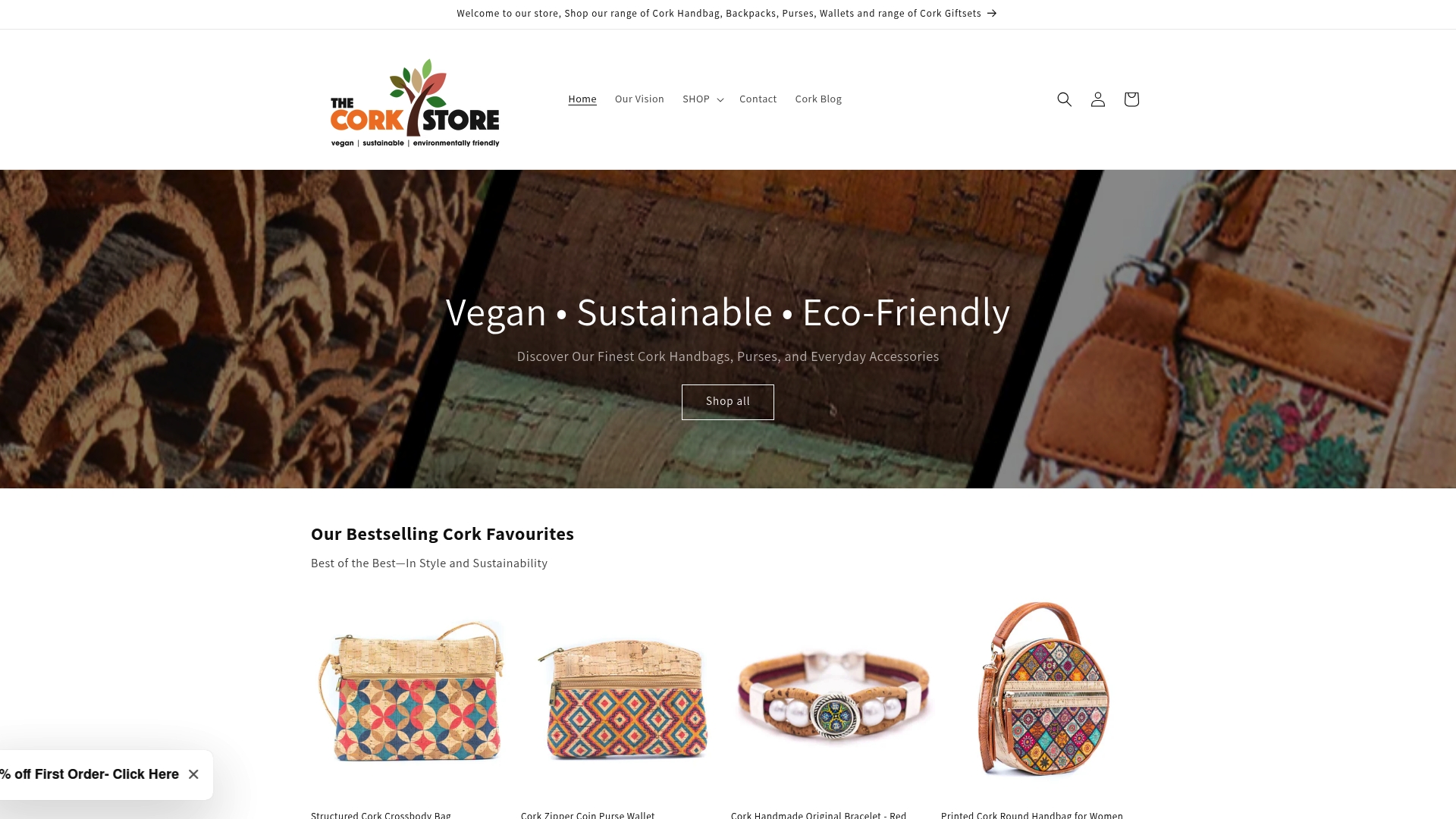
Our curated collection includes handbags, wallets, backpacks, and purses crafted from Portuguese cork fabric. Each piece demonstrates how sustainability enhances rather than compromises design. You’ll find accessories that suit professional settings, casual outings, and everything between. Free UK delivery makes exploring our range convenient and accessible.
Shopping cork means supporting forest conservation, artisan communities, and your personal values. The lightweight durability ensures your investment lasts for years whilst maintaining its distinctive appearance. Browse our selection to find accessories that reflect your commitment to ethical fashion. Visit The Cork Store to discover how cork transforms sustainable materials into everyday luxury, or review our cork vs traditional leather comparison for additional insights.
Frequently asked questions about eco materials and cork accessories
What makes cork leather more sustainable than traditional leather?
Cork leather requires no animal farming, eliminating methane emissions and land conversion associated with cattle raising. The harvesting process leaves trees alive and growing, whilst traditional leather tanning consumes thousands of litres of water and toxic chemicals. Cork processing uses minimal resources and the material biodegrades naturally at end of life.
Is cork fabric durable enough for everyday accessories?
Cork fabric demonstrates exceptional durability through tensile strength and abrasion resistance comparable to traditional leather. The cellular structure provides natural flexibility that prevents cracking or tearing under stress. Properly maintained cork accessories typically last 5 to 10 years with daily use, often outlasting synthetic alternatives.
How can I be sure the cork accessories I buy are genuine and ethical?
Authentic cork displays natural grain variations and cellular patterns impossible to replicate synthetically. Reputable sellers provide sourcing information specifying Portuguese or Spanish origins and artisan production methods. Look for certifications or transparency about forest management practices. Our guide on how to tell real cork leather offers detailed identification tips.
Are cork products water-resistant and easy to maintain?
Cork naturally repels water due to suberin content in its cellular walls, making accessories inherently moisture-resistant. Light rain and spills bead on the surface rather than absorbing. Maintenance involves occasional wiping with a damp cloth and air drying. Avoid prolonged submersion, but normal exposure to weather poses no damage risk.
Can cork accessories be recycled or composted after use?
Cork is completely biodegradable and breaks down naturally in compost environments within months. Many municipalities accept cork in organic waste streams. Alternatively, cork can be ground and recycled into new products like flooring underlay or insulation. This end-of-life flexibility surpasses both traditional leather and plastic-based synthetics.