

Why Choose Sustainable Accessories for Ethical Style
Finding the perfect accessory means more than just following trends for today’s mindful shoppers. As an eco-conscious millennial or Gen Z consumer, you know that every bag, belt, or bracelet you choose makes a statement about your values. With sustainable fashion accessories now blending ethical practices and bold style, you have more ways than ever to express yourself while reducing your environmental impact and supporting cruelty-free fashion.
Table of Contents
- What Counts As Sustainable Accessories Today
- Eco-Friendly Materials: Cork’s Unique Advantages
- Style And Functionality Without Compromise
- Environmental And Ethical Impact Explained
- Comparisons: Cork Versus Traditional Leather
- Consumer Choices: Avoiding Common Pitfalls
Key Takeaways
| Point | Details |
|---|---|
| Sustainable Accessories Characterisation | Sustainable accessories prioritise eco-friendly materials, ethical production, and a focus on durability, ensuring minimal environmental impact. |
| Cork vs. Traditional Materials | Cork offers a renewable, biodegradable alternative to leather, with lower ecological and ethical concerns. |
| Consumer Vigilance Required | Shoppers must critically assess sustainability claims to avoid greenwashing and ensure genuine environmentally-conscious choices. |
| Evaluating Sustainability | Key evaluation criteria include material origin, production ethics, recycling potential, and carbon footprint, guiding responsible consumption. |
What Counts As Sustainable Accessories Today
Sustainable fashion accessories represent far more than a passing trend. They embody a comprehensive commitment to environmental responsibility and ethical production practices. Contemporary sustainable accessories are defined by their minimal ecological footprint and profound respect for both human and planetary wellbeing. Innovative material selection plays a critical role in transforming traditional accessory manufacturing.
Today’s sustainable accessories encompass several key characteristics that distinguish them from conventional products. These include eco-friendly materials like organic cotton, recycled polymers, and innovative alternatives such as cork and Piñatex. Ethical production processes ensure fair wages, safe working conditions, and transparent supply chains. Designers increasingly prioritise durability, waste reduction, and circular economy principles - creating accessories that are not just beautiful, but purposeful and environmentally conscious.
The scope of sustainable accessories has expanded dramatically, now including diverse items like jewellery, handbags, belts, scarves, and sunglasses. Each piece is carefully evaluated through multiple sustainability lenses: material origin, manufacturing conditions, potential for recycling, and long-term environmental impact. Circular economy principles guide designers towards creating products that can be reused, repurposed, or responsibly recycled at the end of their lifecycle.
Pro tip: When selecting sustainable accessories, always ask about the material’s origin, production process, and potential end-of-life recycling options to make truly informed purchasing decisions.
Eco-Friendly Materials: Cork’s Unique Advantages
Cork represents a revolutionary sustainable material that goes far beyond traditional textile and accessory manufacturing. Sustainably harvested from cork oak trees, this remarkable material offers an extraordinary combination of environmental responsibility and exceptional performance characteristics. Its unique cellular structure provides remarkable properties that make it an ideal choice for eco-conscious consumers seeking stylish and responsible accessories.
The environmental benefits of cork are profound and multifaceted. Unlike many materials that require complete tree destruction during harvesting, cork bark can be carefully removed without harming the tree, allowing it to continue growing and absorbing carbon dioxide. The material’s natural properties include exceptional thermal insulation, remarkable lightweight characteristics, and impressive durability. Cork’s innovative applications in sustainable design demonstrate its versatility across multiple industries, from fashion accessories to architectural elements.
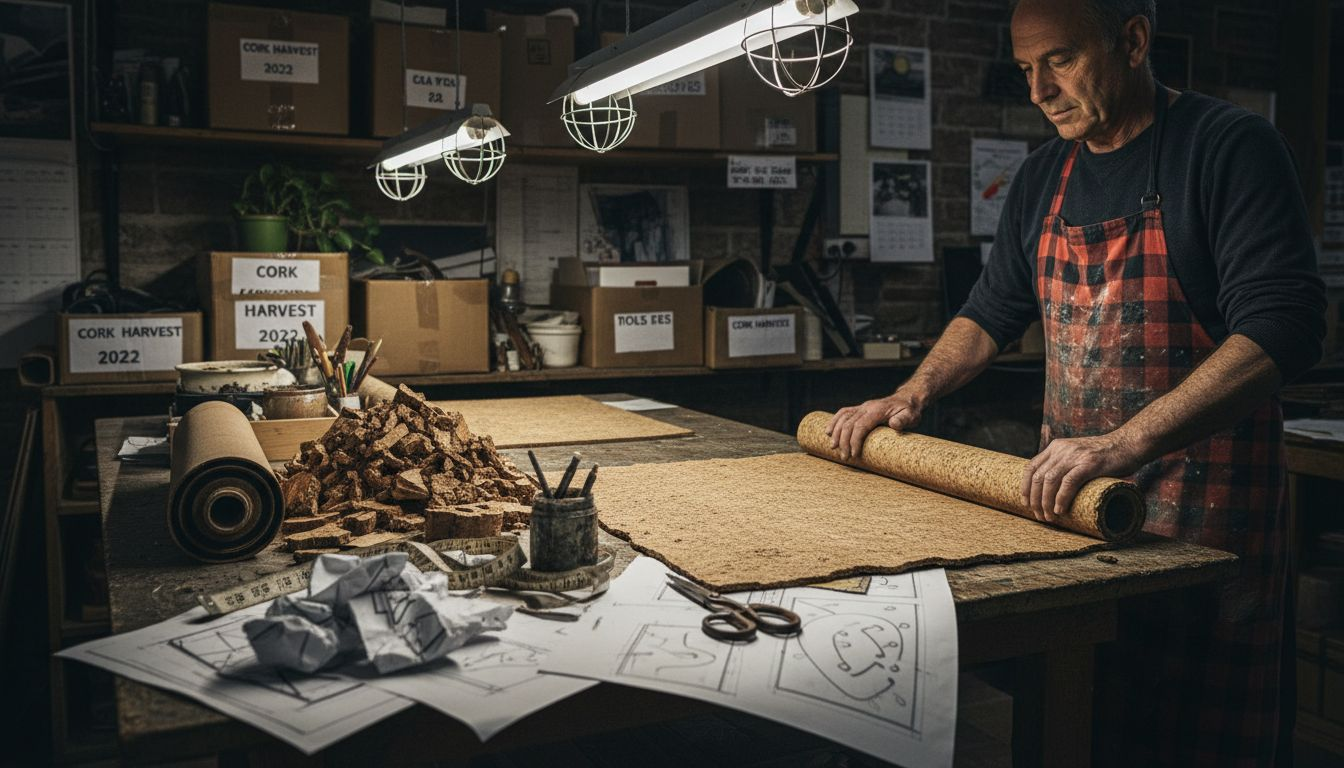
Key advantages of cork as an eco-friendly material include its biodegradability, renewable nature, and minimal environmental impact. The material’s unique molecular structure makes it water-resistant, lightweight, and incredibly resilient. Cork accessories not only look sophisticated but also contribute to broader ecological conservation efforts. By choosing cork, consumers actively support sustainable forestry practices, combat desertification, and promote biodiversity in cork oak forest ecosystems.
Pro tip: When selecting cork accessories, examine the material’s texture, check for certifications indicating sustainable harvesting, and consider the product’s entire lifecycle to ensure you’re making a genuinely eco-conscious choice.
Style And Functionality Without Compromise
Sustainable fashion accessories have shattered the outdated myth that ethical choices compromise style or performance. Consumer behaviour research demonstrates that modern consumers demand products which seamlessly integrate aesthetic appeal, functionality, and environmental responsibility. Today’s conscious accessory design proves that sustainability is not a constraint but an opportunity for innovative, intelligent product development.
The contemporary approach to sustainable accessories focuses on creating items that are simultaneously beautiful, practical, and environmentally considerate. Circular design principles enable designers to craft accessories that fulfil multiple consumer needs without sacrificing ecological integrity. This means developing products that are durable, versatile, and visually compelling while maintaining minimal environmental impact. Innovative materials like cork, recycled polymers, and plant-based textiles now offer remarkable performance characteristics that rival or exceed traditional manufacturing methods.
Key to this evolution is understanding that functionality extends beyond immediate utility. Sustainable accessories now incorporate advanced design thinking that considers lifecycle, repairability, and eventual recycling. By prioritising high-quality materials and thoughtful construction, these products offer superior longevity, reduced waste, and a more intelligent approach to consumption. Consumers are increasingly recognising that true style transcends fleeting trends, embracing accessories that tell a meaningful story of environmental stewardship and personal values.
Pro tip: When evaluating sustainable accessories, assess not just appearance but also material durability, versatility of design, and potential for long-term use or eventual responsible recycling.
Environmental And Ethical Impact Explained
The fashion accessory industry represents a critical intersection of environmental sustainability and social responsibility. Consumer behaviour research reveals the profound interconnections between purchasing decisions, industrial practices, and global ecological outcomes. Understanding these complex relationships is essential for consumers seeking to make meaningful ethical choices that extend beyond simple product selection.
Circular economy principles fundamentally transform how we perceive fashion accessories, shifting from traditional linear consumption models to more holistic approaches. Ethical production practices now encompass comprehensive considerations including material sourcing, manufacturing conditions, worker welfare, and eventual product lifecycle. This approach recognises that true sustainability involves protecting both environmental ecosystems and human communities throughout the production process.
The environmental impact of fashion accessories extends far beyond immediate material consumption. Each purchasing decision contributes to broader systemic changes, influencing manufacturing practices, labour standards, and resource utilisation. By choosing sustainably produced accessories, consumers actively participate in reducing waste, minimising carbon emissions, and supporting fair economic practices. The cumulative effect of these individual choices can drive significant industry-wide transformation, demonstrating that personal consumer decisions have meaningful global implications.
Pro tip: Research the complete production journey of your accessories, examining not just the final product but the entire chain of environmental and social impacts from raw material extraction to manufacturing and distribution.
Comparisons: Cork Versus Traditional Leather
The comparison between cork and traditional leather reveals a stark contrast in environmental sustainability and ethical production. Comparative life cycle assessments demonstrate cork’s remarkable advantages in reducing ecological impact, challenging long-standing perceptions about material performance. Unlike traditional leather, which involves extensive environmental and ethical complications, cork offers a regenerative and responsible alternative that meets contemporary sustainability standards.
Traditional leather production carries significant environmental burdens. Leather industry research highlights substantial challenges including chemical pollution from tanning processes, extensive water consumption, and complex waste management issues. Cork, by contrast, represents a renewable material harvested without harming trees, with minimal processing requirements and exceptional biodegradability. The cellular structure of cork provides unique properties – lightweight, water-resistant, and incredibly durable – that directly compete with leather’s traditional performance characteristics.
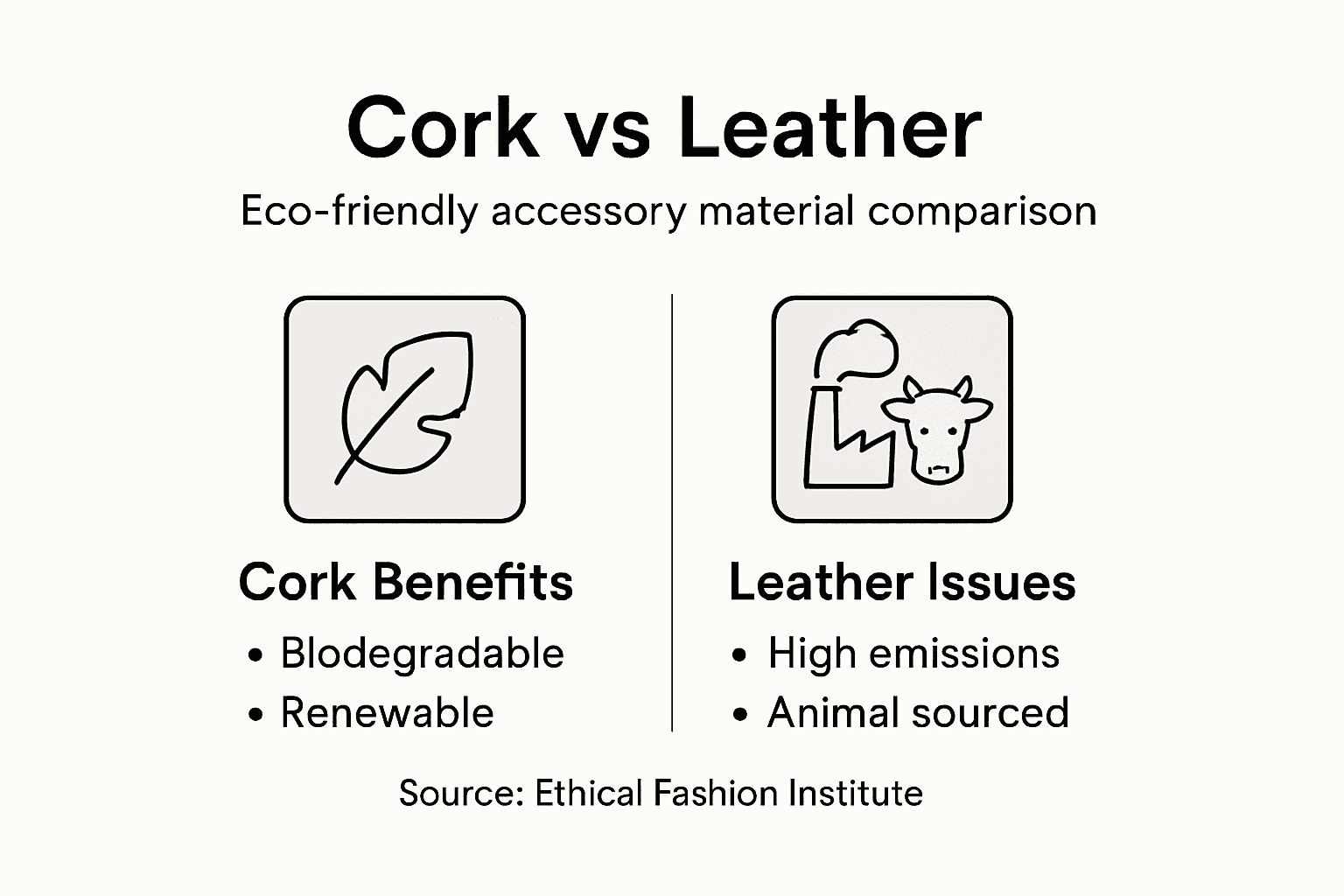
Beyond environmental metrics, the ethical dimensions of material selection become increasingly crucial. Traditional leather production often involves complex global supply chains with questionable labour practices, whereas cork-based accessories typically emerge from more transparent, community-supported production models. The material’s ability to be recycled, its low carbon footprint, and its support of Mediterranean cork oak forest ecosystems further distinguish it as a superior ethical choice. Consumers now recognise that material selection is not merely about aesthetic appeal, but about supporting broader systemic change in global manufacturing practices.
Pro tip: When comparing materials, look beyond surface appearance and examine the complete environmental and social footprint of your accessories, considering factors like resource extraction, manufacturing conditions, and end-of-life recyclability.
For a clearer understanding of how cork stands apart from other common accessory materials, see the comparison below:
| Aspect | Cork | Traditional Leather | Synthetic Polymers |
|---|---|---|---|
| Renewal Method | Bark harvested, regrows | Animal hides, one-time use | Derived from petroleum |
| Environmental Impact | Low, supports biodiversity | High, pollution/waste | High, microplastics |
| Durability & Weight | Durable, lightweight | Durable, heavier | Varies, often lightweight |
| Water Resistance | Naturally water-resistant | Requires chemical treatment | Usually water-resistant |
| Ethical Production | Community-centred, fair | Often unclear supply chains | Issues with labour rights |
| End-of-Life Options | Biodegradable, recyclable | Challenging to recycle | Rarely recycled |
Consumer Choices: Avoiding Common Pitfalls
Sustainable fashion demands more than good intentions. Consumer product research reveals that well-meaning shoppers often fall prey to sophisticated marketing tactics and greenwashing strategies that obscure genuine sustainability. Understanding the landscape of ethical consumption requires developing critical skills to distinguish authentic eco-friendly practices from superficial environmental claims.
Navigating the complex world of sustainable accessories requires recognising several key warning signs. Greenwashing, the practice of making misleading environmental claims, remains a significant challenge for conscientious consumers. Marketing strategies demonstrate that transparency and direct consumer engagement are crucial in building trust. Consumers should look beyond glossy marketing materials and seek tangible evidence of sustainability, such as detailed information about material sourcing, manufacturing processes, and verifiable environmental certifications.
Effective sustainable accessory selection involves developing a nuanced understanding of material lifecycles, production ethics, and genuine environmental impact. This means going beyond surface-level eco-friendly claims and investigating the complete journey of a product. Key considerations include understanding the material’s origin, assessing the manufacturer’s labour practices, evaluating the potential for recycling or biodegradation, and examining the actual carbon footprint associated with production and transportation. Truly sustainable choices require active research, critical thinking, and a willingness to challenge marketing narratives.
Pro tip: Always request detailed sustainability documentation from brands, cross-reference environmental claims with independent certifications, and prioritise manufacturers who provide comprehensive, transparent information about their production processes.
Below is a summary of the key criteria to evaluate when selecting genuinely sustainable fashion accessories:
| Evaluation Criterion | Why It Matters | What To Look For |
|---|---|---|
| Material Origin | Influences resource impact | Certified sustainable sources |
| Production Ethics | Ensures fair treatment and safety | Transparent labour documentation |
| Lifecycle & Durability | Reduces waste and replacement rate | Repairability and long lifespan |
| Recycling Potential | Minimises end-of-life pollution | Clear recycling instructions |
| Carbon Footprint | Affects overall sustainability | Locally sourced, low emissions |
Discover Ethical Style with Sustainable Cork Accessories
The challenge of choosing sustainable accessories that truly blend style, functionality and environmental responsibility can feel overwhelming. Many struggle with greenwashing claims and unclear material origins. If you value durability, cruelty-free materials and want to support ethical production practices as highlighted in the article, exploring high-quality cork accessories offers a remarkable solution. Cork naturally combines eco-conscious benefits like renewability and biodegradability with sophisticated style and practical use.
Ready to make a conscious fashion statement without compromising on style or ethics? Visit The Cork Store today for a curated collection of vegan cork handbags, wallets and backpacks designed for the environmentally aware shopper. Learn more about cork’s unique environmental advantages and find your perfect, durable accessory by exploring our informative sustainable fashion blog. Take your first step towards thoughtful, responsible fashion choices and enjoy effortless shopping in a trusted, transparent environment.
Frequently Asked Questions
What materials are commonly used in sustainable accessories?
Sustainable accessories often utilise eco-friendly materials such as organic cotton, recycled polymers, cork, and Piñatex, all of which have a minimal ecological footprint.
How do sustainable accessories impact the environment compared to traditional options?
Sustainable accessories generally have a lower environmental impact due to responsible material sourcing, ethical production processes, and a focus on durability and recyclability, unlike traditional options which can involve harmful manufacturing practices and high resource consumption.
What are the key benefits of choosing cork over traditional leather for accessories?
Cork is a renewable material that supports biodiversity, is biodegradable, and requires less processing than traditional leather, which often involves significant environmental pollution and ethical concerns related to animal welfare.
How can I ensure a sustainable accessory is truly eco-friendly?
To determine if an accessory is genuinely sustainable, research its material origin, production ethics, lifecycle durability, recycling potential, and the carbon footprint associated with its manufacturing and transport.
Recommended
- Sustainable Accessories: Style That Respects Nature – The Cork Store
- What Makes Accessories Sustainable: Key Principles – The Cork Store
- How to Identify Eco-Friendly Accessories Easily – The Cork Store
- Understanding Why Choose Sustainable Bags for a Greener Future – The Cork Store
- Nachhaltiges Reisen – Umweltbewusst reisen mit Helmchen & Reichert Reiseexperten.de
- 7 Essentiële Vegan Huidverzorging Trends voor 2025 - Roots Health Store