

What Makes Accessories Sustainable: Key Principles
Most british designers now recognise that choosing sustainable accessories goes far beyond picking organic materials. With fashion production accounting for a staggering ten percent of global carbon emissions, eco-conscious shoppers are demanding more transparency and ethical standards. If you want to differentiate real environmental responsibility from stylised marketing claims, this guide uncovers how modern accessories combine style, durability, and genuine social impact.
Table of Contents
- Defining Sustainable Accessories And Misconceptions
- Eco-Friendly Materials And Vegan Alternatives
- Cork’s Role In Sustainable Fashion
- Ethical Production And Fair Labour Standards
- Durability, Functionality, And Environmental Impact
Key Takeaways
| Point | Details |
|---|---|
| Comprehensive Understanding of Sustainability | Sustainable accessories encompass environmental, social, and ethical dimensions that extend beyond material choices. Consumers should seek holistic approaches rather than superficial claims. |
| Importance of Ethical Production | Sustainable fashion requires fair labour practices and transparency in supply chains to ensure worker welfare and dignity. Brands must showcase their commitments through accountability. |
| Durability and Functionality | Accessories should be designed for longevity and minimal environmental impact, promoting emotional attachment and reducing waste. Assessing lifecycle impacts is crucial. |
| Innovative Materials | The rise of eco-friendly materials like vegan leather and cork highlights the potential for aesthetic and functional design that aligns with environmental stewardship. Researching material origins ensures genuine sustainability. |
Defining Sustainable Accessories and Misconceptions
Sustainable accessories represent a nuanced approach to fashion that extends far beyond simple material choices. At its core, sustainability encompasses complex environmental, social, and ethical considerations that challenge traditional manufacturing paradigms. Fashion researchers have long grappled with definitional challenges in sustainable design, recognising that no single universal framework captures the entire complexity of this emerging field.
The landscape of sustainable accessories involves multiple interconnected dimensions. Environmental factors include material sourcing, production processes, carbon footprint, and potential for recycling or biodegradation. Social dimensions examine labour practices, worker welfare, fair compensation, and community impact. Ethical considerations probe deeper questions about transparency, supply chain integrity, and the broader systemic implications of fashion production. These multifaceted elements mean that sustainable accessories cannot be reduced to simplistic marketing claims or superficial green labelling.
Misconceptions about sustainable accessories frequently arise from oversimplified narratives. Many consumers mistakenly believe that sustainability is achieved through singular actions like using organic materials or implementing minor production tweaks. However, stakeholder perspectives reveal significant definitional variations that demonstrate the inherent complexity of truly sustainable design. Genuine sustainability requires holistic thinking that considers environmental preservation, social justice, economic viability, and long-term systemic transformation.
Pro tip: When evaluating sustainable accessories, look beyond marketing claims and investigate the brand’s comprehensive approach to environmental and social responsibility.
Here are key differences between conventional and sustainable accessory production practices:
| Aspect | Conventional Accessories | Sustainable Accessories |
|---|---|---|
| Material Sourcing | Petroleum-based, animal products | Plant-based, recycled inputs |
| Labour Standards | Often unclear, sometimes unfair | Prioritises fair compensation |
| Supply Chain Transparency | Limited disclosure | Full traceability emphasised |
| Environmental Impact | High carbon footprint | Reduced emissions, low waste |
Eco-Friendly Materials and Vegan Alternatives
The evolution of sustainable fashion has sparked a remarkable transformation in accessory design, with vegan leather emerging as a groundbreaking alternative to traditional animal-based materials. These innovative materials represent more than just an aesthetic choice; they embody a profound commitment to environmental stewardship and ethical production practices. By utilising agricultural waste and plant-based resources, designers are reimagining what sustainable accessories can truly represent.
Natural leather alternatives now encompass a diverse range of bio-based composites that challenge conventional manufacturing paradigms. These materials are derived from renewable resources such as pineapple leaves, cork, apple peels, and recycled plastics, offering a compelling narrative of environmental responsibility. Natural bio-based composites demonstrate that sustainable accessories can simultaneously deliver aesthetic appeal, durability, and minimal ecological impact. Consumer attitudes are rapidly shifting, with increasing recognition that fashion choices can align with broader environmental and ethical principles.
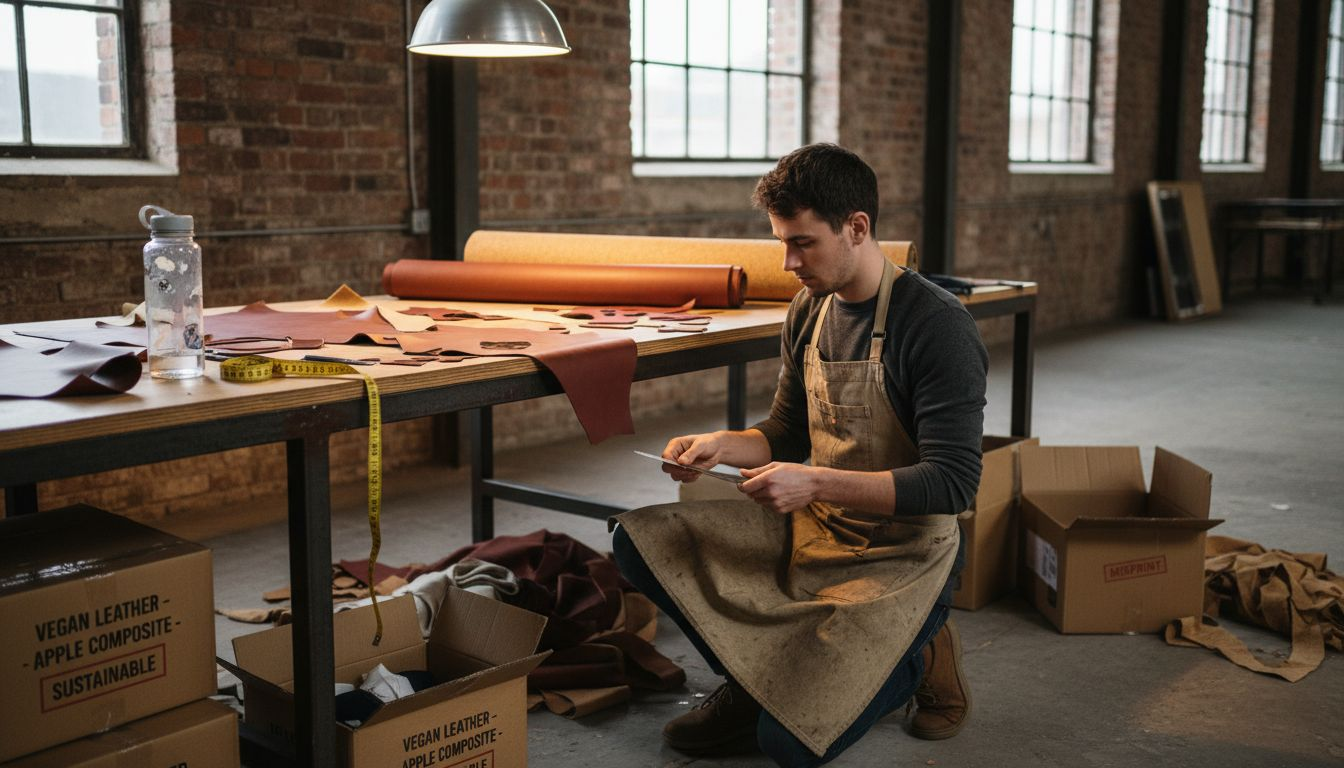
The technological innovation driving vegan alternatives extends beyond simple material substitution. Advanced manufacturing techniques now enable the creation of materials that mimic the texture, flexibility, and aesthetic qualities of traditional leather while dramatically reducing environmental harm. These developments challenge preconceived notions about sustainable materials being inferior or less desirable, proving that ethical fashion can be both sophisticated and environmentally conscious. By prioritising renewable resources, reduced carbon emissions, and waste minimisation, these alternative materials represent a holistic approach to sustainable accessory design.
Pro tip: When selecting vegan accessories, research the specific material composition and production methods to ensure genuine sustainability beyond surface-level marketing claims.
Below is a summary of popular eco-friendly materials used in sustainable accessories:
| Material | Key Characteristics | Sustainability Benefit |
|---|---|---|
| Vegan Leather | Flexible, animal-free | Reduces cruelty, uses waste |
| Cork | Lightweight, waterproof | Regenerative, carbon-negative |
| Apple Peels | Soft, durable texture | Repurposes food by-products |
| Recycled Plastics | Versatile, robust | Diverts waste from landfill |
Cork’s Role in Sustainable Fashion
Cork has emerged as a revolutionary material in sustainable fashion, offering an extraordinary blend of environmental responsibility and innovative design. Unique material properties make cork a transformative accessory resource, revolutionising how designers approach sustainable manufacturing. Unlike traditional leather or synthetic materials, cork represents a genuinely regenerative solution that respects ecological boundaries while delivering exceptional performance.
The harvesting process for cork is remarkably sustainable, involving carefully removing bark from cork oak trees without causing damage to the living organism. This unique characteristic allows trees to continue growing and absorbing carbon dioxide, effectively transforming cork production into a carbon-negative process. Cork’s inherent properties - being lightweight, waterproof, elastic, and hypoallergenic - make it an ideal material for accessories that prioritise both environmental consciousness and functional design. Its versatility enables designers to create products that challenge conventional notions of sustainable fashion.
Beyond its technical advantages, cork embodies a profound narrative of environmental stewardship and ethical production. The material represents more than just an alternative; it symbolises a fundamental reimagining of fashion’s relationship with natural resources. By choosing cork, consumers and designers alike participate in a broader movement that values ecological regeneration, supports traditional agricultural practices, and challenges the extractive models of conventional manufacturing. Each cork accessory becomes a statement of commitment to a more sustainable, thoughtful approach to personal style.
Pro tip: When exploring cork accessories, examine the manufacturing process and certifications to ensure genuine sustainability and ethical production standards.
Ethical Production and Fair Labour Standards
Sustainable fashion demands more than environmental consciousness; it requires a holistic commitment to human rights and fair labour practices. The complex global supply chains in accessory manufacturing present significant challenges in ensuring workers receive dignified treatment, fair compensation, and safe working environments. Ethical production transcends mere compliance, representing a fundamental reimagining of how businesses value human labour and social responsibility.
Responsible business practices involve comprehensive transparency and accountability throughout the production process. Corporate social responsibility standards now require brands to demonstrate tangible commitments to worker welfare, including living wages, safe working conditions, and robust mechanisms for protecting employees’ fundamental rights. This approach goes beyond traditional audit models, emphasising continuous improvement, worker engagement, and systemic support for sustainable livelihoods.
The implementation of ethical production standards requires multifaceted strategies that address economic, social, and cultural dimensions. This involves developing direct relationships with manufacturing partners, investing in worker training and development, ensuring fair compensation that exceeds minimum wage requirements, and creating supportive workplace environments that respect individual dignity. By prioritising human capital alongside environmental considerations, sustainable fashion brands can create meaningful social impact that extends far beyond the immediate production cycle.
Pro tip: Research brands’ published social responsibility reports and look for third-party certifications that validate their ethical production claims.
Durability, Functionality, and Environmental Impact
Sustainable accessories are fundamentally defined by their capacity to withstand time, use, and changing fashion trends while minimising environmental degradation. Lifecycle assessment tools have become critical in understanding how product design directly influences sustainability, enabling manufacturers to create accessories that are simultaneously robust, functional, and ecologically responsible.
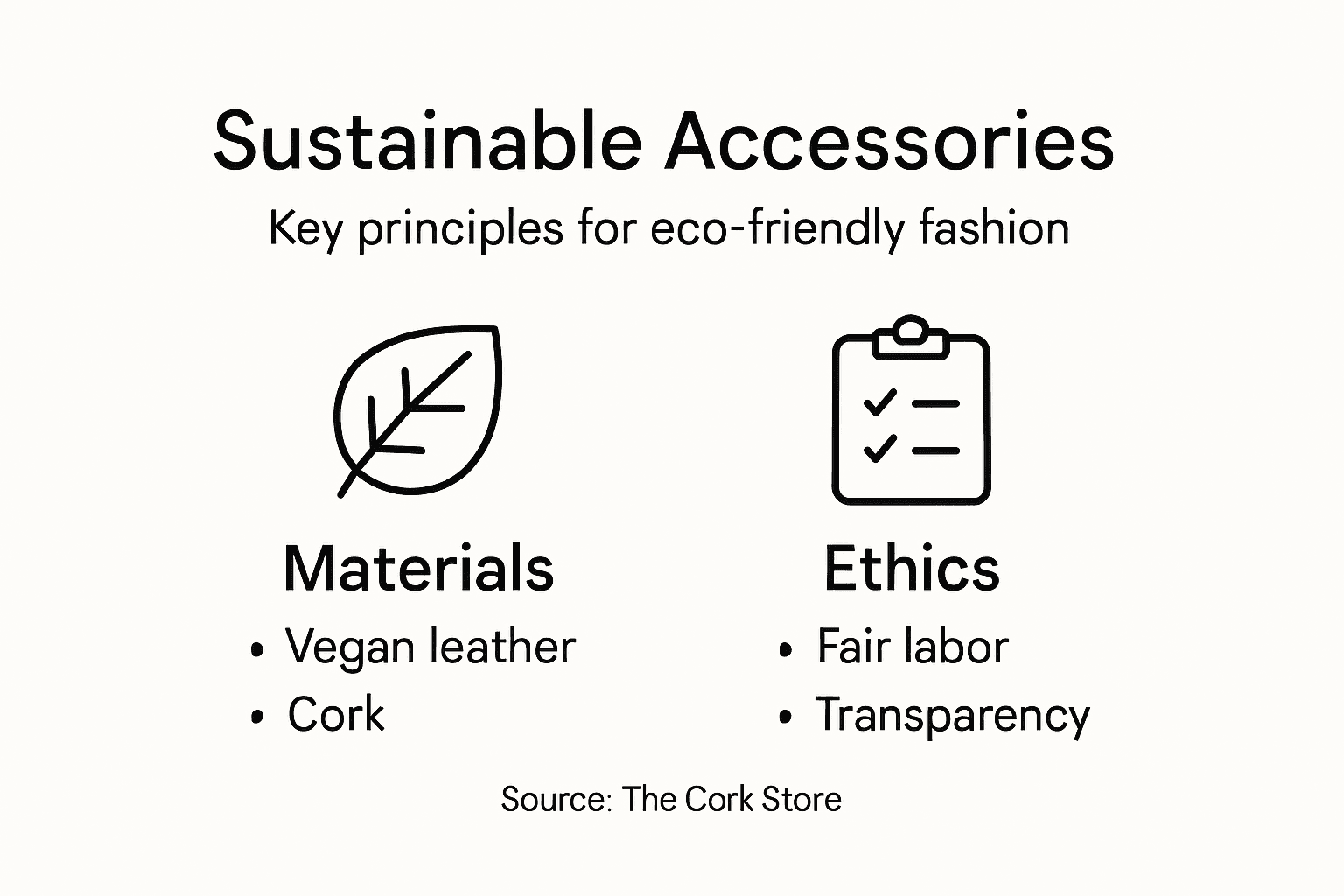
Durability transcends mere physical resilience; it encompasses an intricate relationship between material quality, emotional attachment, and environmental consciousness. Research demonstrates that truly sustainable accessories must engage consumers through exceptional functionality and design that encourages long-term use. Product durability strategies now integrate emotional design principles that make accessories not just long-lasting, but emotionally compelling, thereby reducing the likelihood of premature replacement and associated waste.
The environmental impact of an accessory is determined by its entire lifecycle, from material sourcing to eventual disposal or recycling. Sustainable design prioritises materials and construction techniques that minimise carbon footprint, enable potential repair or upcycling, and support circular economy principles. This holistic approach means considering not just the immediate performance of an accessory, but its broader systemic implications, including resource consumption, manufacturing processes, and end-of-life potential.
Pro tip: Assess an accessory’s sustainability by examining its material composition, potential repair options, and manufacturer’s commitment to long-term product lifecycle.
Discover Truly Sustainable Accessories with Cork
Understanding the complexity of sustainable accessories means recognising the importance of eco-friendly materials, ethical production, and durability. If you are seeking to align your fashion choices with these key principles, you need accessories that go beyond surface-level green claims to embody genuine sustainability through responsible materials like cork. Cork is not only renewable and carbon-negative but also supports fair labour practices and long-lasting functionality.
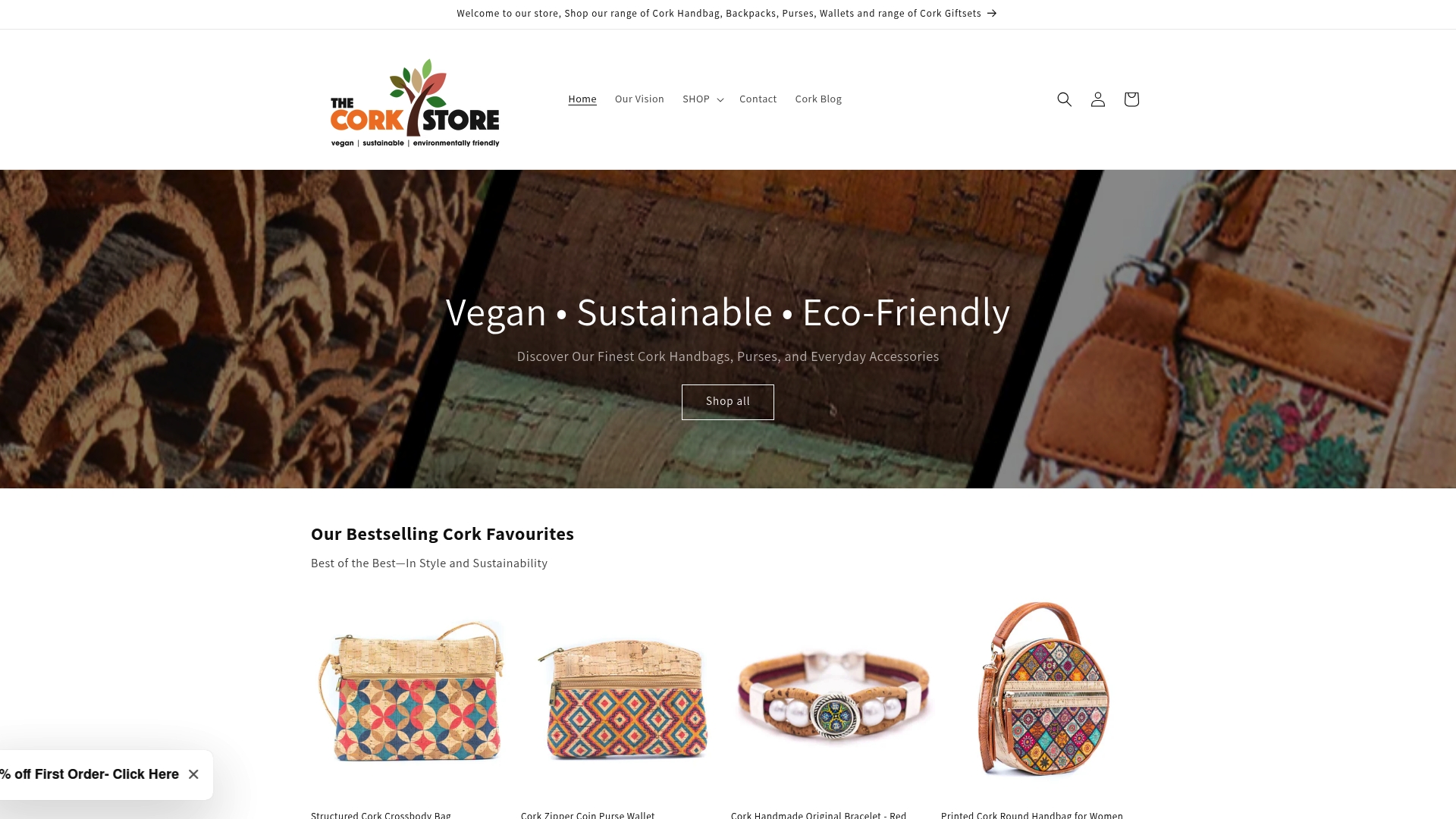
Explore a curated collection of stylish, cruelty-free vegan cork handbags, wallets, and more at The Cork Store. Each product reflects the commitment to environmental stewardship and ethical production that the article emphasises. Make the switch today and enjoy durable accessories that are as kind to the planet as they are to your personal style. Visit https://thecorkstore.co.uk now and join the movement towards sustainable fashion that truly makes a difference.
Frequently Asked Questions
What are sustainable accessories?
Sustainable accessories are fashion items that prioritise environmental, social, and ethical considerations throughout their lifecycle, including material sourcing, production processes, and labour practices.
What materials are commonly used in sustainable accessories?
Common materials for sustainable accessories include vegan leather made from agricultural waste, cork, apple peels, and recycled plastics, all of which minimise environmental impact while offering aesthetic appeal and durability.
How does cork contribute to sustainability in fashion?
Cork is a sustainable material because it is harvested without damaging the cork oak trees, making it a carbon-negative resource. Its unique properties, such as being lightweight and waterproof, make it ideal for eco-friendly accessories.
Why is ethical production important in sustainable accessories?
Ethical production ensures fair treatment, safe working conditions, and fair wages for workers within the supply chain. It represents a commitment to human rights and social responsibility, alongside environmental consciousness.
Recommended
- Sustainable Accessories: Style That Respects Nature – The Cork Store
- Sustainable Fashion Workflow: Transforming Ethical Accessories – The Cork Store
- The Essential Guide to Advantages of Sustainable Fashion – The Cork Store
- How to Spot Sustainable Fashion: A Step-by-Step Guide – The Cork Store
- Lab Grown Diamond Jewelry & Custom Engagement Rings – Eternal Carat