

How to Identify Eco-Friendly Accessories Easily
Over sixty percent of European consumers now prioritise eco-friendly accessories in their daily wardrobes. For those who value both style and planet, finding genuinely sustainable options can feel confusing, especially with so many brands making green claims. Whether you are a British trendsetter or a French minimalist, this guide will help you decode what truly makes cork accessories a smart choice for conscious shoppers seeking cruelty-free, durable solutions that align with ethical fashion values.
Table of Contents
- Step 1: Assess Sustainable Material Sources
- Step 2: Examine Ethical Manufacturing Practices
- Step 3: Check For Eco-Conscious Certifications
- Step 4: Evaluate Durability And End-Of-Life Impact
- Step 5: Verify Brand Transparency And Commitments
Quick Summary
| Key Point | Explanation |
|---|---|
| 1. Assess Material Sustainability | Research materials for eco-friendliness, focusing on environmental impact and circular economy practices. |
| 2. Verify Ethical Manufacturing | Look for brands with transparent labour practices and third-party certifications. |
| 3. Check Eco-Conscious Certifications | Understand and confirm the significance of certifications like GOTS and Fair Trade for genuine sustainability. |
| 4. Evaluate Durability and Lifecycle | Prioritise accessories made from durable, recyclable, or biodegradable materials to reduce waste. |
| 5. Seek Brand Transparency | Request detailed sustainability documentation to ensure a brand’s authentic commitment to ethical practices. |
Step 1: Assess Sustainable Material Sources
Identifying eco-friendly accessories requires a strategic approach to understanding the origins and environmental impact of materials. This step focuses on evaluating the sustainability credentials of potential accessory materials, helping you make informed choices that align with ethical fashion principles.
Start by examining the primary characteristics of sustainable materials through comprehensive research. Assessing material sustainability involves investigating several critical factors including resource consumption, carbon emissions, water usage, land impact, and chemical inputs. Look for materials that demonstrate minimal environmental strain and contribute to a circular economy. Materials like cork, organic cotton, recycled polyester, and responsibly sourced wool typically offer superior sustainability profiles compared to conventional alternatives.
Key indicators of sustainable material sources include transparent supply chains, third-party certifications, and documented environmental performance metrics. Pay attention to factors such as water conservation, renewable energy usage during production, biodegradability, and potential for recycling or upcycling. Sustainable material innovations are continuously emerging, with technologies like biomimicry and advanced composites offering promising alternatives to traditional resource-intensive manufacturing processes.
Top tip: Always request detailed sustainability documentation from manufacturers to verify the genuine environmental credentials of your chosen accessory materials.
Here is a comparison of common sustainable accessory materials and their key sustainability attributes:
| Material | Main Sustainability Benefit | End-of-Life Scenario |
|---|---|---|
| Organic cotton | Reduced chemical use and water | Biodegradable and compostable |
| Cork | Rapidly renewable resource | Fully biodegradable |
| Recycled polyester | Utilises post-consumer plastics | Recyclable if processed again |
| Responsible wool | Animal welfare, low impact pasture | Biodegradable |
| Advanced composites | Energy/resource efficient design | Depends on composite contents |
Step 2: Examine Ethical Manufacturing Practices
Understanding the ethical dimensions of accessory production is crucial for conscious consumers seeking truly sustainable fashion choices. This step will guide you through evaluating manufacturing practices that prioritise human rights, environmental responsibility, and social welfare.
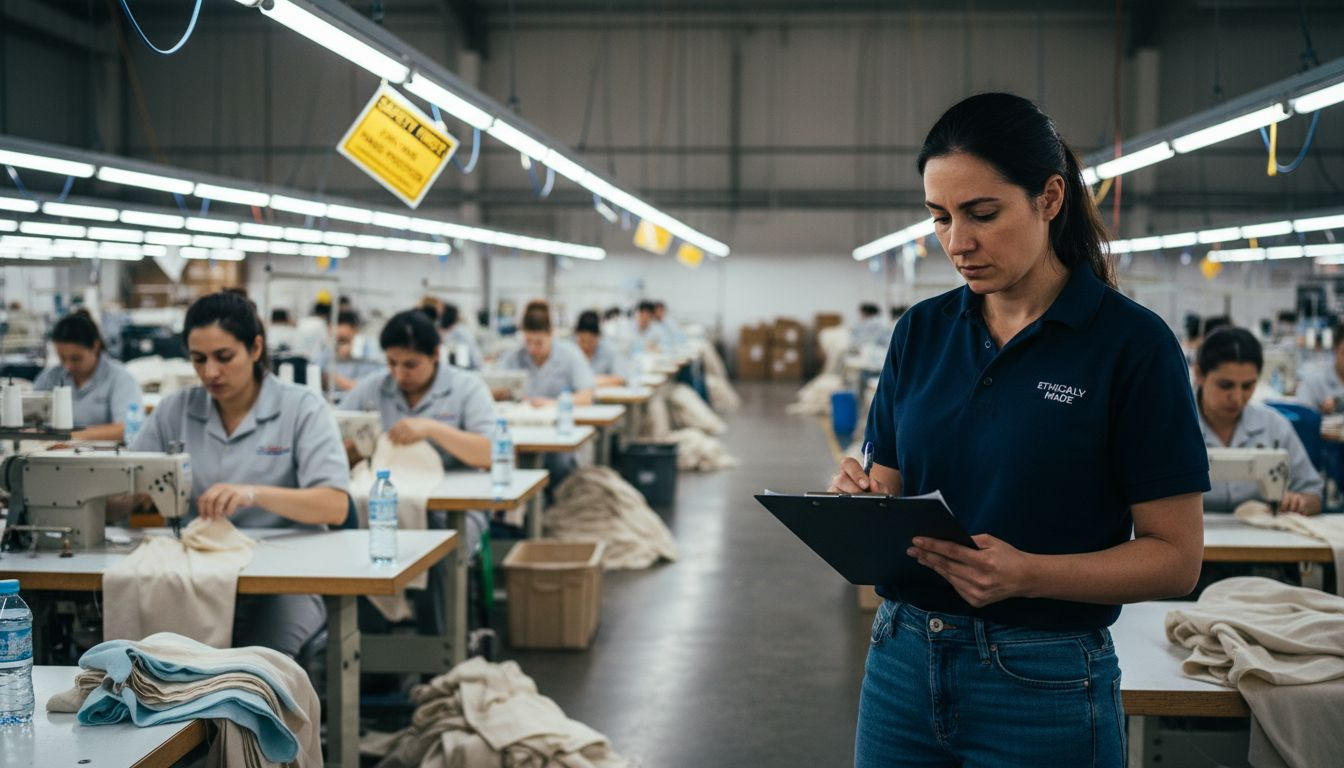
Green supply chain management provides a comprehensive framework for assessing manufacturing ethics. Look for manufacturers who demonstrate transparent labour practices, fair wages, safe working conditions, and minimal environmental impact. Pay special attention to certifications such as Fair Trade, Global Organic Textile Standard (GOTS), and B Corp, which validate a company’s commitment to social and environmental standards. Key indicators include worker protection policies, minimum age requirements, reasonable working hours, and appropriate compensation structures.
Beyond basic labour standards, ethical manufacturing involves a holistic approach to production. Circular economy approaches suggest examining how manufacturers minimise waste, use recycled materials, and create economic opportunities in local communities. Investigate whether companies invest in worker training programmes, support local economies, and implement sustainable production techniques that reduce carbon footprints and promote resource efficiency.
Top tip: Request detailed supplier audit reports and third party certification documents to verify the genuine ethical credentials of your chosen accessory manufacturers.
Step 3: Check for Eco-Conscious Certifications
Identifying truly sustainable accessories requires more than surface level claims. This step will empower you to navigate the complex world of eco-conscious certifications and verify the genuine environmental credentials of your chosen fashion items.
Sustainable fashion certifications provide critical insights into an accessory’s environmental and ethical standards. Focus on internationally recognised certifications such as Global Organic Textile Standard (GOTS), OEKO-TEX, Fair Trade, and Bluesign. These validate crucial aspects like organic material sourcing, non-toxic production processes, worker welfare, and overall environmental compliance. Each certification represents a different dimension of sustainability, from chemical safety to social responsibility.
When evaluating certifications, look beyond the logo and understand the specific criteria each certification represents. Global market sustainability standards emphasise the importance of comprehensive assessment, including environmental impact, chemical usage, supply chain transparency, and social welfare practices. Reputable certifications will provide detailed documentation about their verification processes, allowing you to make informed decisions about the true sustainability of your accessory choices.
Top tip: Cross reference multiple certification bodies and request full certification documentation to ensure comprehensive verification of sustainable claims.
The table below summarises the focus of leading eco-conscious fashion certifications:
| Certification | Core Focus Area | What It Ensures |
|---|---|---|
| GOTS | Organic sourcing | Organic fibres, verified processing |
| OEKO-TEX | Chemical safety | Non-toxic materials and finishes |
| Fair Trade | Social responsibility | Fair wages and ethical labour |
| Bluesign | Environmental compliance | Reduced emissions, safe inputs |
Step 4: Evaluate Durability and End-of-Life Impact
Sustainable accessories are more than just environmentally friendly materials they must also withstand the test of time and have a responsible disposal pathway. This section will help you assess the long term value and ecological footprint of your chosen fashion items.
Circular economy design principles emphasise creating products with intentional longevity and minimal environmental consequences. When evaluating an accessory consider its construction quality potential for repair and eventual recyclability. Look for features like reinforced stitching modular design and materials that can be easily separated or repurposed. High quality accessories should offer repairability options such as replaceable components or manufacturer repair services which extend the product lifecycle and reduce unnecessary waste.
Sustainable material performance involves understanding how different materials degrade and what happens to them at the end of their useful life. Prioritise accessories made from materials that are biodegradable recyclable or compostable. Natural materials like cork organic cotton and responsibly sourced wool often provide superior end of life scenarios compared to synthetic alternatives. Check manufacturer documentation for specific details about material breakdown processes and recommended disposal methods that minimise environmental impact.
Top tip: Request detailed product lifecycle documentation from manufacturers to understand the complete environmental journey of your chosen accessory.
Step 5: Verify Brand Transparency and Commitments
Understanding a brand’s genuine commitment to sustainability requires more than surface level marketing. This section will guide you through critically evaluating the transparency and environmental integrity of fashion accessory manufacturers.
Green supply chain transparency involves examining how brands communicate their sustainability practices. Look beyond glossy marketing materials and seek detailed information about sourcing methods manufacturing processes worker conditions and environmental goals. Reputable brands will provide comprehensive documentation including supply chain maps carbon footprint reports and clear metrics demonstrating their progress towards sustainable objectives. Pay attention to brands that publish annual sustainability reports offer third party verifications and demonstrate ongoing commitment to improvement.
Sustainable design transparency emphasises the importance of brands openly sharing their material choices production techniques and environmental strategies. Investigate whether manufacturers provide clear information about their raw material origins production energy consumption waste management and social responsibility programmes. Genuine transparency means brands are willing to discuss both their achievements and challenges in creating more sustainable fashion accessories. Look for brands that engage in open dialogue show continuous learning and demonstrate measurable progress towards more ethical and environmentally responsible practices.
Top tip: Request comprehensive sustainability documentation and do not hesitate to directly contact brands for detailed information about their environmental commitments.
Discover Truly Eco-Friendly Accessories at The Cork Store
Identifying genuinely sustainable accessories can be challenging with so many claims and unclear material origins. This article highlights the importance of understanding sustainable material sources, ethical manufacturing practices, and eco-conscious certifications to make responsible fashion choices. If you want to avoid greenwashing and invest in stylish, durable, and environmentally friendly products, choosing accessories made from innovative materials like cork is a smart step.
At The Cork Store you will find a thoughtfully curated collection of vegan cork handbags, backpacks, wallets, and purses that align perfectly with the principles outlined in this guide. Each product offers the transparency, durability, and biodegradable benefits detailed in steps like evaluating end-of-life impact and verifying brand transparency. Explore our eco-conscious accessories now and join a community of consumers dedicated to ethical fashion.
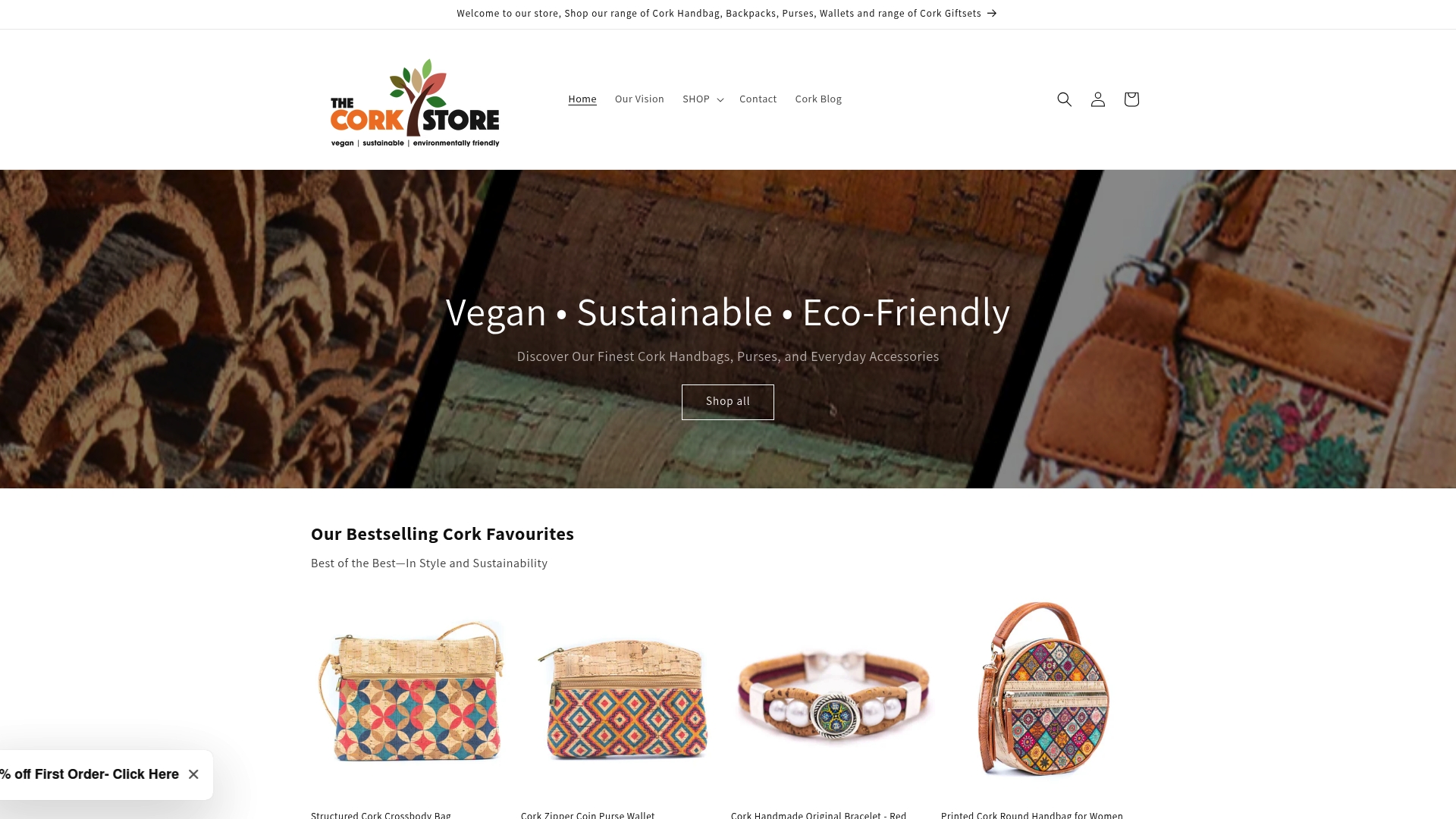
Don’t wait to transform your wardrobe with cruelty-free, sustainable accessories that truly make a difference. Start browsing our range today at The Cork Store and experience how easy it is to choose stylish products with verified eco credentials. Discover more about our commitment to sustainability and why cork is the future of responsible fashion in our Sustainable Fashion Blog. Your journey to ethical accessory shopping begins here.
Frequently Asked Questions
How can I assess the sustainability of accessory materials?
To assess the sustainability of accessory materials, examine their origins and environmental impacts. Research characteristics such as resource consumption, carbon emissions, and the potential for recycling, aiming to choose materials with minimal environmental strain.
What are the key ethical manufacturing practices to look for in accessories?
Key ethical manufacturing practices include fair wages, safe working conditions, and minimal environmental impact. Investigate manufacturers for transparent labour practices and proper certifications that validate their commitment to ethical standards.
How do I identify genuine eco-conscious certifications?
To identify genuine eco-conscious certifications, look for recognised labels like Global Organic Textile Standard (GOTS) and Fair Trade. Understand the specific criteria each certification entails to ensure they align with your sustainability values.
What features should I consider to evaluate the durability of accessories?
When evaluating durability, consider construction quality, potential for repair, and materials used. Look for features like reinforced stitching and ease of disassembly, which can extend the product’s lifecycle and minimise waste.
How can I verify a brand’s commitment to transparency in sustainability?
To verify a brand’s commitment to transparency, assess their willingness to share comprehensive information about sourcing methods, manufacturing processes, and sustainability goals. Request detailed documentation, including sustainability reports, to gauge their progress and genuine efforts.
Recommended
- How to Spot Sustainable Fashion: A Step-by-Step Guide – The Cork Store
- Sustainable Accessories: Style That Respects Nature – The Cork Store
- How to Build Eco-Friendly Outfits With Sustainable Style – The Cork Store
- Eco-Friendly Fashion Tips: Upgrade Your Wardrobe Sustainably – The Cork Store
- Nachhaltige Geschenkideen erklärt: Umweltbewusst schenken – Herzensprojekt Manufaktur