

Role of Cork in Fashion – Transforming Eco Accessories
Over 50 percent of british consumers are now seeking environmentally conscious fashion choices, reflecting a dramatic shift in shopping habits. Sustainable materials like cork are capturing attention for their impressive environmental benefits and contemporary style. As the fashion world embraces eco-friendly innovation, understanding what sets cork apart helps you discover accessories that are both durable and distinct. Explore how this natural material is creating new standards for responsible british style.
Table of Contents
- Cork Material In Fashion – Core Concepts
- Eco-Friendly Innovations Using Cork
- Cork Accessories Versus Leather Alternatives
- Environmental Impact And Sustainability Benefits
- Care, Durability, And Common Misconceptions
Key Takeaways
| Point | Details |
|---|---|
| Cork as a Sustainable Material | Cork is a revolutionary plant-based material that is renewable and harvested without harming trees, making it an eco-friendly alternative in fashion. |
| Innovative Applications | Designers are increasingly using cork in varied accessories, leveraging its unique properties for creative expression and environmental responsibility. |
| Comparative Advantages | Cork accessories outperform traditional leather in terms of environmental impact, water resistance, and durability, offering a stylish yet sustainable choice. |
| Care and Maintenance | Cork requires minimal maintenance, dispelling myths about its fragility, and can be easily cared for with simple cleaning methods. |
Cork Material in Fashion – Core Concepts
Cork represents a revolutionary natural material that has quietly transformed the landscape of sustainable fashion accessories. As designers seek environmentally conscious alternatives to traditional synthetic and animal-derived materials, cork emerges as an extraordinary solution with remarkable properties. Understanding cork innovation in accessories reveals its potential to reshape how we conceptualise eco-friendly design.
At its core, cork is a unique plant-based material harvested from the bark of cork oak trees, primarily found in Mediterranean regions. What makes cork truly exceptional is its extraordinary combination of characteristics: lightweight, water-resistant, flexible, and incredibly durable. Unlike leather or synthetic materials, cork can be extracted without harming the tree, making it a genuinely sustainable resource. The material’s cellular structure creates a unique texture that is both soft to the touch and remarkably resilient, capable of withstanding significant wear and tear.
Fashion designers are increasingly recognising cork’s transformative potential beyond traditional uses. Its natural properties enable the creation of accessories that are not just environmentally responsible but also aesthetically sophisticated. From sleek wallets and minimalist handbags to intricate jewellery and innovative footwear, cork offers designers an expansive canvas for creative expression. The material’s natural variations in colour and texture mean that each piece becomes a unique statement of sustainable style, challenging preconceived notions about eco-friendly fashion.
Pro Tip - Material Selection: When exploring cork accessories, examine the material’s thickness and finish to ensure durability and understand how different processing techniques can dramatically alter its appearance and performance.
Eco-Friendly Innovations Using Cork
The world of sustainable fashion is experiencing a remarkable transformation, with cork emerging as a groundbreaking material that challenges traditional textile paradigms. The development of innovative cork-based textiles demonstrates the material’s extraordinary potential to revolutionise eco-friendly design strategies. Designers and researchers are increasingly exploring cork’s versatile properties, uncovering innovative applications that extend far beyond conventional accessory manufacturing.
One of the most exciting developments is the creation of cork-blended fabrics, which combine the natural resilience of cork with other sustainable materials. Researchers have successfully developed textile blends that integrate cork fibres, creating materials with enhanced durability, breathability, and environmental credentials. These innovative textiles offer remarkable performance characteristics, including natural water resistance, lightweight structure, and reduced environmental impact compared to traditional synthetic fabrics.
Beyond fabric development, cork is also being transformed into sophisticated manufacturing threads and innovative textile components. Technological innovations in cork thread production are expanding the material’s potential in fashion design. These advanced manufacturing techniques enable designers to create intricate, high-performance accessories and garments that challenge conventional perceptions of sustainable fashion. From minimalist handbags to complex textile structures, cork’s versatility allows for unprecedented creative expression while maintaining strong environmental principles.
Pro Tip - Material Exploration: When investigating cork innovations, look beyond surface appearances and examine the material’s technical specifications, processing techniques, and sustainability credentials to truly appreciate its transformative potential in fashion design.
Cork Accessories Versus Leather Alternatives
The fashion industry is experiencing a transformative shift towards sustainable materials, with cork emerging as a compelling alternative to traditional leather. Comparative analysis of bio-based leather alternatives reveals cork’s exceptional potential to revolutionise accessory manufacturing. Unlike conventional leather, cork offers a cruelty-free, environmentally conscious solution that does not compromise on style or durability.
When examining cork’s performance characteristics, several key advantages become immediately apparent. Cork leather provides remarkable water resistance, lightweight structure, and exceptional durability, challenging many preconceived notions about alternative materials. The manufacturing process generates significantly lower environmental impact compared to traditional animal leather, with minimal resource consumption and no animal welfare concerns. Each cork accessory represents a sustainable choice that does not sacrifice aesthetic appeal or functional quality.
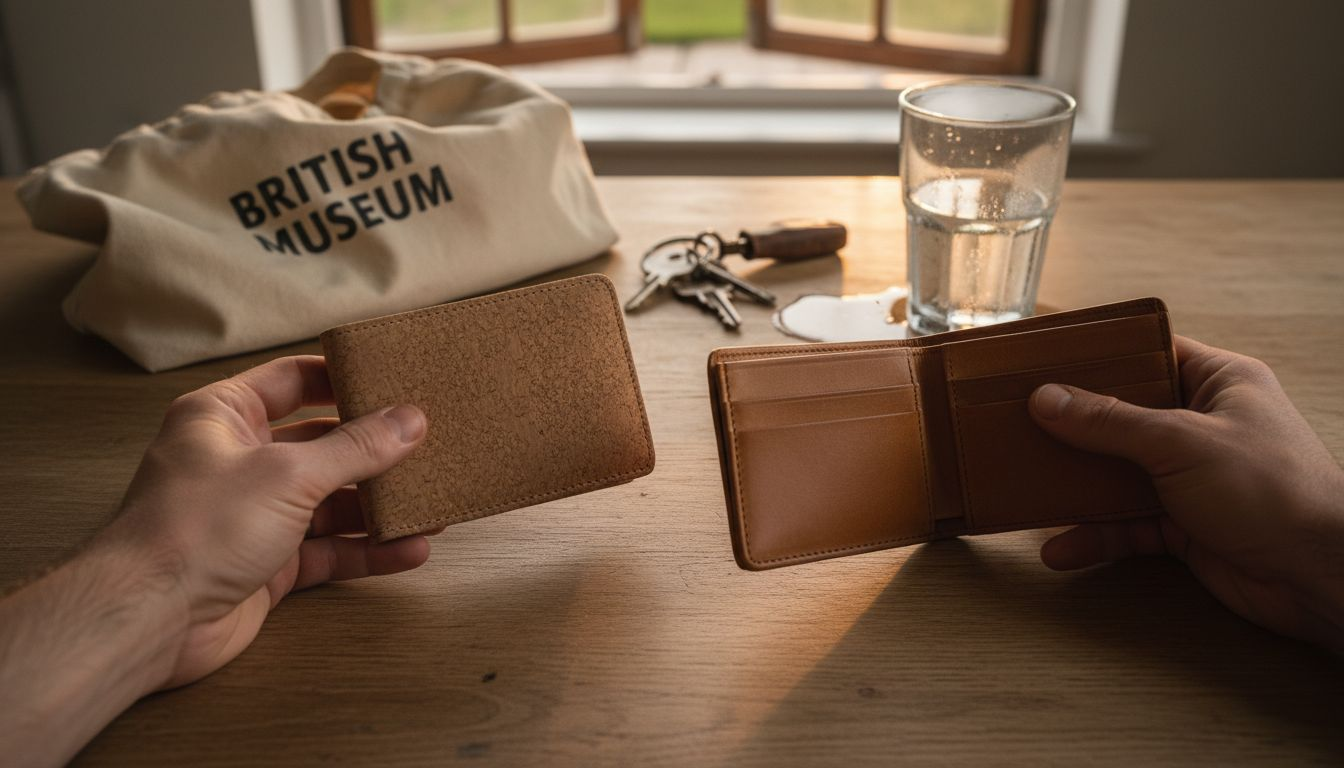
Beyond environmental credentials, cork accessories demonstrate superior versatility across design applications. Sustainable leather alternatives comparison highlights how cork competes favourably with other plant-based materials like apple leather and cactus leather. Its unique cellular structure allows for intricate texturing, vibrant colour absorption, and remarkable adaptability across different accessory types, from minimalist wallets to sophisticated handbags. The material’s natural variations ensure that each piece maintains a distinctive, artisanal character that mass-produced leather products cannot replicate.
Here is a comparison of cork with leather and other plant-based materials:
| Material | Environmental Impact | Durability | Unique Feature |
|---|---|---|---|
| Cork | Minimal water use, renewable | Long-lasting, resilient | Harvested without harming tree |
| Animal Leather | High resource use, polluting | Extremely durable | Luxurious traditional aesthetic |
| Apple Leather | Made from food waste, compostable | Moderately robust | Repurposed from food industry |
| Cactus Leather | Low water use, biodegradable | Flexible and sturdy | Made from rapidly grown cactus |
Pro Tip - Material Assessment: When comparing cork accessories to leather alternatives, evaluate not just appearance, but also the material’s full lifecycle environmental impact, manufacturing transparency, and long-term durability to make a truly informed sustainable fashion choice.
Environmental Impact and Sustainability Benefits
Cork represents a groundbreaking material in the realm of sustainable fashion, offering unprecedented environmental advantages that extend far beyond traditional textile production. Sustainable textile innovations with cottoncork blended fabric demonstrate the material’s remarkable potential to reduce ecological footprints in manufacturing processes. By integrating cork into textile production, designers can significantly minimise environmental degradation while maintaining high-performance material standards.
The environmental credentials of cork are deeply rooted in its unique harvesting and production processes. Unlike leather or synthetic materials, cork is extracted from cork oak trees without causing any permanent damage to the tree itself. These trees continue absorbing carbon dioxide throughout their lifecycle, effectively functioning as living carbon sinks. A single harvested cork oak can continue producing bark for up to 200 years, making it an extraordinarily renewable resource. The material’s production requires minimal water, generates negligible waste, and supports biodiversity in Mediterranean forest ecosystems.
Moreover, cork’s sustainability extends beyond its production into its entire lifecycle. The material is completely biodegradable, recyclable, and requires minimal processing compared to conventional textile materials. Its natural cellular structure provides inherent durability, meaning cork accessories can potentially replace multiple disposable items over time. This longevity directly translates to reduced consumer waste and a more circular approach to fashion consumption. The material’s natural resistance to moisture, wear, and degradation ensures that cork accessories maintain their aesthetic and functional qualities significantly longer than many alternative materials.
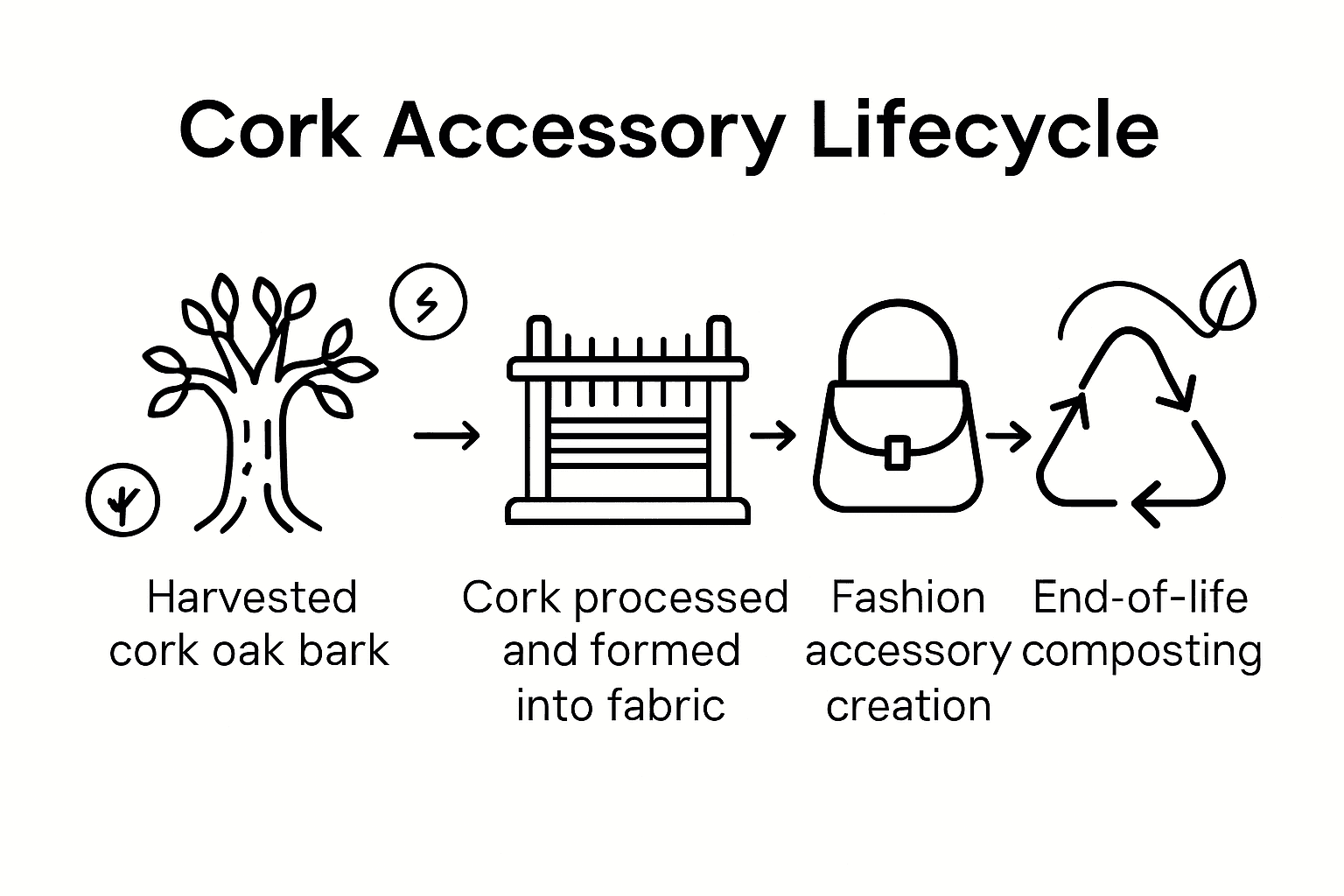
This table summarises key sustainability advantages of cork accessories:
| Sustainability Benefit | Contribution to Fashion | Ecosystem Impact |
|---|---|---|
| Renewable Material | Enables long-term supply chains | Supports Mediterranean biodiversity |
| Low-Impact Production | Reduces pollution in textiles | Preserves natural forest habitats |
| Longevity and Durability | Slows fashion consumption | Less waste generation |
| Biodegradable/Reusable | Easier closed-loop recycling | Reduced landfill accumulation |
Pro Tip - Sustainability Assessment: When evaluating the environmental impact of fashion accessories, consider not just the material’s origin, but its entire lifecycle, including production methods, durability, potential for recycling, and long-term ecological footprint.
Care, Durability, and Common Misconceptions
Cork accessories represent a sophisticated alternative to traditional materials, challenging many preconceived notions about their durability and maintenance. Comprehensive cork fabric care insights reveal that these accessories require surprisingly straightforward care routines. Contrary to popular belief, cork materials are remarkably resilient and can maintain their aesthetic appeal with minimal intervention.
The durability characteristics of cork are often misunderstood by consumers accustomed to conventional leather products. Unlike leather, which can degrade rapidly with exposure to moisture and sunlight, cork demonstrates exceptional resistance to environmental stressors. Detailed analysis of cork leather properties indicates that the material maintains its structural integrity through diverse conditions. Its natural water-resistant properties prevent immediate damage from light moisture, while its flexible cellular structure allows it to withstand minor impacts without permanent deformation.
Maintaining cork accessories requires a nuanced approach that dispels common misconceptions. Many individuals mistakenly assume cork is fragile or high-maintenance, when in reality, it requires minimal care. Simple cleaning methods like gentle wiping with a damp cloth, avoiding prolonged direct sunlight, and storing in cool, dry environments can significantly extend the accessory’s lifespan. The material’s natural antimicrobial properties also mean it resists bacterial growth and odour accumulation, making it an incredibly hygienic option compared to many synthetic alternatives.
Pro Tip - Accessory Preservation: Invest in a soft, dry microfibre cloth for routine maintenance and store your cork accessories in breathable dust bags to preserve their unique texture and prevent unnecessary wear.
Discover Stylish Solutions with Sustainable Cork Accessories Today
The article highlights the urgent challenge of finding truly eco-friendly and durable alternatives to traditional leather in fashion. Many consumers desire stylish, cruelty-free options that do not sacrifice quality or longevity. Cork’s unique properties — lightweight, water-resistant, and harvested without harming trees — make it an extraordinary material to meet these needs while reducing environmental impact and animal cruelty.
At The Cork Store, you can explore an exclusive collection of vegan cork handbags, wallets, backpacks, and gift sets expertly crafted to embody the very principles of sustainability and sophistication discussed in the article. Each accessory showcases cork’s natural texture and resilience, offering an artisanal charm that rivals conventional leather but with a fraction of the ecological footprint.
Embrace a fashion choice that honours your values without compromise. Visit The Cork Store now to browse premium cork accessories and join the movement towards long-lasting, ethical style. For deeper insights into cork’s innovative potential, explore more about Understanding cork innovation in accessories. Make the sustainable switch today and experience the perfect balance of elegance and responsibility.
Frequently Asked Questions
What are the key benefits of using cork in fashion accessories?
Cork offers a lightweight, water-resistant, flexible, and durable alternative to traditional materials. It’s a sustainable resource, as it can be harvested without harming the cork oak trees, making it an eco-friendly choice for accessories.
How does cork compare to leather and other plant-based materials?
Cork leather provides similar durability and aesthetic appeal to leather but with a significantly lower environmental impact. Unlike animal leather, cork production does not involve animal cruelty, and it competes favourably with other plant-based materials like apple and cactus leather in terms of versatility and texture.
How should I care for cork accessories to ensure their longevity?
Cork accessories are easy to maintain. Regular cleaning with a damp cloth, avoiding direct sunlight, and storing in cool, dry places can help preserve their appearance. The material’s natural antimicrobial properties also reduce odour accumulation, making it a hygienic choice.
Are cork accessories truly sustainable and eco-friendly?
Yes, cork is considered a sustainable material as it is renewable, biodegradable, and has minimal environmental impact during its production. Harvested cork oak trees continue to absorb carbon dioxide throughout their lives and contribute to biodiversity in forest ecosystems.