

Sustainability in Accessory Design: Stylish Impact
Choosing the right accessory feels more meaningful when you know it supports the planet, not just your outfit. As global demand for style grows, so does interest in reducing environmental harm and supporting ethical fashion. Defining what makes an accessory truly sustainable means looking far beyond trends to embrace eco-friendly materials and social responsibility. This guide offers clarity for anyone determined to make fashion choices that genuinely reflect their environmental values.
Table of Contents
- Defining Sustainability in Accessory Design
- Eco-Friendly Materials and Alternatives
- Circular Economy Principles in Accessories
- Sustainable Production and Sourcing Practices
- Risks, Trade-Offs, and Common Mistakes
- Comparing Cork to Other Ethical Options
Key Takeaways
| Point | Details |
|---|---|
| Sustainable Design Philosophy | Sustainable accessory design integrates environmental, social, and economic considerations throughout the product lifecycle. |
| Material Innovation | Exploring alternative materials with lower ecological impacts is essential for reducing the fashion industry’s footprint. |
| Circular Economy Approach | Emphasising recycling, modular design, and extended product lifecycles can transform accessory production and consumption patterns. |
| Ethical Sourcing and Production | Transparency in supply chains and sustainable sourcing practices are crucial for creating responsibly made accessories. |
Defining Sustainability in Accessory Design
Sustainability in accessory design represents a holistic approach that transcends traditional manufacturing paradigms, integrating environmental, social, and economic considerations into every stage of product development. Design for Sustainability has evolved from narrow technological perspectives to embrace more comprehensive, human-centered methodologies that prioritise systemic change.
At its core, sustainable accessory design involves several critical dimensions:
- Environmental Responsibility: Minimising ecological footprint through material selection, production processes, and lifecycle management
- Social Impact: Ensuring fair labour practices, supporting local communities, and promoting ethical manufacturing
- Economic Viability: Creating products that are financially accessible while maintaining sustainable production standards
The fundamental principles of sustainable accessory design challenge traditional linear production models. Instead of creating disposable fashion items, designers now focus on developing long-lasting, versatile accessories that reduce waste and encourage conscious consumption. This approach requires reimagining design processes to prioritise:
- Recyclable and biodegradable materials
- Minimal carbon emissions during production
- Durability and timeless aesthetic appeal
- Transparent supply chain practices
Sustainable design is not just about the product, but the entire ecosystem of creation, use, and disposal.
Material innovation plays a pivotal role in this transformation. Designers are increasingly exploring alternative materials like cork, recycled plastics, and plant-based textiles that offer both environmental benefits and aesthetic quality. By selecting materials with lower environmental impact, accessory designers can significantly reduce the fashion industry’s ecological footprint.
Pro tip: When evaluating sustainable accessories, look beyond marketing claims and investigate the entire production lifecycle, material sourcing, and long-term environmental impact.
The following table summarises how key accessory design stages contribute to sustainability outcomes:
| Design Stage | Environmental Benefit | Social Contribution | Economic Impact |
|---|---|---|---|
| Material Selection | Reduces resource extraction | Supports ethical sourcing | Can lower long-term costs |
| Manufacturing | Minimises emissions | Improves workplace conditions | Enhances local job creation |
| Product Lifecycle Management | Reduces waste generation | Fosters consumer responsibility | Extends product value |
| End-of-Life Planning | Enables recycling/composting | Promotes community engagement | Supports secondary markets |
Eco-Friendly Materials and Alternatives
The landscape of sustainable accessory design is revolutionising through innovative materials transforming fashion production, challenging traditional manufacturing approaches with environmentally conscious alternatives. Contemporary designers are increasingly exploring materials that minimise ecological impact while maintaining aesthetic and functional qualities.
Key eco-friendly materials driving this transformation include:
- Recycled Metals: Repurposing existing metal resources to reduce mining demands
- Organic Textiles: Natural fibres grown without harmful pesticides or chemicals
- Plant-Based Leathers: Alternatives derived from materials like cork, pineapple leaves, and apple waste
- Reclaimed Ocean Plastics: Transforming marine waste into durable accessory components
- Bio-Composite Materials: Innovative blends using renewable biological resources
The circular economy approach emphasises creating accessories that transcend traditional linear production models. Innovative material sourcing now prioritises:
- Waste reduction
- Renewable resource utilisation
- Minimal carbon footprint
- Ethical production processes
Sustainable materials are not just an environmental choice, but a comprehensive redesign of how we conceptualise product creation.
Designers are particularly excited about emerging alternatives like cork, which offers exceptional durability, water resistance, and minimal environmental impact. These materials demonstrate that sustainable design can seamlessly blend ecological responsibility with sophisticated aesthetic appeal.
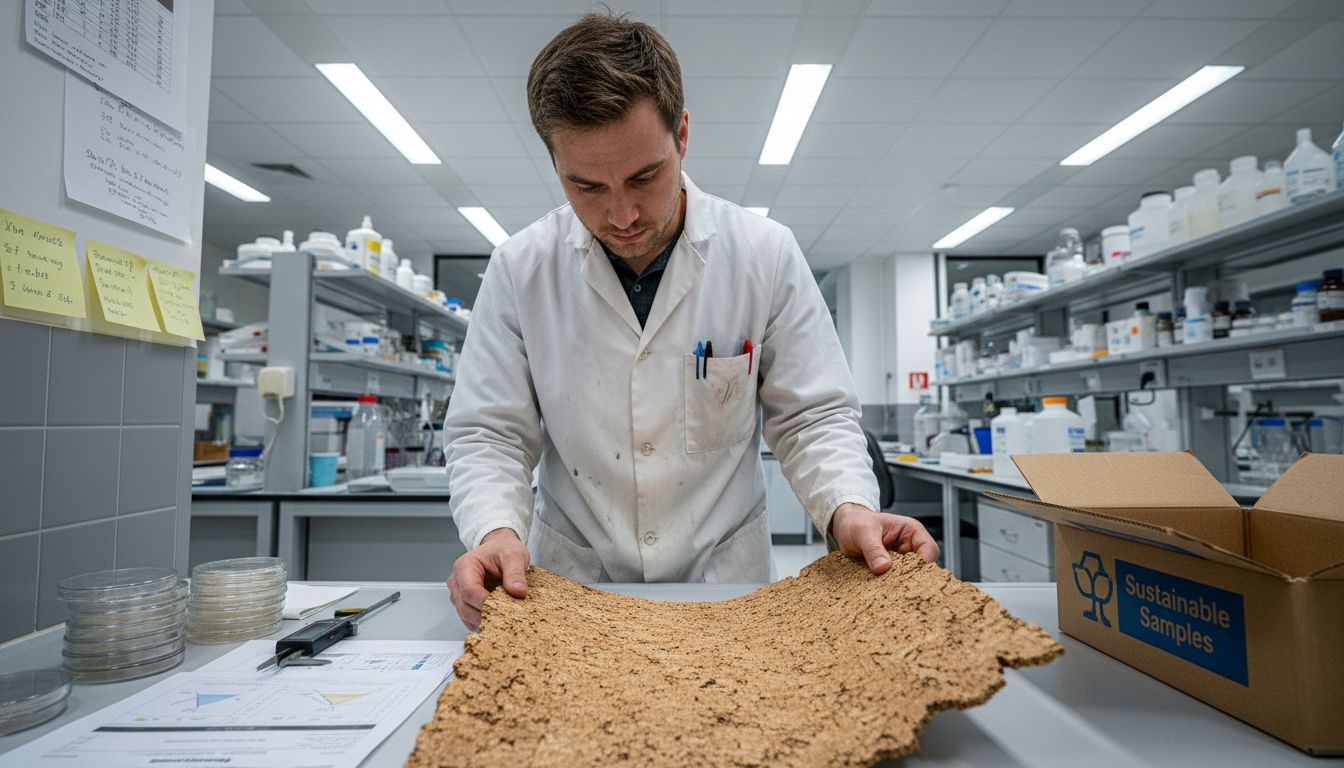
Material innovation represents more than just substitution – it’s a fundamental reimagining of accessory production. By selecting materials with lower environmental consequences, designers can significantly reduce fashion’s ecological footprint while creating products that are both beautiful and responsible.
Pro tip: When exploring sustainable accessories, prioritise materials with transparent sourcing, verifiable environmental credentials, and demonstrated durability.
Circular Economy Principles in Accessories
Circular economy principles are revolutionising accessory design through sustainable production strategies, challenging traditional linear manufacturing models. This approach transforms how designers conceptualise product lifecycles, emphasising regenerative practices that minimise waste and maximise resource efficiency.
Key components of circular economy principles in accessories include:
- Design for Disassembly: Creating products that can be easily taken apart and recycled
- Modular Construction: Developing accessories with interchangeable components
- Material Recovery: Ensuring materials can be reused or regenerated
- Minimal Waste Production: Reducing environmental impact through intelligent design
- Extended Product Lifecycle: Prioritising durability and repairability
The strategic approach to circular design encompasses several critical stages:
- Initial sustainable material selection
- Intelligent product design
- Manufacturing with minimal environmental impact
- Planning for product end-of-life recovery
- Potential material regeneration
Circular economy isn’t just about recycling – it’s about reimagining the entire product ecosystem.
Innovative design strategies are transforming how accessories are conceived, produced, and ultimately recycled. Designers now consider the entire journey of an accessory, from initial material sourcing to potential reuse or regeneration, creating a holistic approach that challenges traditional consumption patterns.
By integrating circular economy principles, accessory designers can create products that are not just environmentally responsible, but also economically viable and aesthetically compelling. This approach represents a fundamental shift from disposable fashion to sustainable, long-lasting design.
Pro tip: When purchasing accessories, evaluate their potential for repair, recyclability, and long-term use to support circular economy principles.
Sustainable Production and Sourcing Practices
Sustainable accessory design demands a comprehensive approach to evaluating sustainability across production processes. This holistic methodology considers ecological, economic, and social dimensions that extend far beyond traditional manufacturing considerations.
Key sustainable production strategies include:
- Transparent Supply Chains: Ensuring ethical sourcing and worker conditions
- Local Manufacturing: Reducing transportation emissions and supporting regional economies
- Renewable Energy Use: Powering production through sustainable energy sources
- Waste Minimisation: Implementing closed-loop manufacturing processes
- Carbon Footprint Tracking: Measuring and reducing environmental impact
The strategic framework for sustainable production encompasses several critical elements:
- Comprehensive supplier assessment
- Environmental impact measurement
- Worker welfare verification
- Material traceability
- Continuous improvement protocols
Sustainable production is not a destination, but an ongoing journey of continuous innovation and responsibility.
Ethical sourcing practices require designers and manufacturers to look beyond immediate cost considerations. This involves deep investigation into material origins, manufacturing conditions, and long-term environmental consequences of production choices.
By integrating rigorous sustainability criteria, accessory brands can create products that not only minimise ecological harm but also contribute positively to global social and environmental systems. This approach transforms accessories from mere consumer goods into powerful vehicles for systemic change.
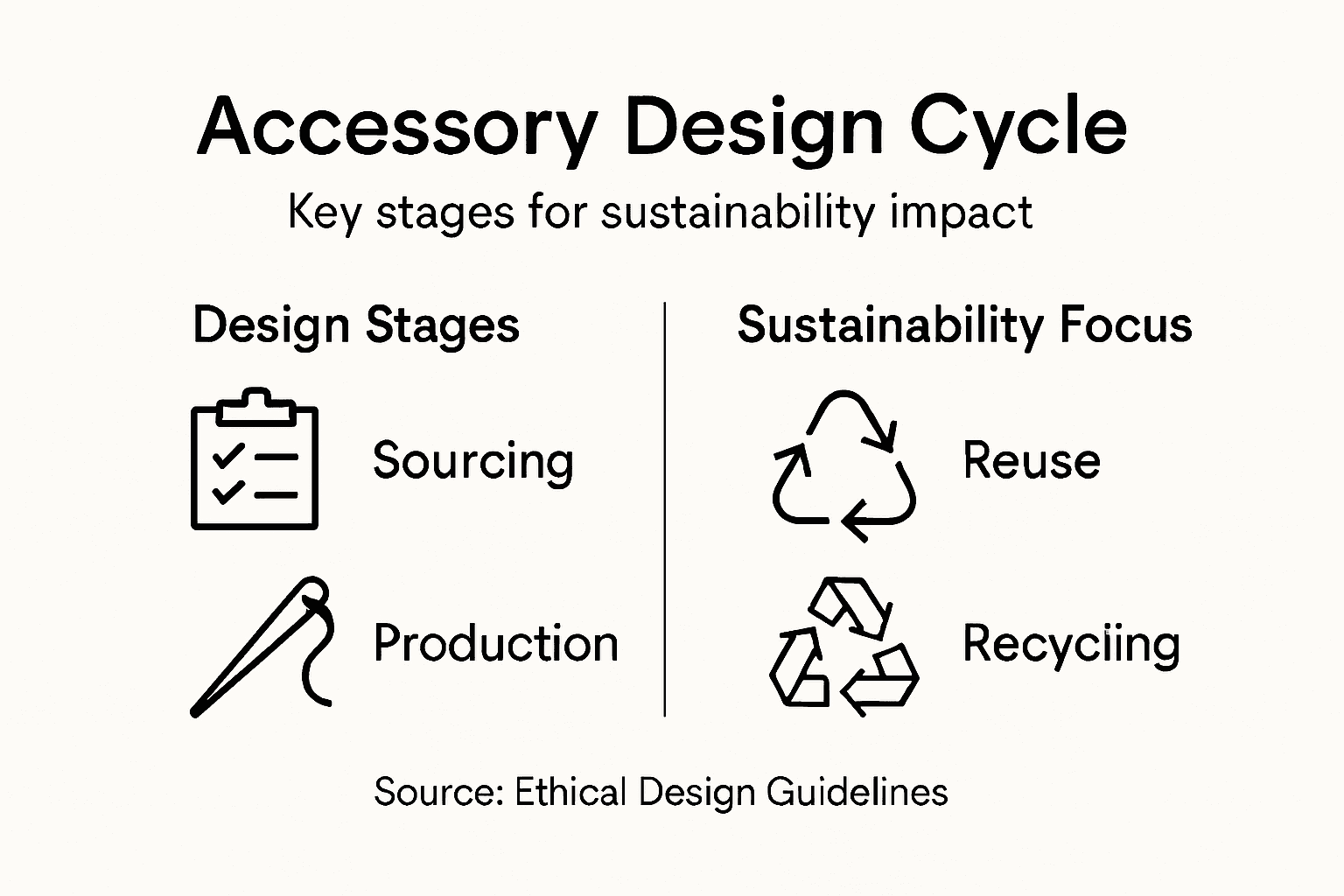
Pro tip: Request transparency reports from brands and examine their sustainable production credentials before making purchasing decisions.
Risks, Trade-Offs, and Common Mistakes
Sustainable accessory design involves navigating complex challenges in sustainability implementation, where well-intentioned efforts can inadvertently create unintended consequences. Designers must carefully balance environmental, social, and economic considerations to avoid falling into common sustainability pitfalls.
Key risks and trade-offs in sustainable accessory design include:
- Greenwashing Potential: Marketing sustainability without substantive changes
- Cost Implications: Higher production expenses for sustainable materials
- Performance Trade-offs: Balancing ecological benefits with product functionality
- Supply Chain Complexity: Managing multiple sustainable sourcing requirements
- Consumer Perception: Communicating genuine sustainability efforts
Common mistakes designers frequently encounter:
- Overlooking comprehensive lifecycle analysis
- Focusing solely on material selection
- Neglecting social impact dimensions
- Inadequate transparency in production
- Ignoring end-of-life product management
Sustainability is not a checkbox, but a holistic approach requiring continuous learning and adaptation.
Ethical design considerations demand a nuanced understanding that goes beyond surface-level environmental claims. Designers must critically evaluate the entire ecosystem of production, understanding that seemingly sustainable choices can have complex, interconnected consequences.
Successful sustainable accessory design requires constant vigilance, interdisciplinary collaboration, and a willingness to challenge existing production paradigms. By acknowledging potential risks and maintaining a holistic perspective, designers can create truly transformative sustainable solutions.
Pro tip: Conduct thorough lifecycle assessments and seek independent sustainability verification to avoid unintentional greenwashing.
Comparing Cork to Other Ethical Options
Sustainable accessory materials represent a diverse landscape of ethical design alternatives, with cork emerging as a particularly compelling option for environmentally conscious consumers. Each material offers unique sustainability credentials, requiring careful comparative assessment.
Key comparative characteristics include:
- Renewable Resource Potential: Cork’s exceptional regenerative capacity
- Processing Impact: Minimal energy requirements for material extraction
- Biodegradability: Natural decomposition properties
- Carbon Sequestration: Ability to capture and store atmospheric carbon
- Durability and Longevity: Performance across different environmental conditions
Comparing primary sustainable material alternatives:
Here is a comparison of leading sustainable accessory materials based on their ecological impact and practical advantages:
| Material | Ecological Impact | Durability | Standout Feature |
|---|---|---|---|
| Cork | Carbon negative, renewable | Highly resilient | Naturally water-resistant |
| Organic Cotton | Biodegradable, less toxic | Moderate to high | Soft, versatile fibre |
| Recycled Plastics | Diverts plastic waste | Very durable | Supports circular economy |
| Pineapple Leather | Utilises agricultural waste | Good flexibility | Vegan and plant-based |
| Mushroom Materials | Low energy production | Good, but evolving | Grows rapidly, compostable |
- Cork: Renewable, low-impact harvesting
- Organic Cotton: Low pesticide usage
- Recycled Plastics: Waste reduction potential
- Pineapple Leather: Innovative agricultural byproduct utilisation
- Mushroom-based Materials: Emerging bio-composite technology
Sustainable material selection transcends single environmental metrics, demanding holistic evaluation.
Ecological performance metrics reveal cork’s distinctive advantages. Unlike synthetic alternatives that require extensive petrochemical processing, cork represents a naturally harvested material with minimal environmental intervention. Its unique cellular structure provides exceptional durability while maintaining lightweight characteristics.
Designers and consumers increasingly recognise that material selection represents a profound ethical choice. By prioritising materials like cork, which support ecosystem preservation and minimal industrial processing, the accessory industry can dramatically reduce its environmental footprint.
Pro tip: Investigate material sourcing transparency and verify ecological credentials before making sustainable purchasing decisions.
Elevate Your Style with Truly Sustainable Accessories
The challenge of balancing environmental responsibility with stylish, durable design is at the heart of sustainable accessory innovation. This article highlights the importance of material innovation, ethical sourcing, and embracing circular economy principles to create accessories that do not compromise on aesthetics or integrity. If you seek to avoid greenwashing and support products with transparent production lifecycles, then making conscious fashion choices is essential for impactful change.
Discover how cork, an eco-friendly and renewable material, offers a perfect solution. Explore our curated selection at Chic & Sustainable: Stylish Ladies’ Cork Crossover Bags Collection – The Cork Store where design meets ethical craftsmanship.
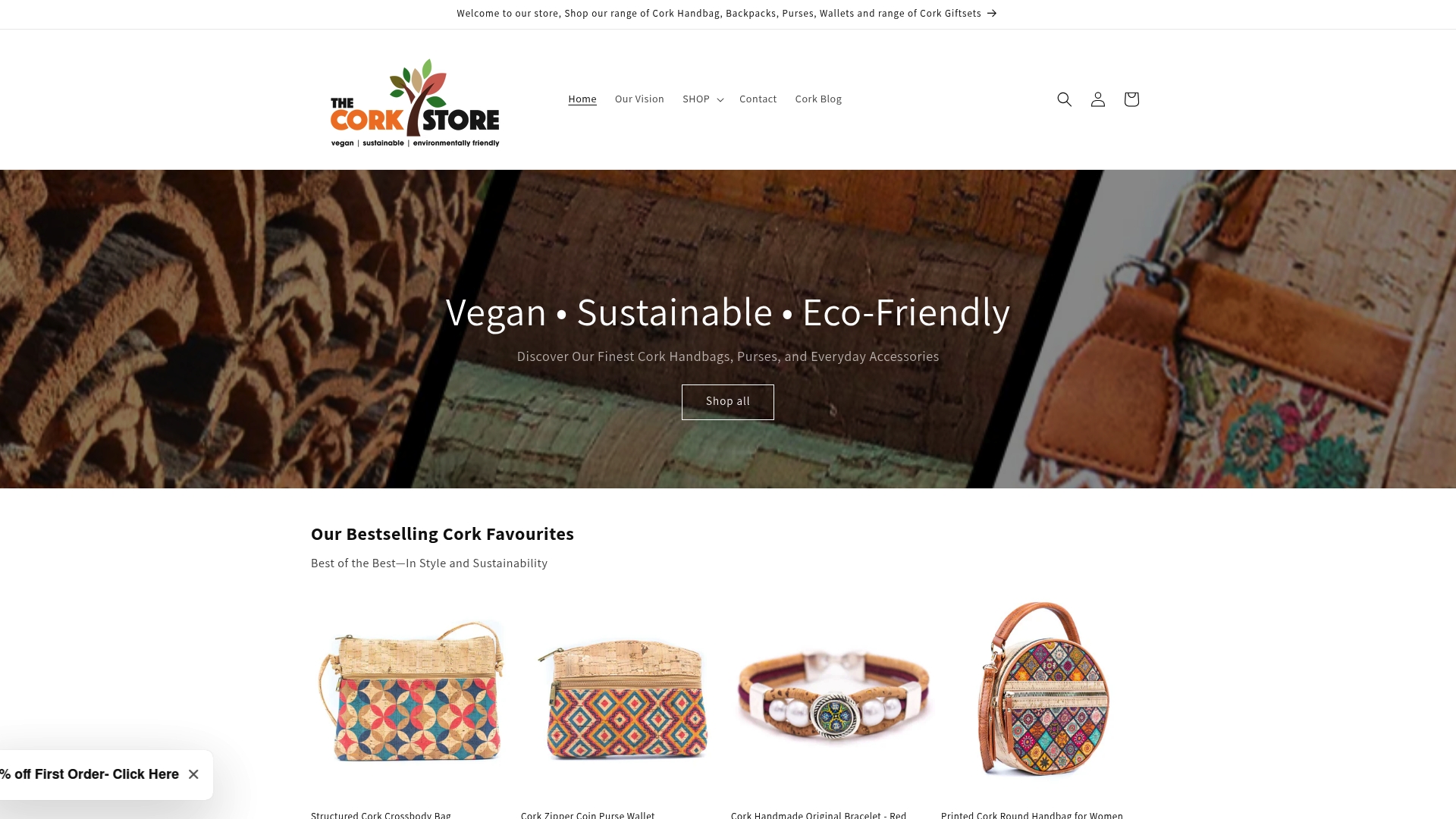
Take the step to be part of the circular economy and reduce your carbon footprint today. Browse versatile and cruelty-free designs in our Women’s Cork Accessories | Eco-Friendly Everyday Style – The Cork Store and enjoy a seamless shopping experience at The Cork Store. Your next favourite sustainable accessory is just a click away.
Frequently Asked Questions
What is sustainable accessory design?
Sustainable accessory design is a holistic approach that considers environmental, social, and economic factors during product development, prioritising materials and practices that minimise ecological impact and promote ethical manufacturing.
How do circular economy principles apply to accessory design?
Circular economy principles in accessory design emphasise creating products that can be easily recycled or repurposed, focusing on waste minimisation, material recovery, and extending the lifecycle of accessories through durable and repairable designs.
What are some eco-friendly materials used in accessory design?
Eco-friendly materials include recycled metals, organic textiles, plant-based leathers like cork and pineapple leather, reclaimed ocean plastics, and bio-composite materials. These alternatives aim to reduce environmental impact while maintaining aesthetic appeal.
What are common mistakes made in sustainable accessory design?
Common mistakes include overlooking comprehensive lifecycle analysis, focusing solely on material selection without considering social impacts, failing to ensure transparency in the supply chain, and neglecting end-of-life product management.
Recommended
- Why Sustainable Accessories Matter for Eco-Fashion – The Cork Store
- What Makes Accessories Sustainable: Key Principles – The Cork Store
- Sustainable Accessories: Style That Respects Nature – The Cork Store
- What Makes Accessories Eco-Friendly? Key Factors – The Cork Store
- 10 designer buys that are worth the investment | B Woman