

What Makes Accessories Eco-Friendly? Key Factors
Finding accessories that match your style and your values should not feel like a compromise. For many globally minded millennials and Gen Z shoppers, the search for fashion that truly respects the environment leads to a deeper look at what eco-friendly really means. Sustainable accessories are about more than buzzwords, embracing responsible material choices, ethical production, and true circularity. Discover how vegan cork accessories offer a blend of style and environmental consciousness, helping you make confident, guilt-free choices.
Table of Contents
- Defining Eco-Friendly Accessories And Misconceptions
- Types Of Eco-Friendly Materials For Accessories
- Key Features Of Eco-Friendly Accessories
- Cork Accessories: Sustainability And Vegan Value
- Pitfalls To Avoid In Eco-Friendly Choices
Key Takeaways
| Point | Details |
|---|---|
| Eco-Friendly Accessories Are Sustainable | They prioritise environmental consciousness through responsible materials and ethical practices. |
| Misconceptions About Eco-Friendly Fashion | Consumers often believe that sustainable items lack style or are too costly, which is not true. |
| Importance of Material Lifecycle | Evaluating the entire production lifecycle is crucial to ensure genuine sustainability. |
| Watch Out for Greenwashing | Be wary of misleading claims and seek transparent information regarding environmental practices. |
Defining Eco-Friendly Accessories and Misconceptions
Eco-friendly accessories represent a sophisticated approach to fashion that prioritises environmental consciousness and sustainable design. These items go beyond aesthetic appeal, incorporating intentional manufacturing processes that minimise ecological harm. Comprehensive sustainability principles demonstrate that true eco-friendly design involves considering the entire lifecycle of an accessory, from raw material selection through to eventual disposal.
Contrary to popular belief, being eco-friendly is not about achieving absolute perfection, but making responsible choices that progressively reduce environmental impact. Sustainable accessories are characterised by several key attributes: using recyclable or biodegradable materials, implementing low-waste production techniques, supporting ethical labour practices, and creating products designed for longevity. Environmentally conscious manufacturing methods ensure that each accessory contributes minimally to pollution and resource depletion.
Key misconceptions about eco-friendly accessories often stem from oversimplified understanding. Many consumers mistakenly believe that sustainable fashion means sacrificing style or paying significantly higher prices. However, contemporary sustainable design proves that environmental responsibility and aesthetic excellence can coexist harmoniously. Modern eco-friendly accessories demonstrate that thoughtful production can create beautiful, functional items without compromising ecological integrity.
Pro Tip: When evaluating an accessory’s eco-friendliness, look beyond marketing claims and examine the product’s entire production lifecycle, material sourcing, and end-of-use disposal potential.
This table highlights common misconceptions versus the underlying reality of eco-friendly accessories:
| Misconception | Reality |
|---|---|
| Style must be sacrificed | Sustainable designs can be highly stylish |
| Always costs significantly more | Many options are competitively priced |
| Only material matters | Lifecycle and production impact essential |
| Quality is often compromised | Many eco-friendly items are highly durable |
Types of Eco-Friendly Materials for Accessories
Sustainable fashion accessories increasingly rely on innovative materials that dramatically reduce environmental impact while maintaining exceptional quality and aesthetic appeal. Eco-friendly material innovations represent a critical transformation in accessory design, offering alternatives that challenge traditional manufacturing approaches by prioritising environmental responsibility.
The most prominent sustainable materials include organic natural fibres and advanced recycled composites. Organic materials such as hemp, bamboo, and organic cotton provide remarkable ecological advantages, requiring minimal water and avoiding harmful pesticides during cultivation. These fibres create accessories with low carbon footprints and biodegradable properties. Additionally, sustainable material selections encompass recycled plastics transformed into durable, lightweight accessories that prevent waste accumulation in global ecosystems.
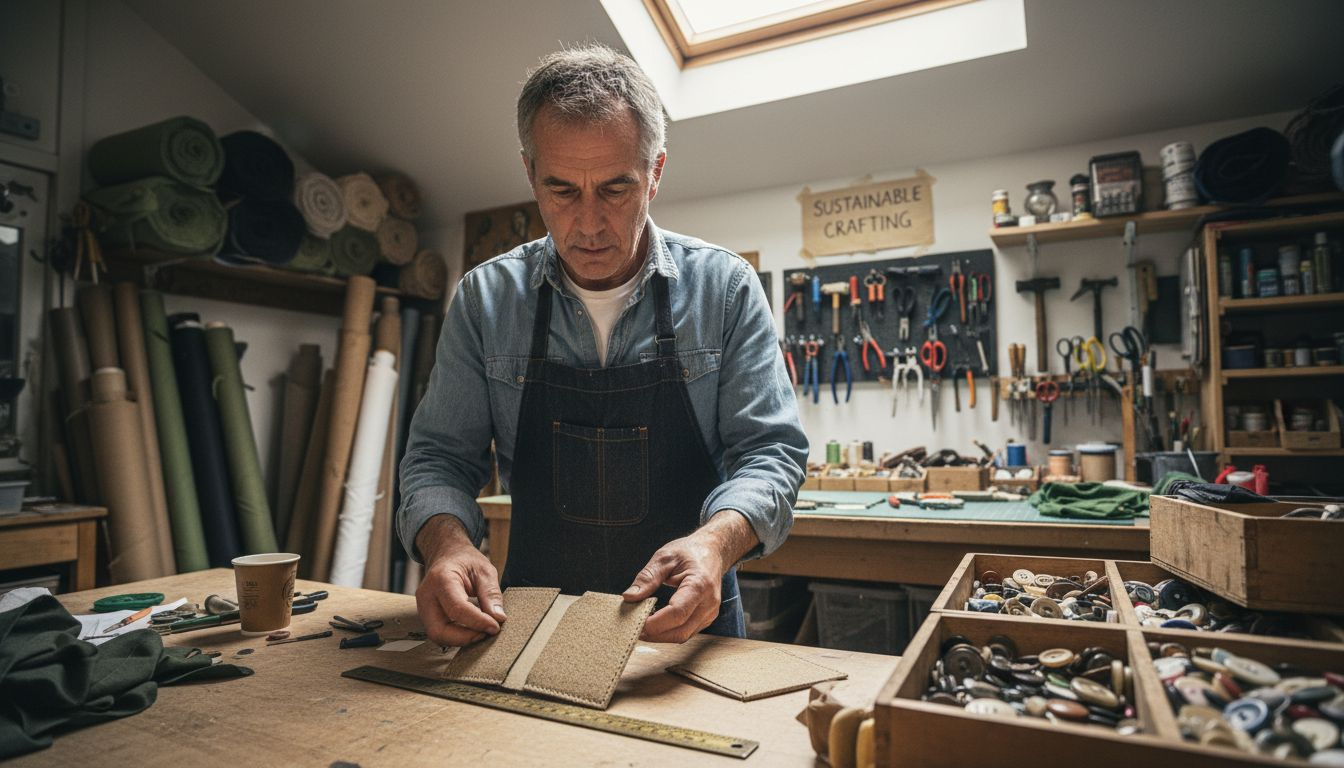
Beyond traditional textiles, emerging sustainable materials include innovative biopolymers and upcycled components derived from agricultural waste, ocean plastics, and industrial byproducts. These materials demonstrate how creative engineering can convert potential waste streams into valuable, stylish accessory components. By reimagining material sourcing, designers are developing accessories that not only minimise environmental harm but actively contribute to circular economy principles.
Pro Tip: When purchasing accessories, examine material composition labels and prioritise items made from recycled, organic, or rapidly renewable materials to support sustainable fashion practices.
Here is a comparison of popular eco-friendly accessory materials and their unique advantages:
| Material Type | Environmental Benefit | Typical Uses in Accessories |
|---|---|---|
| Organic Bamboo | Fast regeneration, low pesticide use | Sunglasses frames, watch bands |
| Recycled Plastics | Prevents waste, lowers resource use | Bags, jewellery, footwear |
| Cork | Renewable, carbon negative | Wallets, belts, handbags |
| Upcycled Textiles | Diverts waste, unique designs | Scarves, bags, patchwork items |
Key Features of Eco-Friendly Accessories
Eco-friendly accessories represent a sophisticated approach to sustainable fashion, characterised by comprehensive environmental and ethical considerations beyond mere material selection. Sustainable accessory design principles encompass a holistic strategy that evaluates environmental impact across multiple dimensions, ensuring each product contributes positively to global sustainability efforts.
The core features of truly eco-friendly accessories include advanced design strategies focused on minimising ecological footprints. Circular design principles drive innovation, emphasising attributes such as material recyclability, reduced chemical usage, and manufacturing processes that prioritise environmental preservation. These accessories are engineered for longevity, with design elements that facilitate easy repair, disassembly, and potential future recycling. Ethical production standards demand transparency in supply chains, ensuring fair labour practices and responsible resource management throughout the production lifecycle.
Beyond material composition, eco-friendly accessories distinguish themselves through comprehensive environmental consciousness. This approach involves carefully selecting renewable or recycled materials, implementing energy-efficient manufacturing techniques, minimising waste generation, and creating products that can be ultimately returned to natural ecosystems or industrial recycling streams. By integrating advanced sustainability metrics into design philosophy, these accessories represent a progressive response to traditional fashion industry practices, demonstrating that style and environmental responsibility can coexist harmoniously.
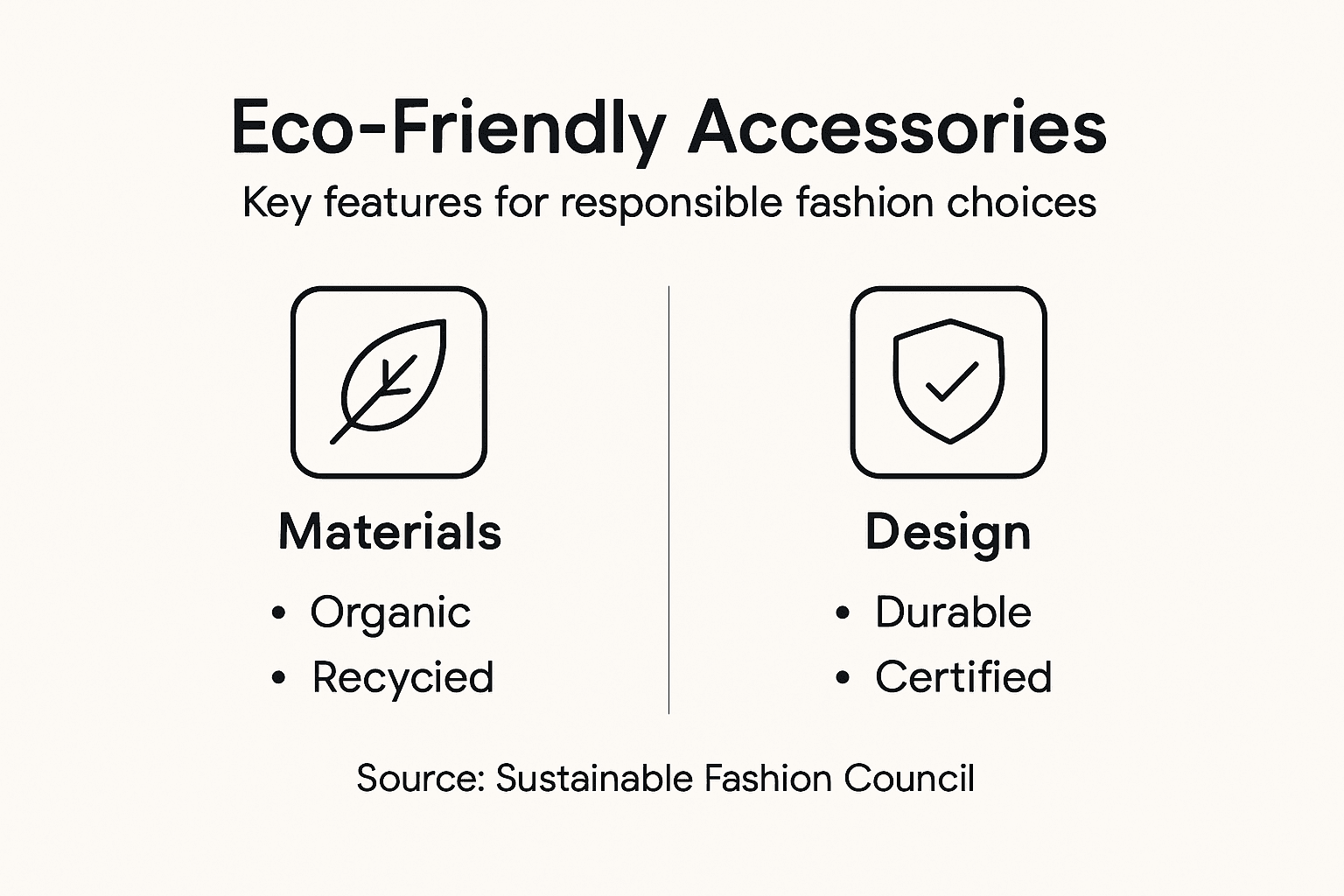
Pro Tip: Examine an accessory’s entire lifecycle story by checking for certifications, understanding material origins, and evaluating the manufacturer’s commitment to transparent, ethical production practices.
Cork Accessories: Sustainability and Vegan Value
Cork’s remarkable sustainability credentials position it as a revolutionary material in the world of ethical fashion accessories. This extraordinary natural resource represents a game-changing alternative to traditional leather, offering environmentally conscious consumers a truly sustainable and cruelty-free option that doesn’t compromise on style or quality.
The harvesting process of cork is itself an ecological marvel, with cork oak trees uniquely capable of regenerating their bark without being damaged. This regenerative characteristic means that cork can be extracted periodically without harming the tree, creating a renewable resource that actively contributes to carbon sequestration and biodiversity preservation. Cork accessories therefore represent more than just a fashion choice – they embody a profound commitment to environmental stewardship, supporting entire ecosystems while providing durable, lightweight, and incredibly versatile products.
Beyond its environmental benefits, cork delivers exceptional performance characteristics that make it an ideal material for accessories. Its natural water-resistance, durability, and lightweight nature make it perfect for wallets, bags, and other everyday items. The material’s unique cellular structure provides remarkable resilience, allowing cork accessories to withstand daily wear while maintaining their aesthetic appeal. Moreover, cork’s vegan credentials ensure that style-conscious consumers can make ethical choices without sacrificing aesthetic sophistication or functional quality.
Pro Tip: When selecting cork accessories, examine the texture, check for certifications of sustainable harvesting, and appreciate how each piece represents a small but significant contribution to global environmental conservation.
Pitfalls to Avoid in Eco-Friendly Choices
Greenwashing practices represent one of the most insidious challenges in sustainable consumer choices. Many brands capitalise on environmental consciousness by making superficial or misleading sustainability claims, creating an illusion of ecological responsibility without substantive change. These deceptive marketing strategies can trick well-intentioned consumers into believing they are making environmentally responsible purchases when, in reality, they are supporting practices that contribute little to meaningful ecological progress.
The complexity of sustainable consumption extends beyond simple marketing claims. Eco-blindness in sustainability initiatives reveals deeper systemic challenges, where organisations implement top-down environmental strategies without considering local social and ecological contexts. Such approaches often result in unintended negative consequences, demonstrating that genuine sustainability requires nuanced, holistic understanding rather than symbolic gestures or standardised global frameworks.
Navigating the landscape of eco-friendly accessories demands critical evaluation and sophisticated consumer awareness. Purchasers must develop skills to distinguish between authentic sustainable practices and performative environmental claims. This involves scrutinising material sourcing, understanding production processes, examining supply chain transparency, and recognising certifications that genuinely represent meaningful environmental commitments. Critically, sustainable choices are not about perfection but about making informed, progressive decisions that collectively contribute to systemic environmental improvement.
Pro Tip: Always request detailed documentation about an accessory’s environmental credentials, and don’t hesitate to ask brands specific questions about their sustainability practices and verifiable impact.
Discover True Eco-Friendly Style with Cork Accessories
Understanding what makes accessories genuinely eco-friendly can be challenging. The article highlights key factors like material lifecycle, ethical production, and avoiding greenwashing—common pitfalls that leave conscious consumers seeking reliable sustainable choices. If you want stylish accessories that embody durability, renewability, and authentic environmental responsibility, cork offers a remarkable solution. Cork’s natural regenerative qualities and vegan appeal align perfectly with the article’s emphasis on circular design and transparency.
Explore our exclusive collection at The Cork Store, where each item is crafted from premium cork materials that respect both nature and cruelty-free values. Whether you are searching for handbags, wallets, or backpacks, our range is designed to meet the highest eco-friendly standards without compromising style or quality.
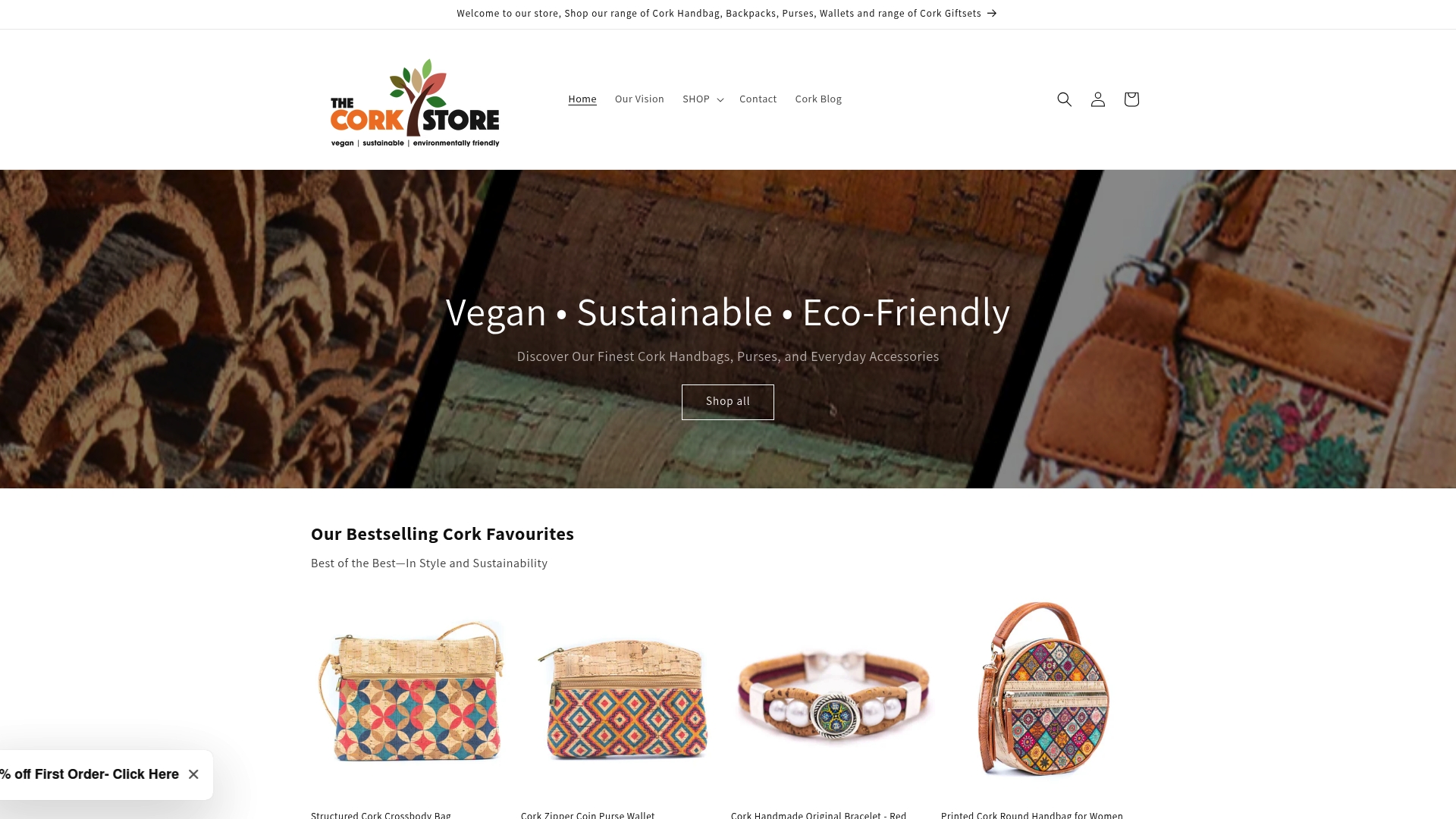
Take the next step towards making truly sustainable fashion choices today. Visit The Cork Store and embrace accessories that reflect your commitment to the environment. Learn more about why cork is a sustainable game-changer and shop with confidence knowing every purchase supports ethical practices and lasting environmental benefits.
Frequently Asked Questions
What materials are commonly used in eco-friendly accessories?
Eco-friendly accessories often utilise materials such as organic cotton, hemp, bamboo, recycled plastics, and cork. These materials are chosen for their sustainability, low environmental impact, and potential for biodegradability or recycling.
How can I identify genuinely eco-friendly accessories?
To identify truly eco-friendly accessories, look for certifications that indicate responsible sourcing, examine the product’s entire lifecycle, and scrutinise marketing claims. Pay attention to the material composition, manufacturing processes, and the brand’s commitment to ethical production practices.
Are eco-friendly accessories more expensive than traditional ones?
Not necessarily. While some eco-friendly accessories may have higher price points due to sustainable practices, many options are competitively priced. It’s important to consider the overall value and long-term durability these products offer, as they often last longer than conventional options.
What is the importance of circular design in eco-friendly accessories?
Circular design is crucial in eco-friendly accessories as it focuses on reducing waste and promoting recycling. Accessories designed with circular principles encourage longevity, ease of repair, and the ability to be recycled, thereby minimising their ecological footprint throughout their entire lifecycle.
Recommended
- Why Sustainable Accessories Matter for Eco-Fashion – The Cork Store
- What Makes Accessories Sustainable: Key Principles – The Cork Store
- Why Choose Sustainable Accessories for Ethical Style – The Cork Store
- Sustainable Accessories: Style That Respects Nature – The Cork Store
- Traxx 9021 14 x 14mm Loyalty Stamp - Recycle Stamp – Stamp Design 4U