
Why eco gifts matter: a guide to sustainable, stylish giving
TL;DR:
- Genuinely eco-friendly gifts meet criteria such as sustainable materials, ethical production, and minimal waste. Verifying third-party certifications is essential to avoid greenwashing and ensure true sustainability. Individual choices influence broader demand, societal norms, and long-term ecological trends through ripple effects.
Choosing a gift feels straightforward until you realise the label “eco-friendly” can mean almost anything. Walk into any shop and you’ll find products wrapped in kraft paper, stamped with a leaf logo, and priced at a premium, yet none of that guarantees genuine sustainability. The truth is that thoughtful, impactful eco gifting requires more than good intentions. It requires knowing what materials actually reduce harm, which claims hold up under scrutiny, and why the choices you make at the checkout affect far more than just one person’s birthday.
Table of Contents
- What makes a gift eco-friendly?
- The real impact of eco gifts: facts and figures
- Not all eco claims are equal: how to spot what truly matters
- Choosing gifts that reflect your values
- The deeper value of eco gifts: what most shoppers overlook
- Discover stylish, sustainable gifts to make an impact
- Frequently asked questions
Key Takeaways
| Point | Details |
|---|---|
| Certifications matter | Always check for trusted third-party certification to avoid greenwashed gifts. |
| Vegan and plant-based lead | Vegan materials like cork significantly cut environmental impacts compared to conventional options. |
| Values shape trends | Choosing eco gifts encourages wider adoption of sustainable, ethical practices. |
| Mindful gifting reduces waste | Homemade, experience-based, or reusable gifts help decrease environmental footprint. |
What makes a gift eco-friendly?
Not every gift marketed as “green” deserves the title. A genuinely eco-friendly gift meets three core criteria: it is made from sustainable, low-impact materials; it is produced ethically; and it generates minimal waste throughout its lifecycle. Vegan materials, recycled inputs, and plant-based alternatives all sit firmly in this category when they are sourced and processed responsibly.
The difficulty is that sustainability matters in ecommerce far more than most brands currently acknowledge, which creates space for vague or misleading claims to flourish. You have likely seen products labelled “natural,” “conscious,” or “planet-friendly” with no third-party verification behind those words. This practice, known as greenwashing, is widespread and it costs consumers both money and environmental goodwill.
“The single most important shift you can make as a gift buyer is moving from trusting labels to verifying them. Ask: who certified this claim, and what exactly does it cover?”
What genuinely separates a sustainable gift from a greenwashed one?
- Materials: Cork, organic cotton, recycled plastics, and Piñatex (pineapple leaf fibre) are verifiably low-impact. Conventional leather and virgin plastics are not.
- Production: Ethical labour practices, fair wages, and low-energy manufacturing all contribute to a product’s true footprint.
- Longevity: A durable item used for years beats a biodegradable one discarded in weeks.
- Certifications: Look for GOTS (Global Organic Textile Standard), Fair Trade, Vegan Society approval, or B Corp status.
Plant-based materials carry measurable advantages. Shifting demand toward vegan alternatives reduces environmental impacts across human health, ecosystems, and resource use. That applies as much to the gifts you give as to the food you eat. Learning more about identifying eco-friendly accessories is one of the most practical steps you can take before your next purchase.
Pro Tip: Before buying, spend 60 seconds searching the brand name alongside “certification” or “sustainability report.” If nothing credible comes up, that tells you something important.
Third-party certifications matter because they involve independent audits. A brand cannot simply pay for a Vegan Society trademark and ignore its manufacturing process. Certification bodies hold companies accountable in ways that self-labelling never can. Greenwashing and unclear eco claims are common enough that treating certification as your baseline is simply good practice, not excessive scepticism.
The real impact of eco gifts: facts and figures
Understanding the criteria is useful. Seeing the numbers behind those criteria is motivating. When you choose a vegan or plant-based gift over a conventional one, you are not making a symbolic gesture. You are making a measurable difference across multiple environmental dimensions.
Research into plant-based consumption patterns shows that a vegan Mediterranean diet reduced impacts across human health, ecosystems, and resource use, and the same material logic applies to the accessories and gifts we choose. Cork, for example, requires no tree felling. Bark is harvested by hand every nine years, the tree continues to absorb carbon, and no toxic chemicals are used in production. Compare that with conventional leather, which involves cattle farming, slaughter, and chrome tanning with heavy metals.
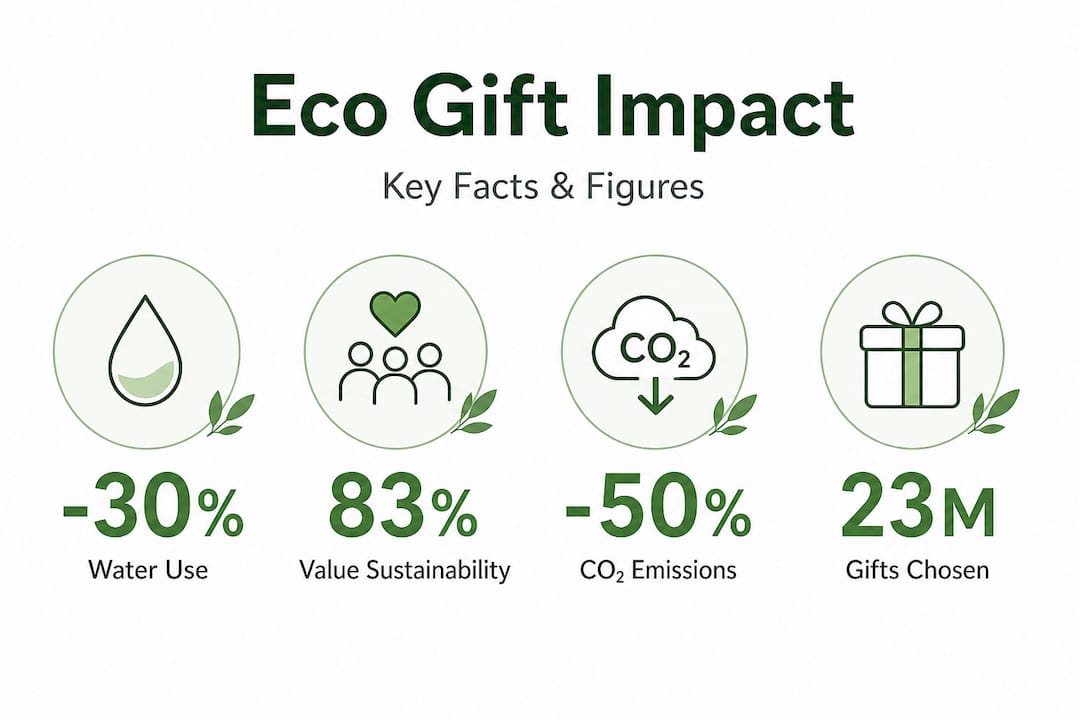
The social dimension is equally compelling. 83% of UK shoppers say sustainability matters in their purchasing decisions. That is not a niche preference. It is a mainstream value that brands are only just beginning to catch up with, and your gift choices contribute to that commercial pressure.
| Gift type | Primary material | Key environmental benefit | Typical certifications |
|---|---|---|---|
| Cork accessory | Harvested bark | Carbon neutral, zero deforestation | Vegan Society, FSC |
| Organic cotton item | GOTS-certified cotton | Lower pesticide and water use | GOTS, Fair Trade |
| Recycled plastic product | Post-consumer plastic | Diverts waste from landfill | GRS (Global Recycled Standard) |
| Conventional leather item | Cattle hide | None | Often uncertified |
| Fast fashion gift | Polyester/virgin plastic | None | Often uncertified |
The contrast is stark. Beyond the individual purchase, conscious gifting choices contribute to broader ethical gifting choices that shift what retailers stock and what manufacturers produce. Every cork wallet sold signals demand. Every leather wallet skipped signals the opposite.

Want to see what genuinely sustainable gifts look like in practice? Vegan accessory examples offer a clear picture of how style and ethics coexist without compromise.
Key takeaways from the data:
- Vegan materials consistently outperform animal-based alternatives across environmental impact categories.
- Consumer demand directly shapes supply chains, meaning your choices have commercial as well as ecological weight.
- Certified products deliver verifiable, not just theoretical, benefits.
Not all eco claims are equal: how to spot what truly matters
Greenwashing is not always deliberate deception. Sometimes brands genuinely believe their products are better for the planet without having done the work to verify that claim. Either way, the result for you as a shopper is the same: a product that underdelivers on its environmental promise. Recognising the signs helps you spend your money where it actually counts.
| Claim type | What it suggests | What to look for instead |
|---|---|---|
| “Natural” or “organic” | Vague, unverified | GOTS or equivalent third-party certification |
| “Eco-friendly packaging” | Deflects from product itself | Sustainable materials AND packaging |
| “Carbon neutral” | Needs methodology detail | Clear offsetting + reduction strategy |
| Certified vegan | Third-party verified | Vegan Society trademark or equivalent |
| “Made sustainably” | Self-declared, unverifiable | Named certifications and supply chain transparency |
The difference between self-labelled and certified products is not subtle. Third-party certifications hold brands accountable in ways that self-labelling never can, yet many shoppers still rely on packaging aesthetics rather than certification credentials.
Here is a practical checklist for verifying sustainability claims quickly:
- Search for the specific certification body listed and confirm the brand appears on their register.
- Check whether the claim covers the product itself or only the packaging.
- Look for a supply chain transparency statement, even a brief one.
- Read reviews from eco-focused publications or communities, not just the brand’s own website.
- Ask yourself whether the price reflects the genuine cost of ethical production. If it seems suspiciously cheap, it probably is.
For a deeper look at what trustworthy eco credentials look like in practice, the guide to eco-friendly accessory tips breaks down specific materials and markers worth knowing.
Pro Tip: The word “vegan” on a product confirms no animal products were used, but it does not automatically mean the product is sustainably made. Combine vegan materials with certified ethical production for full confidence. Exploring eco fabric options gives you a useful reference point for understanding which textiles genuinely deliver.
One subtle greenwashing pattern worth watching: brands that emphasise one positive attribute (say, recycled packaging) while obscuring a problematic one (such as synthetic interior lining derived from virgin petroleum). This selective transparency is extremely common and easy to miss if you are only skimming product pages.
Choosing gifts that reflect your values
Knowing how to evaluate claims is one thing. Selecting gifts that genuinely reflect what you believe is another. The good news is that the range of authentically sustainable, stylish options has expanded enormously. You no longer have to choose between something beautiful and something ethical.
Frameworks for value-aligned gifting:
- Vegan and cruelty-free: Prioritise accessories, beauty products, and clothing made without animal-derived materials. Cork, Piñatex, and Tencel are excellent starting points.
- Zero-waste or low-waste: Choose items with minimal or reusable packaging, or gifts that replace single-use alternatives in daily life.
- Experiential: Tickets to events, workshops, or experiences carry no physical waste at all and often create stronger memories than objects.
- Repurposed or upcycled: Items made from reclaimed materials close the loop on waste and reward creative manufacturing.
Mindful gifting research shows that focusing on value, experience, and waste reduction creates lasting impact beyond the object itself. This is particularly relevant at times like birthdays or Christmas, when the pressure to give “something impressive” can overshadow the importance of giving “something meaningful.”
Practical actions you can take right now:
- Swap conventional wrapping paper for recycled paper, fabric wrapping, or reusable gift boxes.
- Write a note explaining why you chose a sustainable gift. It starts a conversation and reinforces values.
- Buy from brands that publish clear sustainability information, not just aspirational brand statements.
- Consider curated gift sets that combine multiple sustainable items in one thoughtfully presented package.
For inspiration on gifts that combine craft, ethics, and genuine appeal, the vegan gift set ideas blog offers curated examples. If you want a focused gift guide built around materials that truly hold up to scrutiny, sustainable cork accessories is a solid place to start.
Pro Tip: If the recipient is building a more sustainable wardrobe, a gift that complements that journey carries extra meaning. The vegan wardrobe tips guide is a useful companion resource for that kind of thoughtful gifting.
The deeper value of eco gifts: what most shoppers overlook
Here is something most eco gifting articles do not say plainly enough: the individual environmental saving from a single purchase is almost always small. A cork wallet over a leather one matters, but it does not save a forest by itself. What it does do is something more powerful and more durable. It signals.
When you give someone a cork handbag or a certified vegan accessory, you are not just reducing one unit of demand for leather. You are introducing that person to a different idea of what quality, style, and value look like. You are showing your wider social circle that sustainability does not mean settling for less. That ripple effect is where the real impact lives, and it is systematically undervalued in most eco-shopping conversations.
Consumer behaviour research confirms that sustainability values strongly influence purchasing decisions, not only for the individual buyer but across their social networks. When someone receives a beautiful, well-made sustainable gift, they ask where it came from. They mention it. They start looking for similar things. You have just shifted a purchasing pattern, not just fulfilled a gift obligation.
The other thing most shoppers overlook is the long-term effect of consistent intentional choices. The eco fashion trends gaining momentum in 2026 are not emerging from nowhere. They are the direct result of years of consumers choosing differently, demanding more, and refusing to accept greenwashed alternatives. Every purchase you make either feeds or starves these trends.
There is a common mistake in eco-conscious gifting: obsessing over product specifications while ignoring brand ethics entirely. A product can use a certified sustainable material while being manufactured in exploitative conditions. That is not a win. The full picture includes materials, production, labour, and longevity. When all four align, you have a gift worth giving.
Discover stylish, sustainable gifts to make an impact
You now have a clear framework for identifying, evaluating, and selecting eco gifts that genuinely deliver on their promise. The next step is finding them.
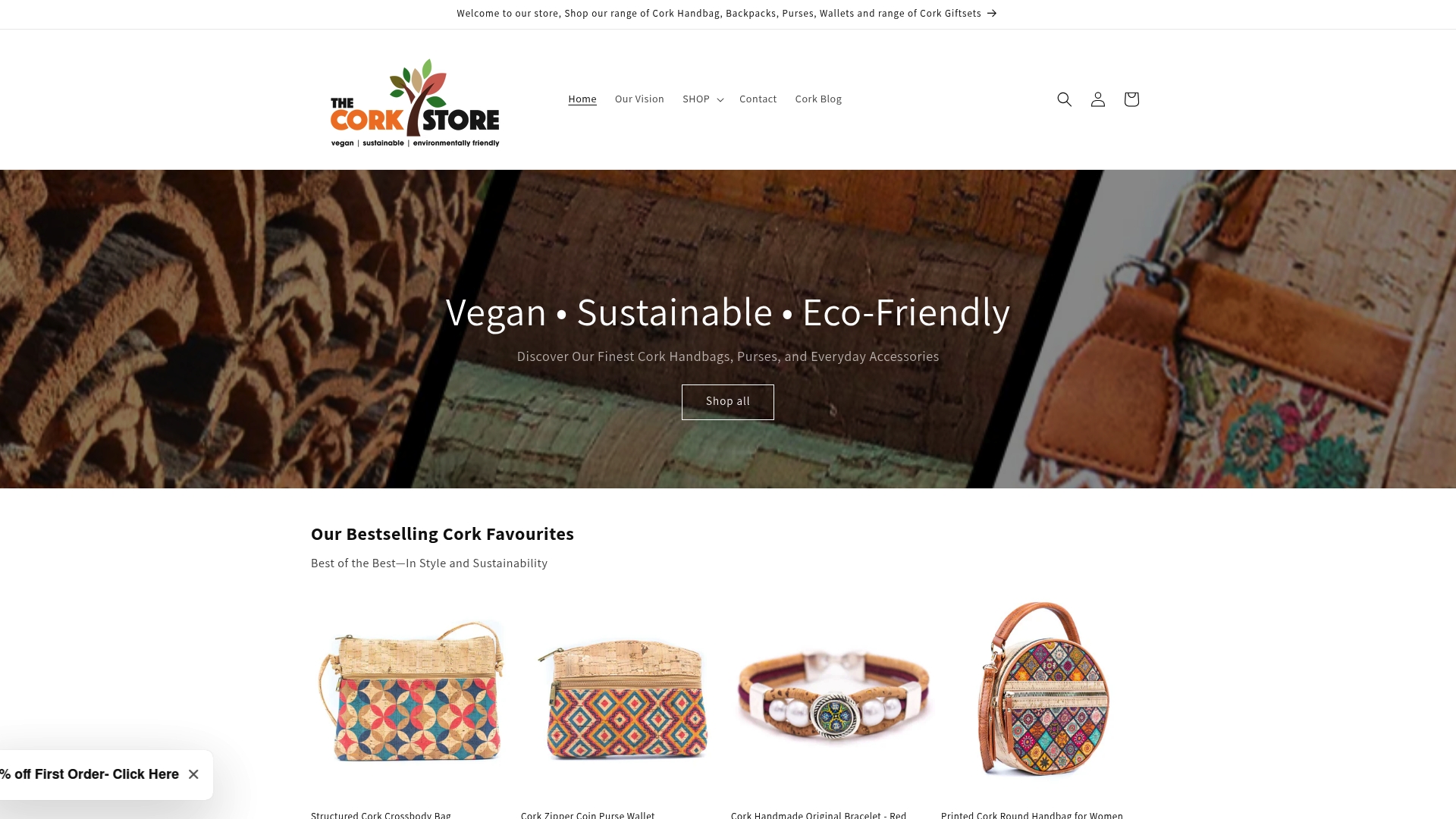
At The Cork Store, every product starts from a place of genuine commitment: vegan materials, cruelty-free production, and cork’s remarkable natural properties. Whether you are browsing for a birthday, a celebration, or simply because someone deserves something beautiful and ethical, the curated collections here take the guesswork out of sustainable shopping. From sleek wallets to elegant handbags and thoughtfully assembled gift sets, each item is designed to look exceptional while leaving a lighter footprint. Browse the full range and find a gift that means something, both to the person receiving it and to the planet you both share.
Frequently asked questions
How can I quickly tell if a gift is truly eco-friendly?
Look for named third-party certifications such as Vegan Society approval, GOTS, or Fair Trade, rather than relying on vague self-labelled claims. Greenwashing is common, so independent verification is your most reliable shortcut.
Why do vegan materials make such a difference for eco gifts?
Vegan materials like cork and plant-based textiles use significantly fewer resources and generate less pollution than animal-based alternatives throughout their lifecycle. Research confirms that vegan materials reduce impacts across human health, ecosystems, and resource use.
Does my choice really influence larger change, or is it just a drop in the ocean?
Your choice does more than reduce one unit of environmental harm. It reinforces demand for ethical products and, through your social network, shifts norms commercially and socially. Sustainability values strongly influence broader purchasing decisions beyond just your own.
What are some meaningful ways to reduce gift waste?
Choose reusable, upcycled, or experience-based gifts, and use minimal or reusable wrapping instead of disposable paper. Mindful gifting focused on value and waste reduction creates impact that outlasts the unwrapping moment.
Recommended
- Why gift sustainable products: ethical choices that last – The Cork Store
- Eco-conscious shopping: Guide to sustainable style in 2026 – The Cork Store
- Why Invest in Eco Handbags: Sustainable Style and Impact – The Cork Store
- Vegan gift guide: stylish, sustainable cork accessories – The Cork Store
- Why Choose Preloved Luxury: Save 30%-70% & Go Sustainable