
Eco fabrics: stylish and animal-free textile options
TL;DR:
- Genuine eco fabrics meet criteria like renewable inputs, low chemical processing, and biodegradability.
- Top sustainable fabrics include hemp, linen, TENCEL lyocell, and recycled materials like rPET.
- Certifications and transparent supply chains are vital for verifying true environmental and ethical claims.
Choosing a truly sustainable fabric feels overwhelming when greenwashing is rampant and every brand claims to be “eco-friendly.” The reality is that sustainable textiles are made from renewable, biodegradable, recycled, or low-impact materials that avoid toxic chemicals and virgin plastics, yet not all options are equal. Whether you care most about animal welfare, carbon footprint, or durability, your fabric choice shapes the ethical and environmental story behind every item you wear or carry. This guide breaks down the criteria for genuinely eco-friendly materials, highlights the best plant-based and innovative animal-free options, and helps you make a confident, values-led decision.
Table of Contents
- What makes a fabric eco-friendly?
- Top plant-based and recycled eco fabrics
- Innovative animal-free leather and fibre alternatives
- How to choose the right eco fabric for your needs
- Why there’s no one-size-fits-all eco fabric
- Stylish animal-free accessories and eco fabrics at The Cork Store
- Frequently asked questions
Key Takeaways
| Point | Details |
|---|---|
| Eco fabric criteria | Choose textiles based on renewability, certifications, animal-free sources, and low-impact processing. |
| Top materials | Hemp, linen, TENCEL lyocell, and organic cotton excel as everyday eco options. |
| Innovative vegan choices | Piñatex, mycelium leather, Orange Fiber, and cork offer stylish, animal-free alternatives. |
| Beware greenwashing | Check certifications and life cycle evidence to avoid misleading eco claims. |
| No perfect fabric | Every material involves trade-offs; balance style, impact, and ethics. |
What makes a fabric eco-friendly?
The term “eco-friendly fabric” gets thrown around loosely, but it has real, measurable meaning when you know what to look for. Truly sustainable textiles score well across several dimensions: how the raw material is grown or sourced, how it is processed, and what happens to it at the end of its life. No single factor tells the whole story.
Here are the core criteria that define an eco-friendly fabric:
- Renewable or recycled inputs: Natural fibres like hemp and linen are annually renewable, while recycled synthetics divert waste from landfill.
- Low chemical processing: Conventional dyeing and finishing can be highly toxic. Certifications help flag safer alternatives.
- Animal-free content: Vegan fabrics avoid harm to animals, which matters deeply to ethical shoppers.
- Biodegradability: Can the fabric return safely to the earth, or will it persist as waste for centuries?
- Transparent supply chains: Knowing where and how a fabric is made is just as important as what it is made from.
Certifications act as your most reliable shortcut. Look for GOTS (Global Organic Textile Standard) for organic fibres, OEKO-TEX Standard 100 for chemical safety, and FSC (Forest Stewardship Council) for wood-derived fibres like TENCEL. These labels mean independent auditors have verified the claims, not just the marketing team.
A common misconception is that “natural” automatically means “eco.” Conventional cotton, for example, uses enormous volumes of pesticides relative to other crops. Silk and wool are natural but involve animal exploitation. The full picture requires a life cycle assessment, known as an LCA, which measures environmental impact from raw material extraction through to disposal.
Pro Tip: When shopping for fabrics or accessories, learn to read care labels and certification marks together. A GOTS logo alongside low-temperature wash instructions is a strong signal of genuine sustainability.
“No single eco fabric is perfect; sustainability always depends on sourcing, processing, and the certifications backing each claim.”
Understanding how to practise spotting sustainable materials in real shopping situations builds confidence and filters out the noise.
Top plant-based and recycled eco fabrics
Now that we are clear on the criteria, let us explore the top fabric options and compare their real-world performance. Each material has genuine strengths, and knowing the trade-offs helps you match the right fabric to the right purpose.
Organic cotton is the familiar favourite. It avoids synthetic pesticides and supports farmer welfare, but it remains thirsty for water. It is soft, breathable, and widely available, making it a solid everyday choice when certified organic.
TENCEL lyocell is produced in a closed-loop system where over 99% of the solvent used is recovered and reused. It is silky, breathable, and drapes beautifully, making it ideal for dresses, blouses, and lightweight scarves. It is also completely animal-free.
Hemp and linen are the high performers in life cycle assessments. LCA data confirms hemp and linen carry the lowest environmental impact of any mainstream textile, needing minimal water, no pesticides, and improving soil health as they grow. Both are durable and get softer with washing.
Recycled polyester (rPET) converts plastic bottles into wearable fabric, reducing upstream greenhouse gas emissions significantly. However, it sheds microplastic fibres during washing, which end up in waterways. Use a microfibre-catching laundry bag to reduce this risk.
Here is a quick breakdown by use case:
- Everyday wardrobe basics: Organic cotton or hemp for breathability and durability
- Drapey or occasion wear: TENCEL lyocell for a luxurious, fluid finish
- Outerwear or performance gear: rPET for weather resistance with recycled credentials
- Accessories and bags: Hemp canvas or cork for structure and longevity
Pro Tip: Check the PFMM eco material rankings from Textile Exchange before committing to a fabric. The matrix scores materials across multiple impact categories, giving you a fast, credible reference point.
For a broader overview of what different materials mean for your wardrobe, the eco-friendly fabrics guide covers key comparisons in plain language.
Innovative animal-free leather and fibre alternatives
Beyond traditional fabrics, a new wave of vegan innovations offers exciting possibilities for animal-friendly style. These materials use agricultural byproducts and natural processes to create leather-like and textile alternatives that look and feel remarkable.
Piñatex is made from pineapple leaf fibre, a byproduct of pineapple harvesting in the Philippines. It has a textured, leather-like finish and is used for shoes, bags, and accessories. It biodes partially but is often blended with a resin coating, so it is not fully compostable.
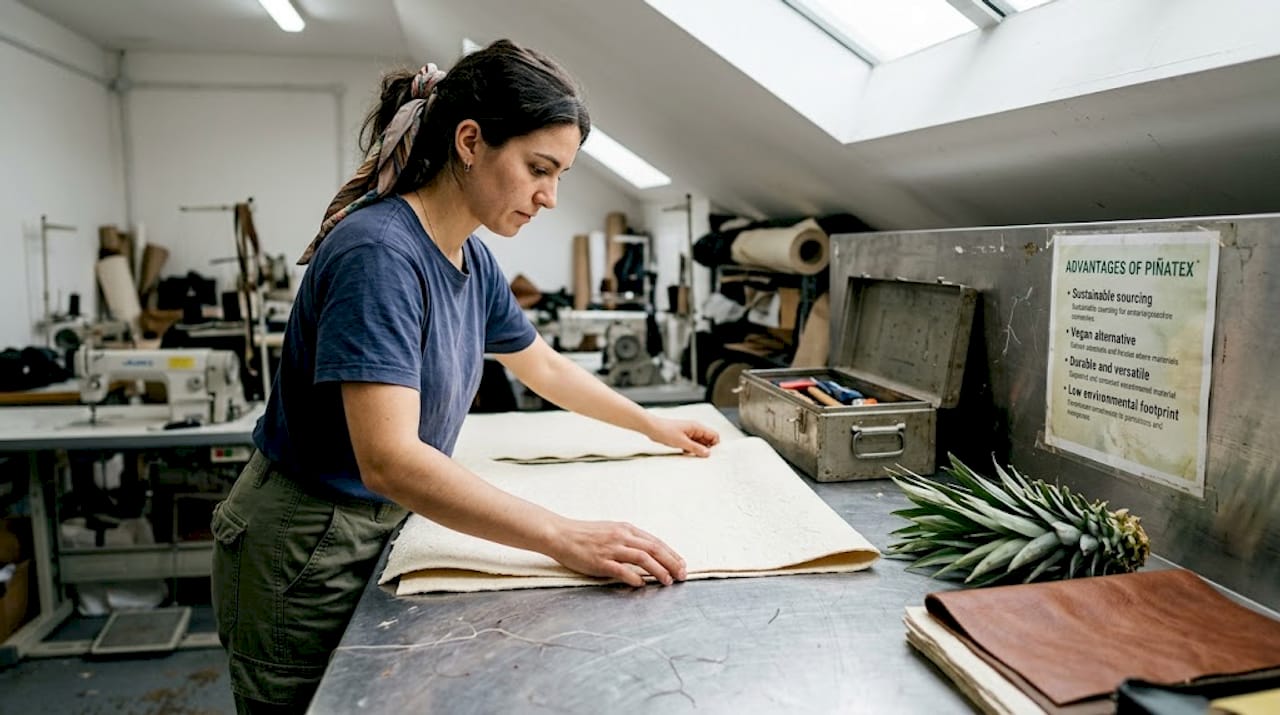
Mycelium leather grows from mushroom roots (mycelium) and can be shaped into sheets that mimic animal leather. Impressively, it is biodegradable within 90 to 120 days, making it one of the most circular materials in development. Brands like Bolt Threads and MycoWorks are scaling production, though commercial availability remains limited.
Orange Fiber upcycles citrus waste from Italian juice production into a silk-like yarn. Lightweight and lustrous, it suits premium fashion applications beautifully.
Cork stands apart as the most commercially mature and accessible of the group. Harvested from the bark of cork oak trees without felling them, cork is naturally renewable every nine years. It is water-resistant, lightweight, and has a distinctive, warm grain that makes cork a compelling vegan leather alternative for bags, wallets, and accessories.
| Material | Animal-free | Biodegradable | Durability | Commercially available |
|---|---|---|---|---|
| Piñatex | Yes | Partially | Medium | Yes |
| Mycelium leather | Yes | Yes (90-120 days) | Medium-High | Limited |
| Orange Fiber | Yes | Yes | Medium | Limited |
| Cork | Yes | Yes | High | Yes |
For a deeper look at vegan leather alternatives and the case for avoiding animal leather, these resources lay out the ethical and environmental arguments clearly.
How to choose the right eco fabric for your needs
Comparing these options side by side helps you make practical and ethical decisions tailored to your wardrobe and values. The “best” eco fabric depends entirely on what you need it to do.
Start with these questions before buying:
- What is the garment or accessory for? A bag needs structure and water resistance. A summer top needs breathability. Match the material to the function.
- How will you care for it? Linen and hemp can handle warm washes. TENCEL needs gentle cycles. rPET sheds microfibres in every wash.
- What is your primary ethical priority? Animal-free? Low carbon? Biodegradable? Knowing your priority helps you weigh trade-offs honestly.
- What certifications can you verify? If a brand cannot point to GOTS, OEKO-TEX, or equivalent, treat its claims with caution.
- What is your budget? Hemp canvas and organic cotton offer strong sustainability at accessible price points. Innovative materials like mycelium leather carry premium costs.
| Fabric | Best for | Key concern | Certification to look for |
|---|---|---|---|
| Organic cotton | Everyday clothing | Water use | GOTS |
| Hemp/linen | Durable basics, bags | Availability | GOTS |
| TENCEL lyocell | Drapey garments | Brand transparency | FSC |
| rPET | Outerwear | Microplastic shedding | Global Recycled Standard |
| Cork | Accessories, bags | Sourcing region | FSC |
The full lifecycle of a fabric, covering production, use, care, and end-of-life, determines its true environmental cost. A beautifully certified fabric worn twice and thrown away is not sustainable. Durability and care habits matter as much as the material itself.
Certifications remain your strongest guard against greenwashing. As PFMM guidance confirms, credible labels help filter genuine performers from imposters in a crowded market. Use the natural vegan fabrics list from PETA as a further reference when exploring animal-free options.
Pro Tip: Before purchasing, search the brand name alongside “supply chain transparency” or “sustainability report.” Genuine eco brands publish this information openly. If it is hidden, that tells you something important.
For practical guidance on identifying genuine products in the wild, learning to spot sustainable fashion is a skill worth building early.
Why there’s no one-size-fits-all eco fabric
After years of watching the sustainable fashion space evolve, one truth keeps surfacing: the search for a perfect eco fabric is a distraction. Every material involves trade-offs. Hemp is outstanding on land and water impact, but sourcing certified European hemp is harder than it should be. TENCEL is beautifully processed, but it still requires energy-intensive finishing. Innovative materials like mycelium leather are thrilling in the lab but remain expensive and hard to find at scale.
What matters more than perfection is honest prioritisation. If animal welfare is your non-negotiable, cork and plant-based options are your allies. If carbon footprint leads your thinking, LCA-backed rankings point firmly toward hemp and linen. If you want something commercially available, durable, and genuinely stylish today, cork fabric and TENCEL deliver without compromise.
We also think the conversation around certifications deserves more honesty. Certifications are necessary but not sufficient. A certified fabric produced on the other side of the world, shipped via air freight, has a very different footprint from the same fabric made locally. Region, transport, and brand accountability all belong in your eco fabric comparisons. The framework matters, but so does your own critical thinking.
Stylish animal-free accessories and eco fabrics at The Cork Store
If you are ready to move from research to real choices, cork accessories offer one of the most satisfying entry points into animal-free, sustainable style.
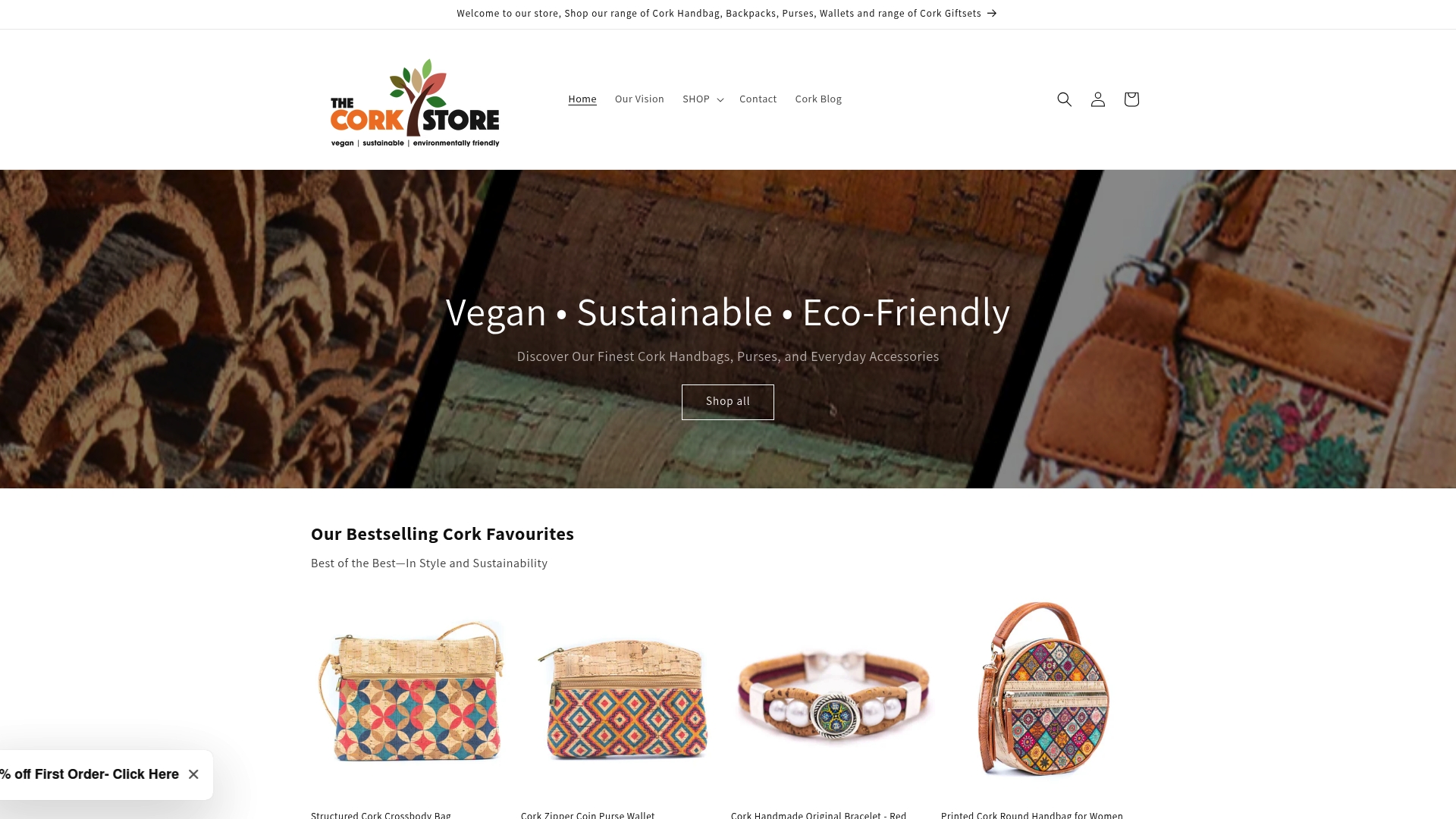
Cork is harvested without harm, naturally water-resistant, and ages with character rather than deteriorating. At The Cork Store, you will find beautifully crafted accessories that bring everything covered in this guide to life in a tangible, stylish way. The cork wallet gift set makes an ideal first step, offering genuine vegan craftsmanship in a practical everyday form. Browse the full range of eco-friendly cork gifts to discover wallets, bags, and accessories that prove sustainable style requires absolutely no compromise.
Frequently asked questions
What are the most sustainable eco fabrics for everyday wear?
Hemp, linen, and TENCEL lyocell are consistently top-ranked for everyday garments due to low environmental impact and high durability. LCA data confirms hemp and linen score lowest on impact, while TENCEL lyocell uses closed-loop processing to minimise waste.
Are all plant-based fabrics animal-free and environmentally friendly?
Most plant-based fabrics are animal-free, but not all are low-impact. Bamboo viscose can be chemically intensive, so certified lyocell alternatives are the safer, more responsible choice.
How can I avoid greenwashing when choosing eco fabrics?
Look for credible certifications like GOTS, OEKO-TEX, and FSC, and check for transparent supply chains. Certifications from PFMM are essential guardrails that help separate genuine performers from misleading marketing claims.
Are recycled synthetics like rPET sustainable choices?
Recycled synthetics reduce upstream greenhouse gas emissions but can shed microplastics during washing. Full lifecycle impact, including use and end-of-life stages, must be considered before treating rPET as a straightforward sustainable choice.
Which eco fabrics are truly biodegradable?
Hemp, linen, organic cotton, mycelium leather, and cork are all biodegradable. Mycelium leather is the fastest to break down, doing so in as little as 90 to 120 days under the right conditions.
Recommended
- Eco-Friendly Wardrobe Guide for a Stylish Vegan Look – The Cork Store
- Top eco-friendly fashion trends 2026 for conscious shoppers – The Cork Store
- Eco-Friendly Fashion Terminology: Making Ethical Choices – The Cork Store
- Why avoid animal leather: sustainable style guide – The Cork Store
- 2023 Fence and Gate Trends: From Sustainable Materials to Innovative Technologies