

Why avoid animal leather: sustainable style guide
Many believe animal leather is simply a byproduct of the meat industry, carrying minimal environmental cost. This assumption overlooks the significant pollution, resource consumption, and ethical concerns embedded in leather production. From greenhouse gas emissions during livestock rearing to toxic chemical runoff from tanneries, the true impact extends far beyond what most consumers realise. This guide explores why avoiding animal leather supports both environmental sustainability and cruelty-free fashion, offering practical alternatives that combine style with conscience.
Table of Contents
- Environmental And Ethical Impacts Of Animal Leather
- Understanding The True Climate Impact Of Leather
- The Environmental Toll Of Tanning And Processing
- Cruelty-Free Alternatives: Vegan Leather And Sustainable Materials
- Explore Stylish Vegan Leather Alternatives At The Cork Store
Key takeaways
| Point | Details |
|---|---|
| Environmental burden | Animal leather production generates substantial greenhouse gas emissions and pollutes water through toxic tanning chemicals. |
| Hidden climate costs | Leather carries a measurable climate impact often obscured by allocation methods that undervalue hides in cattle farming systems. |
| Tanning pollution | Processing hides releases chromium, dyes, and heavy metals into ecosystems, threatening worker health and local communities. |
| Vegan alternatives | Plant-based and synthetic materials offer stylish, durable options without animal cruelty or intensive environmental damage. |
| Consumer power | Choosing certified vegan leather reduces your carbon footprint and drives industry innovation towards sustainable fashion. |
Environmental and ethical impacts of animal leather
Animal leather production begins with livestock farming, an industry responsible for massive greenhouse gas emissions worldwide. Cattle rearing alone contributes methane and nitrous oxide at scales that rival entire transport sectors. One pair of cow leather boots creates around 66 kilograms of carbon pollution, a figure that shocks many who view leather as merely a secondary product. This carbon burden stems from feed production, land clearing, and digestive emissions from ruminants.
The environmental impact of leather extends beyond climate gases. Tanning transforms raw hides into durable material through chemical processes that pollute water supplies and soil. Chromium salts, sodium sulfide, and synthetic dyes flow from tanneries into rivers, contaminating drinking water and destroying aquatic ecosystems. Workers in tanning facilities face chronic exposure to carcinogens and respiratory hazards, particularly in regions with weak labour protections.
Three-quarters of all leather originates from cows and buffalo, but the industry also exploits goats, pigs, and exotic animals. Each hide represents an animal raised in conditions often marked by confinement, stress, and premature slaughter. The economic model treats sentient beings as production units, prioritising profit over welfare. This ethical dimension cannot be separated from environmental concerns, both stem from systems that extract maximum value while externalising harm.
Key pollutants from leather production include:
- Chromium compounds that accumulate in sediments and bioaccumulate in food chains
- Sodium sulfide used in hair removal, releasing toxic hydrogen sulfide gas
- Formaldehyde and glutaraldehyde as preservatives and fixatives
- Synthetic dyes containing heavy metals like lead and cadmium
- Organic solvents that evaporate into air or leach into groundwater
“The leather industry operates at the intersection of animal agriculture and chemical manufacturing, amplifying the environmental footprint of both sectors whilst creating unique pollution challenges that persist for decades.”
Consumers rarely see these impacts when purchasing leather goods. Marketing emphasises natural materials and timeless quality, obscuring the industrial reality. Understanding the full lifecycle, from pasture to tannery to finished product, reveals why avoiding animal leather aligns with sustainability values. The hidden costs manifest in degraded landscapes, contaminated water, and communities bearing health burdens they never consented to shoulder.
Understanding the true climate impact of leather
Allocating greenhouse gas emissions between beef and leather presents methodological challenges that shape our understanding of leather’s climate burden. Traditional approaches assign most emissions to meat, treating hides as minor byproducts with negligible environmental responsibility. This economic allocation uses market value to distribute upstream impacts, but leather’s relatively low price compared to beef can obscure its true footprint. Failing to assign an upstream impact to hides produces biased estimates of the climate burden of beef, creating distorted pictures of both industries.
Recent studies demonstrate that hides carry measurable climate responsibility even when valued lower than meat. Cattle farming generates emissions throughout the animal’s life, from feed production to enteric fermentation. Excluding leather from this accounting allows the impact of leather production to hide within beef statistics, misleading consumers who seek low-carbon products. More sophisticated models consider physical allocation based on mass or biophysical relationships, revealing leather’s genuine contribution.
Price fluctuations complicate matters further. Hide values vary with fashion trends, global demand, and competition from synthetic alternatives. When leather prices rise, economic allocation assigns greater emissions to hides. When prices fall, the climate burden shifts back to meat. This volatility creates inconsistent environmental assessments that obscure long-term trends. Researchers now advocate for allocation methods that reflect biological reality rather than market dynamics, providing stable baselines for comparison.
| Allocation method | Emissions assigned to leather | Limitations |
|---|---|---|
| Economic (market value) | 5-15% of total cattle emissions | Fluctuates with hide prices, undervalues environmental cost |
| Physical (mass-based) | 8-12% of total cattle emissions | Ignores economic drivers but provides stable baseline |
| Biophysical (energy content) | 10-18% of total cattle emissions | Reflects biological reality, harder to calculate accurately |
Pro tip: When evaluating leather’s sustainability claims, ask which allocation method underpins the carbon footprint data. Economic allocation typically presents the most favourable figures for leather whilst obscuring its true climate impact.
These technical considerations matter for conscious consumers. Products marketed as sustainable leather may rely on optimistic allocation assumptions that minimise reported emissions. Transparent brands publish full lifecycle assessments with clear methodologies, allowing informed comparisons. Without this detail, greenwashing thrives, and genuinely lower-impact alternatives struggle to compete on environmental grounds.
Understanding allocation also illuminates why shifting away from animal leather creates climate benefits beyond simple carbon accounting. Reducing leather demand decreases the economic incentive for cattle farming, potentially lowering herd sizes over time. This systemic change, though gradual, offers more substantial emissions reductions than allocation debates suggest. Every vegan leather purchase signals market preference for materials that avoid livestock farming entirely, driving innovation in plant-based and recycled alternatives.
The environmental toll of tanning and processing
Transforming raw hides into finished leather requires intensive chemical treatment that multiplies environmental damage. Tanning preserves organic material against decomposition, but conventional methods rely on toxic substances that persist in ecosystems. Chromium tanning dominates the industry, accounting for roughly 80% of global leather production. Only 50-60% of chromium is absorbed; the rest is discharged into wastewater, contaminating rivers and aquifers with hexavalent chromium, a known carcinogen.
Water consumption during tanning reaches staggering volumes. Processing one tonne of hides demands between 20,000 and 80,000 litres of water, depending on techniques and efficiency measures. This water becomes heavily polluted with dissolved solids, organic matter, and chemical residues. Tanneries in water-scarce regions exacerbate local shortages whilst degrading remaining supplies. Communities downstream face health crises as chromium, sulfides, and dyes infiltrate drinking water sources.
The effects of leather tanning extend to air quality and soil contamination. Volatile organic compounds evaporate during finishing processes, contributing to smog and respiratory problems. Solid waste containing chromium sludge often ends up in unlined landfills, leaching into groundwater over decades. Workers suffer disproportionately, with elevated rates of cancer, skin diseases, and respiratory conditions documented in tanning communities worldwide.
Key stages in leather processing and their environmental impacts:
- Soaking and liming: Removes hair and flesh using sodium sulfide and lime, generating highly alkaline wastewater with offensive odours.
- Deliming and bating: Neutralises pH and softens hides with ammonium salts and enzymes, adding nitrogen compounds to effluent.
- Pickling: Acidifies hides with sulfuric acid and salt, creating corrosive waste streams that damage infrastructure.
- Tanning: Introduces chromium salts or vegetable tannins, with chromium methods producing toxic sludge requiring special disposal.
- Dyeing and finishing: Applies synthetic dyes, oils, and protective coatings containing heavy metals and solvents that volatilise or wash away.
Regulatory pressure in developed nations has pushed polluting tanneries towards countries with weaker environmental laws. This environmental injustice concentrates harm in communities least equipped to resist or remediate. Bangladesh, India, and China host large tanning industries operating with minimal oversight, where effluent flows directly into rivers and workers lack protective equipment. The global leather supply chain thus exports pollution whilst importing finished goods, obscuring responsibility through geographical distance.
Pro tip: Vegetable tanning offers a less toxic alternative to chromium methods, using plant-derived tannins from oak, chestnut, or mimosa. Whilst slower and more expensive, it produces biodegradable waste and avoids heavy metal pollution, though it still requires substantial water and energy.
“Tannery pollution represents one of the most severe localised environmental hazards in the fashion industry, combining chemical toxicity with massive resource consumption and inadequate waste management across global supply chains.”
Alternative tanning methods exist but remain niche. Aldehyde tanning produces white leather without chromium but uses formaldehyde, another hazardous chemical. Synthetic tanning agents reduce some pollutants whilst introducing others. No conventional method eliminates environmental harm entirely, which is why avoiding animal leather altogether offers the most reliable path to reducing these impacts. Vegan materials bypass tanning’s chemical intensity, delivering comparable aesthetics without the toxic legacy.
Cruelty-free alternatives: vegan leather and sustainable materials
Vegan leather encompasses diverse materials engineered to replicate traditional leather’s appearance and performance without animal inputs. Plant-based options include cork, mushroom mycelium, pineapple leaf fibre, and apple waste, each offering unique textures and environmental profiles. Synthetic alternatives like polyurethane provide versatility and lower costs, though petroleum-based versions carry their own sustainability concerns. Bio-fabricated leathers grown from microorganisms represent emerging technologies that could revolutionise the industry within the next decade.

Cork stands out among vegan alternatives for its exceptional durability and biodegradability. Harvested from cork oak bark without harming trees, it regenerates naturally and sequesters carbon throughout its lifecycle. The material resists water, maintains flexibility, and develops character over time, much like traditional leather. Cork’s cellular structure provides natural cushioning and insulation, making it ideal for bags, wallets, and accessories that endure daily use.
Benefits of vegan leather extend beyond avoiding animal cruelty. Production typically generates fewer greenhouse gases, consumes less water, and eliminates toxic tanning chemicals. Lifecycle assessments show plant-based leathers often achieve carbon neutrality or even negativity when agricultural practices sequester more carbon than processing releases. Consumer demand drives continuous innovation, with brands developing materials that outperform animal leather in specific applications whilst maintaining ethical integrity.
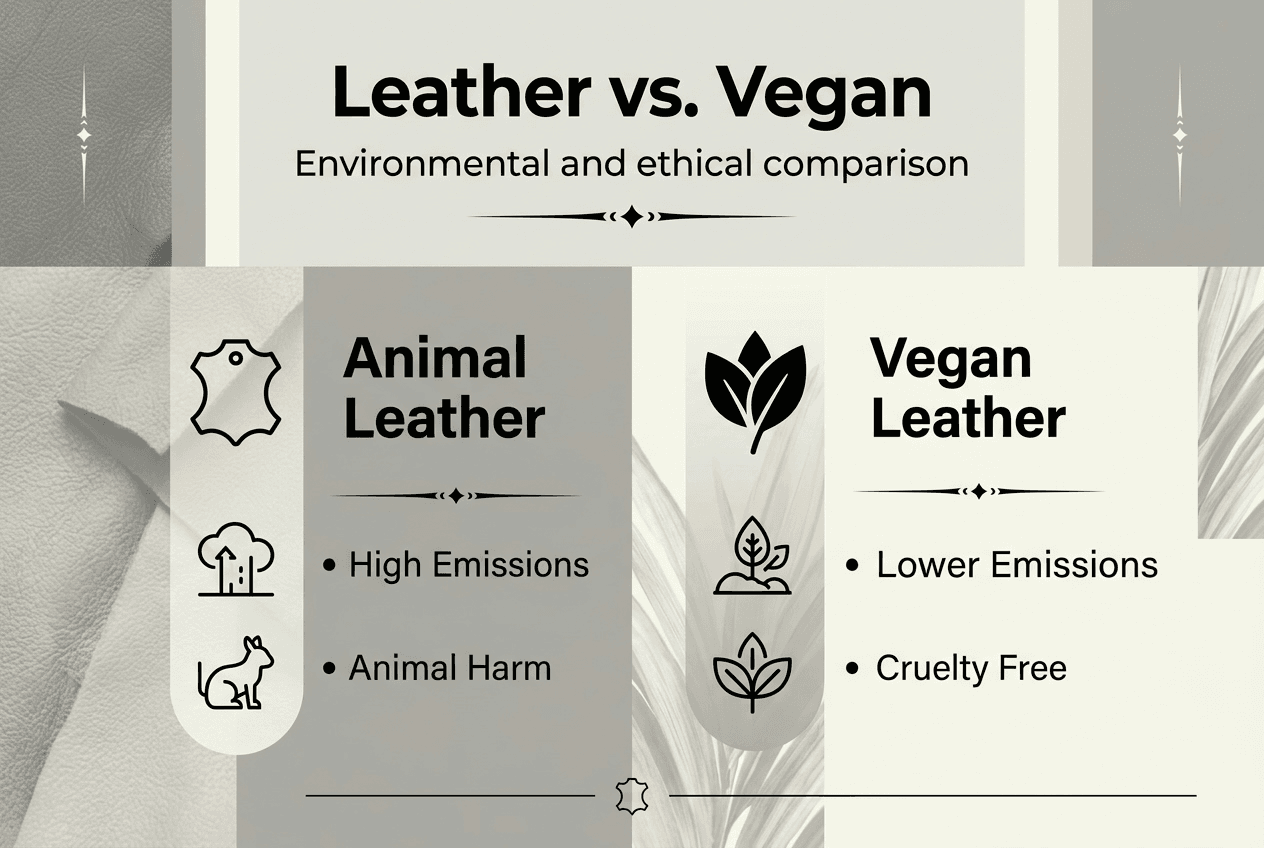
The vegan leather market is expected to reach billions of dollars, reflecting societal shift towards conscious consumption. Fashion houses, automotive manufacturers, and furniture makers increasingly specify vegan materials in response to consumer preferences and sustainability commitments. This mainstream adoption accelerates research into novel materials and manufacturing techniques, creating virtuous cycles where improved products attract broader markets that fund further innovation.
| Material | Source | Key benefits | Considerations |
|---|---|---|---|
| Cork | Oak bark harvest | Renewable, biodegradable, water-resistant, carbon-sequestering | Limited colour range, texture may not suit all applications |
| Mushroom mycelium | Fungal root structures | Rapid growth, customisable properties, compostable | Emerging technology, higher current costs |
| Pineapple leaf fibre | Agricultural waste | Upcycles byproducts, supports farming communities, breathable | Requires blending with other fibres for durability |
| Polyurethane | Synthetic polymer | Versatile, affordable, consistent quality | Petroleum-based versions non-biodegradable, seek bio-based alternatives |
Pro tip: When selecting vegan leather products, prioritise certifications like Global Organic Textile Standard or Cradle to Cradle that verify environmental and social responsibility throughout supply chains. These standards ensure materials deliver genuine sustainability improvements rather than merely avoiding animal inputs.
Consumers should research specific materials to understand trade-offs. Some synthetic vegan leathers shed microplastics or rely on fossil fuels, offsetting benefits from avoiding animal agriculture. Plant-based options generally offer superior environmental profiles but may cost more or have limited availability. Transparency from brands about sourcing, processing, and end-of-life disposal helps buyers align purchases with values.
The cork as vegan leather alternative demonstrates how traditional materials can meet modern sustainability standards. Cork oak forests support biodiversity, prevent soil erosion, and provide livelihoods for rural communities. Choosing cork accessories directly supports these ecosystems whilst enjoying products that age gracefully and perform reliably. As awareness grows, vegan leather transitions from niche alternative to mainstream preference, reshaping fashion industry norms.
Explore stylish vegan leather alternatives at The Cork Store
Transitioning to cruelty-free accessories becomes effortless when you discover products that merge ethics with aesthetics. The Cork Store specialises in premium cork goods that prove sustainable choices need not compromise on style or quality. From sleek wallets to versatile bags, each piece showcases cork’s natural beauty whilst supporting environmental responsibility.
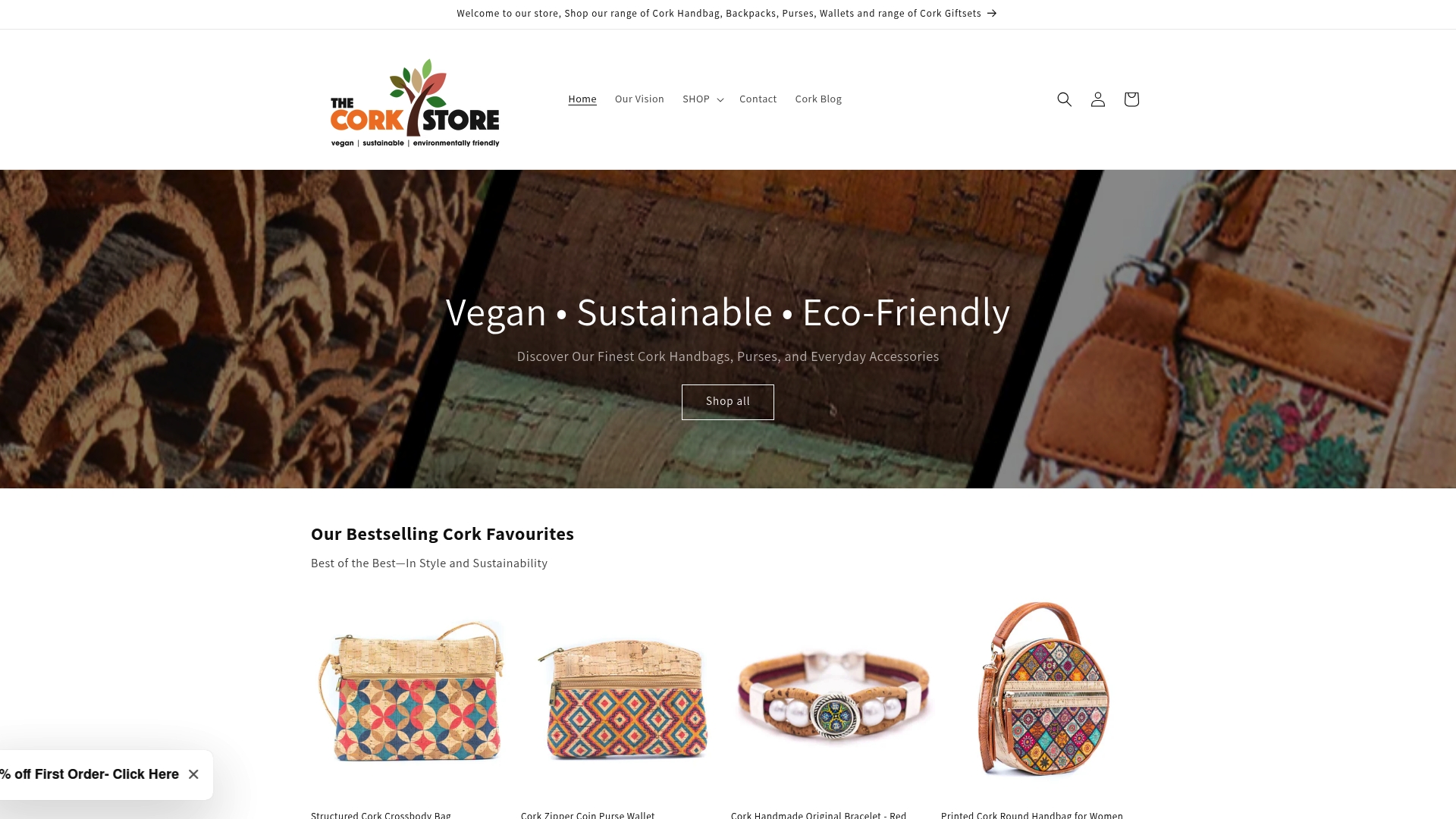
Consider the all-natural cork wallet gift set for a perfect introduction to cork’s versatility. This collection combines functionality with distinctive texture, offering a conversation starter that reflects your values. For those seeking comprehensive gifting options, explore eco-friendly vegan cork gifts that cater to diverse tastes whilst maintaining unwavering commitment to sustainability.
Every purchase signals demand for alternatives that respect animals and ecosystems. By choosing cork accessories, you participate in market transformation that encourages broader industry adoption of sustainable materials. The durability ensures your investment lasts for years, reducing consumption cycles that drive environmental degradation.
Pro tip: Cork products develop unique patinas over time, becoming more personalised with use. This natural ageing process mirrors traditional leather’s appeal whilst avoiding the ethical and environmental costs.
FAQ
How does animal leather impact the environment?
Animal leather production drives greenhouse gas emissions through livestock farming, with cattle generating methane and requiring vast land clearances. The tanning process introduces chromium, sulfides, and synthetic dyes into water systems, contaminating ecosystems and threatening community health. Overall, leather carries a substantial environmental footprint that extends from pasture to finished product, encompassing climate change, pollution, and resource depletion. For detailed analysis, review the environmental impact of leather to understand the full lifecycle consequences.
Is vegan leather really more sustainable than animal leather?
Vegan leather generally produces lower carbon emissions, avoids animal exploitation, and eliminates toxic tanning chemicals from production processes. Plant-based materials like cork biodegrade naturally and often sequester carbon during growth, creating net environmental benefits. However, sustainability varies by material, petroleum-based synthetics carry different concerns than bio-based alternatives, so informed selection matters. Certifications and transparent supply chains help identify genuinely sustainable options. Explore the sustainability of vegan leather for comprehensive comparisons across material types.
How can I identify truly eco-friendly leather alternatives?
Look for third-party certifications like Global Organic Textile Standard, Cradle to Cradle, or Leather Working Group certification that verify environmental performance through independent audits. Research the specific material, cork, mushroom mycelium, and recycled options typically offer superior eco-credentials compared to conventional synthetics. Investigate brand transparency regarding sourcing, manufacturing processes, and end-of-life disposal options. Avoid greenwashing by demanding evidence of sustainability claims rather than accepting vague marketing language. Certification bodies provide searchable databases of verified products and manufacturers.
What animals are used in leather production besides cows?
Whilst cattle provide three-quarters of global leather, the industry also uses buffalo, goats, pigs, sheep, and exotic species including snakes, crocodiles, and ostriches. Each animal faces similar welfare concerns, confinement, stress, and slaughter for skin harvesting. Exotic leathers often involve additional cruelty through wild capture or intensive farming of species with complex needs. The diversity of source animals reflects leather’s pervasive role across fashion, furniture, and automotive sectors, all contributing to animal exploitation at industrial scales.
Does choosing vegan leather really make a difference?
Individual purchasing decisions aggregate into market signals that influence industry behaviour and investment priorities. Growing vegan leather demand has spurred billions in research funding, manufacturing capacity, and retail shelf space for alternatives. This shift reduces economic incentives for animal agriculture whilst demonstrating viable pathways for fashion industry transformation. Your choices contribute to systemic change by supporting innovators, validating sustainable business models, and normalising cruelty-free consumption patterns that inspire others to follow.