
2026 sustainable vegan accessories: UK eco-fashion guide
Over 600,000 British shoppers seek cruelty-free accessories annually, transforming the UK fashion landscape. Growing demand for eco-conscious alternatives has sparked innovation in plant-based materials, offering stylish choices that align with ethical values. This guide explores sustainable vegan accessories, comparing materials, certifications, and practical tips to help you make informed purchasing decisions that benefit both style and planet.
Table of Contents
- Introduction To 2026 Sustainable Fashion Accessories
- Innovative Sustainable Materials For Vegan Accessories
- Environmental Benefits And Material Comparisons
- Certification And Transparency In Vegan And Cruelty-Free Fashion
- Common Misconceptions About Vegan Leather And Sustainability
- Durability, Style And Practical Considerations For Consumers
- Industry Movements And Ethical Standards Advancing Sustainable Fashion
- Practical Tips For Purchasing Sustainable Vegan Accessories In The UK
- Discover Sustainable Vegan Accessories At The Cork Store
Key takeaways
| Point | Details |
|---|---|
| Plant-based materials offer eco-friendly alternatives | Cork, mushroom leather, and pineapple fibre provide renewable, biodegradable options that avoid animal cruelty. |
| Certification ensures ethical standards | Third-party verification from PETA and Vegan Society Trademark confirms genuine vegan and cruelty-free credentials. |
| Not all vegan leather is sustainable | Synthetic options often contain plastic polymers that compromise biodegradability and environmental benefits. |
| Cork and mushroom leather provide durability | These innovative materials match traditional leather quality whilst maintaining ethical and sustainable production. |
| UK brands lead ethical fashion | British retailers prioritise transparency, certification, and sustainable practices to meet growing consumer demand. |
Introduction to 2026 sustainable fashion accessories
The British market for ethical accessories has experienced remarkable growth, driven by consumers who prioritise environmental responsibility alongside personal style. Over 600,000 British shoppers seek cruelty-free accessories annually, creating substantial demand for alternatives to traditional leather goods.
Consumer motivations extend beyond animal welfare concerns. Shoppers recognise that fashion choices impact climate change, resource depletion, and pollution. Younger generations particularly value brands demonstrating genuine commitment to sustainability, researching production methods and material sourcing before purchasing.
Plant-based materials have emerged as viable solutions, offering comparable quality to conventional leather whilst eliminating ethical concerns. These innovations span diverse sources:
- Mushroom leather (Mylo) grown from mycelium networks
- Pineapple leaf fibre (Piñatex) utilising agricultural waste
- Cork harvested from renewable Mediterranean oak bark
- Apple leather created from fruit industry byproducts
- Tomato-based bioleather transforming food waste into durable material
The UK’s fashion industry recognises this shift, with established brands and emerging designers incorporating sustainable materials into collections. Retailers now provide detailed information about material origins, production processes, and environmental certifications, enabling informed purchasing decisions.
Innovative sustainable materials for vegan accessories
Plant-based vegan leather alternatives represent groundbreaking developments in sustainable fashion, each offering unique benefits and characteristics.
Mushroom leather, commercially known as Mylo, derives from mycelium, the root structure of fungi. This material grows rapidly in controlled environments, requiring minimal resources compared to traditional leather. Manufacturers cultivate mycelium on agricultural waste, creating a closed-loop system that reduces environmental impact. The resulting material exhibits leather-like texture and flexibility whilst remaining completely biodegradable.
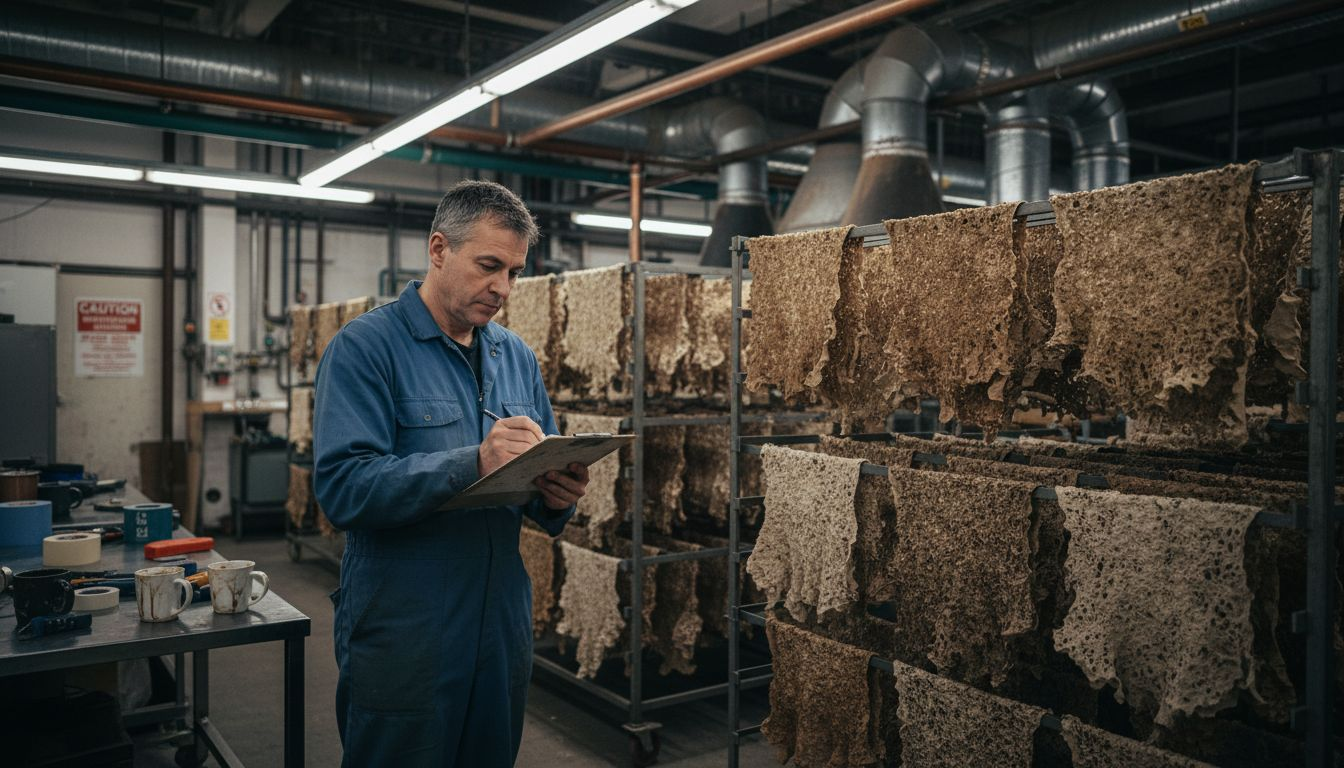
Piñatex utilises pineapple leaf fibres, a byproduct of existing agriculture that would otherwise decompose unused. Filipino farmers extract fibres during harvest, creating additional income streams without requiring extra land or water. The material undergoes processing to achieve durability suitable for handbags, wallets, and footwear, offering a distinctive natural texture.
Cork stands as perhaps the most established sustainable leather alternative, harvested from Mediterranean cork oak trees without causing harm. Trees regenerate bark naturally, with harvesting occurring every nine years throughout the tree’s 200-year lifespan. Cork possesses natural water resistance, antimicrobial properties, and remarkable durability, making it ideal for accessories requiring longevity.
Apple leather transforms waste from juice and cider production into functional material. Manufacturers collect apple pomace, the pulp remaining after pressing, and process it into sheets with leather-like qualities. This innovation reduces food waste whilst creating beautiful, sustainable accessories.
Bioleather derived from tomato waste represents cutting-edge development in sustainable materials. Researchers extract cellulose from discarded tomato skins and stems, creating biodegradable fabric suitable for fashion applications. This technology demonstrates potential for transforming various agricultural byproducts into valuable materials.
Environmental benefits and material comparisons
Understanding environmental benefits of cork and other sustainable materials requires examining their lifecycle impacts compared to conventional alternatives.
Cork harvesting actively benefits Mediterranean ecosystems. Cork oak forests absorb substantial carbon dioxide, with harvested trees capturing three to five times more CO2 than unharvested specimens. The material biodegrades completely, leaving no lasting environmental footprint. Production requires no chemical treatments, with natural properties providing inherent water resistance and durability.
Synthetic vegan leather often contains plastic polymers, which complicates biodegradability and environmental sustainability. Polyurethane (PU) and polyvinyl chloride (PVC) based alternatives rely on fossil fuels for production, contributing to pollution during manufacturing and disposal. Microplastic shedding during use raises additional environmental concerns.
Traditional leather production carries substantial environmental costs:
- Water consumption averaging 17,000 litres per kilogram of leather
- Greenhouse gas emissions from livestock agriculture, particularly methane
- Chemical tanning processes releasing toxic effluents into waterways
- Deforestation for grazing land expansion
- Biodiversity loss in converted ecosystems
The cork vs leather sustainability comparison reveals stark differences in environmental impact across production, use, and disposal phases.
| Material | Biodegradability | Carbon Footprint | Water Usage | Toxicity |
|---|---|---|---|---|
| Cork | Fully biodegradable | Carbon negative | Minimal | None |
| Plant-based alternatives | Varies by material | Low to moderate | Low to moderate | Minimal |
| Synthetic vegan leather | Non-biodegradable | Moderate to high | Moderate | Chemical processing |
| Traditional leather | Biodegradable untanned | Very high | Extremely high | High (tanning) |
Pro tip: Prioritise materials with third-party environmental certifications and transparent supply chains to ensure genuine sustainability beyond marketing claims.
Certification and transparency in vegan and cruelty-free fashion
Certification and transparency mechanisms help consumers navigate increasingly complex sustainable fashion markets, providing reliable verification of ethical claims.
Brands certified by third-party organisations like PETA and the Vegan Society Trademark provide credible assurances of products being vegan and cruelty-free. These certifications require comprehensive auditing of materials, manufacturing processes, and supply chains, ensuring no animal-derived components or testing occurs at any stage.
Major certifications include:
- PETA-Approved Vegan: Verifies products contain no animal materials or byproducts
- Vegan Society Trademark: Confirms absence of animal ingredients and animal testing
- Global Organic Textile Standard (GOTS): Ensures organic fibres meet environmental and social criteria
- Fair Trade Certification: Guarantees ethical labour practices and fair compensation
- B Corporation Certification: Validates overall environmental and social performance
Blockchain technology increasingly enables supply chain transparency, allowing consumers to trace materials from origin to finished product. Brands adopting these systems provide scannable codes revealing detailed information about material sourcing, production locations, and environmental impacts.
Pro tip: Research brand websites for detailed sustainability reports and certification documentation rather than relying solely on product labels, which may present incomplete information.
Transparency extends beyond certifications to encompass manufacturing practices, labour conditions, and environmental initiatives. Brands demonstrating genuine commitment publish regular updates on sustainability goals, progress metrics, and challenges encountered. This openness builds consumer trust and accountability.
Common misconceptions about vegan leather and sustainability
Common misconceptions about vegan leather often confuse consumers seeking genuinely sustainable alternatives, requiring careful clarification.
Consumers often mistakenly believe all vegan leather is sustainable, but synthetic versions with plastic have high environmental costs. The vegan label addresses animal welfare exclusively, not necessarily environmental impact or sustainability credentials.
Misconception one: vegan automatically equals eco-friendly. Many vegan leathers utilise petroleum-based plastics requiring energy-intensive manufacturing and contributing to pollution. These materials may avoid animal cruelty whilst creating different environmental problems, including microplastic pollution and non-biodegradable waste.
Misconception two: all vegan materials offer similar durability. Quality varies dramatically across vegan leather alternatives. Cork and mushroom leather can match traditional leather longevity, whilst certain synthetic options deteriorate rapidly. Material selection significantly impacts product lifespan and long-term sustainability.
Misconception three: vegan certification guarantees comprehensive ethical production. Whilst certifying animal-free materials, vegan labels don’t necessarily address labour conditions, environmental manufacturing impacts, or carbon footprints. Truly ethical purchasing requires examining multiple certification dimensions.
Misconception four: plant-based automatically means biodegradable. Processing methods significantly affect biodegradability. Natural materials treated with synthetic coatings or adhesives may not decompose effectively. Understanding full material composition and production processes provides clearer sustainability pictures.
Misconception five: sustainable accessories require style compromises. Modern plant-based materials offer diverse textures, colours, and finishes matching conventional leather aesthetics. Designers create fashionable pieces demonstrating that ethical choices need not sacrifice personal style preferences.
Durability, style and practical considerations for consumers
Durability and style of vegan accessories address practical concerns affecting purchasing decisions and long-term satisfaction.
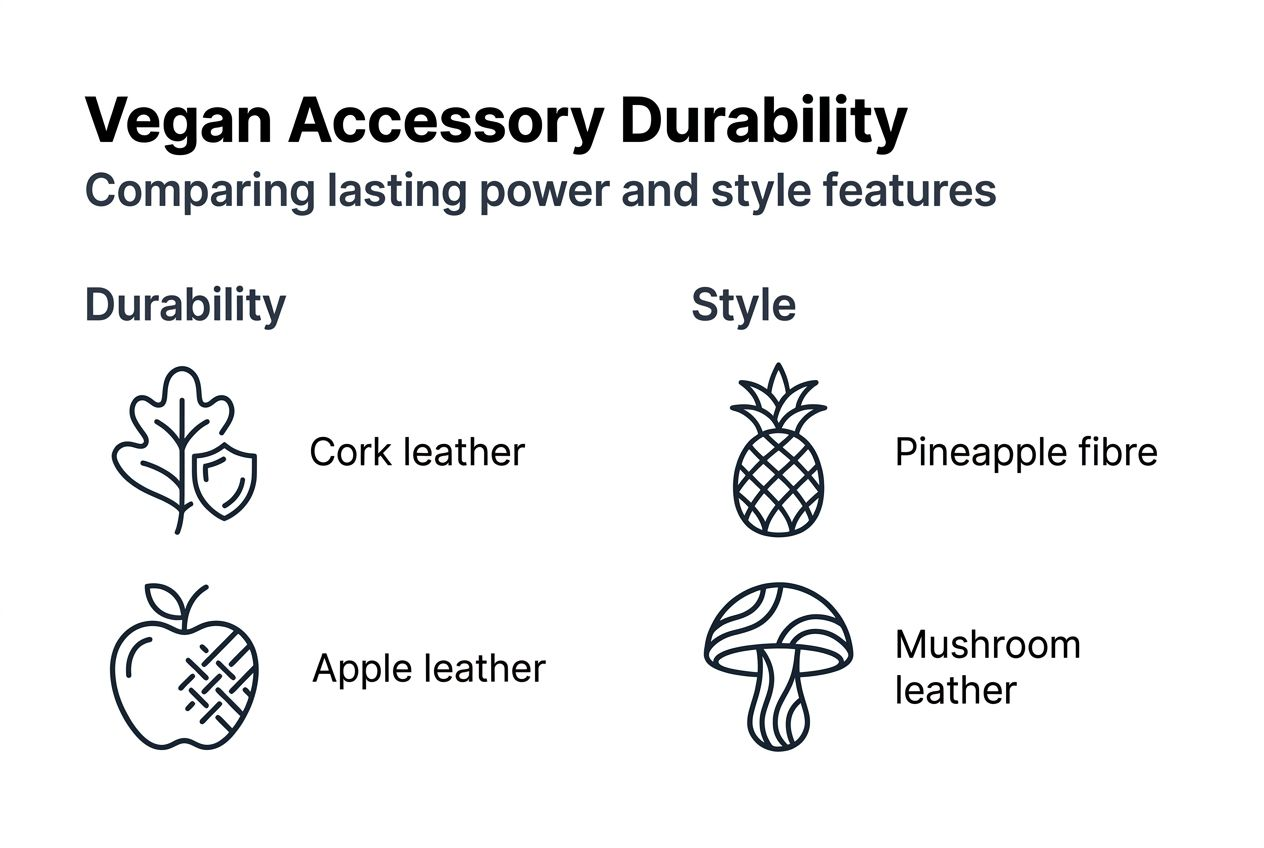
Cork leather durability comparable to traditional leather stems from material properties developed through natural evolution. Cork’s cellular structure provides flexibility, water resistance, and resilience to wear. Properly maintained cork accessories last years, developing attractive patinas that enhance appearance over time.
Innovative plant-based materials expand design possibilities beyond traditional leather aesthetics. Pineapple leaf fibre offers distinctive natural texture, whilst mushroom leather provides smooth, uniform surfaces. Designers exploit these characteristics to create unique products unavailable in conventional materials.
UK consumers increasingly favour ethical fashion without compromising quality expectations. Research indicates shoppers willingly invest in premium sustainable accessories when assured of durability and style. This shift encourages brands to elevate design standards and material quality.
Practical considerations for sustainable accessory selection:
- Water resistance varies by material; cork naturally repels moisture whilst some alternatives require protective treatments
- Maintenance requirements differ; plant-based materials typically need gentle cleaning with damp cloths rather than chemical conditioners
- Weight characteristics vary; cork accessories feel lighter than traditional leather equivalents
- Texture preferences guide material selection; smooth, textured, or natural finishes suit different style preferences
- Colour options have expanded; natural dyes and sustainable pigments provide diverse palettes
Pro tip: Request material samples before purchasing expensive accessories to assess texture, weight, and appearance personally, ensuring satisfaction with sustainable alternatives.
Sustainable accessories complement various fashion styles, from minimalist contemporary to bohemian casual. Designers recognise diverse consumer preferences, creating collections spanning professional, leisure, and formal occasions. This variety eliminates concerns about limited options when choosing ethical alternatives.
Industry movements and ethical standards advancing sustainable fashion
Industry initiatives demonstrate growing commitment to sustainability and animal welfare, establishing new ethical standards across fashion sectors.
Amsterdam Fashion Week implemented groundbreaking policy banning wild animal skins and feathers from 2025 shows, establishing precedent for major fashion events. This decision reflects shifting industry values and consumer expectations, pressuring brands to adopt cruelty-free practices. Other fashion weeks are considering similar policies, potentially transforming global fashion standards.
PETA Vegan Fashion Awards spotlight brands demonstrating exceptional innovation in cruelty-free design. Annual recognition categories celebrate achievements in sustainable materials, ethical manufacturing, and transparent supply chains. Award visibility encourages broader industry adoption of vegan practices whilst helping consumers identify leading ethical brands.
Major fashion houses increasingly pledge sustainability and cruelty-free production commitments:
- Established luxury brands investing in plant-based leather research and development
- Fast fashion retailers implementing sustainable material quotas in collections
- Independent designers building entire brands around ethical principles
- Material suppliers developing improved plant-based alternatives through technological innovation
- Industry associations establishing voluntary sustainability standards and best practice guidelines
“The fashion industry recognises that sustainability and ethics are not optional extras but fundamental requirements for future viability. Consumer expectations drive this transformation, rewarding brands demonstrating genuine commitment whilst rejecting greenwashing attempts.”
Collaboration between brands, material scientists, and environmental organisations accelerates sustainable innovation. Research initiatives explore novel plant sources, improved processing techniques, and enhanced material performance. This cooperation ensures continuous improvement in sustainable accessory quality and environmental credentials.
Regulatory developments complement voluntary initiatives, with governments considering legislation around sustainability claims, material labelling, and environmental impact disclosure. These frameworks will provide consumers with standardised information supporting informed purchasing decisions.
Practical tips for purchasing sustainable vegan accessories in the UK
Purchasing sustainable vegan accessories requires strategic approach combining research, verification, and mindful selection.
-
Verify certifications before purchasing by checking brand websites for official documentation from recognised organisations like PETA, Vegan Society, or Fair Trade International. Legitimate certifications include registration numbers and verification links.
-
Research brand transparency by reading published sustainability reports, supply chain information, and environmental impact assessments. Companies committed to ethics provide detailed information readily accessible to consumers.
-
Examine material composition carefully, distinguishing between natural plant-based materials and synthetic alternatives. Product descriptions should specify exact materials used, including backing fabrics, adhesives, and hardware components.
-
Compare environmental credentials across brands by reviewing carbon footprint data, water usage metrics, and waste management practices. Comprehensive sustainability information indicates genuine commitment beyond marketing.
-
Support UK-based sustainable brands to reduce transportation emissions whilst strengthening domestic ethical fashion sector. British retailers often provide detailed product information and responsive customer service.
-
Read customer reviews focusing on durability, quality, and long-term satisfaction rather than solely aesthetic impressions. Real-world experiences reveal practical performance of sustainable materials.
-
Consider lifecycle costs by evaluating durability against purchase price. Quality sustainable accessories lasting years provide better value than cheaper alternatives requiring frequent replacement.
-
Request information about end-of-life disposal or recycling programmes. Brands offering takeback schemes or repair services demonstrate commitment to circular economy principles.
Pro tip: Build relationships with sustainable brands through email subscriptions and social media to learn about new material innovations, production improvements, and exclusive sustainable collections before general release.
Consider purchasing versatile, timeless designs that complement multiple outfits and occasions. Classic styles maximise usage frequency, reducing overall consumption and environmental impact per wear. Quality sustainable accessories become long-term wardrobe investments rather than disposable fashion items.
Discover sustainable vegan accessories at the cork store
Ready to explore authentic sustainable accessories that align with your ethical values? The Cork Store specialises in premium cork-based products combining style, durability, and environmental responsibility.
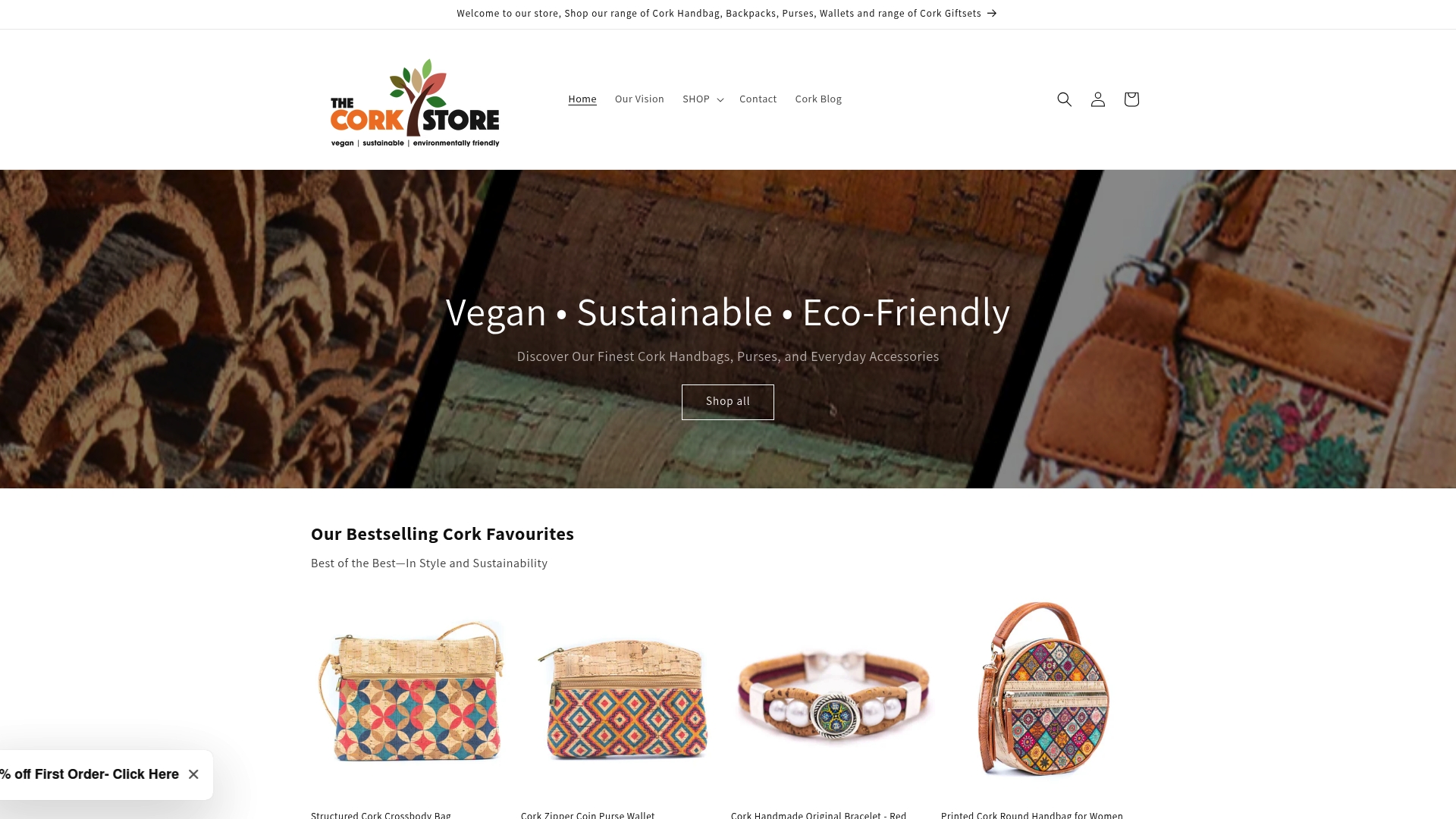
Our carefully curated collection features handbags, wallets, backpacks, and accessories crafted from renewable cork harvested sustainably from Mediterranean oak forests. Each product demonstrates benefits of cork accessories, including natural water resistance, antimicrobial properties, and exceptional longevity. Every purchase supports cruelty-free fashion whilst contributing to carbon-negative production systems.
Explore our comprehensive guides on how to choose vegan handbags that match your lifestyle needs and style preferences. Our blog provides detailed information about cork properties, care instructions, and sustainable fashion insights, empowering confident purchasing decisions. Visit The Cork Store website to discover the perfect eco-conscious accessory for your wardrobe.
Frequently asked questions
What are the best materials for sustainable vegan accessories?
Cork, mushroom leather, apple leather and pineapple fibre are leading plant-based materials with strong sustainability credentials. These alternatives offer biodegradability, renewable sourcing, and low environmental impact. Synthetic plastics are less sustainable due to pollution concerns and fossil fuel dependence.
How can I verify if an accessory is truly cruelty-free?
Look for third-party certifications like PETA-Approved or Vegan Society Trademark displayed on product packaging or brand websites. Check brand transparency and supply chain information when available. Legitimate certifications include verification numbers and auditing documentation accessible to consumers.
Are vegan leather accessories as durable as traditional leather?
Certain plant-based materials such as cork leather provide comparable durability to traditional leather, lasting years with proper care. Synthetic vegan leathers vary widely in quality and lifespan depending on manufacturing processes and material composition. Quality sustainable accessories often outlast conventional leather when properly maintained.
Where can I buy sustainable, vegan accessories in the UK?
Support UK brands prioritising transparency and certification through direct websites and ethical fashion retailers. The Cork Store is a leading retailer of cork-based vegan accessories in the UK, offering comprehensive product information and sustainable fashion guidance. Independent boutiques and online platforms specialising in ethical fashion provide curated sustainable collections.