

Why Go Vegan with Accessories: 64% Prefer Cork Alternatives
Leather accessories contribute a surprising 4.3% of global greenhouse gas emissions, yet many eco-conscious shoppers remain sceptical that vegan alternatives can truly match leather in style, durability, or luxury appeal. This guide reveals why vegan accessories, particularly those crafted from cork, represent a smarter, more sustainable choice for consumers who value both ethics and quality. You’ll discover the environmental and animal welfare benefits, debunk common myths, and learn practical tips for choosing and caring for vegan accessories that align with your values.
Table of Contents
- Understanding The Environmental Impact Of Leather Accessories
- Animal Welfare And Ethical Concerns Driving Vegan Accessory Choices
- The Sustainability Advantages Of Cork As A Vegan Accessory Material
- Debunking Common Myths About Vegan Accessories
- Consumer Trends And Market Demand For Vegan Accessories In The UK
- Practical Care, Durability, And Lifestyle Integration Of Cork Vegan Accessories
- Bridging Understanding To Practical Purchasing Decisions
- Explore Stylish Sustainable Vegan Accessories At The Cork Store
- Frequently Asked Questions
Key Takeaways
| Point | Details |
|---|---|
| Environmental Benefit | Vegan cork accessories eliminate livestock emissions and toxic tanning chemicals, reducing your fashion footprint. |
| Animal Welfare | Cork production involves zero animal harm, offering a truly cruelty-free alternative to leather goods. |
| Durability Myth Busted | Cork accessories rival leather in longevity and water resistance, lasting up to 8 years with proper care. |
| UK Consumer Trend | 64% of UK shoppers prefer vegan accessories when quality matches leather, signalling a major market shift. |
| Sustainability Edge | Cork harvesting preserves forests, with cork oaks sequestering five times more CO2 than other trees. |
Understanding the Environmental Impact of Leather Accessories
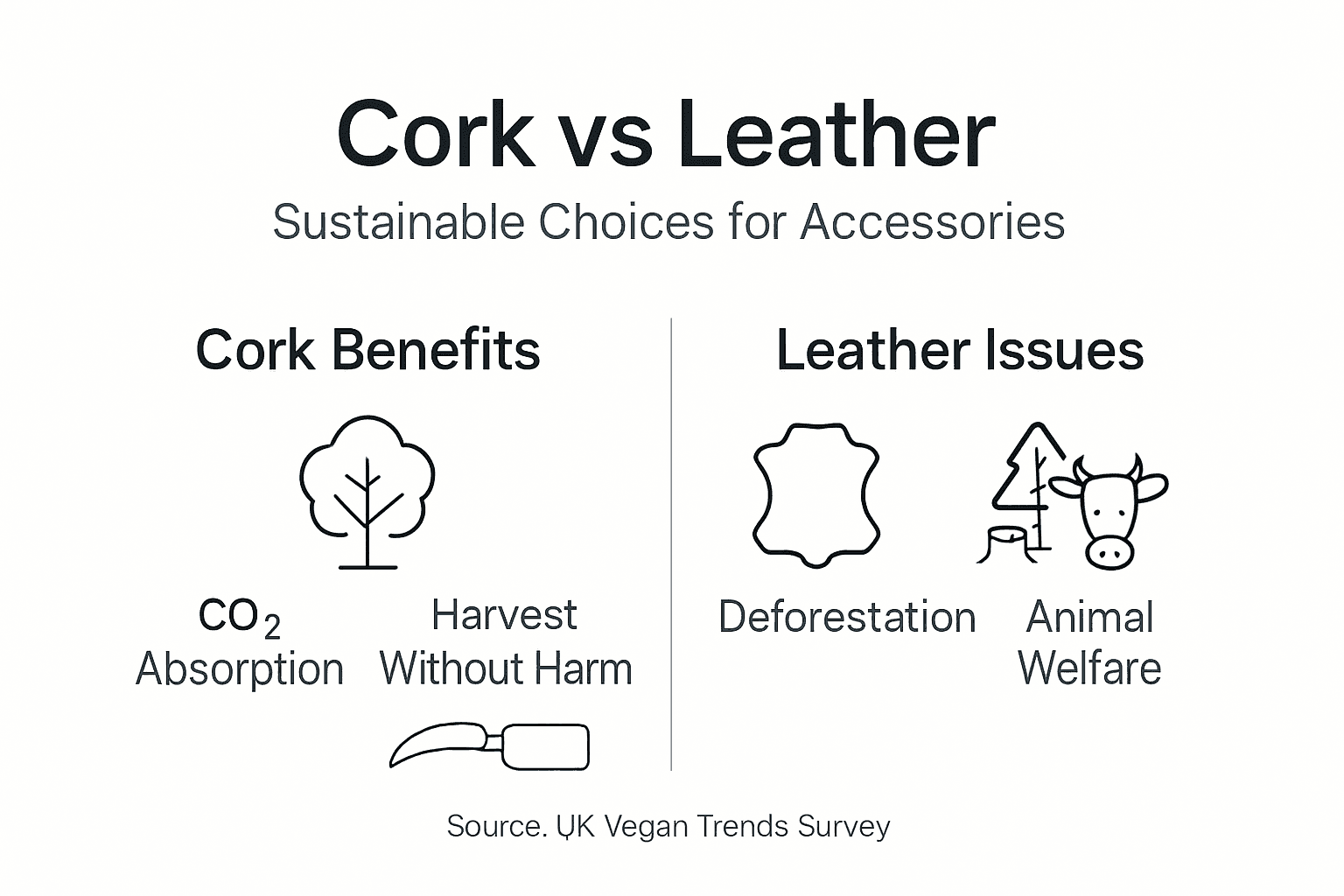
The environmental impact of leather extends far beyond the animal welfare concerns most people associate with it. Leather accounts for 4.3% of global greenhouse gas emissions, largely stemming from livestock farming where cattle produce methane, a greenhouse gas 28 times more potent than carbon dioxide over a century. This massive carbon footprint makes your choice of handbag or wallet surprisingly significant for climate change.
Deforestation compounds leather’s environmental damage. Cattle ranching drives Amazon rainforest destruction, erasing biodiversity hotspots to create grazing land. When forests disappear, so do natural carbon sinks that absorb atmospheric CO2, accelerating climate change. Indigenous communities lose ancestral lands, and countless species face extinction.
The tanning process introduces additional environmental harm through toxic chemical use. Chromium salts, commonly used to preserve and soften leather, contaminate waterways near tanneries. These chemicals poison aquatic ecosystems and pose health risks to workers and nearby communities. Formaldehyde and other volatile organic compounds further pollute air and water during leather production.
Consider these sobering statistics:
- Producing one kilogram of leather generates 17 kilograms of CO2 equivalent emissions
- Leather tanning uses up to 15,000 litres of water per tonne of hide processed
- Over 80% of Amazon deforestation links directly to cattle ranching for leather and meat production
The animal welfare issues in leather production extend beyond environmental damage, affecting billions of animals annually. Understanding these impacts helps you make informed choices that reflect your values.
Animal Welfare and Ethical Concerns Driving Vegan Accessory Choices
Leather production remains inseparable from the global meat industry, where billions of cattle, pigs, and other animals are slaughtered annually. While the leather industry often markets itself as merely using byproducts, this narrative obscures the reality that leather adds significant profit to animal agriculture, subsidising and encouraging continued livestock farming. Every leather handbag or wallet purchased financially supports systems that involve animal confinement, transport stress, and slaughter.
Vegan accessories eliminate all animal suffering inherent in leather production, which is tied to livestock slaughter in the meat industry. This complete separation from animal exploitation appeals strongly to consumers who refuse to compromise their ethics for fashion. You’re not just avoiding leather; you’re actively choosing compassion and refusing to fund industries built on animal commodification.
The growing demand for vegan accessories creates positive ripple effects throughout the fashion industry. As more consumers vote with their wallets, brands invest in developing better plant-based materials and transparent supply chains. This market shift encourages innovation in sustainable materials like cork, pineapple leather, and mushroom-based alternatives that offer style without suffering.
Key ethical advantages of vegan accessories include:
- Zero contribution to livestock farming and associated animal welfare issues
- No support for industries profiting from animal slaughter and exploitation
- Alignment with broader ethical lifestyle choices including plant-based diets
- Encouragement of innovation in cruelty-free material development
Understanding animal cruelty in leather production helps clarify why vegan options matter beyond environmental concerns. When you choose vegan accessories, you’re making a statement that fashion should never require animal suffering.
The Sustainability Advantages of Cork as a Vegan Accessory Material
Cork stands out among vegan materials for its exceptional sustainability credentials and practical performance. Cork harvesting does not kill trees; cork oaks sequester five times more CO2 than other trees, and cork is biodegradable and non-toxic. This remarkable material comes from the bark of cork oak trees, which regenerate their bark every nine years, allowing the same tree to be harvested repeatedly throughout its 200-year lifespan.
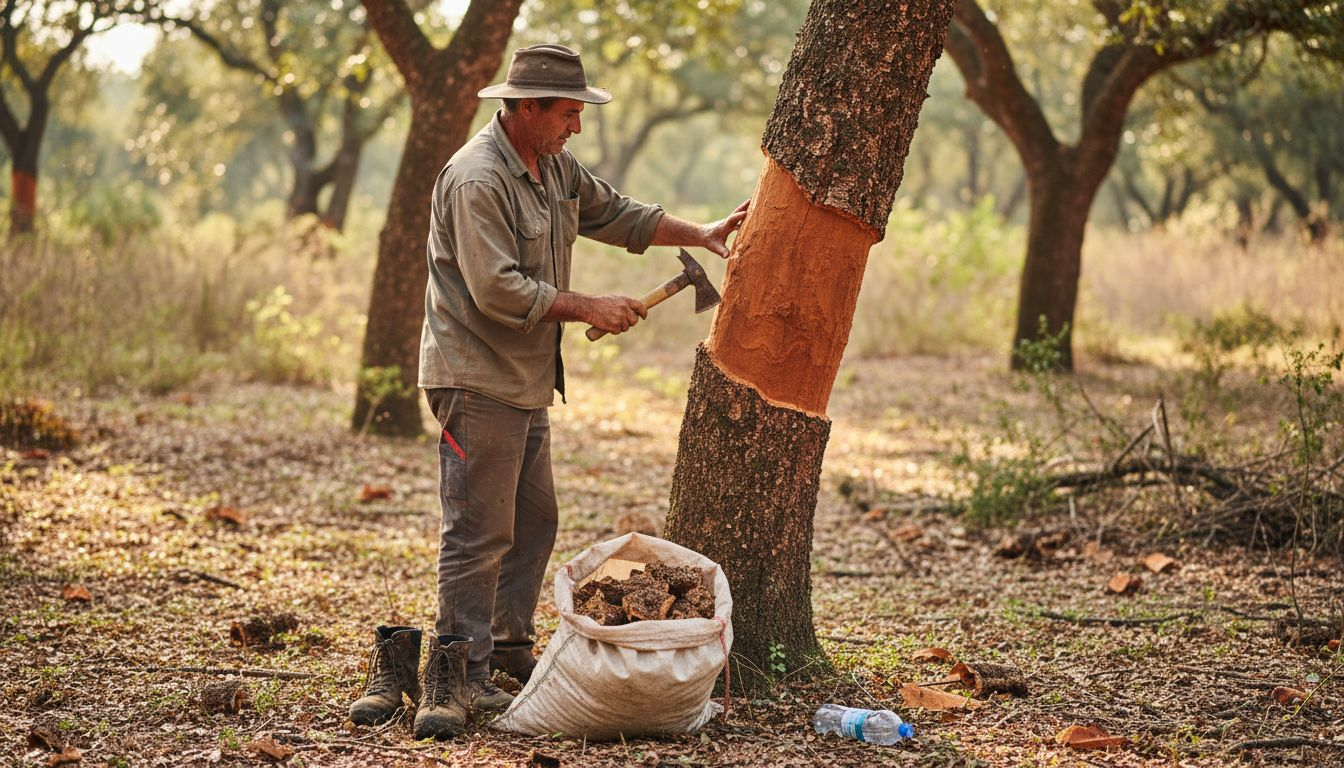
The environmental benefits of cork extend beyond sustainable harvesting. Cork oak forests in Portugal and Mediterranean regions support rich biodiversity, providing habitat for endangered species like the Iberian lynx. These forests also prevent soil erosion and desertification in regions vulnerable to climate change. When you purchase cork accessories, you’re supporting the preservation of these vital ecosystems.
Cork’s natural properties make it surprisingly practical for everyday use. The material is naturally waterproof thanks to suberin, a waxy substance in cork cells that repels moisture. This water resistance, combined with cork’s durability, makes it ideal for handbags, wallets, and accessories exposed to daily wear. Cork accessories offer durability comparable to traditional leather, with water resistance perfect for everyday use.
Cork also offers unique aesthetic and functional qualities:
- Natural texture and grain patterns create distinctive, one-of-a-kind appearances
- Lightweight yet sturdy construction reduces shoulder strain from bags
- Naturally antimicrobial properties resist odour and bacterial growth
- Soft, supple feel that improves with age, developing a unique patina
| Cork Property | Benefit | Comparison to Leather |
|---|---|---|
| Harvesting Impact | Trees remain alive and healthy | Requires animal slaughter |
| Carbon Footprint | Cork oaks absorb 5x more CO2 | Cattle emit methane |
| Water Resistance | Naturally waterproof from suberin | Requires chemical treatments |
| Biodegradability | Fully biodegradable, returns to soil | Takes 50+ years to decompose |
| Chemical Use | No toxic processing needed | Chromium and formaldehyde tanning |
Pro Tip: Regular gentle cleaning with a damp cloth and occasional conditioning with natural cork spray extends your cork accessory’s lifespan and maintains its suppleness. Following a proper cork accessory maintenance guide ensures your investment lasts for years.
The combination of sustainability, durability, and distinctive style makes cork an exceptional choice for eco-conscious consumers seeking benefits of cork products that truly deliver on both ethics and quality.
Debunking Common Myths About Vegan Accessories
Several persistent misconceptions prevent consumers from embracing vegan accessories, despite mounting evidence contradicting these myths. Addressing these misunderstandings helps you make confident, informed choices based on facts rather than outdated assumptions.
Myth 1: Vegan accessories lack durability and won’t last as long as leather. This belief crumbles when examining cork’s performance. Many believe vegan accessories lack durability and style, but cork accessories match leather in durability and waterproof qualities and are featured in luxury fashion. Cork’s natural resilience, flexibility, and water resistance mean properly cared-for cork bags and wallets can outlast their leather counterparts, often serving you faithfully for eight years or more.
Myth 2: Vegan means sacrificing luxury and style. The fashion industry’s embrace of cork tells a different story. Designer brands increasingly incorporate cork into high-end collections, recognising its unique aesthetic appeal and sustainable credentials. Cork’s natural grain patterns create distinctive, elegant pieces that stand out from mass-produced synthetic alternatives. The material’s soft texture and ability to develop character over time rival leather’s premium feel.
Myth 3: All vegan leather alternatives are equally eco-friendly. This oversimplification ignores important distinctions between materials. Whilst cork offers genuine sustainability benefits, some synthetic vegan leathers rely on petroleum-based plastics and chemical processing that create environmental problems of their own. Polyurethane (PU) leather, for instance, uses fossil fuels and releases microplastics. Not all vegan options deliver equal environmental benefits.
Key facts that counter common misconceptions:
- Cork’s water resistance and durability match or exceed leather in real-world testing
- Luxury fashion houses feature cork in premium collections alongside traditional materials
- Natural vegan materials like cork offer superior sustainability to synthetic alternatives
- Cork accessories require less maintenance than leather, needing no special conditioning oils
Pro Tip: Choosing cork brands with transparent sourcing and third-party certifications ensures your vegan accessory delivers genuine sustainability benefits. Look for suppliers who clearly identify their cork’s origin and harvesting practices, and explore eco-friendly cork accessory style tips to maximise both fashion impact and environmental benefit.
Understanding these myths helps you see past marketing claims and industry bias. The cork waterproof and durability comparison to leather reveals that vegan doesn’t mean compromise; it means choosing smarter materials that perform beautifully whilst respecting animals and the planet.
Consumer Trends and Market Demand for Vegan Accessories in the UK
The UK market for vegan accessories is experiencing remarkable growth as consumer attitudes shift dramatically towards ethical and sustainable fashion choices. 64% of UK shoppers prefer vegan accessories if comparable in style and quality, with market availability rising. This significant majority signals a fundamental transformation in how British consumers evaluate fashion purchases, prioritising ethics alongside aesthetics.
This preference extends across demographic groups, though younger consumers drive particularly strong demand. Millennials and Gen Z shoppers, who increasingly identify sustainability and animal welfare as core values, actively seek brands offering genuine vegan alternatives. They research materials, question supply chains, and share discoveries on social media, amplifying awareness of options like cork accessories.
Retail availability has expanded to meet this growing demand. High street shops and online platforms now feature dedicated vegan accessory sections, making ethical choices more accessible than ever. The UK sustainable vegan accessory market includes everything from everyday wallets to statement handbags, with cork emerging as a preferred material for discerning shoppers.
Consumer attitudes reveal deeper motivations behind these purchasing decisions:
| Consumer Priority | Percentage | Impact on Buying Decisions |
|---|---|---|
| Animal welfare concerns | 58% | Primary factor in choosing vegan over leather |
| Environmental sustainability | 67% | Key consideration for eco-conscious buyers |
| Style and quality equivalence | 64% | Must match leather to justify switch |
| Brand transparency | 52% | Influences trust and repeat purchases |
The trend towards vegan accessories reflects broader lifestyle changes among UK consumers. Many who adopt plant-based diets extend this philosophy to fashion, seeking consistency across their ethical choices. This holistic approach to conscious living creates sustained demand rather than temporary fashion trends, encouraging brands to invest seriously in developing quality vegan alternatives.
Social media amplifies this market shift, with influencers and everyday consumers sharing their vegan fashion journeys. Instagram posts featuring stylish cork bags and wallets normalise these choices, proving that ethical fashion can be aspirational and desirable. This visibility helps overcome the lingering perception that vegan means sacrificing style or settling for inferior quality.
Practical Care, Durability, and Lifestyle Integration of Cork Vegan Accessories
Cork accessories seamlessly integrate into everyday life whilst delivering impressive longevity when properly maintained. Proper care can extend cork accessory lifespan up to 8 years; cork is water-resistant and durable for daily use. This exceptional durability stems from cork’s natural properties, which resist wear, moisture, and typical stresses that degrade other materials.
The water-resistant nature of cork makes it particularly practical for the UK’s unpredictable weather. You can confidently carry your cork handbag through unexpected rain showers without worrying about water damage or staining. The material’s natural oils repel moisture, protecting your belongings whilst the exterior maintains its appearance. This inherent protection eliminates the need for waterproofing sprays or treatments that leather requires.
Daily care for cork accessories requires minimal effort. Regular gentle cleaning prevents dirt accumulation and maintains the material’s natural beauty. Avoid harsh chemical cleaners, high heat, and prolonged direct sunlight, which can dry out cork and reduce its lifespan. These simple precautions ensure your investment remains functional and attractive for years.
Follow these steps for optimal cork accessory maintenance:
- Wipe down your cork accessory weekly with a slightly damp, soft cloth to remove surface dirt and dust
- For stubborn marks, use a mild soap solution, then immediately dry with a clean towel
- Allow cork items to air dry completely before storage, ensuring no moisture remains trapped
- Store in a cool, dry place away from direct sunlight and heat sources that might cause cracking
- Apply natural cork conditioning spray every 6 to 12 months to maintain suppleness and prevent drying
Pro Tip: Regular gentle conditioning maintains cork’s texture and appearance. A light application of natural cork spray every six months keeps the material supple and enhances its natural lustre, similar to how leather conditioning works but without animal-derived products. Detailed guidance in a care guide for cork accessories ensures you get maximum value from your purchase.
Cork’s lightweight nature offers unexpected practical benefits beyond environmental credentials. A cork handbag weighs significantly less than a comparable leather version, reducing shoulder and back strain during daily use. This advantage becomes particularly noticeable when carrying your bag throughout long workdays or travel.
The antimicrobial properties of cork provide an often-overlooked hygiene benefit. Unlike materials that harbour bacteria and develop odours over time, cork naturally resists microbial growth. This quality keeps your wallet, bag interior, and accessories fresher without requiring special treatments or frequent deep cleaning.
Integrating cork accessories into your sustainable lifestyle amplifies your positive impact. Pairing your cork handbag with other ethical fashion choices creates a cohesive approach to conscious consumption. You demonstrate that sustainability and style coexist beautifully, potentially inspiring others to reconsider their own purchasing decisions. Exploring natural cork accessory care tips helps you maintain these pieces as lasting wardrobe staples rather than disposable fashion items.
Bridging Understanding to Practical Purchasing Decisions
Translating your knowledge about vegan accessories into confident purchasing decisions requires focusing on specific quality indicators and brand practices. Verification of sustainability claims separates genuinely ethical products from greenwashing attempts that exploit consumer values without delivering real benefits.
Start by examining certifications and third-party verifications. Look for cruelty-free certifications from recognised organisations like PETA or Leaping Bunny, which confirm no animal testing or animal-derived materials were used. Environmental certifications such as FSC (Forest Stewardship Council) for cork products indicate responsible sourcing practices that protect forests and communities.
Prioritising natural materials like cork maximises environmental benefits compared to synthetic alternatives. Whilst some vegan leathers rely on petroleum-based plastics, cork offers renewable, biodegradable, and non-toxic advantages. This distinction matters when your goal extends beyond avoiding animal products to minimising overall environmental impact.
Evaluate product durability through material quality, construction methods, and brand reputation. Well-crafted cork accessories feature reinforced stitching, quality hardware, and thoughtful design that withstands daily use. Reading customer reviews provides insights into real-world longevity and performance that marketing materials won’t reveal.
Key factors for making informed vegan accessory purchases:
- Verify third-party certifications confirming cruelty-free and sustainable manufacturing practices
- Prioritise natural vegan materials like cork over petroleum-based synthetic alternatives
- Assess construction quality, including stitching, hardware, and overall craftsmanship
- Research brand transparency regarding material sourcing and supply chain ethics
- Consider lifecycle impact, including durability, repairability, and end-of-life biodegradability
Brand transparency reveals commitment to genuine sustainability. Companies serious about ethical practices openly share information about their cork sources, manufacturing processes, and working conditions. They provide traceability that lets you understand exactly where your accessory came from and who made it. This openness builds trust and helps you support businesses aligned with your values.
Consider the full lifecycle impact of your purchase beyond the initial acquisition. A slightly more expensive cork bag that lasts eight years delivers better value and lower environmental impact than a cheaper synthetic alternative requiring replacement every two years. This long-term perspective shifts focus from upfront cost to cost per use and overall sustainability.
Supporting brands advancing sustainable fashion practices creates positive market signals. Your purchases encourage companies to invest in better materials, ethical labour practices, and transparent supply chains. As demand for genuine sustainability grows, more brands will prioritise these values over short-term profits, creating systemic change in the fashion industry.
Exploring a comprehensive choosing vegan accessories guide helps you navigate options confidently. These resources provide specific criteria for evaluating products, questions to ask brands, and red flags indicating greenwashing. Armed with this knowledge, you make purchases that truly reflect your values and contribute to the sustainable fashion movement.
Explore Stylish Sustainable Vegan Accessories at The Cork Store
Ready to align your accessories with your values without compromising on style or quality? The Cork Store offers a thoughtfully curated collection of vegan cork accessories that deliver on durability, aesthetics, and genuine sustainability.
Every product showcases cork’s unique beauty whilst supporting ethical manufacturing practices and forest conservation. From elegant handbags perfect for professional settings to practical everyday wallets, you’ll find options that seamlessly integrate into your sustainable lifestyle. The collection emphasises quality craftsmanship and timeless design that transcends fleeting fashion trends, ensuring your purchase remains a valued wardrobe staple for years.
Exploring the intersection of sustainability in accessory design reveals how thoughtful material choices and manufacturing practices create products that benefit both you and the planet. The Cork Store’s commitment to transparency means you can purchase with confidence, knowing exactly what you’re supporting. Browse sustainable cork accessories that prove ethical fashion can be beautiful, practical, and accessible.
Frequently Asked Questions
Are vegan cork accessories truly as durable as traditional leather?
Yes, cork accessories match leather’s durability and often exceed it in water resistance. Proper care extends cork products’ lifespan to eight years or more, making them a practical long-term investment. The natural resilience of cork fibres resists cracking and tearing that affects aged leather.
How do I properly care for cork wallets and handbags?
Clean cork accessories with a damp cloth weekly and mild soap for stubborn marks. Apply natural cork conditioning spray every six months to maintain suppleness. Store away from direct heat and sunlight to prevent drying. Following a detailed cork accessory maintenance guide ensures optimal longevity.
What makes cork more sustainable than synthetic vegan leather alternatives?
Cork is harvested without harming trees, which continue absorbing CO2 throughout their 200-year lifespans. Cork oaks sequester five times more carbon dioxide than other trees. Unlike petroleum-based synthetics, cork is fully biodegradable and requires no toxic chemical processing, making it genuinely eco-friendly.
Do cork accessories actually fit with current fashion trends?
Absolutely. Cork’s unique texture and natural grain patterns create distinctive, elegant pieces featured in luxury fashion collections. The material’s versatility suits everything from minimalist modern aesthetics to bohemian styles. Understanding what is a vegan wallet helps you see how cork seamlessly integrates into contemporary fashion.
Are vegan cork accessories more expensive than leather alternatives?
Initial costs may be comparable or slightly higher, but cork’s durability and minimal maintenance requirements deliver better long-term value. You avoid leather conditioning products and more frequent replacements, reducing total ownership costs. Investing in quality cork accessories proves more economical over their eight-year lifespan.