
Complete Guide to the Role of Cork in Vegan Products
More than 90 percent of Cork Oak forests in Europe are harvested without cutting down a single tree, an approach that has caught the attention of British brands focused on ethical alternatives. As eco-aware choices become essential to both British shoppers and designers, cork stands out as a versatile natural material offering durability, style, and sustainability. Discover how cork is transforming vegan products while offering British consumers a truly ethical path forward.
Table of Contents
- Defining Cork and Its Use in Vegan Products
- Types of Cork Products in Ethical Fashion
- How Cork Is Harvested and Manufactured Sustainably
- Environmental and Ethical Benefits of Cork
- Cork Versus Leather: Cost, Durability, Style
Key Takeaways
| Point | Details |
|---|---|
| Sustainability of Cork | Cork is harvested without harming trees, allowing them to regenerate and continue producing for up to 200 years, making it an environmentally friendly material. |
| Versatility in Vegan Fashion | Cork’s unique properties make it suitable for a wide range of products, from fashion accessories to home items, appealing to ethical consumers. |
| Economic and Ecological Benefits | The harvest process supports local communities and enhances biodiversity while maintaining minimal ecological impact. |
| Comparison to Leather | Cork provides a cruelty-free, durable, and cost-effective alternative to traditional leather without compromising on style or quality. |
Defining Cork and Its Use in Vegan Products
Cork represents a remarkable natural material that has emerged as a groundbreaking alternative in vegan product design, offering an eco-friendly solution that challenges traditional animal-derived materials. Harvested from the bark of Cork Oak trees without harming the tree itself, cork provides a sustainable textile that aligns perfectly with ethical consumer values. Its unique cellular structure creates a lightweight, water-resistant, and incredibly versatile material that can be transformed into everything from fashion accessories to functional household items.
The production process of cork is remarkably gentle on the environment. Cork Oak trees are not cut down during harvesting; instead, skilled workers carefully strip the bark, which regenerates over a 9-10 year cycle. This regenerative harvesting technique ensures that each tree continues producing cork for generations, making it one of the most sustainable materials available. The bark is processed using minimal chemical intervention, creating a material that is both biodegradable and incredibly durable.
For vegan consumers seeking ethical alternatives, cork offers multiple compelling advantages. Its natural properties include being hypoallergenic, antimicrobial, and resistant to moisture, which makes it ideal for products like wallets, bags, and accessories. The material is remarkably lightweight yet strong, capable of withstanding daily wear while maintaining its structural integrity. Unlike synthetic leather alternatives that rely on petroleum-based products, cork represents a truly plant-based solution that supports environmental conservation and reduces carbon footprint. Its unique texture and natural aesthetic have also made it increasingly popular among designers who want to create products that are both stylish and socially responsible.
Types of Cork Products in Ethical Fashion
Ethical fashion has embraced cork as a transformative material, revolutionising product design across multiple categories. Innovative cork accessories have emerged as game-changing alternatives to traditional leather and synthetic materials, offering environmentally conscious consumers stylish and sustainable options. From handbags and wallets to shoes and jewellery, cork’s versatility allows designers to create products that are both aesthetically pleasing and environmentally responsible.
One remarkable example of cork’s potential in fashion is evident in vegan leather handbag design, where manufacturers like Murmali are crafting sophisticated accessories that challenge traditional material norms. These handbags showcase cork’s exceptional properties – being lightweight, water-resistant, and incredibly durable – making them ideal for consumers seeking practical yet ethical fashion choices. The material’s unique texture and natural appearance have also made it increasingly popular among designers who prioritise both style and sustainability.
Beyond accessories, cork has found its way into a diverse range of ethical fashion products. Footwear designers are now creating breathable, comfortable shoes using cork’s natural cushioning properties. Jewellery makers are crafting unique, eco-friendly pieces that highlight the material’s organic beauty. Even sustainable sportswear and activewear lines have begun incorporating cork into their designs, demonstrating the material’s incredible adaptability. The rise of cork products represents more than just a fashion trend – it’s a meaningful shift towards more responsible, environmentally conscious consumer choices that prioritise both aesthetic appeal and ecological integrity.

How Cork Is Harvested and Manufactured Sustainably
The cork harvesting process represents an extraordinary model of sustainable resource management, particularly in regions like Portugal where traditional techniques have been perfected over generations. Cork production methods involve a meticulous approach that ensures minimal environmental impact while preserving the natural ecosystem of Cork Oak trees. Skilled workers carefully strip the bark using specialised tools, a technique that allows the tree to continue growing and regenerating without causing permanent damage.
Traditional hand-harvesting techniques are central to cork’s sustainability story. As detailed by ThermaCork, the process involves removing the outer bark layer in a carefully controlled manner that permits trees to regenerate their protective covering every nine years. Sustainable cork harvesting is unique because it does not require cutting down trees, instead allowing them to continue absorbing carbon dioxide and supporting local ecosystems. This regenerative approach means a single Cork Oak tree can produce bark for up to 200 years, making it an incredibly efficient and environmentally friendly resource.
The manufacturing process further enhances cork’s ecological credentials. After harvesting, the bark undergoes minimal processing to transform it into usable materials. The Jelinek Cork Group highlights how this production cycle creates virtually no waste, with even small bark fragments being repurposed into additional products. From insulation materials to fashion accessories, every part of the harvested bark finds a purpose. This approach not only reduces environmental impact but also creates a circular economy model where resources are maximised, waste is minimised, and the natural regenerative capabilities of Cork Oak forests are preserved for future generations.
Environmental and Ethical Benefits of Cork
Cork represents a paradigm-shifting material that transcends traditional sustainability expectations, offering profound environmental and ethical advantages that challenge conventional manufacturing practices. Sustainable material choices are increasingly critical in combating global environmental challenges, and cork emerges as a remarkable solution that addresses multiple ecological concerns simultaneously. Its unique properties enable carbon sequestration, biodiversity preservation, and minimal environmental disruption throughout its entire production lifecycle.
The material’s environmental credentials are particularly compelling. Cork’s renewable characteristics demonstrate an extraordinary capacity for ecological regeneration, with minimal carbon footprint and zero-waste production processes. Cork Oak forests act as critical carbon sinks, absorbing significant atmospheric carbon dioxide while providing habitat for diverse ecosystems. The harvesting process uniquely allows trees to continue growing and absorbing carbon, making it fundamentally different from extractive materials that permanently damage natural environments.
Ethically, cork represents a transformative approach to material production that prioritises both human and environmental well-being. The harvesting process supports local communities, particularly in Mediterranean regions, by creating sustainable economic opportunities that do not compromise ecological integrity. Workers use traditional hand-harvesting techniques that have been refined over generations, ensuring minimal environmental impact and maintaining the delicate balance of forest ecosystems. By choosing cork, consumers actively support a production model that respects natural systems, protects biodiversity, and provides meaningful economic opportunities for rural communities, thereby creating a more holistic and responsible approach to material consumption.
Cork Versus Leather: Cost, Durability, Style
When comparing cork and traditional leather, consumers discover a revolutionary alternative that challenges long-established material standards. Cork leather alternatives represent a sophisticated solution that addresses multiple consumer priorities simultaneously – ethical production, environmental sustainability, and superior performance characteristics. Unlike animal leather, cork offers a cruelty-free material that maintains exceptional quality across cost, durability, and aesthetic dimensions.
Cork’s material properties reveal remarkable advantages in practical applications. The material demonstrates outstanding water resistance, remarkable lightweight characteristics, and impressive scratch resilience, making it an ideal alternative to traditional leather. These attributes position cork as more than just an ethical choice – it becomes a performance-driven material that meets and often exceeds the expectations of discerning consumers seeking high-quality accessories and fashion items.
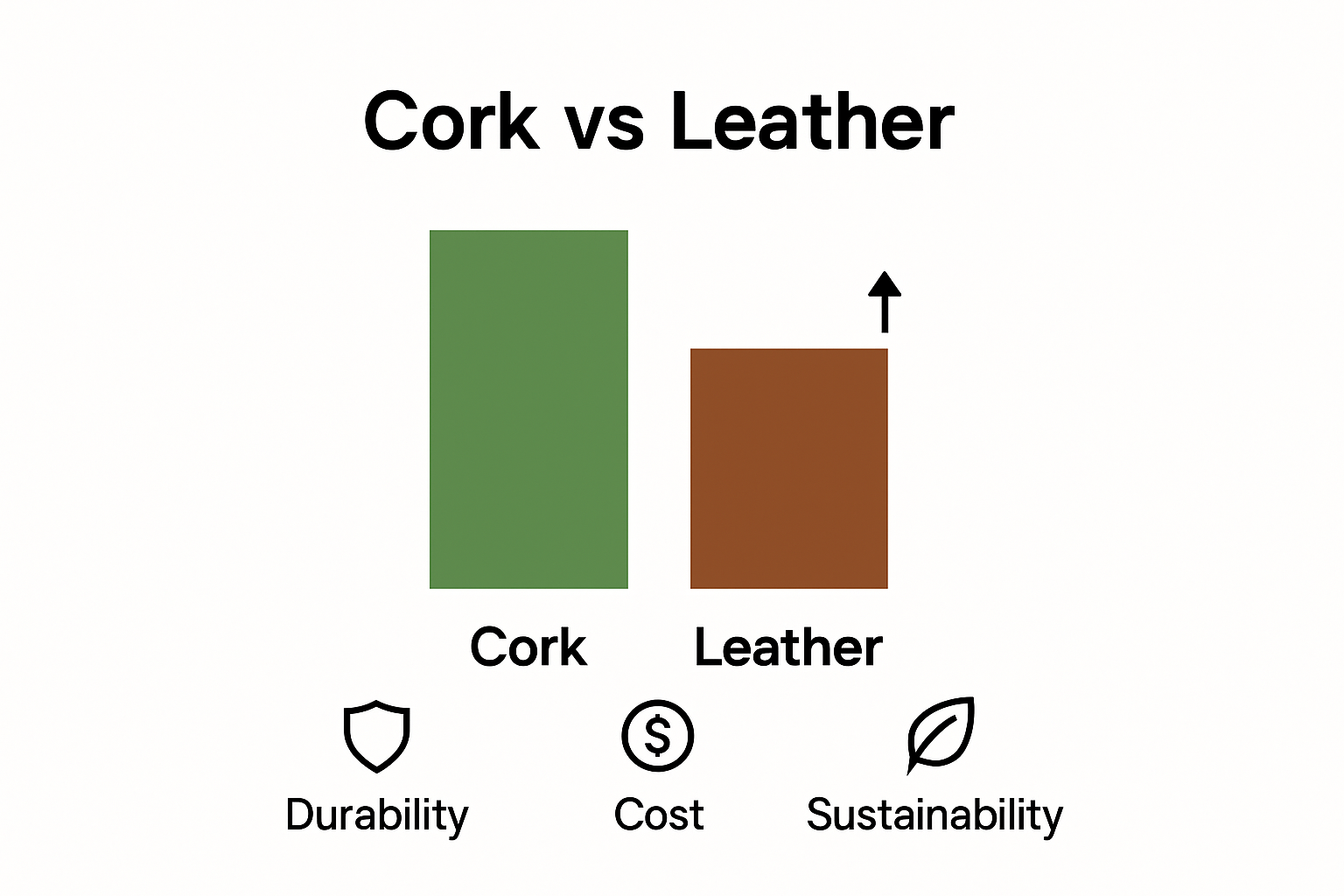
Cost considerations further distinguish cork as an intelligent choice for conscious consumers. Where traditional leather products often command premium pricing, cork offers a more accessible yet equally sophisticated option. Its manufacturing process requires less intensive processing compared to animal leather, resulting in more economical production costs. The material’s inherent durability means cork products maintain their aesthetic appeal and structural integrity significantly longer than many conventional leather alternatives, providing exceptional long-term value. By choosing cork, consumers invest in a material that represents not just a fashion statement, but a comprehensive approach to responsible, intelligent consumption that prioritises both personal style and broader environmental considerations.
Discover Stylish Vegan Cork Accessories That Make a Difference
If you are inspired by the incredible sustainability and versatility of cork detailed in the “Complete Guide to the Role of Cork in Vegan Products” then explore a curated range of eco-friendly accessories at The Cork Store. Cork’s unique natural properties such as being lightweight, water-resistant and cruelty-free are showcased through thoughtfully designed handbags, wallets and purses that allow you to support ethical fashion without compromising on style or durability.
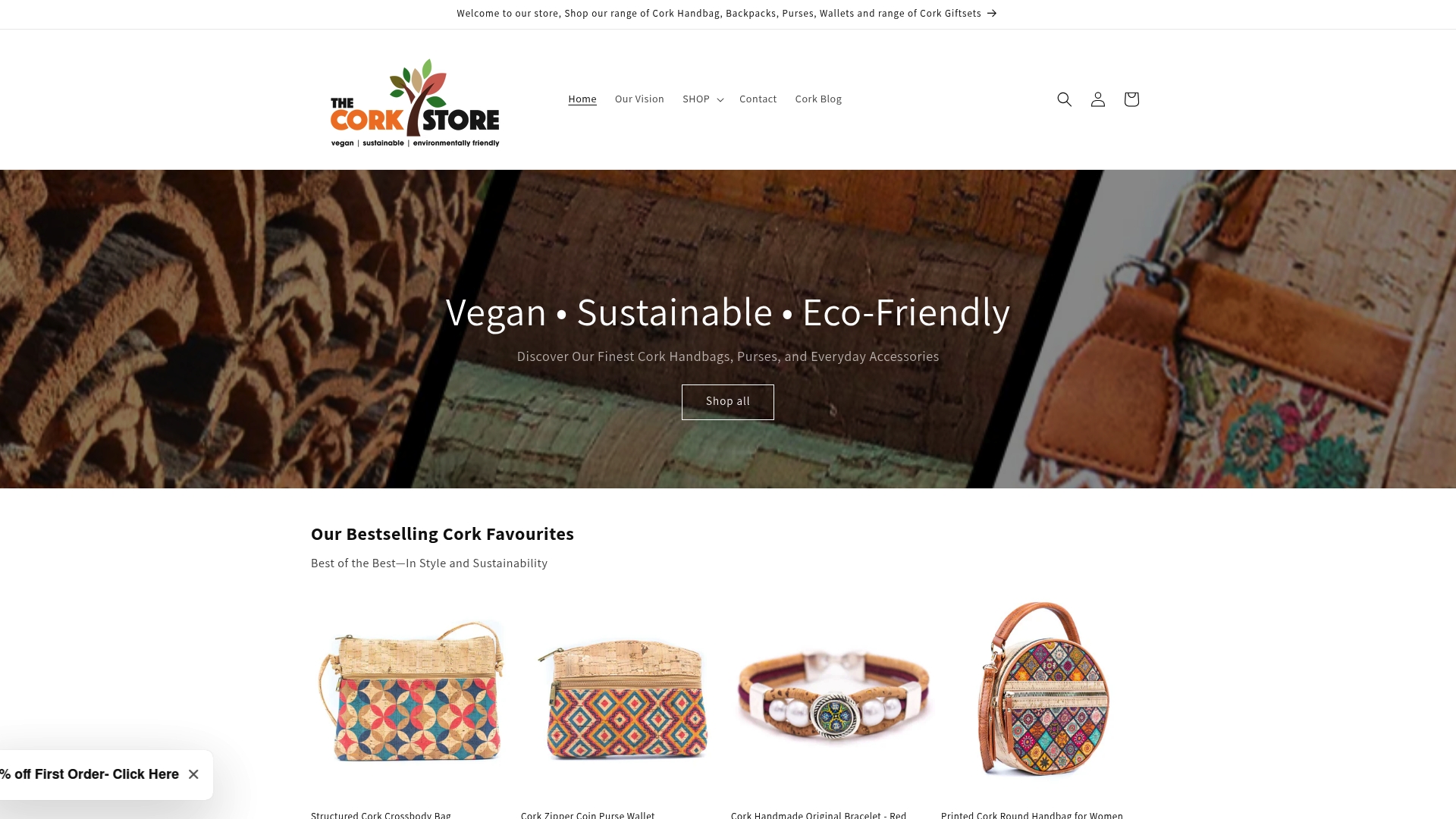
Make a confident step towards a more sustainable lifestyle today by browsing our exclusive collection of vegan cork products. Visit The Cork Store to experience how choosing cork can provide you with beautiful accessories that align with your values. Elevate your wardrobe with pieces that are gentle on the environment and celebrate responsible craftsmanship now.
Frequently Asked Questions
What is cork and how is it used in vegan products?
Cork is a natural material harvested from the bark of Cork Oak trees, offering a sustainable and eco-friendly alternative to animal-derived materials. Its lightweight, water-resistant, and durable qualities make it ideal for various vegan products, including fashion accessories and household items.
How is cork harvested sustainably?
Cork is harvested through a careful stripping of the bark without cutting down the tree. This regenerative process allows the tree to continue producing cork for decades, typically every 9-10 years, and supports local ecosystems while absorbing carbon dioxide.
What are the environmental benefits of using cork in products?
Cork offers significant environmental advantages, including minimal carbon footprint, carbon sequestration, and biodiversity preservation. Cork Oak forests act as carbon sinks, and the sustainable harvesting process ensures minimal disruption to the ecosystem.
How does cork compare to traditional leather in terms of durability and cost?
Cork is a durable alternative to animal leather, showcasing excellent water resistance and scratch resilience. It typically costs less to produce than traditional leather, making cork products more accessible while maintaining high quality and aesthetic appeal.
Recommended
- Complete Guide to Cork as an Animal-Friendly Alternative – The Cork Store
- What is Vegan Leather? Understanding Its Impact – The Cork Store
- How Cork Promotes Sustainability: Complete Guide – The Cork Store
- Complete Guide to the Cork Production Process – The Cork Store
- Cozee Bay - What Are Sustainable Products? Complete Guide
- 7 Eco Friendly Clothing Materials Every Business Should Know – The Ocean Straw