
Complete Guide to Cork as an Animal-Friendly Alternative
Most british consumers looking for ethical choices might be surprised to learn that over 80 percent of cork is harvested without causing any harm to animals or trees. Cork offers a genuine plant-based solution for anyone seeking alternatives to animal-derived products without sacrificing quality or style. This material stands out not just for its compassion but for its durability, natural water resistance, and strength, making it a smart choice for those who care about animal welfare and sustainability.
Table of Contents
- Cork As An Animal-Friendly Material Explained
- How Cork Is Harvested And Processed Sustainably
- Cork Versus Leather: Key Differences For Vegans
- Vegan Credentials And Ethical Certifications Of Cork
- Applications Of Cork In Fashion Accessories
- Caring For And Maintaining Cork Products
Key Takeaways
| Point | Details |
|---|---|
| Cork is an ethical alternative | Cork is a plant-based material that provides a cruelty-free substitute for animal-derived products, aligning with vegan and sustainable principles. |
| Sustainable harvesting process | The harvesting of cork is done without harming trees, allowing for regrowth and maintaining ecological balance. |
| Versatility of cork | Cork’s unique properties make it suitable for various applications, including fashion accessories, offering a stylish yet sustainable option. |
| Easy maintenance | Cork products require minimal care, making them a practical choice for eco-conscious consumers who wish to preserve their sustainability without extensive upkeep. |
Cork as an Animal-Friendly Material Explained
Cork represents a remarkable plant-based material that offers an ethical, cruelty-free alternative to traditional animal-derived accessories and products. According to Wikipedia, cork is a natural substance harvested from the bark of cork oak trees, inherently making it an animal-friendly option that aligns perfectly with vegan and sustainable lifestyle principles.
The harvesting process for cork is uniquely humane and environmentally conscious. As Jelinek explains, cork is obtained by carefully stripping bark from cork oak trees without causing permanent damage, allowing the trees to regenerate and continue producing material. This sustainable approach ensures:
- No animals are harmed during production
- Trees remain alive and continue growing
- Bark can be harvested multiple times throughout a tree’s lifecycle
- Minimal environmental disruption
What makes cork truly exceptional as an animal-friendly material is its versatility and ecological integrity. Unlike leather, which requires animal slaughter, cork provides a comprehensive sustainable alternative that mimics many traditional material properties. Its natural elasticity, durability, and water-resistant qualities make it an ideal substitute for accessories, clothing, and numerous other products traditionally manufactured using animal-derived materials.
The ethical advantages of cork extend beyond its production. By choosing cork, consumers actively support a material that respects animal welfare, promotes forest conservation, and reduces the fashion industry’s reliance on animal-based resources. Each cork product represents a conscious choice towards more compassionate and environmentally responsible consumption.
How Cork Is Harvested and Processed Sustainably
Cork harvesting represents an extraordinary example of sustainable material production, carefully preserving both ecological balance and natural resources. According to Ecocorker, the process involves manually stripping bark from cork oak trees every nine years without causing permanent damage, ensuring the trees remain healthy and continue producing material.
The harvesting technique is remarkably precise and environmentally conscious. As JPS Cork Group explains, skilled workers carefully remove bark using specialized tools, a method that allows cork oak trees to live for over 200 years. The key steps in cork harvesting include:
- Identifying mature cork oak trees
- Using specialized hand tools for bark removal
- Stripping bark carefully without damaging the tree’s core
- Allowing a nine-year regeneration period between harvests
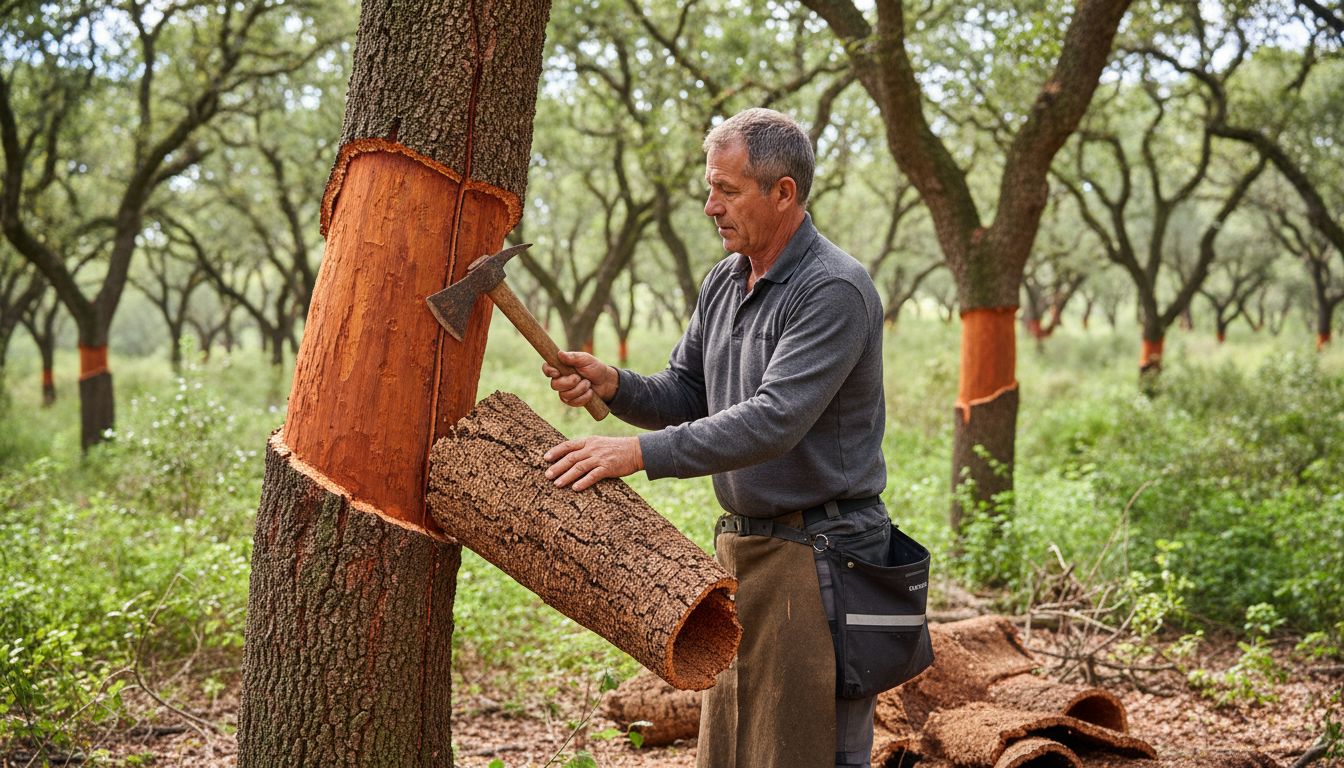
After harvesting, cork undergoes a meticulous processing journey that transforms raw bark into versatile materials. Learn more about the complete cork production process to understand the intricate steps that convert natural bark into sustainable products. The processing typically involves air-drying cork slabs for at least six months, which stabilizes the material and prepares it for manufacturing into various applications like fashion accessories, flooring, and other innovative products.
This sustainable approach not only produces an exceptional material but also supports entire ecosystems. By preserving cork oak forests and employing responsible harvesting techniques, the cork industry demonstrates how human consumption can coexist harmoniously with natural environmental systems. Each cork product represents a testament to ecological mindfulness and responsible resource management.
Cork Versus Leather: Key Differences for Vegans
For vegans seeking ethical and sustainable alternatives to traditional leather, cork emerges as a revolutionary material that fundamentally transforms our understanding of fashion accessories. According to Wikipedia, cork is a plant-based material harvested from cork oak trees, offering a cruelty-free alternative that directly challenges conventional leather production methods.
The key distinctions between cork and leather are stark and profound. While leather requires animal slaughter, cork represents a compassionate and ecological choice. Learn more about vegan leather alternatives to understand the transformative potential of materials like cork. These critical differences include:
- Origin: Cork is plant-derived, leather is animal-based
- Harvesting: Cork extraction does not harm trees, leather production requires animal death
- Environmental Impact: Cork supports forest ecosystems, leather production contributes to significant carbon emissions
- Durability: Cork offers comparable strength and flexibility to leather
- Ethical Considerations: Cork is 100% vegan and cruelty-free
As Living Etc highlights, cork’s natural properties of elasticity and durability make it an exceptional substitute for leather across multiple applications. From fashion accessories to home furnishings, cork provides a versatile, sustainable solution that aligns perfectly with vegan principles of minimizing animal exploitation.
Ultimately, choosing cork over leather represents more than a material preference. It’s a conscious decision to support ecological balance, animal welfare, and sustainable production practices.
By embracing cork, consumers can make a meaningful impact, transforming their personal style while contributing to a more compassionate and environmentally responsible future.
Vegan Credentials and Ethical Certifications of Cork
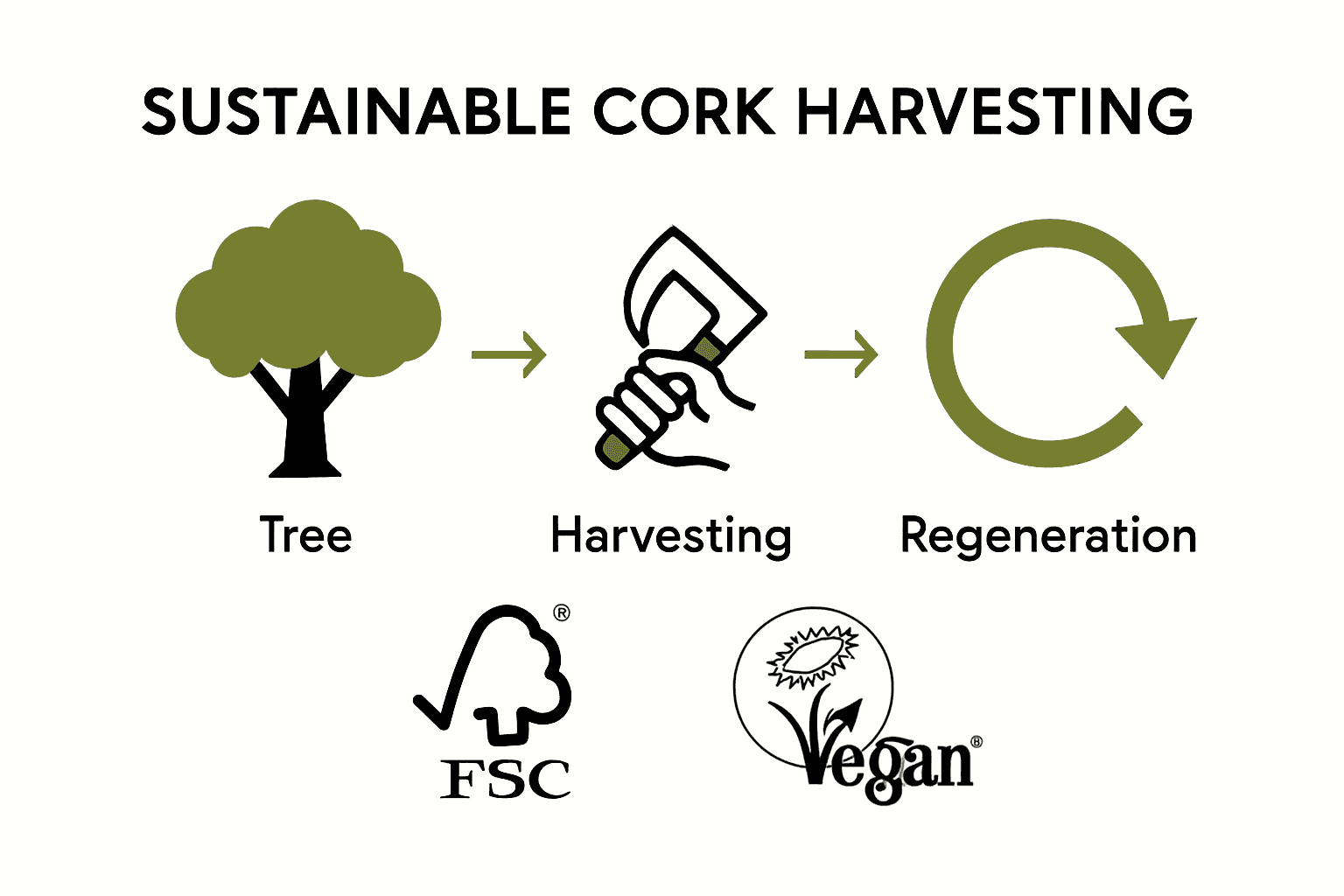
Vegan certification goes far beyond a simple label when it comes to cork, representing a comprehensive commitment to ethical and sustainable production. According to Living Etc, cork products can obtain rigorous certifications from organizations like the Forest Stewardship Council (FSC) and the Programme for the Endorsement of Forest Certification (PEFC), which guarantee responsible and environmentally conscious sourcing.
These certifications aren’t just bureaucratic stamps. Learn more about vegan accessories and their sustainability to understand the depth of ethical considerations in material selection. The key vegan and ethical credentials for cork include:
- 100% Plant-based Origin
- No Animal Exploitation
- Renewable Resource Harvesting
- Carbon-Negative Production Process
- Minimal Environmental Impact
- Supports Local Ecosystems
- Biodegradable Material
As Cork Solutions UK highlights, these certifications ensure that cork meets stringent standards for responsible forest management. Beyond standard vegan credentials, additional environmental certifications like GREENGUARD provide further assurance of the material’s ecological integrity, indicating low emissions and contributing to healthier living environments.
Ultimately, cork’s vegan credentials represent more than a simple material choice. They embody a holistic approach to consumption that prioritizes animal welfare, environmental sustainability, and ethical production practices. By choosing cork, consumers make a powerful statement about their commitment to compassionate and responsible lifestyle choices.
Applications of Cork in Fashion Accessories
Cork’s versatility in fashion accessories represents a groundbreaking shift towards sustainable and animal-friendly design. According to Wikipedia, cork’s unique properties like impermeability and moisture resistance make it an exceptional alternative to traditional leather in creating stylish accessories that appeal to eco-conscious consumers.
Explore the latest innovations in cork accessories and discover the transformative potential of this remarkable material. Cork’s applications in fashion accessories span a wide range of products, including:
- Handbags and totes
- Wallets and purses
- Backpacks and travel bags
- Belts and accessories
- Shoe uppers and footwear
- Watch straps and jewelry
- Phone cases and tech accessories
As Living Etc highlights, the material’s unique texture and sustainability make it increasingly attractive to fashion-forward consumers seeking ethical alternatives. Cork’s natural properties provide exceptional durability, water resistance, and a distinctive aesthetic that sets it apart from conventional materials.
Beyond its practical applications, cork in fashion accessories represents a powerful statement about personal values. It demonstrates that style and sustainability can coexist harmoniously, offering consumers a way to express their commitment to ethical fashion without compromising on design or quality. Each cork accessory tells a story of environmental responsibility and compassionate consumer choices.
Caring For and Maintaining Cork Products
Cork maintenance is surprisingly straightforward, offering eco-conscious consumers an easy-to-care-for material that maintains its beauty with minimal effort. According to Living Etc, preserving the integrity of cork products requires a gentle approach that protects the material’s natural properties and ensures long-lasting durability.
Discover comprehensive care techniques for your cork accessories to keep them looking pristine. The essential maintenance steps for cork products include:
- Clean with a soft, damp cloth
- Use mild, pH-neutral soap for deeper cleaning
- Avoid excessive moisture
- Keep away from direct sunlight
- Store in cool, dry environments
- Apply protective coating periodically
- Avoid harsh chemicals or abrasive cleaners
As Cork Solutions UK highlights, cork’s natural resilience means it requires minimal maintenance compared to traditional leather or synthetic materials. Gentle care involves occasional wiping with a soft cloth and mild soap, ensuring the material’s unique texture and appearance remain intact without compromising its ecological integrity.
Understanding cork’s care requirements transforms maintenance from a chore into an opportunity to extend the life of your accessories. By adopting these simple practices, you not only preserve your cork products but also reinforce your commitment to sustainable, low-impact fashion choices that respect both design and environmental responsibility.
Discover Stylish, Sustainable Cork Accessories That Respect Animals and the Planet
If you have been inspired by the remarkable benefits of cork as an animal-friendly, plant-based material then now is the perfect time to explore eco-conscious alternatives to traditional leather. The article highlights how cork’s durability, cruelty-free nature and sustainable harvesting make it ideal for those seeking to live with compassion and style. By choosing cork accessories you take a stand against animal exploitation while supporting responsible production methods that help preserve our forests.
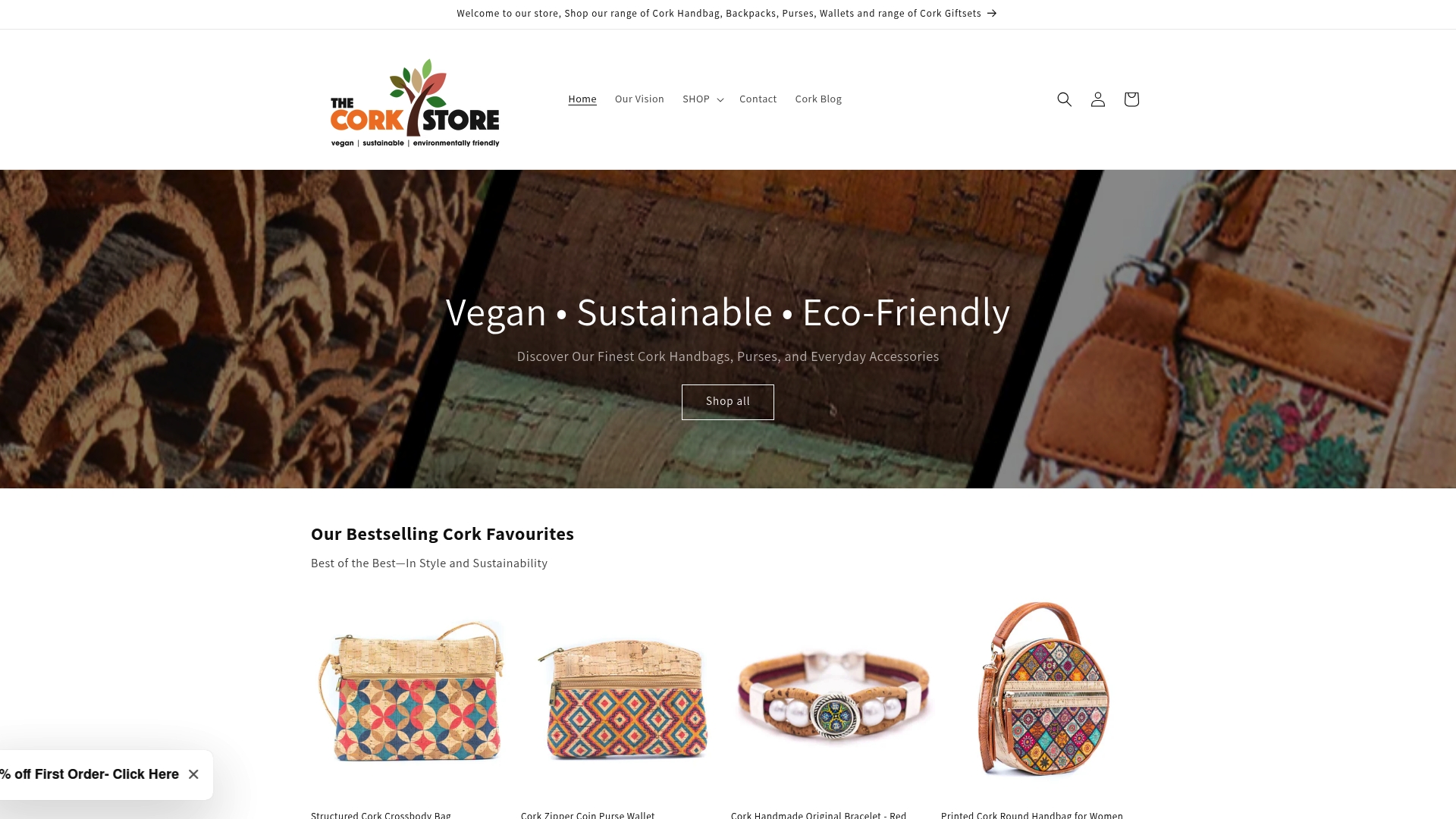
Find your next favourite handbag, wallet or backpack crafted from cork at The Cork Store. Each item combines timeless design with the ethical values described in the guide. Browse the collection and enjoy easy shopping for 100% vegan, durable and water-resistant fashion pieces created to last. Don’t wait to make an impact with your style and values start your journey today with The Cork Store and discover how beautiful animal-friendly accessories can be.
Frequently Asked Questions
What is cork and why is it considered an animal-friendly material?
Cork is a plant-based material harvested from the bark of cork oak trees. It is considered animal-friendly because the harvesting process does not harm the trees or any animals, making it a sustainable and cruelty-free alternative to animal-derived materials like leather.
How is cork harvested sustainably?
Cork is harvested by carefully stripping the bark from cork oak trees every nine years without damaging the tree. This method ensures the trees remain healthy, can regenerate, and continue producing cork for decades, supporting ecological balance and forest conservation.
What are the key differences between cork and leather for ethical consumers?
The primary differences include origin, with cork being plant-based and leather animal-based; harvesting methods, as cork extraction does not harm trees while leather production involves animal slaughter; and environmental impacts, where cork supports ecosystems and leather contributes to carbon emissions.
How should I care for my cork products to maintain their durability?
Caring for cork products is straightforward: clean them with a soft, damp cloth, use mild, pH-neutral soap for deeper cleaning, and avoid excessive moisture and direct sunlight. Periodically applying a protective coating can also extend the life of your cork items.