
Eco-Friendly Fashion Terminology: Making Ethical Choices
Over 50 percent of British shoppers want sustainable and ethical choices, yet confusion over eco-friendly terms often leads to missed opportunities. As conscious fashion lovers in Europe, you understand stylish accessories go hand in hand with responsible materials and practices. Breaking down all the complex jargon used by brands helps you recognise what is truly vegan, cruelty-free, and sustainable, empowering you to curate a wardrobe that reflects your values and your look.
Table of Contents
- Defining Eco-Friendly Fashion Terms
- Types Of Sustainable Fashion Materials
- Key Attributes Of Vegan And Cruelty-Free
- How Labels And Certifications Work
- Mistakes To Avoid With Greenwashing
Key Takeaways
| Point | Details |
|---|---|
| Understanding Eco-Friendly Fashion | Eco-friendly fashion focuses on reducing environmental impact through sustainable materials and ethical practices. Familiarity with key terms helps consumers make informed choices. |
| Importance of Sustainable Materials | Choosing innovative, sustainable materials like plant-based leathers contributes to reducing the fashion industry’s ecological footprint. |
| Recognising Certifications | Sustainability certifications serve as trustworthy indicators of environmental and ethical practices in fashion products. Consumers should seek out these certifications when shopping. |
| Awareness of Greenwashing | Consumers must be vigilant against greenwashing tactics, which can obscure genuine sustainability efforts. Critical thinking is essential for making authentic fashion choices. |
Defining Eco-Friendly Fashion Terms
Understanding eco-friendly fashion requires navigating a complex landscape of terminology that goes far beyond simple sustainability buzzwords. Sustainable fashion represents a critical systems approach integrating environmental, social, and political considerations into clothing production and consumption.
At its core, eco-friendly fashion encompasses clothing and accessories manufactured with minimal negative impact on our planet. This includes considerations like reducing carbon emissions, minimising waste, protecting natural resources, and ensuring ethical labour practices throughout the supply chain. The Centre for Sustainable Fashion’s comprehensive glossary highlights key terminology that helps consumers make more informed choices:
- Circular Fashion: Clothing designed to be reused, recycled, or biodegraded, creating a closed-loop system
- Slow Fashion: Approach prioritising quality, durability, and timeless design over rapid trend cycles
- Upcycling: Transforming waste materials or unwanted products into new items with enhanced value
- Carbon Neutral: Production processes that balance carbon emissions through reduction and offsetting strategies
Navigating these terms empowers consumers to make conscientious fashion choices that support environmental preservation and ethical manufacturing practices.
Pro Tip: When shopping for sustainable fashion, always check for transparent supply chain information and specific sustainability certifications.
Types Of Sustainable Fashion Materials
Sustainable fashion materials represent a critical pathway towards reducing environmental impact in textile production. Innovative bio-based technologies are transforming how we conceptualise fabric manufacturing, offering groundbreaking alternatives to traditional resource-intensive textiles.
The landscape of sustainable materials encompasses several exciting categories that challenge conventional textile production. Emerging sustainable technologies now include remarkable alternatives like bacterial cellulose, citrus fibres, and plant-based leather substitutes that dramatically reduce environmental footprint. Key sustainable materials include:
-
Natural Plant-Based Materials
- Cork
- Hemp
- Organic Cotton
- Bamboo Fibres
-
Innovative Bio-Fabricated Materials
- Mycelium Leather
- Cactus Leather
- Pineapple Leather (Piñatex)
- Seaweed-Derived Textiles
These materials not only minimise ecological damage but also demonstrate remarkable durability and aesthetic versatility. By choosing innovative sustainable material options, consumers can actively participate in reducing fashion’s environmental impact.

Below is a quick reference table comparing popular sustainable fashion materials by their main source and durability attributes:
| Material Type | Primary Source | Durability | Eco Impact |
|---|---|---|---|
| Organic Cotton | Plant fibre | High | Low water use |
| Mycelium Leather | Fungi/mycelium | Moderate | Biodegradable |
| Cactus Leather | Cactus plant | High | Renewable resource |
| Cork | Tree bark | High | Fully recyclable |
| Pineapple Leather | Pineapple leaves | Moderate | Utilises waste |
| Bamboo Fibre | Bamboo plant | Moderate | Fast growth, minimal chemicals |
Pro Tip: Research the specific care instructions for sustainable materials, as some may require unique maintenance compared to traditional textiles.
Key Attributes Of Vegan And Cruelty-Free
Vegan and cruelty-free fashion represents a profound commitment to ethical consumption that extends far beyond simple material choices. The ecological and social motivations behind vegan principles in clothing production challenge traditional fashion paradigms, focusing on minimising animal suffering while maximising environmental responsibility.
The key attributes of vegan and cruelty-free fashion encompass several critical dimensions:
-
Material Selection
- No animal-derived components
- Plant-based or synthetic alternatives
- Ethically sourced raw materials
- Minimal environmental impact
-
Ethical Production Standards
- Zero animal testing
- Fair labour practices
- Transparent supply chains
- Sustainable manufacturing processes
Consumers seeking vegan leather alternatives can now choose from innovative materials that replicate traditional leather’s aesthetic and durability while maintaining strict ethical standards. These alternatives include cork, pineapple leather, mushroom leather, and recycled synthetic materials that dramatically reduce ecological footprint.
Understanding these attributes empowers individuals to make conscious fashion choices that align with compassionate and sustainable principles, demonstrating that style need not compromise ethical integrity.
Pro Tip: Always request detailed material composition and certification when purchasing vegan fashion items to ensure genuine ethical standards.
How Labels And Certifications Work
Sustainability certifications serve as critical navigational tools in the complex landscape of ethical fashion. A comprehensive five-stage framework has been proposed to address the challenges of sustainability labelling, aiming to bridge the knowledge gap between brands and environmentally conscious consumers.
Key sustainability labels and certifications can be categorised into several important domains:
-
Environmental Certifications
- Global Organic Textile Standard (GOTS)
- Cradle to Cradle Certified
- Bluesign Certification
- Recycled Claim Standard
-
Ethical Production Certifications
- Fair Trade Certified
- Worldwide Responsible Accredited Production (WRAP)
- Social Accountability International (SA8000)
- Ethical Trading Initiative (ETI)
Consumers seeking transparent and reliable information about product origins can rely on these certifications as indicators of genuine commitment to sustainable and ethical practices. Each label represents a rigorous assessment of manufacturing processes, material sourcing, and social responsibility standards.
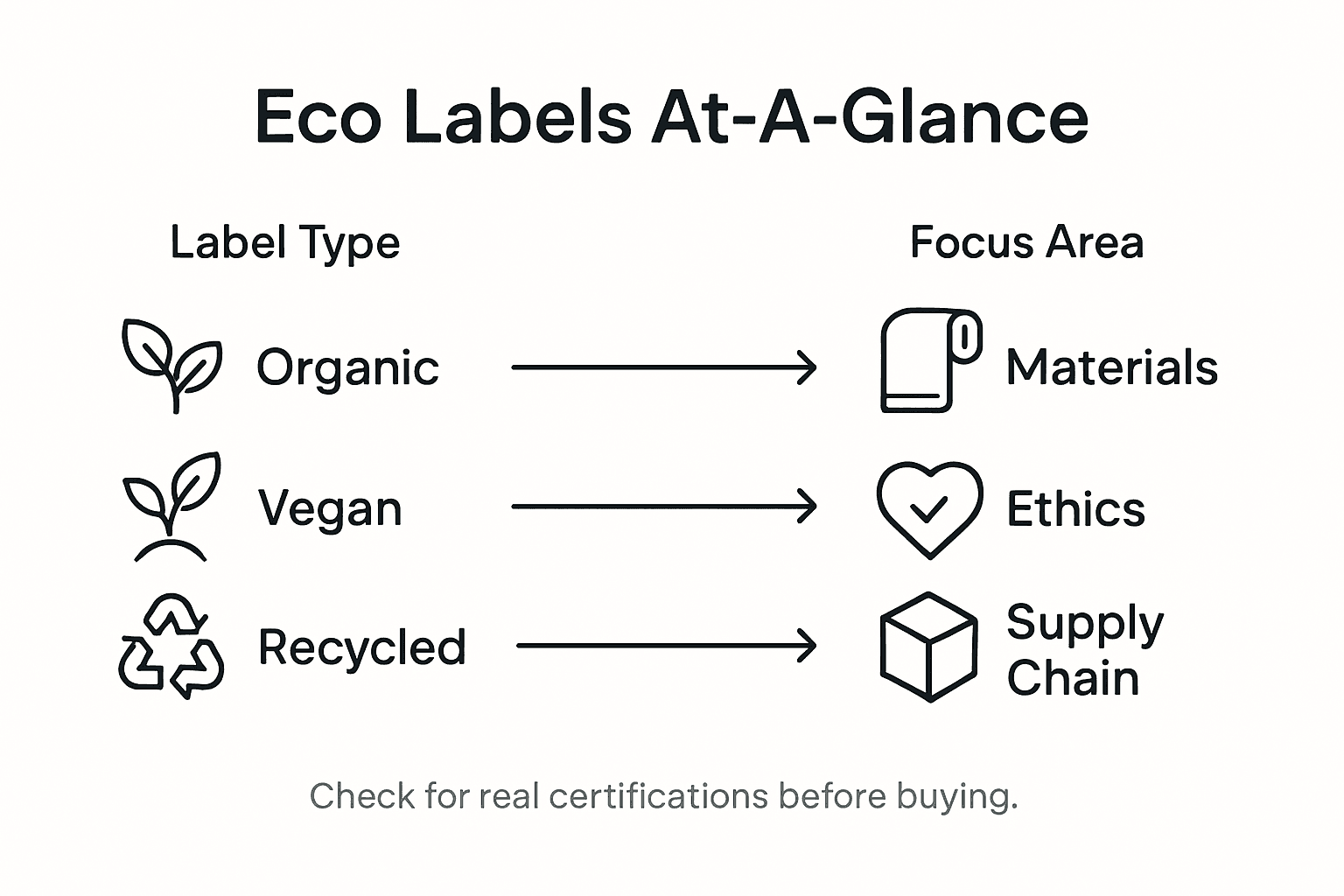
For quick guidance, here is a summary of the focus and assurance given by major sustainability certifications:
| Certification | Focus Area | Guarantees Provided |
|---|---|---|
| Global Organic Textile Standard (GOTS) | Environmental & Social | Organic inputs, fair labour |
| Bluesign Certification | Chemical Management | Safe chemical processes |
| Fair Trade Certified | Ethical Production | Fair wages, safe conditions |
| Cradle to Cradle Certified | Circular Design | Recyclable and non-toxic |
| Social Accountability International (SA8000) | Social Responsibility | Worker rights protected |
Understanding these certifications empowers shoppers to make informed decisions, transforming their purchasing power into a meaningful tool for driving positive change in the fashion industry.
Pro Tip: Always carry a quick reference guide of trusted sustainability certifications on your smartphone for instant verification while shopping.
Mistakes To Avoid With Greenwashing
Greenwashing represents a sophisticated form of corporate deception that undermines genuine sustainability efforts in the fashion industry. Brands frequently employ manipulative marketing tactics to appear environmentally responsible without implementing meaningful change, creating a complex landscape of misleading environmental claims.
Common greenwashing tactics that consumers should be vigilant about include:
-
Marketing Misrepresentations
- Vague environmental claims without substantiation
- Using misleading green imagery
- Highlighting minimal sustainable practices
- Exaggerating environmental contributions
-
Deceptive Communication Strategies
- Selective disclosure of environmental information
- Creating false sustainability narratives
- Obscuring overall environmental impact
- Making unverifiable ecological promises
The erosion of consumer trust through greenwashing poses significant challenges for genuine sustainability initiatives. Misleading claims not only deceive consumers but also undermine broader efforts to create meaningful environmental transformation in the fashion industry.
Critical thinking and thorough research remain the most powerful tools for consumers seeking authentic sustainable fashion choices, enabling them to distinguish between genuine commitment and superficial marketing strategies.
Pro Tip: Always request specific, verifiable evidence when brands make sustainability claims, and be prepared to investigate beyond surface-level marketing messages.
Discover Truly Eco-Friendly Accessories That Align With Your Values
Navigating the complex world of eco-friendly fashion terminology can feel overwhelming when making truly ethical choices. You want accessories that reflect circular fashion principles, cruelty-free ethics, and verified sustainability certifications without falling prey to greenwashing. At The Cork Store, we understand these challenges and offer a curated collection of stylish, vegan cork products that embody these values while delivering durability and timeless design.
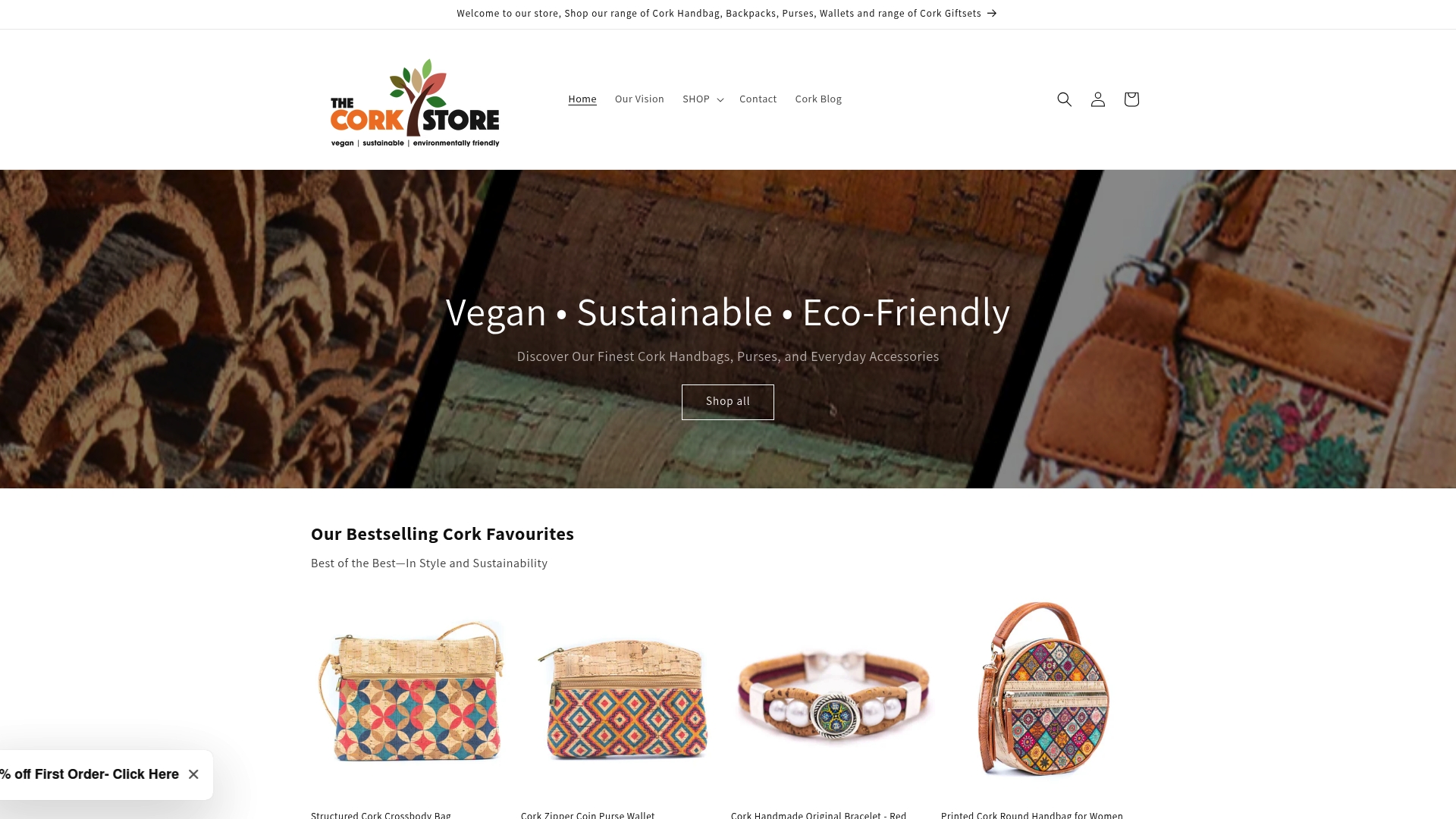
Take control of your fashion impact today by exploring our range of handbags, wallets, and backpacks crafted from renewable cork material. Our products offer a transparent supply chain and align with key sustainable fashion terms discussed in this article. Visit The Cork Store now to make a confident, eco-conscious purchase that supports ethical production and contributes to a greener future.
Frequently Asked Questions
What is eco-friendly fashion?
Eco-friendly fashion refers to clothing and accessories produced with minimal negative impact on the environment, focusing on reducing carbon emissions, minimising waste, and ensuring ethical labour practices throughout the supply chain.
What are some examples of sustainable fashion materials?
Sustainable fashion materials include natural plant-based materials like organic cotton and bamboo fibres, as well as innovative bio-fabricated materials such as mycelium leather and pineapple leather (Piñatex) that reduce environmental impact while providing durability and aesthetic appeal.
What distinguishes vegan fashion from traditional fashion?
Vegan fashion eliminates the use of any animal-derived components and focuses on plant-based or synthetic alternatives, alongside ethical production standards, including no animal testing and fair labour practices.
How can I identify genuine sustainability certifications on fashion products?
To identify genuine sustainability certifications, look for recognised labels such as the Global Organic Textile Standard (GOTS) and Fair Trade Certified. Each certification indicates a rigorous assessment of environmental practices, material sourcing, and social responsibility standards.
Recommended
- Sustainable Fashion Terminology: Clarity for Ethical Choices – The Cork Store
- What Is Eco-Friendly Fashion? Complete Overview – The Cork Store
- The Essential Guide to Advantages of Sustainable Fashion – The Cork Store
- Understanding Sustainable Fashion Essentials for Eco-Conscious Living – The Cork Store