

Role of Eco-Friendly Materials in Sustainable Fashion
Over 33 percent of British millennials now prefer accessories made from eco-friendly materials, challenging old ideas about what is truly sustainable. As more European consumers demand style without animal cruelty, interest in vegan fashion options is at an all-time high. This guide looks past marketing buzzwords to reveal what really makes a material both earth-conscious and trend-setting, helping you navigate hidden pitfalls and make ethical choices with confidence.
Table of Contents
- Eco-friendly Materials Defined And Misconceptions
- Types Of Sustainable Materials In Accessories
- Characteristics And Benefits Of Cork Material
- Vegan Alternatives To Traditional Leather
- Environmental, Ethical, And Financial Impacts
- Comparing Eco-friendly Options And Common Pitfalls
Key Takeaways
| Point | Details |
|---|---|
| Importance of Eco-friendly Materials | Eco-friendly materials are essential in sustainable design, minimising environmental impact and promoting resource preservation. |
| Misconceptions about Biodegradability | Not all eco-friendly materials are biodegradable; understanding their lifecycle is crucial for sustainable choices. |
| Diverse Options in Sustainable Fashion | Sustainable materials include various innovative solutions like plant-based fibres and recycled synthetics, allowing for informed consumer and designer decisions. |
| Ethical and Financial Implications | Choosing sustainable accessories supports ethical practices and contributes to a greener economy, aligning consumer behaviour with environmental responsibility. |
Eco-friendly materials defined and misconceptions
Eco-friendly materials represent a critical evolution in sustainable design, offering alternatives that minimise environmental impact. Eco-friendly products are defined as materials that cause minimal harm to the environment while supporting natural resource preservation. These materials go beyond simple aesthetics, embodying a commitment to reducing ecological footprints through thoughtful production processes.
Contrary to popular belief, not all eco-friendly materials are inherently biodegradable. Bio-based materials, which are derived from living organisms like plants and microorganisms, do not automatically break down completely. Some bio-based plastics, for instance, share identical chemical structures with fossil-based plastics and thus remain non-biodegradable. This nuanced understanding challenges the simplistic misconception that natural origin guarantees environmental sustainability.
In sustainable fashion, eco-friendly materials represent a spectrum of choices rather than a binary classification. Designers and consumers must evaluate multiple factors: carbon storage potential, renewable resource usage, production emissions, and end-of-life decomposition capabilities. Cork, organic cotton, recycled polyester, and hemp represent exemplary materials that demonstrate how thoughtful material selection can dramatically reduce environmental impact.
Pro tip: When assessing eco-friendly materials, look beyond marketing claims and investigate the complete lifecycle and manufacturing process of the product.
Types of sustainable materials in accessories
Sustainable materials in fashion accessories represent a diverse ecosystem of innovative solutions designed to minimise environmental impact and transform traditional manufacturing practices. These materials span multiple categories, including plant-based fibers, regenerated cellulosic textiles, animal-friendly alternatives, and recycled synthetic components. Understanding the nuanced landscape of sustainable materials enables conscious consumers and designers to make informed choices that support ecological preservation.
The spectrum of bio-based materials used in accessories is remarkably broad. Bio-based polymers and leather alternatives derived from plants, animals, and microorganisms are increasingly replacing fossil-fuel-based materials. Innovative options like cork, organic hemp, recycled polyester, and plant-derived leather substitutes demonstrate how accessory production can align with circular economy principles while maintaining aesthetic and functional quality.
Key sustainable material categories include natural plant fibers (organic cotton, hemp), regenerated cellulosic materials (bamboo, wood pulp derivatives), recycled synthetic fibers, and bio-based composites. Each material offers unique environmental benefits: reducing carbon emissions, supporting renewable resource usage, minimising waste, and providing alternatives to traditional petroleum-based manufacturing processes. Designers now have unprecedented opportunities to create accessories that are both stylish and environmentally responsible.
Here is a comparison of popular eco-friendly materials used in fashion accessories, highlighting their unique properties and environmental profiles:
| Material | Source | Key Eco Benefit | Typical Use |
|---|---|---|---|
| Organic Cotton | Plant (cotton crop) | Reduces pesticide pollution | Bags, clothing |
| Cork | Bark (oak tree) | Renewable, carbon storage | Wallets, belts |
| Recycled Polyester | Waste (plastics) | Lowers landfill impact | Backpacks, shoes |
| Hemp | Plant (hemp fibre) | Grows with minimal water | Hats, jewellery |
| Piñatex (Pineapple) | Fruit by-product | Utilises agricultural waste | Footwear, cases |
Pro tip: When selecting sustainable accessories, examine the complete material composition and investigate the manufacturer’s environmental certifications and production transparency.
Characteristics and benefits of cork material
Cork represents a remarkable sustainable material with extraordinary natural properties that make it increasingly valuable in eco-friendly fashion accessories. Its unique cellular structure, composed of gas-filled chambers, provides exceptional characteristics including remarkable elasticity, impressive thermal insulation, and inherent fire resistance. These natural qualities transform cork from a simple tree bark into a sophisticated material capable of meeting demanding design and performance requirements.
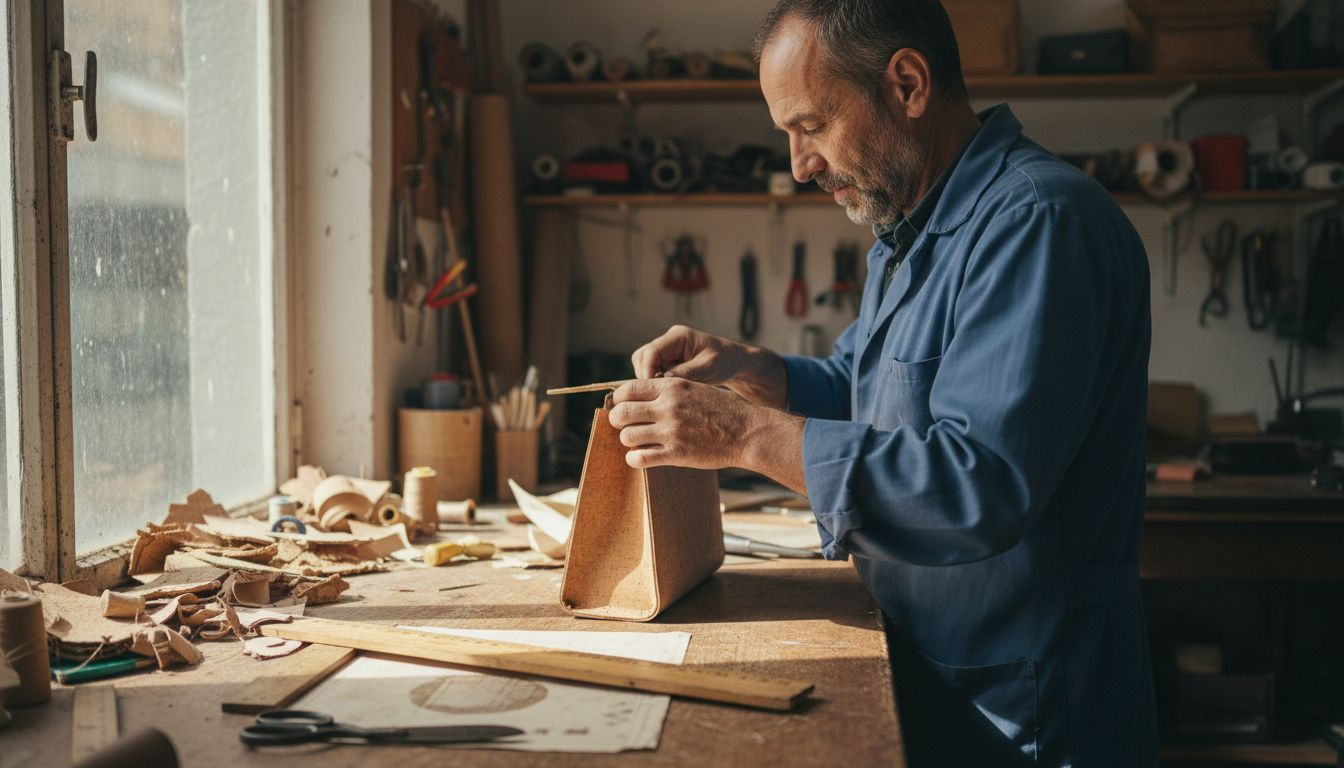
Sustainable harvesting is another pivotal aspect of cork’s environmental credentials. Cork is extracted from cork oak trees without causing damage, allowing trees to continue growing and sequestering carbon) throughout their extended lifecycle. Harvested approximately every 9–12 years, these trees contribute to biodiversity preservation while producing a renewable material that can be transformed into sophisticated accessories, backpacks, wallets, and other fashion items without compromising ecological integrity.
The material’s technical properties are equally impressive. Cork’s composition of suberin and lignin creates a naturally water-resistant, lightweight fabric that maintains remarkable structural integrity. Its ability to recover shape after compression, combined with its fire-retardant and hypoallergenic characteristics, positions cork as an exceptional alternative to traditional leather. These attributes make cork an ideal material for conscientious designers seeking to create durable, environmentally responsible fashion accessories that do not sacrifice aesthetic appeal or functional performance.
Pro tip: When evaluating cork accessories, examine the material’s texture, flexibility, and manufacturing process to ensure genuine sustainability and quality.
Vegan alternatives to traditional leather
Vegan leather alternatives represent a revolutionary approach to fashion manufacturing, offering cruelty-free materials that challenge traditional leather production methods. These innovative materials are crafted from diverse sources including plant-based substances like pineapple leaves, cactus fibres, apple by-products, and mushroom derivatives. By reimagining material sourcing, designers can create accessories that eliminate animal suffering while simultaneously addressing environmental concerns associated with conventional leather production.
The landscape of next-generation vegan leathers continues to expand dramatically. Emerging bio-based materials now include extraordinary alternatives such as bacterial cellulose, latex from Amazonian shiringa trees, and sophisticated fruit waste-derived textiles. Each material brings unique environmental advantages, from supporting indigenous communities to reducing deforestation and minimising plastic consumption. Cork leather stands out as a particularly promising option, offering remarkable renewability, biodegradability, and a sustainable alternative that maintains aesthetic and functional quality.
Key vegan leather alternatives encompass a broad spectrum of materials, each with distinctive characteristics. Polyurethane (PU) provides durability, cork offers natural resilience, pineapple leather (Piñatex) delivers textural intrigue, and mushroom-based materials present biodegradable solutions. These alternatives not only replicate leather’s aesthetic and functional properties but also significantly reduce the fashion industry’s ecological footprint by eliminating animal agriculture and minimising harmful chemical processing.
The table below compares conventional leather with next-generation vegan leather alternatives across critical sustainability and ethical dimensions:
| Attribute | Conventional Leather | Vegan Leather (Cork, Piñatex, Mushrooms) | Business Impact |
|---|---|---|---|
| Animal Welfare | Involves animal use | Cruelty-free sourcing | Appeals to ethical consumers |
| Carbon Footprint | High (livestock) | Variable, often much lower | Reduces emissions liability |
| Chemical Usage | Intense (tanning) | Minimal or non-toxic processes | Better health and compliance |
| Biodegradability | Usually poor | Sometimes biodegradable | Waste reduction opportunities |
Pro tip: Examine vegan leather accessories closely, assessing material composition, manufacturing transparency, and environmental certifications to ensure genuine sustainability.
Environmental, ethical, and financial impacts
Green finance and environmental regulations are transformative mechanisms for supporting sustainable material innovation, fundamentally reshaping how businesses approach ecological responsibility. These frameworks provide critical financial incentives that encourage organisations to invest in eco-friendly technologies, curb polluting investments, and promote energy conservation strategies. By creating economic pathways that reward sustainable practices, such regulatory approaches drive meaningful environmental change while simultaneously generating financial opportunities for forward-thinking enterprises.
The broader implications of adopting sustainable materials extend far beyond environmental conservation. Eco-friendly products contribute to sustainable green economies by promoting resource efficiency, reducing pollution, and fostering social inclusivity. This holistic approach addresses multiple interconnected challenges: supporting employment growth in green sectors, minimising ecological harm, and aligning economic development with environmental stewardship. Sustainable fashion accessories become more than mere products; they represent tangible investments in a more equitable and responsible global economic model.
Ethical considerations play an equally significant role in this transformation. Consumers are increasingly demanding transparency, demanding materials that do not compromise human or animal welfare, respect indigenous communities, and minimise environmental degradation. By choosing sustainable accessories, individuals participate in a global movement that challenges traditional manufacturing paradigms, supports fair labour practices, and promotes a more compassionate approach to global resource management. Each purchasing decision becomes an opportunity to vote for a more sustainable and just economic system.
Pro tip: Research the complete supply chain of sustainable accessories, focusing on manufacturers who provide detailed documentation about their environmental and ethical production practices.
Comparing eco-friendly options and common pitfalls
Consumer purchasing patterns for eco-friendly products reveal complex psychological dynamics that extend far beyond simple product selection. Different consumer segments approach sustainable choices with varying levels of commitment, influenced by altruistic motivations, perceived inconveniences, and individual value systems. The gap between environmental intention and actual purchasing behaviour remains a significant challenge, highlighting the need for nuanced marketing strategies that address underlying consumer hesitations.
Critical evaluation of eco-friendly alternatives demands comprehensive assessment beyond superficial sustainability claims. Product labelling, brand reputation, and genuine transparency play crucial roles in establishing consumer trust, with greenwashing representing a persistent threat to authentic sustainable fashion. Consumers must critically analyse life cycle impacts, ethical sourcing practices, and the genuine environmental credentials of materials, moving beyond marketing rhetoric to understand the substantive ecological implications of their choices.
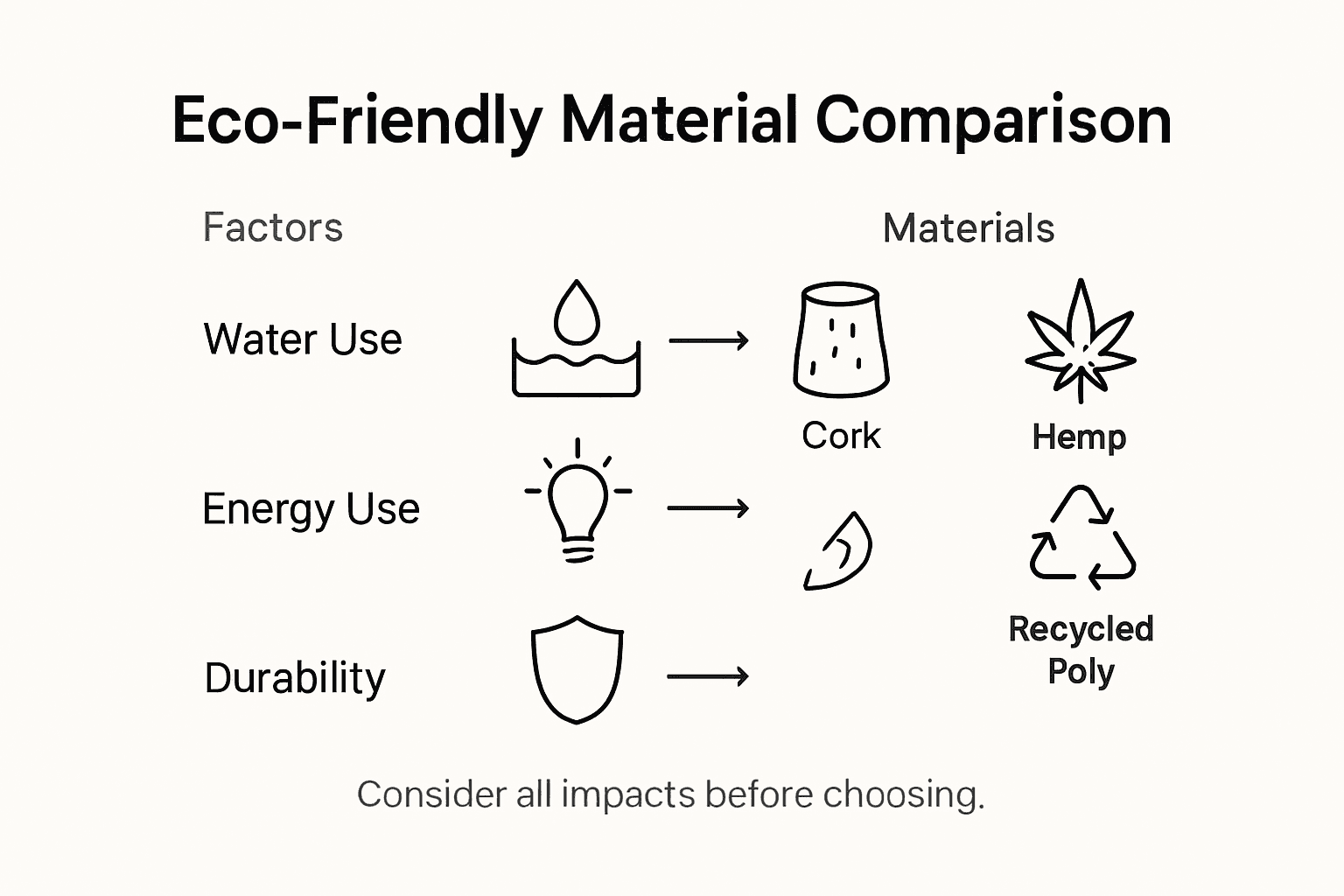
Comparative analysis of sustainable materials requires holistic consideration of multiple factors: carbon footprint, resource consumption, biodegradability, production emissions, and long-term environmental impact. Materials like cork, organic hemp, recycled polyester, and plant-based leather alternatives each present unique advantages and limitations. Successful sustainable fashion adoption depends on understanding these nuanced trade-offs, recognising that no single material represents a perfect solution but represents a step towards more responsible consumption.
Pro tip: Develop a personal sustainability scorecard that evaluates potential accessories across multiple environmental and ethical dimensions, allowing for more informed and comprehensive purchasing decisions.
Choose Cork for Truly Sustainable Fashion Accessories
The article highlights the challenge of finding authentic eco-friendly materials that balance environmental impact, ethical responsibility, and lasting style. If you seek to reduce your carbon footprint while embracing cruelty-free alternatives to traditional leather, cork stands out as a remarkably sustainable choice. Its renewable nature, biodegradable qualities, and unique durability align perfectly with the goals of conscious consumers who value transparency and thoughtful production processes.
Discover how cork accessories can transform your fashion experience. From handbags and wallets to backpacks and gift sets, each piece reflects genuine commitment to environmental stewardship without compromising aesthetic appeal. Explore the carefully curated range of vegan cork products designed to meet the highest standards of sustainability today.
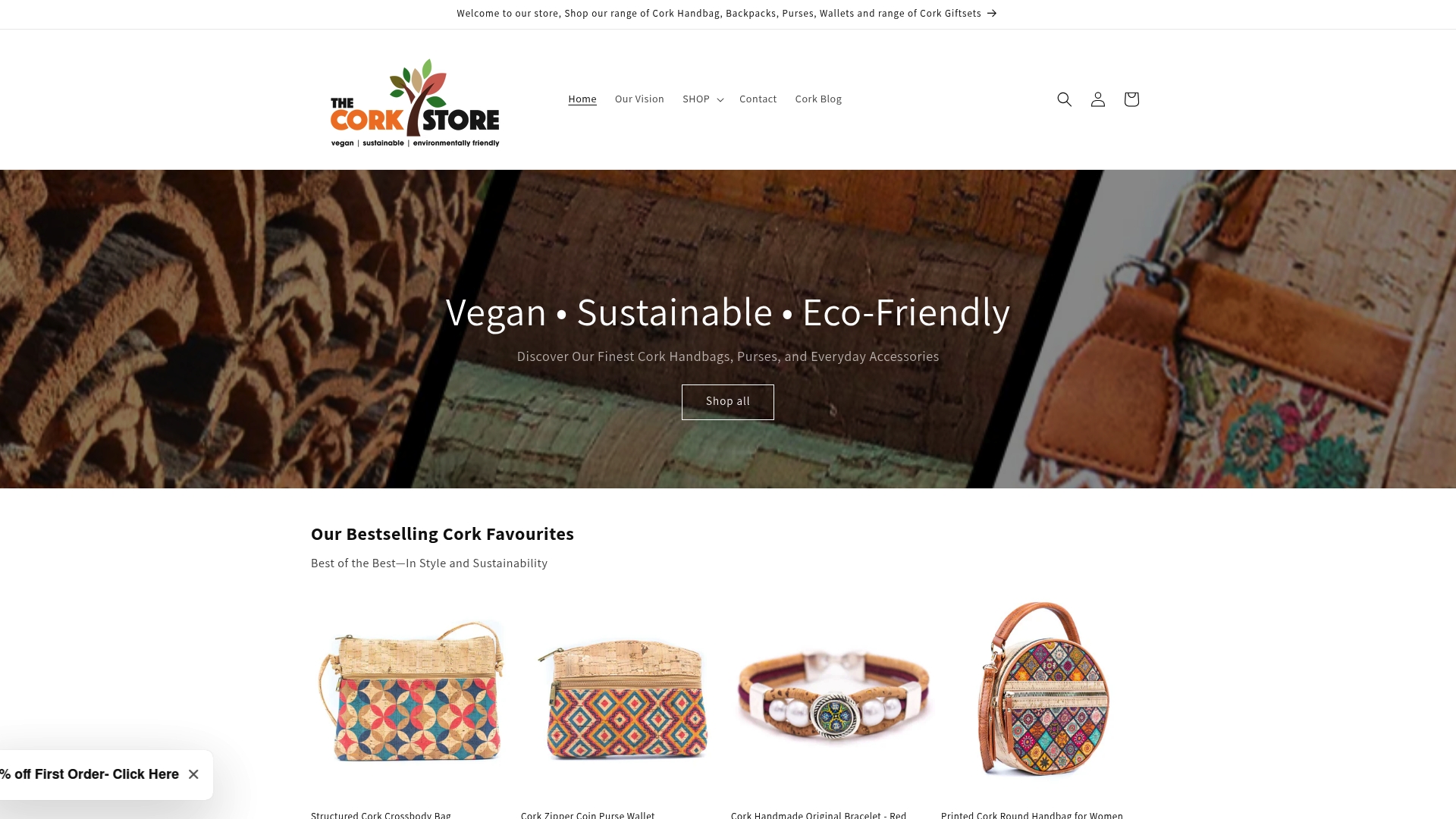
Ready to make a positive impact with your fashion choices? Visit The Cork Store now to browse eco-conscious accessories and embrace sustainable style. Learn more about cork’s environmental benefits on our site and join a growing community of mindful consumers choosing quality, cruelty-free, and environmentally responsible products.
Frequently Asked Questions
What are eco-friendly materials in sustainable fashion?
Eco-friendly materials are materials that cause minimal harm to the environment while supporting natural resource preservation. They are an essential part of sustainable design, aiming to reduce ecological footprints through thoughtful production processes.
Are all eco-friendly materials biodegradable?
No, not all eco-friendly materials are biodegradable. For example, some bio-based plastics share identical chemical structures with fossil-based plastics and remain non-biodegradable, challenging the misconception that natural origins guarantee biodegradability.
What are some examples of sustainable materials used in fashion accessories?
Sustainable materials include organic cotton, cork, recycled polyester, and hemp. These materials provide various environmental benefits such as reducing carbon emissions and utilising renewable resources.
Why is cork considered a sustainable material?
Cork is sustainably harvested from cork oak trees without causing damage, allowing them to grow and sequester carbon. Additionally, cork has unique properties such as water resistance and resilience, making it a valuable alternative to traditional materials like leather.
Recommended
- Understanding the Role of Eco-Friendly Materials in Fashion – The Cork Store
- What Is Eco-Friendly Fashion? Complete Overview – The Cork Store
- Understanding Sustainable Fashion Essentials for Eco-Conscious Living – The Cork Store
- 7 Types of Sustainable Materials for Eco-Friendly Living – The Cork Store
- Verpakking Voor Kleding: Complete Gids Voor Keuze – Kadopapier.net