

7 Essentials for Modern Eco Friendly Bag Design Mastery
Choosing the right materials and techniques for bag design can be overwhelming when you want to reduce your environmental impact. Many options on the market claim to be eco-friendly, yet not all align with truly sustainable values. The pressure to balance durability, style, and ethical sourcing leaves you searching for clear guidance.
This list is packed with practical steps to help you create bags that are environmentally responsible without sacrificing function or beauty. You will discover specific strategies such as using cork as a renewable alternative to traditional leather, adopting minimalist construction principles, and selecting components that support a circular fashion economy.
Get ready to learn actionable methods that support a greener future for fashion. Each insight will show you how to make thoughtful design choices that benefit both you and the planet.
Table of Contents
- 1. Choose Sustainable Materials Like Cork Over Leather
- 2. Opt For Durable And Minimalist Construction
- 3. Incorporate Recyclable And Biodegradable Components
- 4. Utilise Non-Toxic Dyes And Natural Colouring Techniques
- 5. Design For Versatility And Everyday Use
- 6. Prioritise Ethical Sourcing And Transparent Production
- 7. Champion Zero-Waste And Circular Design Principles
Quick Summary
| Takeaway | Explanation |
|---|---|
| 1. Choose Cork Over Leather | Cork is a sustainable, renewable alternative to leather with minimal environmental impact. |
| 2. Focus on Minimalist Construction | Design bags with fewer components to increase durability and reduce waste. |
| 3. Incorporate Biodegradable Materials | Use materials that naturally decompose, reducing long-term pollution. |
| 4. Utilise Non-Toxic Dyes | Opt for natural dyes from plant sources to protect health and environment. |
| 5. Embrace Circular Design Principles | Implement designs that allow for recycling and reduce waste throughout the product’s lifecycle. |
1. Choose Sustainable Materials Like Cork Over Leather
Designing eco-friendly bags begins with selecting materials that minimise environmental impact. In this critical first step, sustainable cork fabric emerges as a revolutionary alternative to traditional leather, offering designers and consumers a responsible choice that doesn’t compromise on style or quality.
Cork represents a remarkable sustainable material with extraordinary potential for modern bag design. Unlike leather production which involves significant animal farming and chemical processing, cork is harvested from cork oak trees through a non-destructive extraction process that actually supports forest ecosystems.
Key advantages of choosing cork over leather include:
- Renewable resource that regenerates naturally
- Minimal environmental footprint
- Water-resistant and durable material
- Lightweight and flexible for versatile design
- Biodegradable and recyclable
The material’s unique cellular structure provides natural resistance to water and wear, making it ideal for creating long-lasting accessories. Research comparing sustainable leather alternatives highlights cork’s exceptional properties in fashion manufacturing.
Cork fabric represents the future of sustainable design: ethical, beautiful, and environmentally responsible.
By choosing cork, designers can create bags that tell a story of environmental consciousness while delivering high-performance materials that meet modern aesthetic standards.
Pro tip: When selecting cork for bag design, look for manufacturers who source materials from certified sustainable forests to ensure maximum environmental integrity.
2. Opt for Durable and Minimalist Construction
In the realm of sustainable bag design, durability and minimalism are far more than aesthetic choices - they are critical environmental strategies. Sustainable consumer product research reveals that thoughtful construction can dramatically reduce waste and extend product lifecycles.
Minimalist design principles focus on creating bags with fewer components and maximum functionality. This approach means eliminating unnecessary decorative elements and concentrating on core structural integrity and practical usage.
Key strategies for durable minimalist bag construction include:
- Using high-quality, robust materials
- Reducing overall number of seams and attachments
- Selecting reinforced connection points
- Creating multi-functional design elements
- Implementing clean architectural lines
Functional simplicity translates directly into longer product lifespans. By eliminating complex design elements, designers can create bags that withstand repeated use while maintaining aesthetic elegance.
Minimalism in design is not about removing character but distilling a product to its most essential and meaningful form.
These design approaches not only reduce material consumption but also create accessories that remain stylish across changing fashion trends.
Pro tip: When designing minimalist bags, prioritise structural strength through strategic material placement and thoughtful architectural techniques.
3. Incorporate Recyclable and Biodegradable Components
Sustainable bag design demands a revolutionary approach to material selection that goes beyond aesthetics. Environmental research highlights the critical importance of choosing components that can be recycled or naturally decompose after their lifecycle.
The transition to recyclable and biodegradable components represents a fundamental shift in accessory manufacturing. Circular design principles are no longer optional but essential for reducing environmental impact and minimising waste in the fashion industry.
Key strategies for incorporating biodegradable components include:
- Selecting natural fibre reinforcements
- Using plant-based binding materials
- Choosing water-soluble or compostable adhesives
- Implementing modular design for easy component replacement
- Prioritising materials with minimal chemical treatments
Biodegradability means more than just decomposition - it represents a commitment to creating products that return nutrients to the ecosystem rather than becoming long-term pollution.
Responsible design transforms waste from a problem into an opportunity for regeneration.
By carefully selecting materials that can break down naturally, designers can create bags that are both beautiful and environmentally responsible.
Pro tip: Research local recycling capabilities to ensure your biodegradable components can be properly processed in your specific region.
4. Utilise Non-Toxic Dyes and Natural Colouring Techniques
Sustainable bag design demands a profound reimagining of colour application techniques that protect both human and environmental health. Sustainable production research reveals that traditional synthetic dyes pose significant ecological risks.
Non-toxic dyes represent a transformative approach to accessory manufacturing. Colour can be beautiful without compromising environmental integrity, by selecting natural pigments that originate from plant-based and renewable sources.
Key strategies for implementing natural colouring techniques include:
- Extracting pigments from food waste like onion skins
- Using botanical sources such as indigo and madder root
- Exploring mineral-based natural colourants
- Implementing low-temperature dyeing processes
- Minimising water consumption during colour application
Natural dyes offer remarkable versatility while dramatically reducing chemical contamination. By understanding traditional colouring methods, designers can create vibrant accessories that tell a story of environmental responsibility.
Sustainable colour is not a compromise but a creative opportunity for innovation.
The journey towards non-toxic colouring represents a commitment to holistic environmental stewardship in fashion design.
Pro tip: Research local botanical sources and traditional dyeing techniques from indigenous cultures to discover unique and sustainable colour possibilities.
5. Design for Versatility and Everyday Use
Sustainable bag design transcends aesthetic appeal by prioritising functional adaptability across multiple contexts. Sustainable consumer research reveals that versatile bags significantly reduce environmental waste by minimising the need for multiple specialised accessories.
Multi-functional design represents a revolutionary approach to accessory creation. Adaptable bags reduce consumer consumption by providing seamless transitions between professional environments work commutes leisure activities and travel scenarios.
Key strategies for designing versatile bags include:
- Incorporating adjustable strap configurations
- Creating modular compartment systems
- Enabling quick volume expansion and contraction
- Using water-resistant and easy-clean materials
- Implementing convertible carrying methods
Functionality drives sustainable consumption by encouraging longer product lifecycles and reducing unnecessary purchases. These design principles transform bags from single-purpose items into intelligent companions that adapt to changing user needs.
True sustainability emerges when design anticipates and accommodates diverse human experiences.
By reimagining bags as dynamic tools rather than static accessories designers can create products that genuinely serve modern lifestyle requirements.
Pro tip: When designing versatile bags consider sketching user journey maps to understand potential transformation points and multi-functional requirements.
6. Prioritise Ethical Sourcing and Transparent Production
Sustainable bag design extends far beyond material selection into the critical realm of ethical production practices. Global research reveals consumer demand for complete transparency about manufacturing conditions and material origins.
Ethical sourcing represents a fundamental commitment to social responsibility and environmental stewardship. Supply chain transparency becomes a moral imperative that transforms manufacturing from an opaque process into an opportunity for meaningful global connection.
Key strategies for ensuring ethical production include:
- Conducting regular supplier audits
- Documenting complete material traceability
- Verifying fair wage standards
- Ensuring safe working environments
- Supporting local and community-based producers
- Maintaining open communication channels
Worker dignity drives sustainable innovation by recognising human contributions throughout the production process. Transparent practices build trust and demonstrate a genuine commitment to global social justice.
Ethical production is not a marketing strategy but a fundamental human responsibility.
By prioritising visibility and accountability designers can create accessories that represent genuine positive change in the fashion ecosystem.
Pro tip: Request detailed documentation from suppliers about their labour practices and environmental standards to ensure genuine ethical commitment.
7. Champion Zero-Waste and Circular Design Principles
Zero-waste design represents a transformative approach to sustainable accessory manufacturing. Sustainable fashion research emphasises eliminating waste throughout the entire product lifecycle.
Circular design principles challenge traditional linear production models by reimagining waste as a valuable resource. Product lifecycle becomes a continuous regenerative process where materials are perpetually reused and repurposed.
Key strategies for implementing zero-waste design include:
- Designing for complete material disassembly
- Using 100% recyclable components
- Creating modular bag structures
- Planning for end-of-life material recovery
- Minimising virgin material consumption
- Developing repair and refurbishment protocols
Waste reduction requires systemic thinking that considers every stage of a product’s journey. By designing with eventual deconstruction in mind designers can create accessories that contribute positively to environmental ecosystems.
Circular design transforms waste from an endpoint into a beginning.
These principles move beyond mere sustainability towards regenerative practices that actively heal environmental systems.
Pro tip: Prototype bag designs using digital modelling to minimise physical material waste during the development process.
Below is a comprehensive table summarising the key strategies for sustainable bag design discussed in the article.
| Strategy | Key Actions | Benefits |
|---|---|---|
| Choose Sustainable Materials | Select cork fabric instead of leather due to its renewable, biodegradable, and water-resistant properties. | Reduces environmental impact and supports forest ecosystems. |
| Opt for Durable Minimalist Construction | Employ high-quality materials, reduce components, and incorporate multi-functional designs. | Enhances longevity and reduces waste. |
| Incorporate Recyclable Components | Use natural fibres, compostable adhesives, and modular designs. | Promotes circular lifecycle and reduces material pollution. |
| Utilise Non-Toxic Dyes | Implement plant-based or mineral-based dyeing methods and minimise water consumption. | Reduces chemical contamination and fosters eco-friendly colour applications. |
| Design for Versatility | Develop adaptable features such as modular compartments and convertible carrying methods. | Supports extended usage and minimises the need for multiple items. |
| Prioritise Ethical Sourcing | Conduct supplier audits and maintain transparency about origin and production practices. | Ensures fair labour conditions and environmentally responsible production. |
| Implement Zero-Waste Principles | Establish designs for disassembly, recyclable components, and reclamation protocols. | Advances regenerative manufacturing processes, reducing waste. |
Elevate Your Eco-Friendly Style with Sustainable Cork Accessories
The challenge of mastering modern eco-friendly bag design lies in combining durability, ethical sourcing, and versatility while embracing materials that truly support environmental regeneration. This article highlights vital elements such as choosing sustainable materials like cork, incorporating biodegradable components, and prioritising minimalist, multifunctional construction. These goals align perfectly with the core values behind our curated collection at The Cork Store, where every piece represents a conscious step toward stylish, cruelty-free fashion.
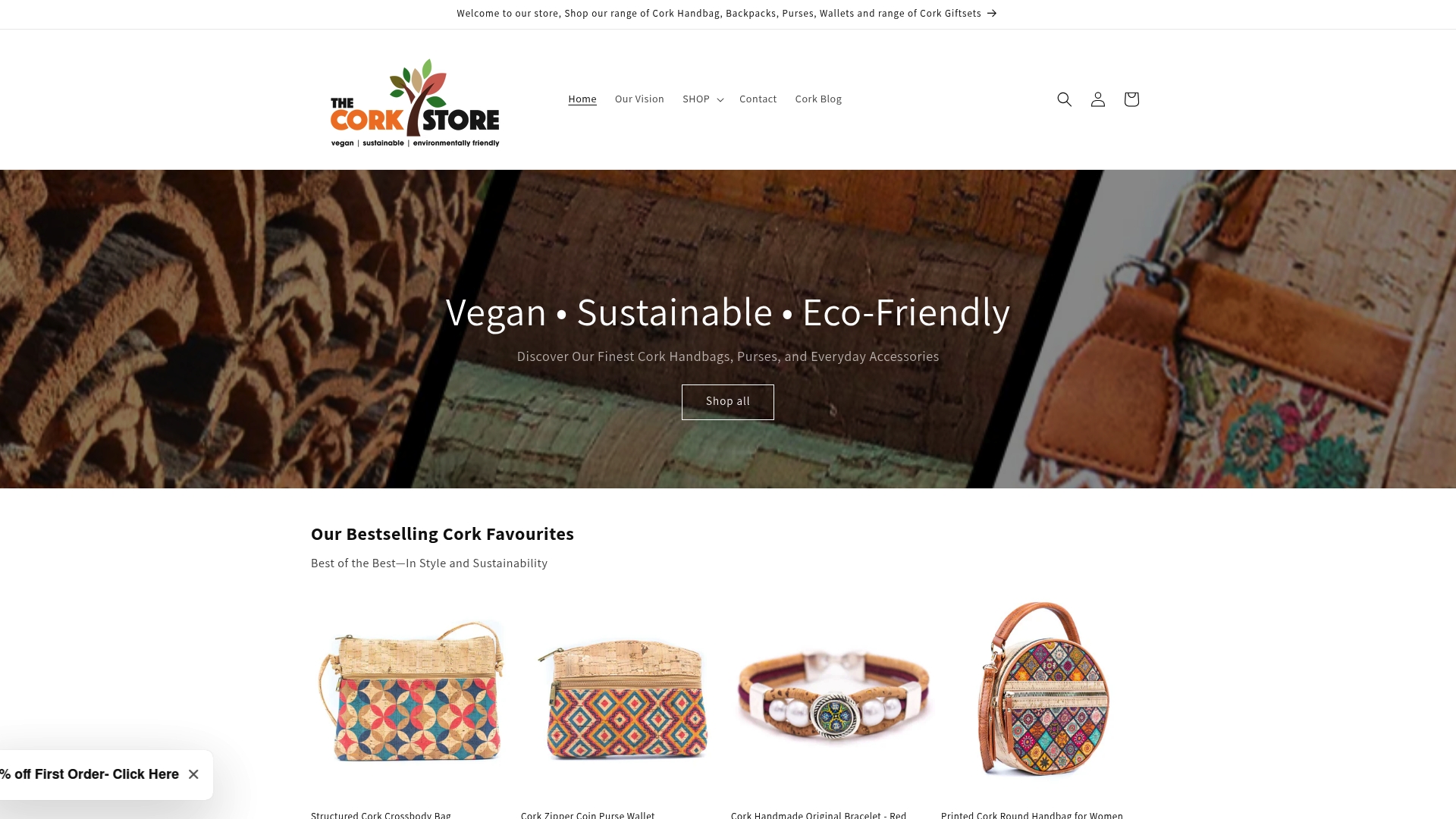
Discover the exceptional benefits of cork through our range of vegan handbags, backpacks, and wallets designed to meet the needs outlined in sustainable design research. Browse our thoughtfully crafted selection made from renewable, water-resistant cork that supports zero-waste principles and ethical production practices. Visit The Cork Store homepage today and choose accessories that embody durability and versatility while honouring the planet. Your next eco-conscious purchase starts here.
Frequently Asked Questions
What materials should I consider for eco-friendly bag design?
Choose sustainable materials like cork, which is a renewable resource and offers a minimal environmental footprint. Start by researching manufacturers that source cork from certified sustainable forests for maximum integrity in your designs.
How can I ensure my bag designs are durable and minimalist?
Focus on using high-quality materials and reducing the number of components in your designs. By prioritising functional simplicity, you can create bags that have a longer lifespan and withstand repeated use.
What components are best for achieving recyclable and biodegradable designs?
Incorporate natural fibre reinforcements and plant-based binding materials in your designs. Aim for 100% biodegradable components to contribute to circular design principles and reduce waste in the fashion industry.
How can I use non-toxic dyes in my bag design process?
Implement natural colouring techniques by sourcing pigments from plants or food waste. Experiment with low-temperature dyeing processes to minimise water consumption and chemical runoff that can harm the environment.
What are effective strategies for designing versatile bags?
Incorporate adjustable straps and modular compartments to enhance the adaptability of your bags across different contexts. This approach allows consumers to use a single bag for various needs, promoting sustainable consumption practices.
How can I ensure ethical sourcing in my bag production?
Conduct regular audits of your suppliers to verify fair wages and safe working conditions. Establish an open line of communication with your suppliers to maintain transparency and ensure an ethical production process.
Recommended
- Benefits of Eco-Friendly Handbags: Complete Guide – The Cork Store
- 7 Top Eco Handbags for Sustainable Fashion Lovers – The Cork Store
- Understanding Why Choose Sustainable Bags for a Greener Future – The Cork Store
- Understanding the Qualities of Sustainable Handbags – The Cork Store
- 7 Essential Tips for Sustainable Business Operations - Onyx Removals