

Complete Guide to Sustainable Fashion Tips
Over 92 million tons of textile waste end up in landfills each year, revealing just how urgent the conversation around sustainable fashion has become. As clothing production continues to strain natural resources and exploit workers, choosing ethical and eco-friendly fashion is no longer a mere trend but a critical responsibility. Understanding the core principles of sustainable fashion empowers you to support fair labor, use greener materials, and help reshape the future of style for people and the planet.
Table of Contents
- Defining Sustainable Fashion And Core Principles
- Essential Types Of Sustainable Fashion Choices
- How Vegan And Cork Accessories Promote Sustainability
- Practical Tips For Creating An Ethical Wardrobe
- Common Mistakes And How To Avoid Them
Key Takeaways
| Point | Details |
|---|---|
| Sustainable Fashion Principles | Sustainable fashion emphasizes environmental conservation, social equity, and economic viability in clothing production. Key practices include using eco-friendly materials and ensuring fair labor conditions. |
| Types of Sustainable Choices | Consumers can opt for ethical and fair trade fashion, eco-friendly materials, and upcycled products to support sustainability. Vegan accessories also play a significant role in minimizing environmental impact. |
| Building an Ethical Wardrobe | Creating an ethical wardrobe involves mindful material selection, conscious shopping practices, and proper garment care to reduce waste and extend the life of clothing. |
| Common Mistakes to Avoid | To maximize sustainability efforts, avoid impulse purchases, overlook material impact, and improper garment care, all of which can undermine eco-conscious practices. |
Defining Sustainable Fashion and Core Principles
Sustainable fashion represents a holistic approach to clothing and accessories that prioritizes environmental responsibility, ethical production practices, and long-term social impact. According to World Fashion Summit, ethical fashion fundamentally emphasizes social responsibility by focusing on fair labor practices, sustainable materials, and transparent supply chains.
At its core, sustainable fashion transcends traditional manufacturing models by integrating three critical dimensions: environmental conservation, social equity, and economic viability. As Why Magazine explains, these practices aim to systematically reduce the fashion industry’s ecological footprint while promoting worker welfare and responsible resource management.
Key principles of sustainable fashion include:
- Utilizing eco-friendly and renewable materials
- Minimizing waste through circular design strategies
- Ensuring fair wages and safe working conditions for textile workers
- Reducing carbon emissions in production processes
- Encouraging long-term product durability and timeless design
Moreover, sustainable fashion challenges consumers to reconsider their purchasing habits, moving away from fast fashion’s disposable culture towards more mindful, intentional wardrobe choices. By understanding these principles, individuals can make informed decisions that support an environmentally conscious and ethically responsible fashion ecosystem. Want to dive deeper into identifying sustainable fashion options? Check out our guide on how to spot sustainable fashion.
Transitioning towards sustainable fashion requires a collective commitment from designers, manufacturers, retailers, and consumers. It represents not just a trend, but a necessary evolution in how we produce, consume, and think about clothing and accessories.
Essential Types of Sustainable Fashion Choices
Sustainable fashion offers diverse choices that prioritize environmental responsibility and ethical production. According to Washington Independent, key sustainable fashion trends encompass ethical and fair trade fashion, eco-friendly materials, vegan and cruelty-free products, and innovative upcycled designs that aim to reduce environmental impact.
Natural fibers play a crucial role in sustainable fashion choices. Fashion ABC highlights that selecting materials like cotton, hemp, and linen while avoiding synthetic fabrics such as polyester and nylon can significantly minimize environmental harm.
The main categories of sustainable fashion choices include:
-
Ethical and Fair Trade Fashion
- Ensuring fair wages and safe working conditions
- Supporting artisan communities and transparent supply chains
-
Eco-Friendly Material Options
- Organic cotton
- Hemp and linen textiles
- Recycled synthetic fabrics
- Innovative plant-based materials
-
Vegan and Cruelty-Free Accessories
- Animal-free leather alternatives
- Sustainable cork products
- Recycled plastic accessories
-
Upcycled and Circular Fashion
- Repurposed clothing designs
- Zero-waste manufacturing techniques
- Clothing rental and swap platforms
For those eager to explore sustainable material options in more depth, check out our comprehensive guide on sustainable materials.
Ultimately, sustainable fashion choices represent more than a trend – they’re a commitment to responsible consumption, environmental stewardship, and supporting ethical production practices that respect both people and our planet.
How Vegan and Cork Accessories Promote Sustainability
Vegan and cork accessories are revolutionizing sustainable fashion by offering innovative alternatives that dramatically reduce environmental impact. According to Washington Independent, vegan and cruelty-free fashion fundamentally aims to manufacture products without using animal-derived materials, raising critical awareness about ethical concerns within the fashion industry.
Plant-based materials are transforming accessory production, providing eco-conscious consumers with stylish and sustainable options. Two Green Leaves highlights the importance of choosing innovative alternatives like Piñatex and Apple Leather, which support sustainability by reducing dependence on traditional animal-derived materials.
Key sustainability benefits of vegan and cork accessories include:
-
Environmental Conservation
- Reduced carbon footprint
- Minimal water consumption during production
- Lower chemical usage compared to traditional leather
-
Ethical Production
- No animal harm or exploitation
- Supporting innovative material technologies
- Encouraging fair labor practices
-
Material Innovation
- Biodegradable options
- Recycled and upcycled material usage
- Renewable resource utilization
For those intrigued by the world of cruelty-free fashion, learn more about why vegan bags are transforming sustainable fashion.
Ultimately, vegan and cork accessories represent more than a fashion trend – they’re a profound statement of environmental responsibility, ethical consumption, and compassionate design that respects both living beings and our planet’s delicate ecosystems.
Practical Tips for Creating an Ethical Wardrobe
Creating an ethical wardrobe is a transformative journey towards more conscious fashion consumption. According to Baylor News, supporting sustainable fashion involves strategic choices like selecting natural fibers, avoiding dry-clean-only garments, shopping at resale stores, and purchasing from retailers committed to sustainability.
Material selection is crucial in building an eco-friendly wardrobe. Two Green Leaves emphasizes exploring diverse fabric options, including natural fibers, semi-synthetic materials like Tencel, and innovative recycled textiles that minimize environmental impact.
Practical strategies for developing an ethical wardrobe include:
-
Mindful Material Selection
- Prioritize organic cotton
- Choose natural and semi-synthetic fibers
- Explore innovative recycled materials
-
Conscious Shopping Practices
- Shop at vintage and second-hand stores
- Support ethical and transparent brands
- Buy fewer, higher-quality pieces
-
Wardrobe Management
- Repair and maintain existing clothing
- Learn basic mending skills
- Swap or donate unused items
-
Sustainable Laundering
- Wash clothes less frequently
- Use cold water
- Air dry when possible
Ready to transform your approach to fashion? Discover eco-friendly fashion tips for a more sustainable wardrobe.
Ultimately, an ethical wardrobe is about making intentional choices that reflect personal values, support responsible production, and contribute to a more sustainable fashion ecosystem.

Common Mistakes and How to Avoid Them
Navigating sustainable fashion requires understanding potential pitfalls that can undermine your eco-conscious efforts. According to Why Magazine, one of the most critical oversights in sustainable fashion involves neglecting water conservation and responsible chemical management during textile processing, which significantly impacts environmental sustainability.
Product design plays a crucial role in minimizing fashion waste. University of Delaware highlights that failing to create products with a commercial ‘afterlife’ leads to increased waste, emphasizing the importance of modular and adaptable designs that enable component recovery and reuse.
Common sustainable fashion mistakes to avoid include:
-
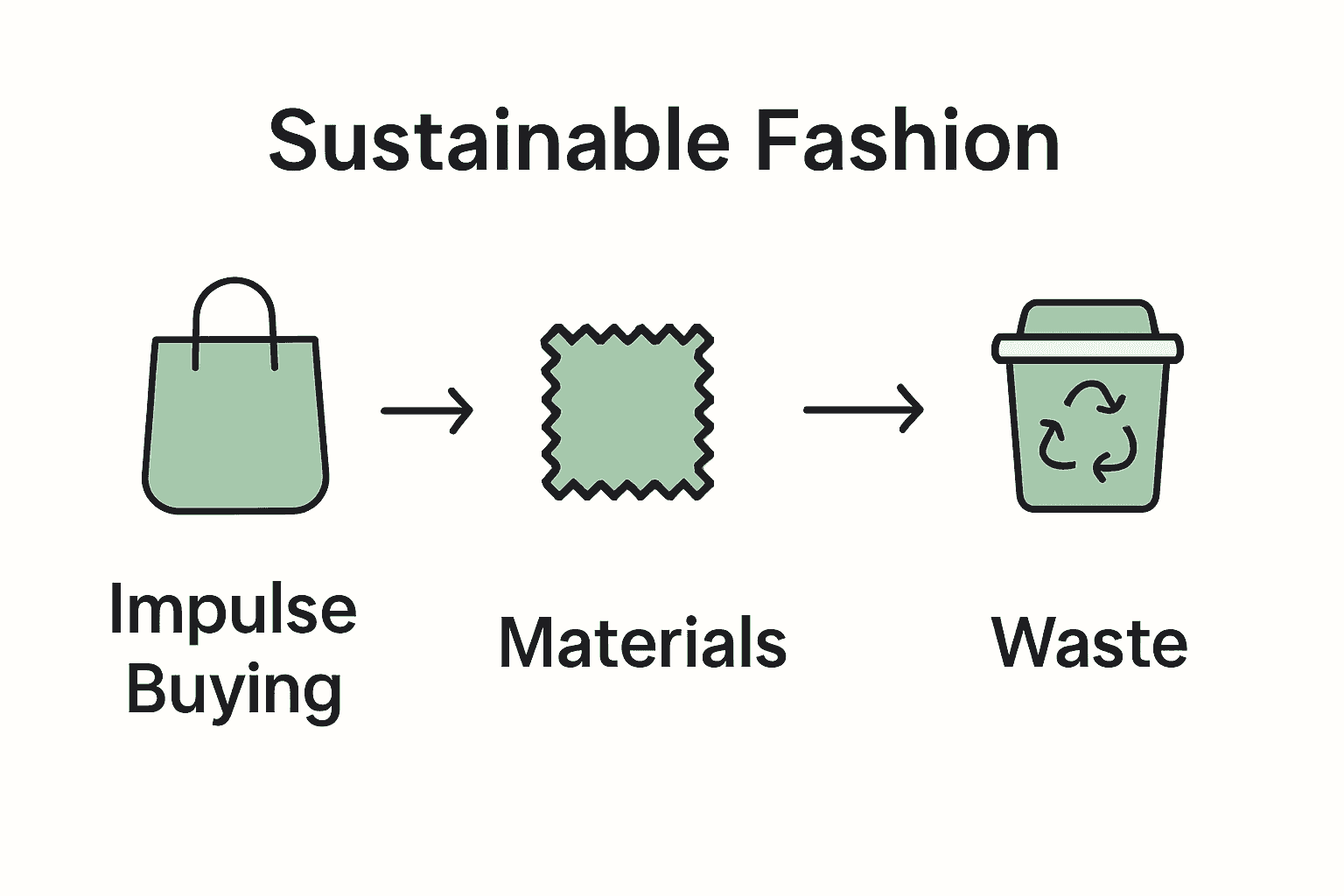
Impulse Purchasing
- Buying trendy items without considering longevity
- Ignoring material quality and durability
- Purchasing without understanding production practices
-
Overlooking Material Impact
- Choosing synthetic fabrics over sustainable alternatives
- Neglecting the environmental cost of textile production
- Disregarding water and chemical usage in manufacturing
-
Poor Garment Care
- Overwashing clothing
- Using high-temperature washing
- Improper storage leading to premature wear
-
Waste Management
- Discarding clothing instead of repairing
- Failing to donate or recycle usable items
- Not exploring clothing swap or rental options
Discover practical ways to reduce fashion waste and create a more sustainable wardrobe.
Ultimately, avoiding these common mistakes requires mindful consumption, continuous learning, and a commitment to making intentional choices that prioritize both personal style and environmental responsibility.
Elevate Your Sustainable Fashion Journey with Cork Accessories
Building an ethical wardrobe can feel overwhelming when trying to balance style, durability, and responsibility. The challenges of avoiding fast fashion pitfalls while choosing truly sustainable and vegan options are clear from the article’s insights on mindful material selection and reducing environmental impact. If you seek accessories that reflect your commitment to cruelty-free fashion and eco-friendly materials, cork offers a remarkable solution. Cork products not only embody the key principles of sustainable fashion but also provide timeless, durable style that supports long-term conscious consumption.
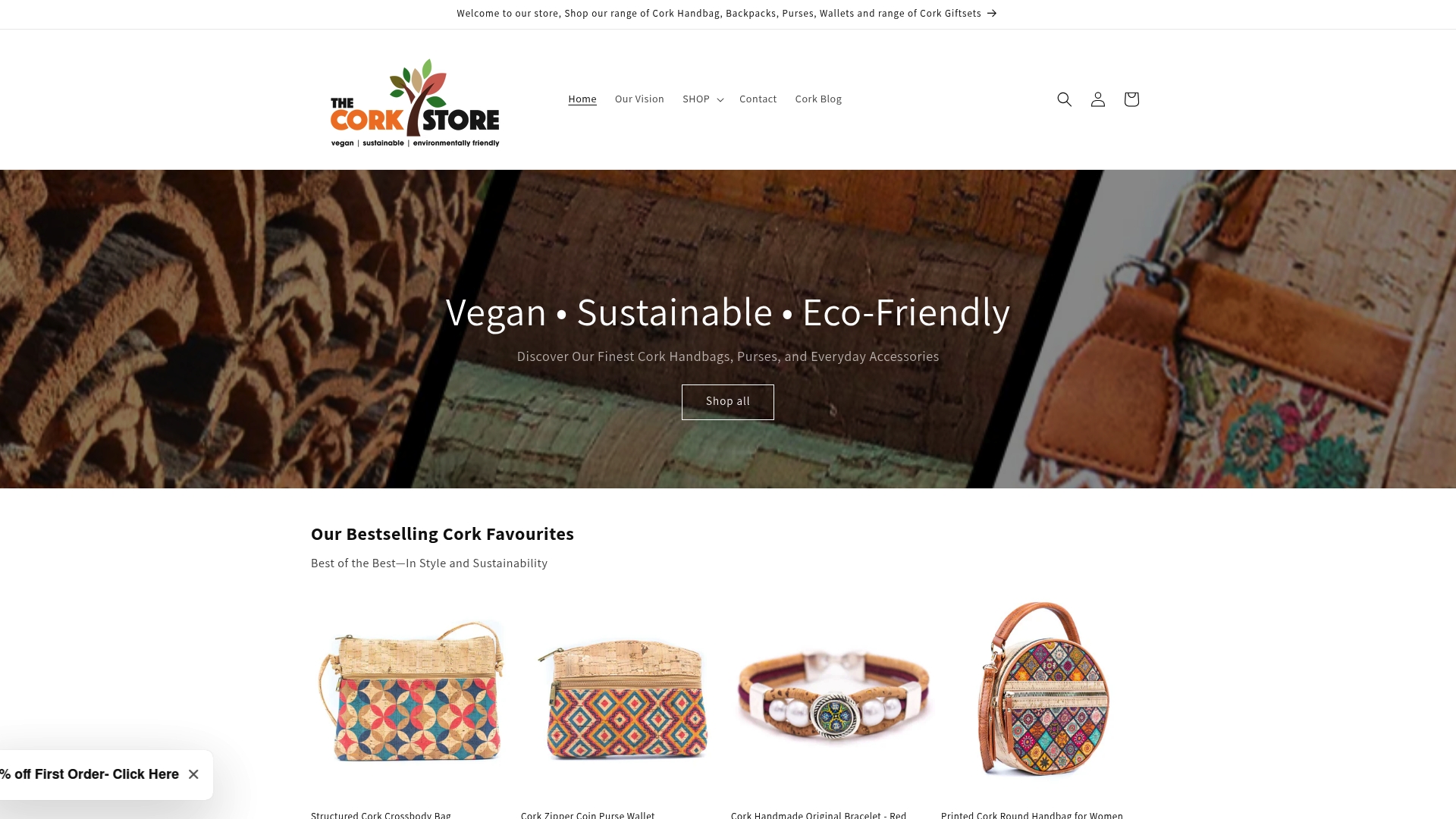
Discover how you can effortlessly incorporate sustainable fashion into your daily life by exploring our exclusive collection of vegan cork handbags, wallets, and accessories. Each piece is carefully crafted to reduce environmental harm and ensure ethical production, making it simple for you to choose alternatives that truly align with your values. Visit The Cork Store today and take a confident step towards a kinder, greener wardrobe while enjoying stylish, functional accessories designed for the eco-conscious buyer.
Frequently Asked Questions
What is sustainable fashion?
Sustainable fashion refers to a holistic approach to clothing and accessories that emphasizes environmental responsibility, ethical production practices, and social impact. It integrates principles such as using eco-friendly materials, reducing waste, and ensuring fair working conditions.
How can I create an ethical wardrobe?
Creating an ethical wardrobe involves mindful material selection, conscious shopping practices, and sustainable garment care. Focus on choosing organic and natural fibers, shopping at second-hand stores, repairing existing clothing, and practicing eco-friendly laundering techniques.
What are some common mistakes to avoid in sustainable fashion?
Common mistakes include impulse purchasing without considering longevity, overlooking the impact of materials used in garments, and poor garment care that leads to premature wear. It’s essential to be mindful of your choices and their environmental impact.
How do vegan and cork accessories contribute to sustainability?
Vegan and cork accessories promote sustainability by offering alternatives that minimize environmental harm. They are produced without animal-derived materials, reduce carbon footprints, and often utilize innovative, biodegradable resources that support ethical production practices.
Recommended
- Eco-Friendly Fashion Tips: Upgrade Your Wardrobe Sustainably – The Cork Store
- 7 Practical Ways to Reduce Fashion Waste for a Greener Closet – The Cork Store
- Understanding Sustainable Fashion Essentials for Eco-Conscious Living – The Cork Store
- How to Spot Sustainable Fashion: A Step-by-Step Guide – The Cork Store
- How to Choose Yarn for Your Next Craft Project – CRAFTISS
- Why Shoes Wear Out: Complete Guide Explained – YDA UK