

6 Popular Types of Eco Friendly Bags Explained
Choosing an eco-friendly bag can feel overwhelming when you are faced with so many claims and materials. You want options that are genuinely good for the environment, practical for daily use, and stylish enough to match your look. The challenge is knowing which materials truly deliver on sustainability without hidden trade-offs.
This list cuts through the confusion by highlighting plant-based bags made from materials with proven environmental benefits. You will discover approaches that use less water, avoid synthetic chemicals, and even support global biodiversity. Every insight offers you practical reasons to swap your plastic or synthetic bag for a better choice.
You are about to learn which bag materials are not only sustainable but also reliable and convenient for everyday life. Dive in to find out how each option could change the way you shop, travel, and live more responsibly.
Table of Contents
- 1. Understanding Cork Bags for Sustainable Style
- 2. Organic Cotton Bags for Everyday Convenience
- 3. Recycled Material Bags for Waste Reduction
- 4. Hemp Bags for Durability and Low Impact
- 5. Jute Bags for Biodegradable Shopping
- 6. Plant-Based Vegan Leather Bags for Luxury Feel
Quick Summary
| Takeaway | Explanation |
|---|---|
| 1. Cork bags are eco-friendly and stylish | They provide an alternative to synthetic materials, benefiting the environment while meeting consumer style needs. |
| 2. Organic cotton bags greatly conserve water | Organic farming methods use 91% less water than conventional cotton, making them a more sustainable choice. |
| 3. Recycled material bags support a circular economy | They repurpose waste, reducing landfill contributions and lowering the demand for virgin resources. |
| 4. Hemp bags are highly durable and low impact | They withstand heavy use, are biodegradable, and support sustainable farming practices with minimal environmental footprint. |
| 5. Vegan leather offers luxury without cruelty | Plant-based leather alternatives provide a high-end aesthetic while being cruelty-free and environmentally sustainable. |
1. Understanding Cork Bags for Sustainable Style
Cork bags represent a transformative shift in sustainable fashion, offering an eco-friendly alternative that doesn’t compromise on style or durability. Unlike synthetic materials, cork delivers genuine environmental benefits whilst maintaining the aesthetic appeal modern consumers demand.
Cork is harvested from the bark of cork oak trees, a process that actually preserves the trees rather than damaging them. The trees regenerate their bark naturally, allowing sustainable harvesting every 9 to 12 years without harming the ecosystem. This renewable approach makes cork fundamentally different from leather or plastic alternatives.
Why cork stands out:
- Naturally water-resistant and lightweight, making bags practical for daily use
- Biodegradable and compostable, breaking down naturally at end-of-life
- Durable with excellent flexibility, resisting wear and tear from regular handling
- Supports conservation of Mediterranean ecosystems and local economies
The material’s unique cellular structure gives cork its remarkable properties. Cork bags stay comfortable to carry despite their durability, and they develop a beautiful patina over time as you use them. This natural aging process adds character rather than diminishing quality.
Cork processing innovations have enabled designers to create increasingly sophisticated styles whilst maintaining cork’s eco-credentials. You’ll find cork bags in everything from minimalist everyday styles to statement pieces that work with multiple outfits. The material’s neutral tone adapts effortlessly to different fashion preferences.
Cork bags combine environmental responsibility with genuine style—they’re not a compromise, they’re an upgrade.
When you choose a cork bag, you’re supporting industries that prevent desertification and preserve biodiversity. Every purchase contributes to maintaining cork oak forests that benefit ecosystems across multiple continents. This makes cork bags particularly appealing for eco-conscious consumers seeking products with tangible environmental impact.
Pro tip: Store your cork bag in a cool, dry place away from direct sunlight to preserve its natural colour, and it’ll maintain its beauty and durability for years of stylish sustainable use.
2. Organic Cotton Bags for Everyday Convenience
Organic cotton bags are the practical hero of sustainable fashion, offering genuine environmental benefits wrapped in everyday functionality. If you’re looking for a bag that works as hard as you do while respecting the planet, organic cotton delivers on both fronts.
Unlike conventional cotton, organic varieties are grown without synthetic pesticides or fertilisers that harm soil and water systems. Organic cotton farming uses 91% less water than conventional methods, a significant difference when you consider global water scarcity. This makes every organic cotton bag a choice that protects precious resources.
The farming practices themselves support long-term environmental health. Organic methods preserve soil fertility naturally, reduce chemical pollution, and allow biodiversity to flourish in and around cotton fields. Your choice to carry an organic cotton bag directly supports farmers who work with nature rather than against it.
Why organic cotton bags make sense:
- Fully biodegradable and compostable at end-of-life, unlike synthetic alternatives
- Durable enough for years of daily use without deterioration
- Free from harmful chemical residues that touch your skin
- Naturally breathable, perfect for carrying fresh produce or everyday items
- Support ecological balance and protect water resources globally
Practical benefits for your lifestyle:
Organic cotton bags are workhorses for everyday convenience. Use them for grocery shopping, gym kit, work essentials, or weekend adventures. The material softens with use and washing, becoming more comfortable to carry over time. Many people find they become their go-to bag for nearly every outing.
These bags are also incredibly easy to maintain. Machine wash in cool water, hang to dry, and they’re ready for your next adventure. No special treatments or complicated care routines needed.
Organic cotton bags prove that sustainable doesn’t mean sacrificing practicality or durability in daily life.
When you reach for an organic cotton bag, you’re making a choice that echoes beyond your immediate purchase. Supporting sustainable alternatives to plastic bags drives demand for responsible farming practices and reduces reliance on problematic synthetic materials. Your everyday choice becomes part of a larger movement towards ecological balance.
Pro tip: Rotate between two or three organic cotton bags so they have time to dry completely between uses, which extends their lifespan and prevents any odour build-up in your everyday carry.
3. Recycled Material Bags for Waste Reduction
Recycled material bags transform what would become landfill waste into stylish, functional accessories you use every day. They represent one of the most direct ways to support a circular economy whilst making a tangible environmental difference.
These bags are typically crafted from post-consumer materials such as recycled plastic bottles, reclaimed fabrics, or recovered textiles. Rather than extracting virgin resources, manufacturers give existing materials a second life. This process dramatically reduces the environmental footprint compared to producing bags from new raw materials.
Life cycle assessments show recycled material bags reduce environmental impacts by diverting waste from landfills and lowering demand for virgin resources. The carbon footprint, energy consumption, and waste generation all decrease significantly when compared to single-use plastic alternatives. Every recycled material bag you carry represents a choice against resource extraction.
The environmental wins of recycled bags:
- Divert post-consumer waste away from landfills and incinerators
- Reduce energy consumption compared to manufacturing virgin materials
- Lower carbon emissions across production and transportation
- Decrease water pollution from raw material extraction
- Support circular economy principles and sustainable consumption
When you use a recycled material bag repeatedly, the benefits multiply exponentially. The durability of quality recycled bags means they withstand years of daily use without degradation. This reusability amplifies the waste reduction impact of your purchase.
Many recycled material bags are equally durable and stylish as their conventional counterparts. You’re not compromising on appearance or functionality. The material quality has improved significantly as technology advances in recycling infrastructure and manufacturing techniques.
Recycled material bags close the loop on waste—transforming yesterday’s discarded items into today’s sustainable fashion choice.
The effectiveness of recycled bags depends on one critical factor: how often you actually use them. Reusable recycled bags contribute to waste reduction and circular economy goals when usage rates remain high. This is why choosing a recycled bag you genuinely love and will carry everywhere matters so much.
Consider what you’ll actually use regularly. Will you carry it for groceries, work, travel, or daily errands? Match the bag size and style to your real lifestyle needs. This ensures maximum usage and maximum environmental benefit.
Pro tip: Keep your recycled material bag visible and accessible in your home or vehicle so you reach for it automatically, rather than grabbing a single-use alternative by habit—frequency of use is what makes recycled bags truly effective.
4. Hemp Bags for Durability and Low Impact
Hemp bags represent the rugged, no-nonsense choice for eco-conscious consumers who refuse to compromise on durability or environmental ethics. If you need a bag that truly withstands years of intensive use whilst maintaining a minimal ecological footprint, hemp delivers.
Hemp is a natural fibre grown with minimal agricultural inputs and no need for synthetic pesticides or excessive water. The plant grows rapidly, reaching maturity in just 3 to 4 months, and actually sequesters carbon from the atmosphere as it develops. This makes hemp farming fundamentally different from conventional cotton or synthetic material production.
Hemp fibres possess excellent mechanical strength that creates bags capable of handling heavy-duty use without deteriorating. The material resists wear, maintains its integrity through countless wash cycles, and actually improves with age. A hemp bag you purchase today could easily serve you for a decade or more.
Why hemp stands out:
- Requires minimal pesticides and water compared to conventional crops
- Naturally strong and durable, handling heavy loads without tearing
- Biodegradable and compostable at end-of-life
- Supports circular economy through sustainable farming practices
- Low-impact alternative that reduces chemical pollution in agriculture
The environmental benefits extend beyond the bag itself. Hemp fields require far fewer chemical inputs, protecting soil health and local water systems. When you choose hemp, you support farming practices that actively preserve ecosystems rather than degrading them.
Hemp bags work brilliantly for work, travel, gym sessions, or everyday errands. The material develops a natural patina over time, gaining character and personality with use. Many people find hemp bags become more visually appealing as they age, unlike synthetic alternatives that show wear negatively.
Hemp bags prove that sustainable doesn’t mean fragile—they’re built to last through real life’s demands.
Natural fibre composites from hemp offer biodegradability and renewable sourcing that support genuine circular economy models. The strength-to-weight ratio means you get robust performance without unnecessary bulk. This makes hemp bags practical for travel, commuting, or anyone seeking genuine long-term value.
Consider the quality of hemp bags carefully. Look for bags made from pure hemp or hemp blends with other natural fibres. Examine stitching quality and hardware, as these components determine overall longevity more than the hemp fabric itself.
Pro tip: Treat your new hemp bag with a natural water-resistance product designed for plant-based fibres, which extends its lifespan and protects against moisture whilst maintaining breathability and the material’s natural characteristics.
5. Jute Bags for Biodegradable Shopping
Jute bags offer the perfect marriage of affordability, practicality, and genuine environmental benefit—making them an accessible choice for anyone serious about reducing plastic waste. If you’re looking for a bag that truly biodegrades rather than lingering in landfills for centuries, jute delivers.
Jute is a fast-growing natural fibre that requires minimal chemical inputs and irrigation compared to conventional crops. The plant thrives in warm climates and actually improves soil health as it grows, whilst sequestering carbon from the atmosphere. This makes jute farming fundamentally regenerative rather than extractive.
Unlike plastic bags that persist indefinitely, jute bags are genuinely biodegradable and compostable. Jute products outperform plastic counterparts in environmental sustainability due to their ability to break down naturally at end-of-life. When you finish using a jute bag, it returns safely to the earth rather than creating permanent waste.
The environmental advantages:
- Fully biodegradable and compostable without harmful residue
- Requires minimal pesticides and water to cultivate
- Supports soil health and carbon sequestration
- Dramatically reduces greenhouse gas emissions versus plastic alternatives
- Affordable and accessible to consumers globally
Jute bags work brilliantly for weekly grocery shopping, farmers’ market trips, or carrying everyday essentials. The natural texture adds aesthetic appeal whilst the durability means your bag survives countless shopping trips. Modern jute bags often feature natural, biodegradable coatings that enhance water resistance without compromising eco-friendliness.
Enhanced jute bags with biodegradable coatings maintain durability whilst remaining completely compostable. This means your bag resists wear, carries heavy shopping without tearing, and still breaks down naturally when its useful life ends. You get genuine performance without environmental compromise.
Jute bags close the loop on shopping—they return to earth instead of haunting landfills.
The beauty of jute lies in its accessibility. These bags cost significantly less than many premium sustainable alternatives, making ethical shopping genuinely achievable for everyone. You’re not paying a sustainability premium simply because the material is eco-friendly. Quality jute bags last years, amortising their low cost across countless uses.
Rotate several jute bags through your regular use. Allow them to dry completely between uses, which prevents odour and extends longevity. Store them flat or loosely rolled rather than crushed, maintaining their shape and structure.
Pro tip: If your jute bag becomes stained or smelly, soak it in a vinegar and water solution before washing, which naturally eliminates odours and brightens the fibres whilst maintaining the bag’s biodegradable properties.
6. Plant-Based Vegan Leather Bags for Luxury Feel
Plant-based vegan leather bags prove you don’t need to compromise on luxury aesthetics or ethical values. These innovative bags deliver genuine high-end style whilst remaining completely cruelty-free and increasingly sustainable.
Vegan leather is engineered from unexpected plant sources like pineapple leaves, cactus, apple waste, and mushroom mycelium. Rather than using animal hides, designers create sophisticated materials that match or exceed leather’s visual appeal and tactile quality. The result is a luxury bag that aligns with your values without sacrificing elegance.
Plant-based vegan leather alternatives offer luxury aesthetics whilst avoiding animal products and harsh chemical tanning processes associated with traditional leather. These materials feel luxurious, age beautifully, and deliver the sophisticated aesthetic you’d expect from a premium bag. Nobody looking at your bag would guess it’s plant-based rather than animal leather.
The appeal of plant-based vegan leather:
- Completely cruelty-free with no animal exploitation
- Innovative materials from sustainable agricultural waste
- Luxury appearance and premium feel without ethical compromise
- Often requires fewer harsh chemicals than traditional leather tanning
- Supports emerging sustainable fashion technology globally
Plant-based vegan leather bags work for professional settings, special occasions, or everyday carry if you want that elevated luxury aesthetic. These bags convey sophistication whilst communicating your commitment to ethical fashion. Many designers now offer plant-based options alongside or instead of traditional leather.
The material quality varies depending on brand and production methods. Look for bags that specify their vegan leather source, whether pineapple fibre, mushroom mycelium, or cactus-based alternatives. Different materials offer different characteristics in terms of durability, flexibility, and ageing patterns.
Plant-based vegan leather bags deliver genuine luxury without the environmental devastation or animal suffering of traditional leather.
Innovations in plant-based materials mean vegan leather bags increasingly incorporate biodegradable or plant-derived coatings. Rather than relying entirely on synthetic materials, new generations merge environmental responsibility with high-end style. This means your luxury bag becomes genuinely sustainable, not simply a marketing claim.
Invest in a quality plant-based vegan leather bag you genuinely love and will use frequently. The longevity of your use determines the environmental benefit, so choose a style you’ll carry for years rather than abandoning seasonally. Premium plant-based vegan leather develops character and patina much like traditional leather as you use it.
Pro tip: Protect your plant-based vegan leather bag with a natural oil conditioner designed specifically for plant materials, which maintains suppleness and develops a beautiful patina whilst preserving the bag’s ethical credentials.
Below is a comprehensive table summarising the article’s discussion on sustainable bag types and their distinct features.
| Bag Type | Unique Properties | Target Audience |
|---|---|---|
| Cork Bags | Naturally water-resistant, biodegradable, lightweight, with conservation benefits | Eco-conscious individuals valuing style and environmental impact |
| Organic Cotton Bags | Grown without synthetic chemicals, biodegradable, breathable, easy maintenance | Those needing everyday practicality with a focus on water conservation |
| Recycled Material Bags | Crafted from post-consumer waste, supports circular economy, high durability | Enthusiasts aiming to reduce waste and minimise resource demands |
| Hemp Bags | Requires minimal pesticides and water, durable, biodegradable, gains patina | Consumers needing long-lasting products with low ecological footprint |
| Jute Bags | Cost-effective, fast-growing regenerative fibre, biodegradable and compostable | Shoppers seeking affordable and sustainable alternatives to single-use bags |
| Plant-Based Vegan Leather Bags | Derived from agricultural waste like pineapple fibres or cactus, cruelty-free, luxurious | Individuals pursuing high-end fashion aligned with ethical values |
Discover Stylish, Sustainable Cork Bags for Your Eco-Friendly Lifestyle
Choosing the right eco-friendly bag can be challenging when you want durability, style and genuine environmental benefits all in one. This article highlights common concerns like finding bags that are truly biodegradable, cruelty-free and crafted from renewable materials. Cork bags offer a compelling answer to these goals thanks to their natural water resistance, flexibility and ethical sourcing that preserves cork oak forests.
Explore our curated collection of Elegant Women’s Cork Handbags if you seek sophisticated vegan alternatives made from high-quality cork. For spacious everyday options combining practicality with sustainable style, our Sustainable Women’s Cork Tote Bags deliver. Should you prefer a contemporary, hands-free carry solution, check out our range of Women’s Cork Backpacks designed to last and impress.
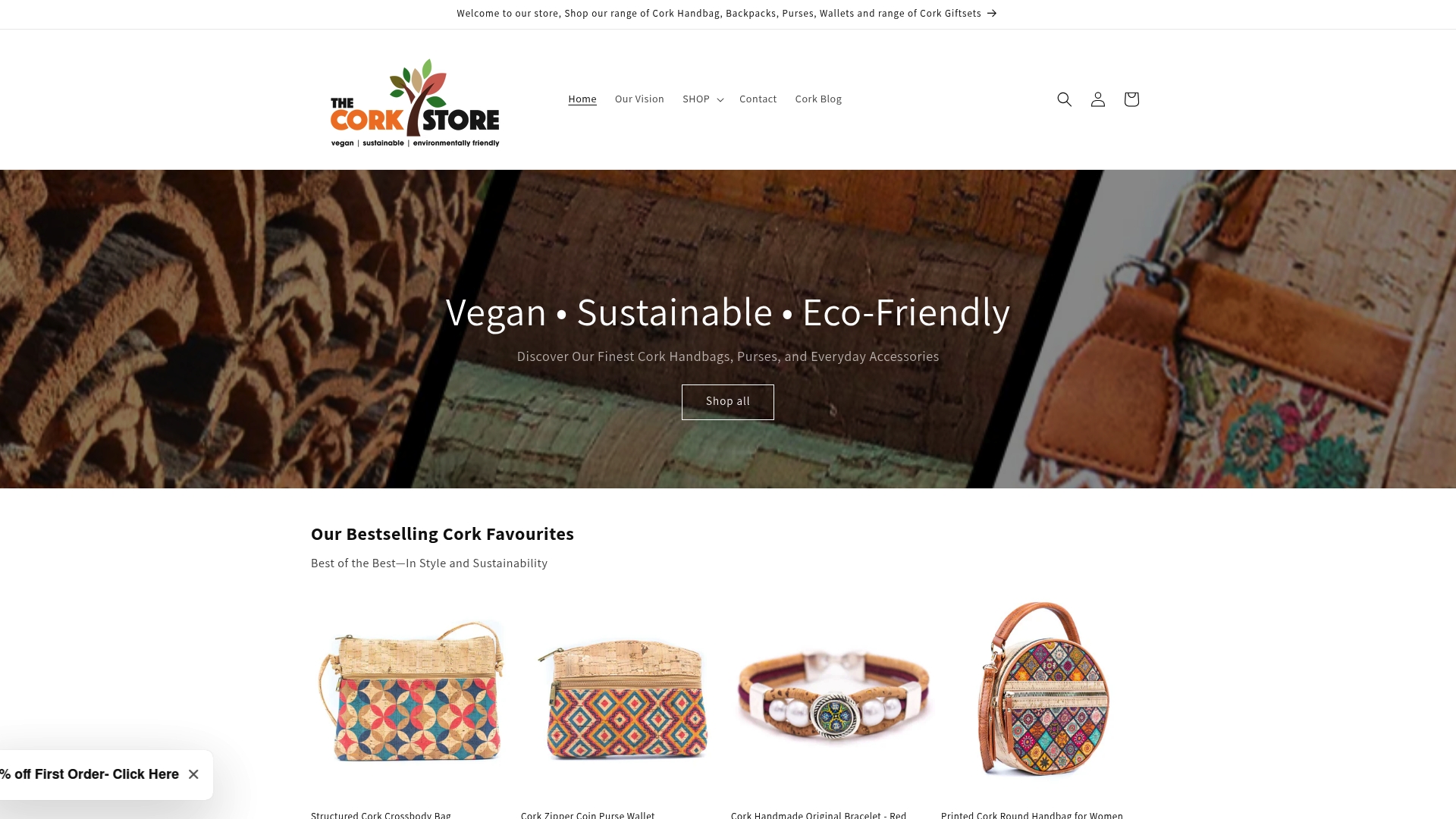
Make a confident step towards ethical fashion today by choosing cork bags that blend ecological responsibility with modern design. Visit The Cork Store now and find your perfect sustainable accessory that supports biodiversity, reduces waste and enhances your everyday style. Act now to enjoy timeless durability and a positive environmental impact with every purchase.
Frequently Asked Questions
What are cork bags and what are their benefits?
Cork bags are eco-friendly accessories made from the bark of cork oak trees. They are lightweight, water-resistant, and biodegradable, making them an excellent sustainable choice for daily use. Consider switching to a cork bag to enjoy its durability and support for conservation efforts.
How do organic cotton bags help the environment?
Organic cotton bags are produced without harmful pesticides or synthetic chemicals, making them a safer option for both the environment and your health. They require significantly less water to grow compared to conventional cotton, contributing to water conservation. Start using organic cotton bags to reduce your carbon footprint by supporting sustainable farming practices.
What makes recycled material bags a better choice compared to single-use plastic?
Recycled material bags are crafted from post-consumer waste, significantly reducing landfill contributions and resource extraction. They lower energy consumption and carbon emissions compared to the production of new materials. Use recycled material bags regularly to help minimise environmental impact and promote a circular economy.
Why should I consider hemp bags for my daily carry?
Hemp bags are exceptionally durable and can withstand heavy use without deteriorating. Hemp cultivation requires minimal pesticides and sequesters carbon, contributing positively to the environment. Opt for a hemp bag to ensure longevity in your daily activities while supporting eco-friendly farming.
How do jute bags contribute to sustainable shopping?
Jute bags are entirely biodegradable and compostable, breaking down naturally at the end of their life cycle. They require fewer chemicals to grow, promoting soil health and reducing pollution. Incorporate jute bags into your shopping routine to enjoy a low-cost, eco-friendly alternative to plastic bags.
What are the benefits of using plant-based vegan leather bags?
Plant-based vegan leather bags offer a luxury feel without using animal products, making them a cruelty-free option. They are made from sustainable agricultural waste, effectively reducing the impact of leather production. Choose a plant-based vegan leather bag to enjoy high-end fashion with a commitment to ethical values.
Recommended
- 7 Top Eco Handbags for Sustainable Fashion Lovers – The Cork Store
- 7 Amazing Examples of Sustainable Handbags You’ll Love – The Cork Store
- 7 Types of Vegan Bags for Eco-Friendly Fashion – The Cork Store
- Benefits of Eco-Friendly Handbags: Complete Guide – The Cork Store
- Så Skapar du Hållbara och Kundanpassade Förpackningslösningar som Stärker din Verksamhet - Flexpack