

Why Choose Vegan Accessories: Ethics, Style, Impact
Choosing a handbag that matches your values should feel simple, yet confusing labels and outdated myths can leave even the most eco-conscious buyers uncertain. Vegan accessories go beyond style, offering cruelty-free alternatives that protect animal welfare without sacrificing quality or durability. This guide clears the fog by defining what vegan accessories truly are, how their materials impact the planet, and what details to look for when making an informed, ethical purchase.
Table of Contents
- Vegan Accessories Defined And Misunderstood
- Innovative Vegan Materials And Design Trends
- Sustainability And Environmental Benefits Highlighted
- Comparing Vegan And Traditional Leather Accessories
- Making Ethically Informed Accessory Choices
Key Takeaways
| Point | Details |
|---|---|
| Understanding Vegan Accessories | Vegan accessories are entirely free from animal-derived materials, promoting ethical fashion without compromising on style or durability. |
| Material Innovations | Cutting-edge materials like cork, mycelium, and Piñatex outperform traditional leather in both sustainability and aesthetic qualities. |
| Environmental Benefits | Choosing vegan accessories significantly reduces water consumption, greenhouse gas emissions, and promotes a circular economy. |
| Informed Purchasing | Consumers should critically evaluate material compositions and brand practices to ensure genuinely ethical accessory choices. |
Vegan Accessories Defined And Misunderstood
Vegan accessories reject animal products entirely. They replace leather, fur, silk, and wool with cruelty-free alternatives that deliver style without harming animals. But the term itself generates confusion and misconceptions that overshadow the real ethical commitment behind these items.
The core definition is straightforward: vegan accessories contain zero animal-derived materials. This goes far beyond dietary choices. Veganism as a philosophy opposes animal exploitation across every industry, and fashion is no exception.
What Vegan Accessories Actually Are
Common materials that replace traditional leather include:
- Cork—lightweight, durable, naturally water-resistant, and completely plant-based
- Polyurethane (PU)—synthetic but animal-free, mimics leather appearance and feel
- Mycelium—laboratory-grown from mushroom root networks, innovative and biodegradable
- Plant-based alternatives—pineapple leaves, apple waste, and other agricultural byproducts
- Natural fibres—canvas, jute, and recycled textiles
These materials serve the same function as animal leather. They age beautifully, withstand daily wear, and develop character over time. Vegan accessories embody this ethical commitment by avoiding animal products entirely whilst maintaining durability and style.
To clarify the variety and benefits of vegan accessory materials, here is an overview of their properties and impact:
| Material Type | Key Property | Environmental Impact | Typical Use |
|---|---|---|---|
| Cork | Lightweight, water-resistant | Very low, renewable resource | Bags, wallets, belts |
| Mycelium (mushroom) | Biodegradable, customisable | Minimal, lab-grown, compostable | Handbags, footwear, jackets |
| Pineapple Fibre (Piñatex) | Distinct texture, strong | Utilises agricultural waste | Fashion accessories, shoes |
| Polyurethane (PU) | Synthetic, leather-like | Moderate, fossil fuel derivative | Bags, jackets |
| Apple Waste | Smooth, flexible | Recycles byproducts | Small accessories, purses |
| Canvas/Jute/Recycled Textiles | Durable, natural finish | Low, sustainable sources | Totes, backpacks, pouches |
Common Misconceptions That Mislead
Three myths dominate the conversation around vegan accessories:
Myth 1: Vegan accessories are weaker or inferior. Reality: Many vegan materials outperform traditional leather in specific areas. Cork, for example, resists water damage and scratches better than many leather alternatives.
Myth 2: All vegan leather is the same. Reality: Vegan leather variations exist across different material types, each with distinct environmental profiles, durability ratings, and aesthetic qualities.
Myth 3: Veganism is just a dietary trend. Reality: It represents a comprehensive ethical philosophy opposing exploitation across all industries. Your vegan handbag reflects a lifestyle commitment, not a passing fad.
Why Confusion Persists
Marketing language muddies the waters. Terms like “synthetic leather” and “faux leather” lack precision. Some manufacturers use misleading labels, conflating different material types and environmental impacts.
Additionally, misconceptions about veganism itself—treating it as purely dietary—create misunderstandings about vegan fashion choices. People assume the ethics are identical across all vegan products, when sustainability varies dramatically by material and production method.
Vegan accessories represent a deliberate choice against animal exploitation. Understanding the specific material composition matters more than the “vegan” label alone.
The distinction between vegetarianism (dietary only) and veganism (comprehensive ethical philosophy) becomes crucial here. Your vegan wallet communicates that your values extend into every purchase you make.
Pro tip: When shopping, ignore generic labels and examine the specific material instead—cork, mycelium, and PU each carry different environmental footprints and durability profiles worth understanding.
Innovative Vegan Materials And Design Trends
Vegan accessory innovation has accelerated dramatically. Materials that didn’t exist five years ago now rival traditional leather in durability, aesthetics, and performance. These breakthroughs merge fashion with environmental responsibility in ways that challenge every assumption about what sustainable style requires.

The shift isn’t incremental—it’s revolutionary. Designers and material scientists collaborate to create accessories that look luxurious whilst aligning with ethical values. This convergence defines contemporary vegan fashion.
Cutting-Edge Materials Transforming Accessories
Next-generation vegan materials include:
- Piñatex—woven from pineapple leaf fibres, durable and distinctly textured
- Mycelium leather—grown from fungal root systems, fully biodegradable and customisable
- Bioengineered spider silk—created through laboratory-synthesised proteins, exceptionally strong yet lightweight
- Cork composites—enhanced with nanoparticles for improved strength and water resistance
- Agricultural waste nanocomposites—valorised byproducts transformed into high-performance fabrics
Each material serves different needs. Some excel at water resistance. Others provide antimicrobial properties or UV protection without chemical coatings.
These aren’t laboratory curiosities anymore. Designers now integrate them into mainstream handbags, wallets, and backpacks that customers genuinely want to carry.
Design Trends Embracing Circular Economy Principles
Contemporary vegan accessory design reflects three interconnected movements:
Waste valorisation. Designers capture agricultural waste—apple processing byproducts, pineapple leaf offcuts, mushroom cultivation residue—and transform them into premium materials. Nothing gets discarded. Everything becomes resource.
Durability-first thinking. Vegan accessories now prioritise longevity over disposability. Items are designed to age beautifully, withstand heavy use, and remain stylish for years. This directly counters “fast fashion” mentality.
Customisable aesthetics. Material science advances enable improved mechanical properties and active functionalities that reduce reliance on animal and fossil-fuel-derived materials. Textures, colours, and performance characteristics become customisable without compromising sustainability.
Modern vegan accessories represent genuine innovation, not compromise. They deliver style, durability, and environmental responsibility simultaneously.
Designers increasingly view sustainability as a creative constraint that sparks innovation rather than limits it. The best vegan accessories prove this principle consistently.
Why This Matters For Your Choices
These material innovations mean you’re no longer choosing between ethics and quality. Cork, mycelium, and plant-based alternatives now outperform conventional options in specific categories.
When you select a vegan accessory featuring vegan leather advantages, you support continued development of these technologies. Each purchase signals market demand for innovation.
Pro tip: Look for accessories listing specific material compositions rather than generic “vegan leather” labels—premium cork or mycelium items typically indicate genuine innovation and superior durability compared to basic synthetic alternatives.
Sustainability And Environmental Benefits Highlighted
Choosing vegan accessories delivers measurable environmental gains. Unlike animal leather production, plant-based alternatives consume dramatically less water, generate fewer greenhouse gas emissions, and require minimal land degradation. These aren’t marginal improvements—they represent fundamental shifts in how fashion impacts our planet.
Every vegan accessory purchase supports a more sustainable future. The environmental case for vegan materials is scientifically documented and compelling.
Environmental Impact Comparison
Vegan accessories reduce environmental strain significantly:
- Water consumption—animal leather production demands thousands of litres per hide; plant-based materials use a fraction of this
- Greenhouse gas emissions—livestock farming contributes substantially to climate impact; alternatives eliminate this entirely
- Chemical pollution—traditional tanning processes release toxic compounds into waterways; eco-friendly materials avoid this damage
- Land use—animal agriculture requires vast grazing areas; plant-based inputs utilise agricultural byproducts or cultivated crops
- Waste generation—vegan production focuses on circular design, minimising textile waste
These benefits compound when multiplied across millions of accessories. One person’s vegan handbag represents a small but real reduction in environmental harm.
How Eco-Friendly Materials Work
Plant-based vegan accessories contribute significantly lower environmental footprints compared to animal-derived leather. Cork, mycelium, pineapple fibre, and algae-based textiles require far less water and energy during production.
These materials utilise renewable, biodegradable raw inputs. Production processes prioritise resource efficiency. Most crucially, they’re designed for end-of-life recovery—either composting naturally or being reused in new products.
Circular Design Approaches
Modern vegan accessory design embraces circular economy principles. Rather than creating disposable items, designers build longevity into every piece.
This means:
- Accessories age beautifully, encouraging long-term ownership
- Materials remain usable after the accessory’s primary life ends
- Eco-friendly innovations reduce textile waste and promote biodegradability, supporting transition to sustainable fashion ecosystems
- Production facilities minimise chemical runoff and energy consumption
Circular design transforms fashion from a linear extraction-disposal model into a regenerative system.
Choosing vegan accessories directly reduces water consumption, greenhouse gas emissions, and land degradation whilst supporting circular economy innovation.
When you select a vegan wallet or handbag, you’re not simply purchasing an item—you’re endorsing production methods that protect ecosystems and conserve resources.
Your Purchasing Power Matters
Individual choices aggregate into market signals. As demand for vegan accessories grows, manufacturers invest more heavily in sustainable production innovations.
Each purchase tells companies: customers prioritise environmental responsibility. This drives continued improvement in material science, production efficiency, and waste reduction.
Pro tip: Look for accessories from suppliers transparent about their full production process—materials, manufacturing location, energy sources, and end-of-life options indicate genuine sustainability commitment beyond simple “vegan” marketing.
Comparing Vegan And Traditional Leather Accessories
The choice between vegan and traditional leather accessories isn’t straightforward. Both have genuine strengths and real limitations. Understanding the trade-offs matters far more than accepting marketing claims from either side.
Traditional leather excels in longevity and aesthetic development. Vegan alternatives offer ethical clarity and lower direct environmental impact in most cases. The comparison reveals nuance rather than a simple winner.
Traditional Leather: Strengths And Costs
What traditional leather does well:
- Durability—properly maintained leather lasts decades, developing character and patina
- Aesthetic appeal—natural grain patterns and aging create visual distinctiveness
- Functionality—proven performance across generations of use
- Repairability—worn areas can be professionally restored rather than replaced
However, traditional leather carries serious environmental and ethical burdens. Animal-based leather negatively impacts the environment through intensive agricultural practices causing deforestation, methane emissions, and water pollution. Tanning processes often release toxic chemicals into waterways. Livestock farming demands vast land resources and contributes substantially to climate change.
Animal welfare concerns are equally significant. Your leather handbag represents a life taken specifically for fashion.
Vegan Alternatives: Advantages And Limitations
Vegan accessories eliminate animal suffering entirely. This matters profoundly to many consumers. Beyond ethics, plant-based materials often deliver lower carbon footprints and significantly reduced water consumption.
But vegan leather isn’t universally sustainable. Synthetic polyurethane and PVC options pose challenges:
- Microplastic pollution—synthetic materials shed tiny plastic particles into ecosystems
- Biodegradability concerns—plastic-based vegan leather persists in landfills for decades
- Production emissions—some synthetic manufacturing processes remain energy-intensive
Plant-based vegan leathers made from natural fibres offer a more sustainable profile, whilst synthetic versions require continued innovation. Cork, mycelium, and pineapple-fibre accessories represent the ethical sweet spot—cruelty-free, biodegradable, and environmentally responsible.
Direct Comparison: The Key Factors
| Factor | Traditional Leather | Vegan (Plant-Based) | Vegan (Synthetic) |
|---|---|---|---|
| Animal welfare | Harmful | Cruelty-free | Cruelty-free |
| Durability | Excellent | Good to excellent | Variable |
| Biodegradability | Yes (long timeline) | Yes (rapid) | Poor |
| Water use | High | Low | Moderate |
| Environmental impact | Substantial | Low (plant-based) | Moderate-high |
Your choice reflects your priorities. Genuine vegan accessories—particularly cork and mycelium options—deliver both ethical integrity and environmental responsibility without significant compromise on quality.
When comparing specific products, examine material composition carefully. “Vegan leather” covers enormous variation. Natural-fibre vegan accessories from responsible manufacturers often outperform traditional leather across sustainability metrics whilst matching durability.
Making Your Decision
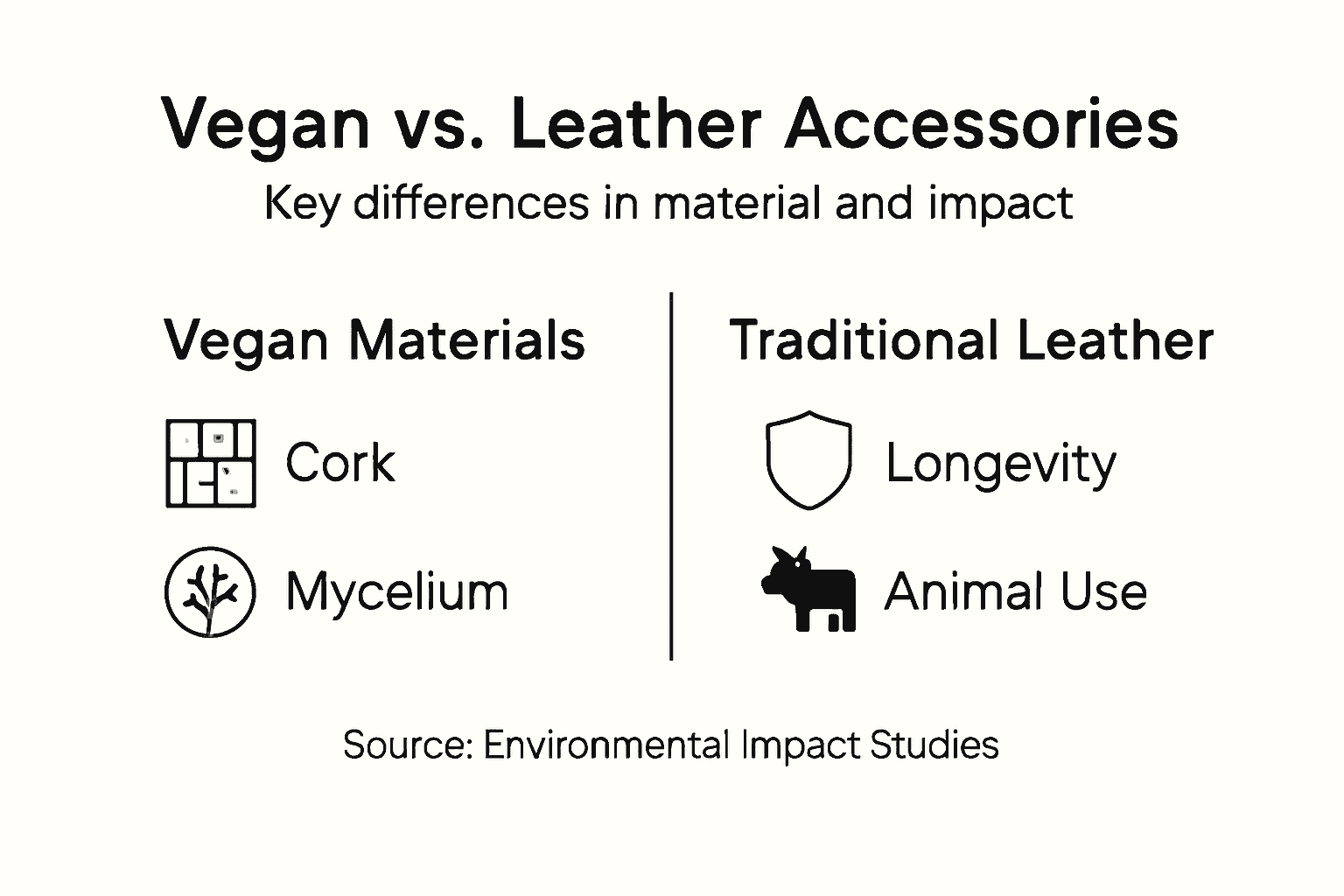
Consider your values hierarchy. Do you prioritise animal welfare above all else? Vegan wins. Do you value longevity and aesthetic development? Traditional leather edges ahead, though quality vegan options compete effectively. Do you care most about environmental impact? Plant-based vegan materials win decisively.
The honest answer: you needn’t compromise anymore. High-quality vegan accessories—particularly cork and mycelium products—deliver style, durability, and ethical clarity simultaneously.
Pro tip: When evaluating any leather accessory, investigate whether the manufacturer uses independent environmental certifications or supply-chain transparency reports—this reveals genuine commitment to sustainability beyond marketing language.
Making Ethically Informed Accessory Choices
Ethical shopping requires more than good intentions. You need reliable information, critical thinking, and a framework for evaluating competing claims. Making informed accessory choices means understanding what truly matters and distinguishing marketing from genuine responsibility.
The process isn’t overwhelming when you know what to examine. Start with fundamentals, then refine your approach as you learn.
The Core Questions To Ask
When considering any accessory purchase, investigate these areas:
Material composition. What’s the item actually made from? “Vegan leather” tells you almost nothing. Cork, mycelium, and pineapple fibre carry vastly different implications than polyurethane or PVC.
Supply chain transparency. Can you trace where materials come from and how they’re processed? Responsible brands openly share this information. Vague marketing language signals caution.
Labour practices. Who manufactures your accessories? Are workers treated fairly, paid adequately, and working in safe conditions? This matters as much as animal welfare.
Animal welfare commitments. Beyond avoiding leather, does the brand actively support animal protection? Some companies go further than baseline vegan standards.
Environmental certifications. Look for independent verification—third-party certifications carry more weight than company claims alone.
Evidence-Based Decision Making
Making ethically informed choices requires evidence-based decision-making that combines reliable, trustworthy data about a product’s impact with critical thinking about your personal values. Don’t accept single sources as definitive.
Use multiple research channels:
- Brand websites and transparency reports
- Third-party certifications (Fair Trade, B Corp, Vegan certification)
- Independent reviews and investigative journalism
- Consumer forums discussing long-term product performance
- Academic research on material sustainability
Compare findings across sources. When evidence conflicts, dig deeper. Surface-level marketing often obscures uncomfortable truths.
Understanding Certifications And Standards
Vegan certification confirms no animal products, but says nothing about environmental impact or labour practices.
Fair Trade certification addresses worker welfare and economic justice throughout supply chains.
B Corp certification requires demonstrated social and environmental performance standards alongside profit.
Material-specific certifications (cork, mycelium) often indicate sustainable sourcing and production practices.
No single certification covers everything. Responsible brands typically pursue multiple validations.
To help readers distinguish responsible brands, here’s a guide to key ethical accessory certifications:
| Certification | What It Verifies | Business Impact |
|---|---|---|
| Vegan | No animal-derived materials | Reinforces cruelty-free branding |
| Fair Trade | Fair wages, safe labour conditions | Increases trust, ethical reputation |
| B Corp | Social/environmental performance | Demonstrates holistic sustainability |
| Material-Specific | Sustainable sourcing/processes | Validates eco-friendly manufacturing |
Recognising Greenwashing And Misleading Claims
Watch for red flags in marketing language:
- Vague terms—“eco-friendly,” “natural,” “sustainable” without specifics
- Missing third-party verification
- Emphasis on one positive attribute whilst ignoring larger impact areas
- Appeals to emotion without substantive claims
- Absence of information about production locations or processes
Understanding the broader social and environmental implications requires awareness of unintended consequences and potential compromises. No accessory is perfect. The question becomes: which compromises align with your values?
Ethically informed choices emerge from asking hard questions, comparing evidence, and accepting that perfection is impossible but progress is achievable.
Building Your Personal Framework
Prioritise your values. Do animal welfare matter most? Environmental impact? Labour practices? Worker dignity? All of these equally? Your hierarchy determines which brands align with your ethics.
Then commit to continuous learning. New information emerges constantly. Yesterday’s best choice might warrant reconsideration as knowledge evolves. Responsible consumption means reflecting on decisions rather than reaching them once and stopping.
Finally, engage with brands showing genuine commitment to improvement. Companies taking ethics seriously actively seek feedback and adjust practices accordingly. Support them.
Pro tip: Before purchasing, spend ten minutes researching the brand’s materials, certifications, and supply chain transparency—this brief investment typically reveals whether they’re genuinely ethical or simply marketing-savvy.
Discover Stylish Vegan Accessories That Reflect Your Values
Choosing vegan accessories means embracing ethics, style and sustainability all at once. If you want to avoid animal exploitation while enjoying durable and beautiful products, it is crucial to understand the materials behind your choices. Cork stands out as a lightweight, water-resistant and renewable alternative that perfectly balances environmental responsibility with elegant design.
Explore our Elegant Women’s Cork Handbags | Sustainable & Vegan Bags collection and experience the innovation of vegan fashion firsthand.
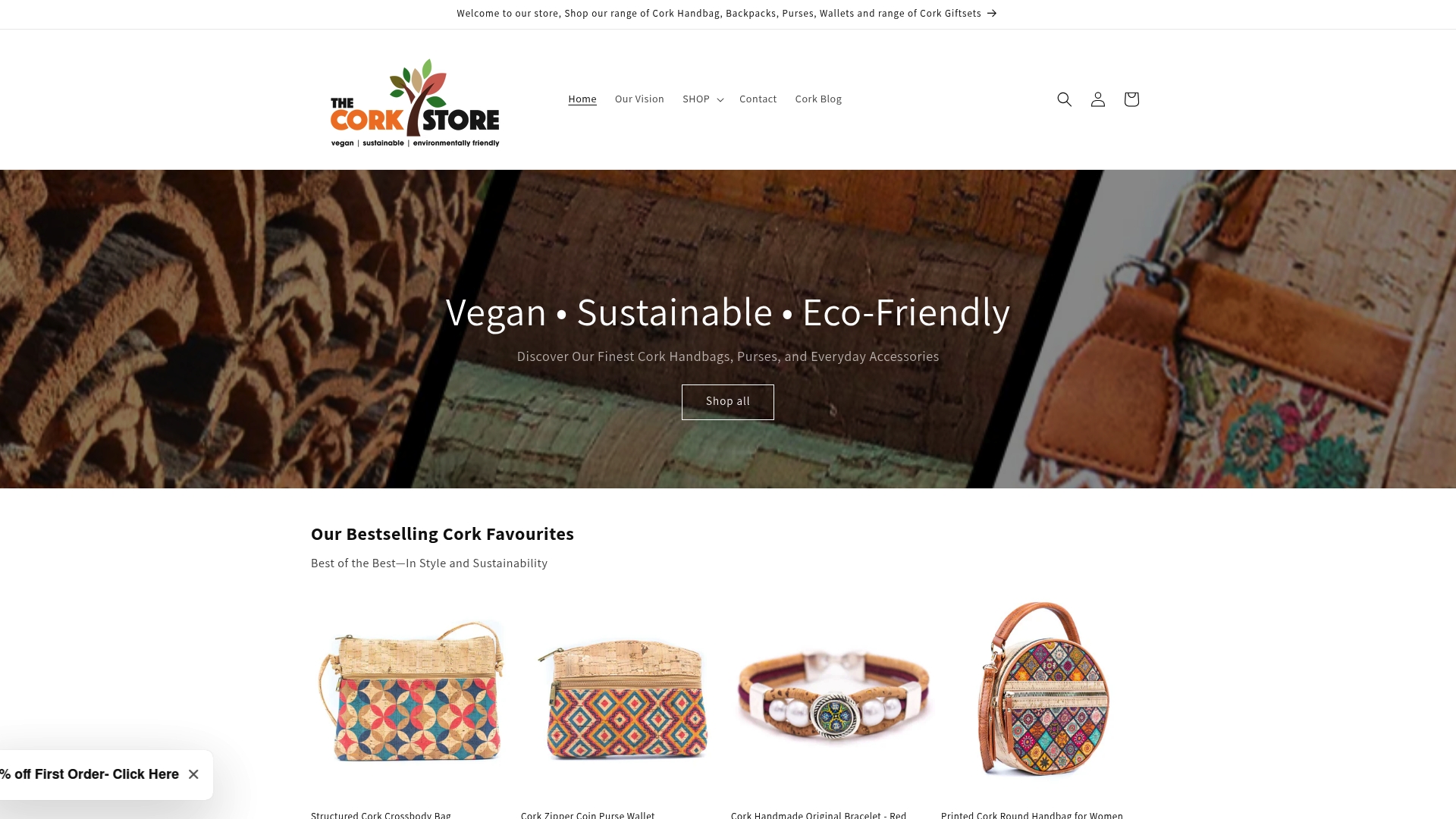
Make a meaningful impact today by choosing accessories crafted from premium cork materials. Visit The Cork Store to browse exclusive eco-friendly collections and redefine your style with thoughtful, cruelty-free designs. Take action now and join a growing community that values conscious consumption and authentic sustainability.
Frequently Asked Questions
What are vegan accessories made from?
Vegan accessories are made from materials that do not contain any animal-derived products, such as cork, mycelium (mushroom leather), synthetic polyurethane, and plant-based alternatives like pineapple fibre and recycled textiles.
Are vegan accessories durable and stylish?
Yes, many vegan accessories are designed to be durable and stylish. Materials like cork and mycelium not only mimic the aesthetics of traditional leather but also offer excellent longevity and resilience against wear and tear.
How do vegan accessories impact the environment compared to traditional leather?
Vegan accessories typically have a lower environmental impact than traditional leather, as they require significantly less water, produce fewer greenhouse gas emissions, and avoid the harmful chemicals often used in tanning processes associated with animal leather.
What should I consider when choosing between vegan and traditional leather accessories?
Consider your priorities, such as animal welfare, environmental impact, and durability. Vegan accessories provide ethical clarity and often a lower carbon footprint, while traditional leather is known for its longevity and unique aesthetic appeal. Assessing specific materials used can help make a more informed choice.
Recommended
- What Are Vegan Accessories? Complete Sustainable Guide – The Cork Store
- Why Buy Vegan Wallets: Eco-Friendly Style Choices – The Cork Store
- Understanding Why Choose Vegan Handbags for Fashion – The Cork Store
- Vegan Leather Advantages: Style, Sustainability, Ethics – The Cork Store
- 10 idées de looks stylés avec un sac banane femme en 2026