

Complete Guide to Biodegradable Fashion Materials
Did you know that over 92 million tons of textile waste end up in landfills every year? As fashion choices pile up, so does the pressure on our planet. Biodegradable materials offer a smarter path forward by breaking down naturally and reducing long-term pollution. Choosing these options means you support styles that are gentler on the earth and designed with the future in mind.
Table of Contents
- Biodegradable Fashion Materials Explained
- Major Types and Common Examples
- How Biodegradable Materials Decompose
- Eco-Benefits and Environmental Impact
- Risks, Limitations, and Ethical Alternatives
Key Takeaways
| Point | Details |
|---|---|
| Sustainability Focus | Biodegradable fashion materials offer a sustainable alternative to traditional textiles, decomposing naturally without harmful residues. |
| Major Material Types | Key biodegradable materials include organic cotton, hemp, Tencel, and mycelium, each possessing unique properties beneficial to the environment. |
| Environmental Benefits | These materials reduce resource consumption, carbon emissions, and pollution, contributing to a sustainable fashion ecosystem. |
| Challenges and Ethical Options | While promising, biodegradable materials face challenges like high water use and processing energy; ethical alternatives like recycled fibers are being developed to address these issues. |
Biodegradable Fashion Materials Explained
Biodegradable fashion materials represent a revolutionary approach to textile production that prioritises environmental sustainability. According to cooperhewitt.org, these are textiles capable of decomposing naturally through microorganism action, ultimately returning to the ecosystem without leaving harmful residues. This means that when these materials reach the end of their lifecycle, they break down completely and do not contribute to long-term environmental pollution.
Natural fibers form the cornerstone of biodegradable textiles. As highlighted by rmcad.edu, prime examples include organic cotton, hemp, linen, and bamboo fabric. These materials share a critical characteristic: they can naturally decompose much faster and more efficiently than synthetic alternatives like polyester or nylon. Their inherent molecular structure allows them to integrate back into the natural environment without creating persistent waste.
Key characteristics of biodegradable fashion materials include:
- Complete natural decomposition within months to a few years
- Minimal environmental impact
- Reduced carbon footprint
- Support for circular fashion economies
- Renewable and often organic sourcing
By choosing biodegradable fashion materials, consumers actively participate in reducing textile waste and supporting more sustainable production methods. Understanding the Role of Eco-Friendly Materials in Fashion provides deeper insights into how these materials transform the fashion landscape, offering environmentally conscious alternatives that don’t compromise on style or quality.
Major Types and Common Examples
Biodegradable fashion materials represent an innovative spectrum of textiles derived from natural sources. According to consumerenergycenter.org, these materials include diverse options like organic cotton, hemp, apple leather, and bamboo linen. Each of these materials offers unique properties while sharing the fundamental characteristic of natural decomposition.
Research from rmcad.edu highlights several groundbreaking biodegradable materials transforming the fashion landscape. These include Tencel (Lyocell), Piñatex (pineapple leather), and mycelium (mushroom leather). These innovative materials demonstrate how designers and manufacturers are pushing boundaries beyond traditional textile production, creating fabrics that are not just environmentally friendly but also technologically advanced.
Key biodegradable materials include:
Here’s a comparison of major biodegradable fashion materials and their unique properties:
| Material | Source | Key Properties |
|---|---|---|
| Organic Cotton | Cotton Plants | Grown without pesticides Soft and breathable |
| Hemp | Hemp Plants | Rapid growth Low water use |
| Bamboo Fabric | Bamboo Grass | Soft Antimicrobial Fast-regenerating |
| Tencel (Lyocell) | Sustainable Wood Pulp | Smooth texture Efficient production |
| Piñatex | Pineapple Leaf Fibres | Leather alternative Durable |
| Mycelium Leather | Mushroom Roots | Compostable Innovative material |
- Organic Cotton: Grown without synthetic pesticides
- Hemp: Rapidly renewable with minimal water requirements
- Bamboo Fabric: Incredibly soft and naturally antimicrobial
- Tencel (Lyocell): Produced from sustainable wood pulp
- Piñatex: Leather alternative made from pineapple leaf fibers
- Mycelium Leather: Grown from mushroom roots, completely compostable
7 Types of Sustainable Materials for Eco-Friendly Living provides additional insights into the expanding world of sustainable textiles, showcasing how innovation continues to drive environmentally conscious fashion forward. These materials not only reduce environmental impact but also challenge traditional perceptions of what clothing and accessories can be made from.

How Biodegradable Materials Decompose
Biodegradation is a complex natural process where organic materials break down through the action of microorganisms. According to cooperhewitt.org, this process specifically involves microorganisms in the soil breaking down natural fibers like hemp, cotton, jute, silk, and wool into simpler compounds that seamlessly reintegrate into the ecosystem. Think of it like nature’s recycling system - where materials are transformed rather than discarded.
The decomposition journey varies depending on the specific material and environmental conditions. Microbial activity plays a crucial role in this transformation. As highlighted by pmc.ncbi.nlm.nih.gov, some biodegradable polymers like polyhydroxyalkanoates (PHAs) can break down into fundamental elements such as water and carbon dioxide under appropriate environmental conditions. This process ensures that the material completely returns to the natural cycle without leaving harmful residues.
Key stages of biodegradation include:
- Initial fragmentation of material
- Colonization by microorganisms
- Chemical breakdown of molecular structures
- Complete conversion into simple organic compounds
- Reintegration into soil ecosystem
Understanding Sustainable Fashion Essentials for Eco-Conscious Living offers deeper insights into how these materials contribute to a more sustainable fashion ecosystem. The decomposition process demonstrates nature’s remarkable ability to transform and renew, turning what was once a textile into nutrients that support future life cycles.
Eco-Benefits and Environmental Impact
Biodegradable fashion materials represent a groundbreaking approach to reducing environmental strain in the textile industry. According to consumerenergycenter.org, eco-friendly fabrics like organic cotton, hemp, apple leather, and bamboo linen significantly minimize resource use and pollution. These materials offer a sustainable alternative that challenges the traditional, environmentally destructive textile production methods.
Research from rmcad.edu highlights the comprehensive environmental benefits of sustainable materials. By reducing resource consumption and pollution, these innovative textiles contribute to a more sustainable fashion industry. The impact goes beyond mere material production - it represents a fundamental shift in how we approach clothing and accessory manufacturing.
Key environmental advantages include:
- Reduced water consumption
- Minimal chemical pollution
- Lower carbon emissions
- Support for biodiversity
- Decreased landfill waste
- Regenerative agricultural practices
Benefits of Eco-Friendly Handbags: Complete Guide provides additional context for understanding how sustainable materials can transform individual consumer choices into meaningful environmental action. By choosing biodegradable fashion materials, consumers become active participants in creating a more sustainable global ecosystem, proving that fashion can be both stylish and environmentally responsible.

Risks, Limitations, and Ethical Alternatives
Biodegradable fashion materials, while promising, are not without their challenges. According to jetir.org, these materials often face significant hurdles in their production process, particularly regarding resource-intensive cultivation and processing methods. The journey towards truly sustainable fashion is complex, requiring careful consideration of the entire lifecycle of textile production.
Research highlights several critical limitations in biodegradable material development. As noted by rmcad.edu, ethical alternatives are emerging to address these challenges, focusing on innovative approaches like using recycled fibers and developing advanced bio-based materials. These strategies aim to reduce environmental impact while maintaining the core principles of sustainable fashion.
Key risks and ethical alternatives include:
- High water consumption in material production
- Potential land-use conflicts
- Energy-intensive processing techniques
- Limited scalability of some materials
- Challenges in achieving consistent quality
- Development of recycled and bio-based alternatives
Eco-Friendly Fashion Tips: Upgrade Your Wardrobe Sustainably offers insights into navigating these challenges. Consumers and designers alike must remain critical and adaptive, recognizing that sustainable fashion is an evolving journey of continuous improvement and innovative problem-solving.
Embrace Sustainable Style with Biodegradable Alternatives You Can Trust
The challenge you face in choosing biodegradable fashion materials is finding products that are truly eco-friendly, stylish, and cruelty-free. The article highlights key concerns like reducing landfill waste, supporting circular fashion economies, and avoiding harmful chemicals. At The Cork Store, we understand how important it is to find accessories that align with these values while offering durability and modern design. Our cork-based products are natural, renewable, and entirely biodegradable, providing a smart solution to your sustainable fashion goals.
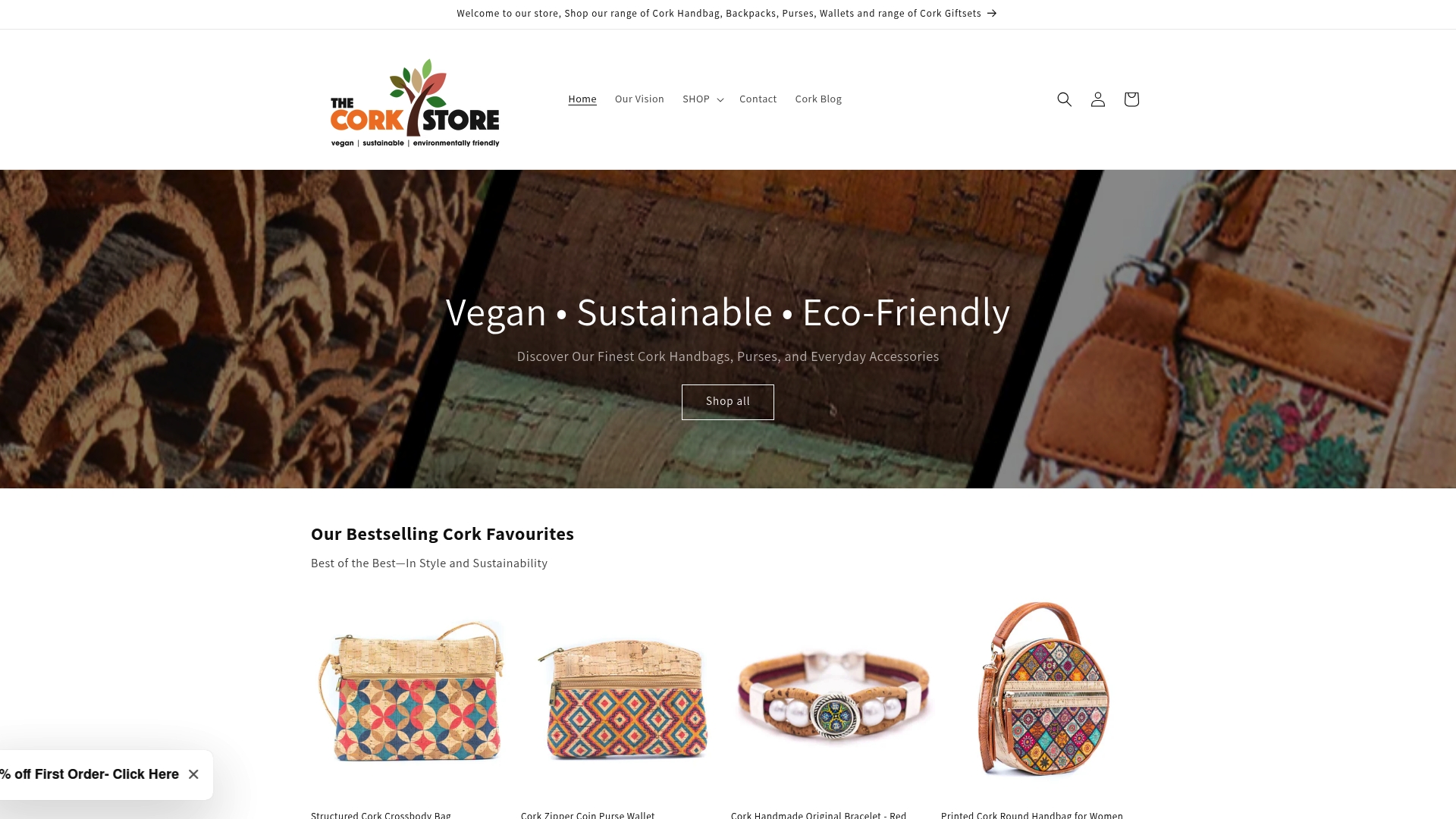
Make a difference today by exploring our collection of vegan handbags, wallets, and backpacks crafted from sustainable cork. Experience the benefits of biodegradable materials without compromising on style or quality. Don’t wait to upgrade your wardrobe ethically. Visit The Cork Store now and join a movement towards a cleaner planet with accessories that truly support a greener future. Learn more about how cork’s environmental advantages compare with other eco fabrics by reading our Understanding the Role of Eco-Friendly Materials in Fashion blog. You can also discover 7 Types of Sustainable Materials for Eco-Friendly Living to deepen your eco-conscious journey.
Frequently Asked Questions
What are biodegradable fashion materials?
Biodegradable fashion materials are textiles made from natural fibers that decompose naturally through the action of microorganisms, returning to the ecosystem without leaving harmful residues.
What are some examples of biodegradable materials used in fashion?
Examples include organic cotton, hemp, bamboo fabric, Tencel (Lyocell), Piñatex (pineapple leather), and mycelium leather (mushroom leather), all of which can decompose naturally.
How do biodegradable materials decompose?
Biodegradable materials decompose through a natural process where microorganisms break them down into simpler compounds, ultimately reintegrating them into the ecosystem as nutrients.
What are the environmental benefits of using biodegradable fashion materials?
Using biodegradable fashion materials can lead to reduced water consumption, lower carbon emissions, minimal chemical pollution, and decreased landfill waste, contributing to an overall more sustainable fashion industry.
Recommended
- Understanding the Role of Eco-Friendly Materials in Fashion – The Cork Store
- How to Spot Sustainable Fashion: A Step-by-Step Guide – The Cork Store
- Understanding Sustainable Fashion Essentials for Eco-Conscious Living – The Cork Store
- 7 Types of Sustainable Materials for Eco-Friendly Living – The Cork Store